Destinations in Thailand
Bangkok to the border islands, jungle temples to street-food alleys — every part of the country, mapped honestly.
Thailand has 77 provinces. Most travel coverage deals with about eight of them, which is why so many trips look identical. This is the map of everything we cover, region by region — and the regions matter more than you would think, because the food, the language, the landscape and the price of a room all change as you cross between them.
If you have not settled on anywhere yet, start with the province matcher — four questions, matched against all 77, with honest crowd ratings.
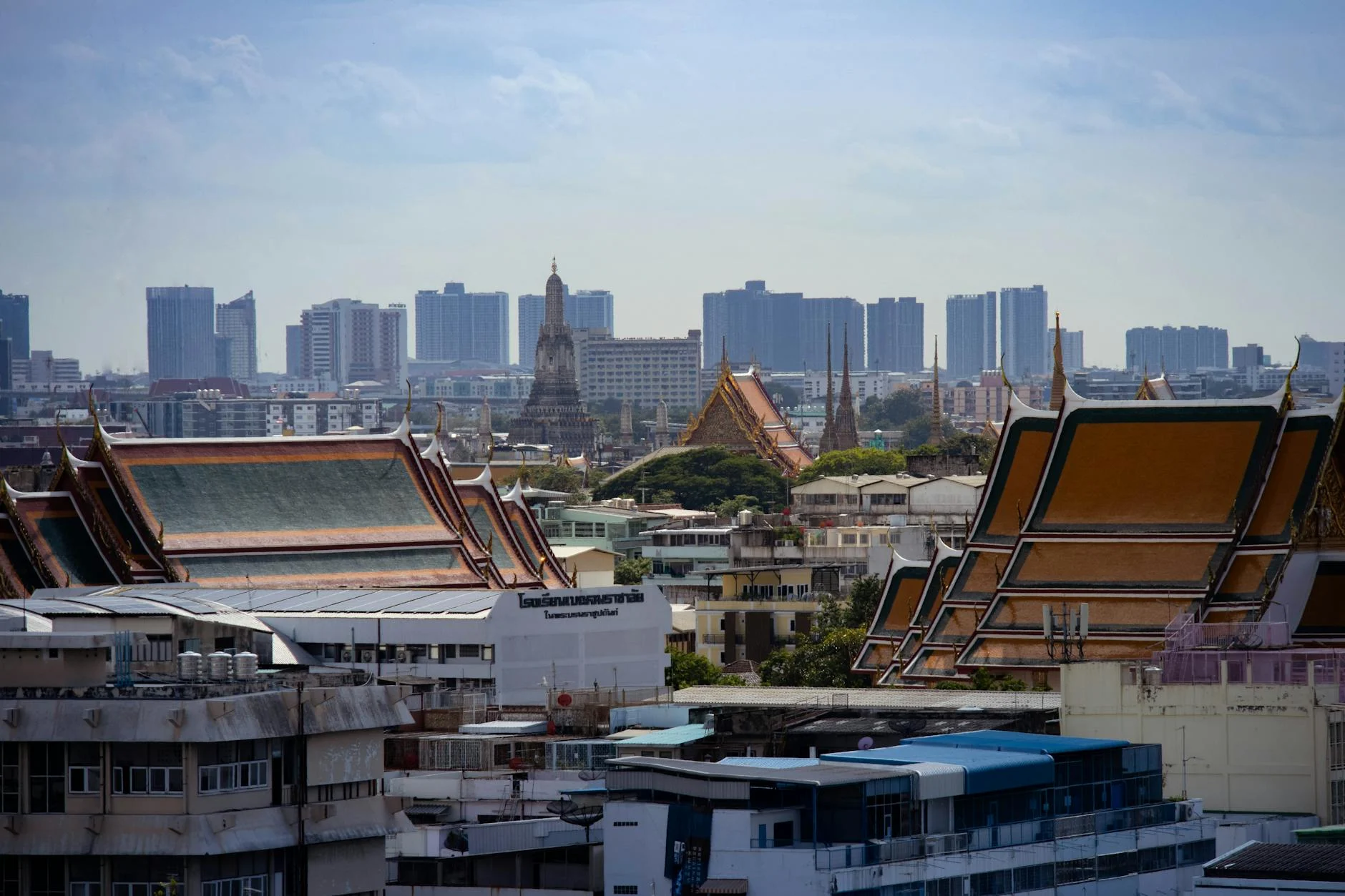
Bangkok and the Central Plains
The capital plus the flat, wet, rice-growing heart of the country: old capitals, canal towns and the temples that made Thai Buddhism look the way it does. Almost everything here is a day trip from Bangkok, which makes it the easiest region to travel and the one most people rush.
- Where to stay in Bangkok — every area, honestly ranked.
- Ari — the neighbourhood Bangkokers spend weekends in.
- Bangkok water taxis — how to beat the traffic on the Chao Phraya.
- Muay Thai in Bangkok — which stadiums are worth the ticket.
- The temples of Ayutthaya — the old capital, ninety minutes north.
- Lop Buri — Khmer ruins, and the monkeys that took the town.
- Koh Kret, Nonthaburi — the Mon pottery island in the river.
- Samut Songkhram — the railway market and Amphawa.
The North
Mountains, old Lanna kingdoms and the coolest weather in the country. The north has its own language, its own cooking — less coconut, more herbs and bitterness — and the calendar that produces Thailand’s best festival nights. November to February is the window; March and April bring the burning season, which we will not pretend is pleasant.
- Breakfast in Chiang Mai — an argument against your hotel buffet.
- Yi Peng 2026 — the lantern festival, and which events are worth paying for.
- Chiang Rai — the White Temple, the Black House, the Golden Triangle.
- Pai — and whether it still deserves the reputation.
- Pai on a budget — a real itinerary with real prices.
- Sukhothai — the first capital, in ruins, best explored by bicycle.
- Phitsanulok — the smart base for Sukhothai.
- Nan · Phrae · Lampang · Phayao — the quiet north.
Isaan — the Northeast
Twenty provinces, a third of the population, and almost no international tourism. Isaan is Lao-rooted: sticky rice, som tam, fermented fish, Khmer temples older than Angkor Wat, and the Mekong along its northern edge. It is the cheapest part of Thailand and the part where you are most likely to be the only foreigner in the room. If the rest of the country feels too polished, come here.
- Khon Kaen night market — Isaan’s real capital after dark.
- The temples of Ubon Ratchathani.
- Sala Keoku, Nong Khai — concrete giants on the Mekong.
- Loei — mountains, mist and Chiang Khan.
- Udon Thani — and the Red Lotus Sea nearby.
- Amnat Charoen — the least-visited province in Thailand.
- Kalasin — dinosaurs, silk and Phu Thai villages.
- Buriram · Surin — Khmer temples and elephant country.
The Gulf coast and its islands
Samui, Phangan and Tao, plus a long mainland coast most people skip on the way to them. The Gulf runs on a different calendar to the Andaman: it is at its best roughly February to September, and it gets its monsoon in October and November when the west coast is drying out. That mismatch is the single most useful thing to know when planning a beach trip.
- Where to stay on Koh Samui — Chaweng is not the answer.
- Where to stay on Koh Phangan — beyond Haad Rin.
- Koh Tao diving — the cheapest open water on earth, explained.
- Surat Thani — the mainland gateway and ferry logistics.
- Chumphon — uncrowded mainland beaches where the south begins.
- Nakhon Si Thammarat — shadow puppets and a serious night market.
- Songkhla old town — Sino-Portuguese shophouses and street art.
The Andaman coast
Limestone karsts, clear water and the highest concentration of visitors in the country. High season is November to April; outside it the sea gets rough and some island boats stop. Phuket and Krabi are busy for good reasons, but the coast runs a long way north and south of both.
- Things to do in Phuket — that are not Bangla Road.
- Where to stay in Phuket — area by area.
- Koh Lanta — the slow road, and why people stay longer than planned.
- The Similan Islands — permits, boats, and why you book early.
- Seven days on the Andaman coast — a route that works.
- Ranong — hot springs, the Myanmar border and the quiet islands.
- Trang — the Andaman without the crowds.
The East
The coast running towards Cambodia: Pattaya at one end, and at the other some of the best and least-developed islands in the country. Koh Chang, Koh Kood and Koh Mak are all out here, and almost nobody on a two-week first trip ever reaches them.
- Pattaya beyond the bars — it is a more interesting city than its reputation.
- Koh Samet — the closest proper island to Bangkok.
- Chanthaburi — gems, a cathedral and durian orchards.
- Trat — the gateway to Koh Chang, Kood and Mak.
The West
The Burmese border, river valleys and the country’s oldest beach resort. Kanchanaburi is the anchor — wartime history, waterfalls and national park — and Hua Hin is where Bangkok goes for the weekend.
- Kanchanaburi — the bridge, Erawan falls, and doing the history respectfully.
- Hua Hin — a weekend, done properly.
- Ratchaburi — floating markets without the tourist circus.
- Khao Yai — the national park on the Isaan threshold.
Everywhere else
Every one of the 77 has a profile with what is actually there, where locals eat, and how to reach it: browse all 77 provinces. If you would rather be pointed somewhere than choose, the province matcher does that in four questions.
Related hubs: itineraries · getting around · when to go · what to eat · visas
Choosing a destination in Thailand: your questions, answered
How many regions does Thailand have?
Officially six — North, Northeast (Isaan), Central, East, West and South. For travel purposes the South splits usefully in two, because the Gulf and Andaman coasts have opposite monsoon seasons, which is why we treat them separately here.
Which region of Thailand is best for a first trip?
Bangkok and the Central Plains, then either the North or one coast. The classic route works because the transport links are good and the distances are short. If crowds are your main concern, swap the second leg for Isaan or the East.
Can I visit the north and the islands in one trip?
Yes, but not comfortably in under ten days. Bangkok to Chiang Mai is an overnight train or a short flight, and Bangkok to the islands is another flight or a long bus-and-ferry. Two regions plus Bangkok is a sensible two-week trip; three is a rush.
Which part of Thailand is cheapest?
Isaan, comfortably. Rooms, food and transport all cost less than the coasts, and there is almost no tourist pricing because there are almost no tourists. The islands are the most expensive, particularly the Andaman in high season.