Category
Culture
Thai culture — festivals, temples, traditions, etiquette, and the customs that shape daily life across Thailand’s 77 provinces.
Thailand is one country and at least four cultures. The Central plains gave the nation its language and its court traditions; Isaan, in the north-east, eats and speaks towards Laos; Lanna, in the north, kept its own script, calendar and temple architecture; and the deep South is Malay, Muslim and maritime. Add Chinese-Thai merchant families and hill communities that predate the borders, and “Thai culture” stops being a single thing. Below is how the pieces fit — and the etiquette that keeps you on the right side of all of them.

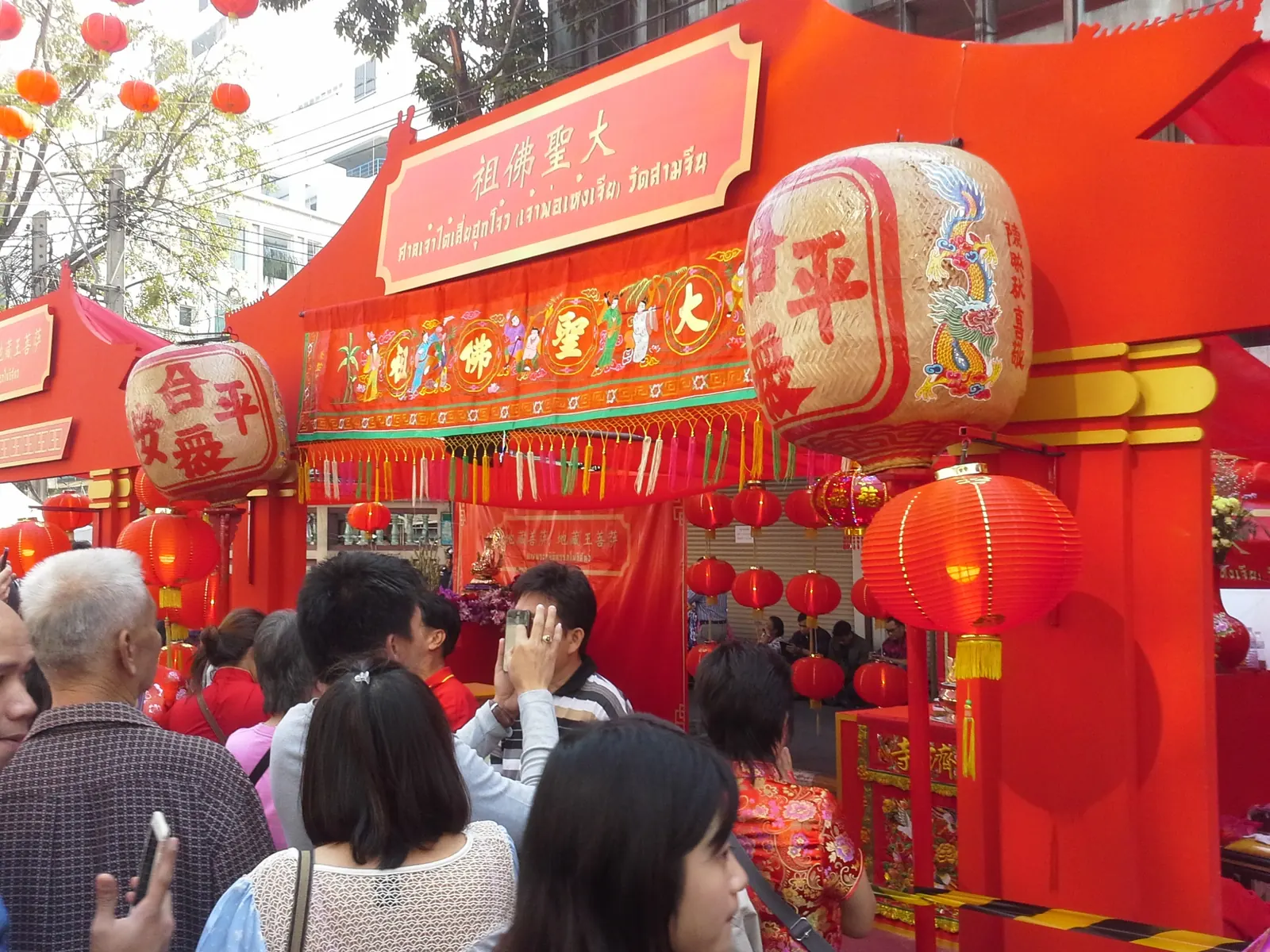
Chinese New Year in Thailand 2027: Dates, Yaowarat, What Closes
Where is Chinese New Year 2027 actually celebrated in Thailand, what closes on 6 February, and which hotels double? Yaowarat,…
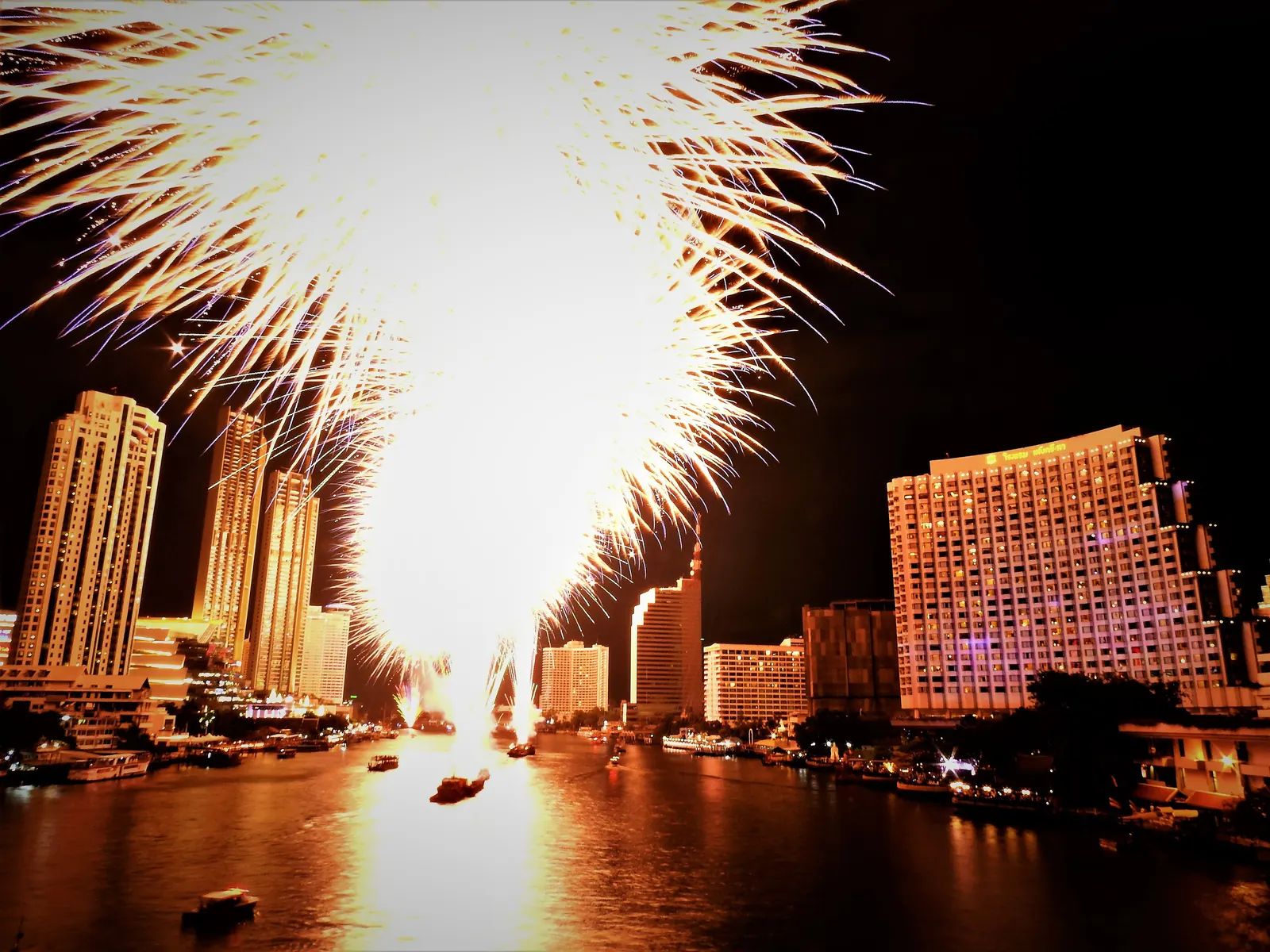
New Year’s Eve in Bangkok 2026: Countdowns, Fireworks, What’s On
Where should you stand for Bangkok’s New Year’s Eve fireworks, how do you get home at 1am, and what is…
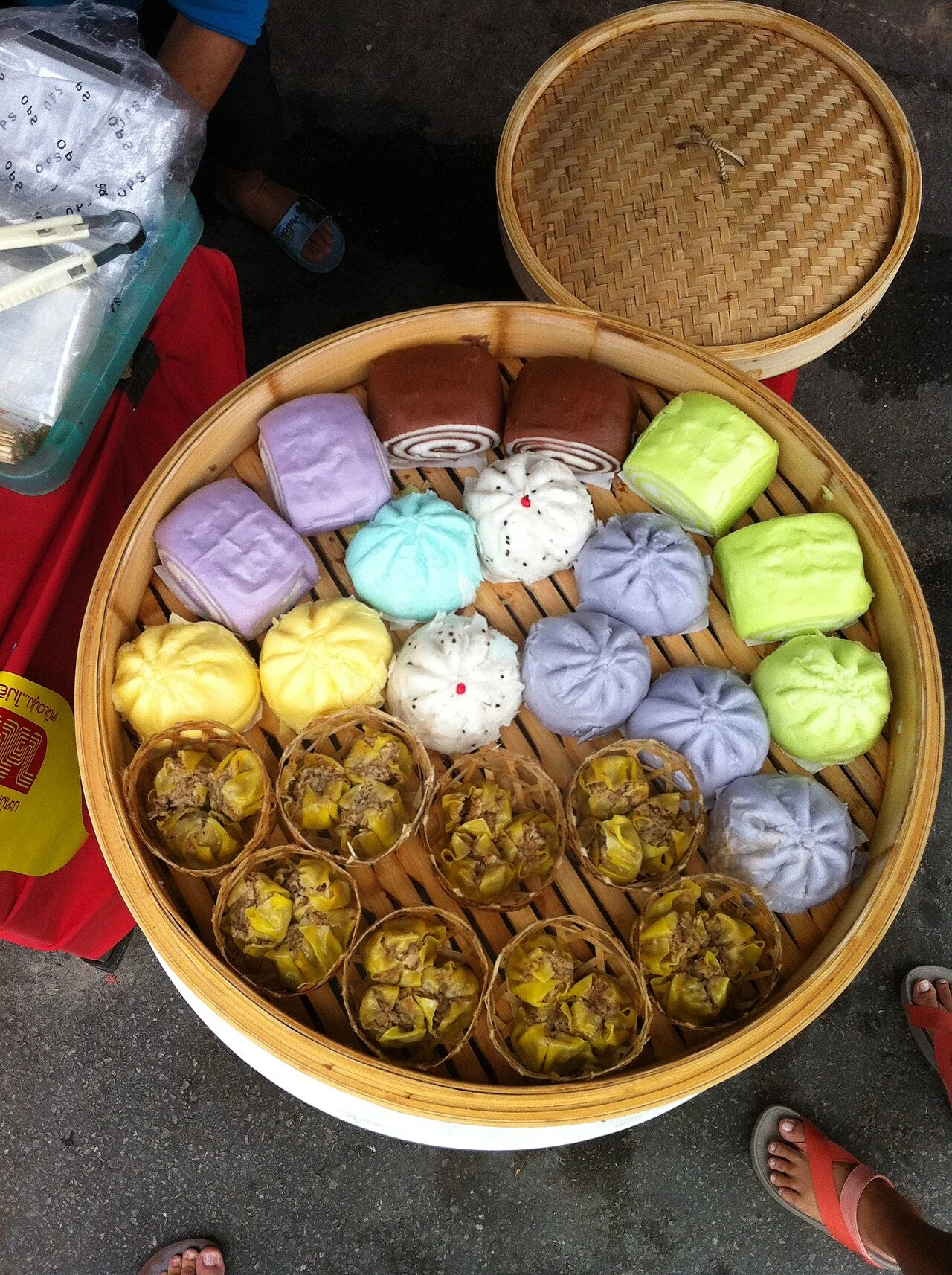
Thailand’s Vegetarian Festival: What the Yellow Flags Mean (and What to Eat)
For nine days each October the yellow เจ flags go up and Thailand’s street food goes vegan. Here’s what to…
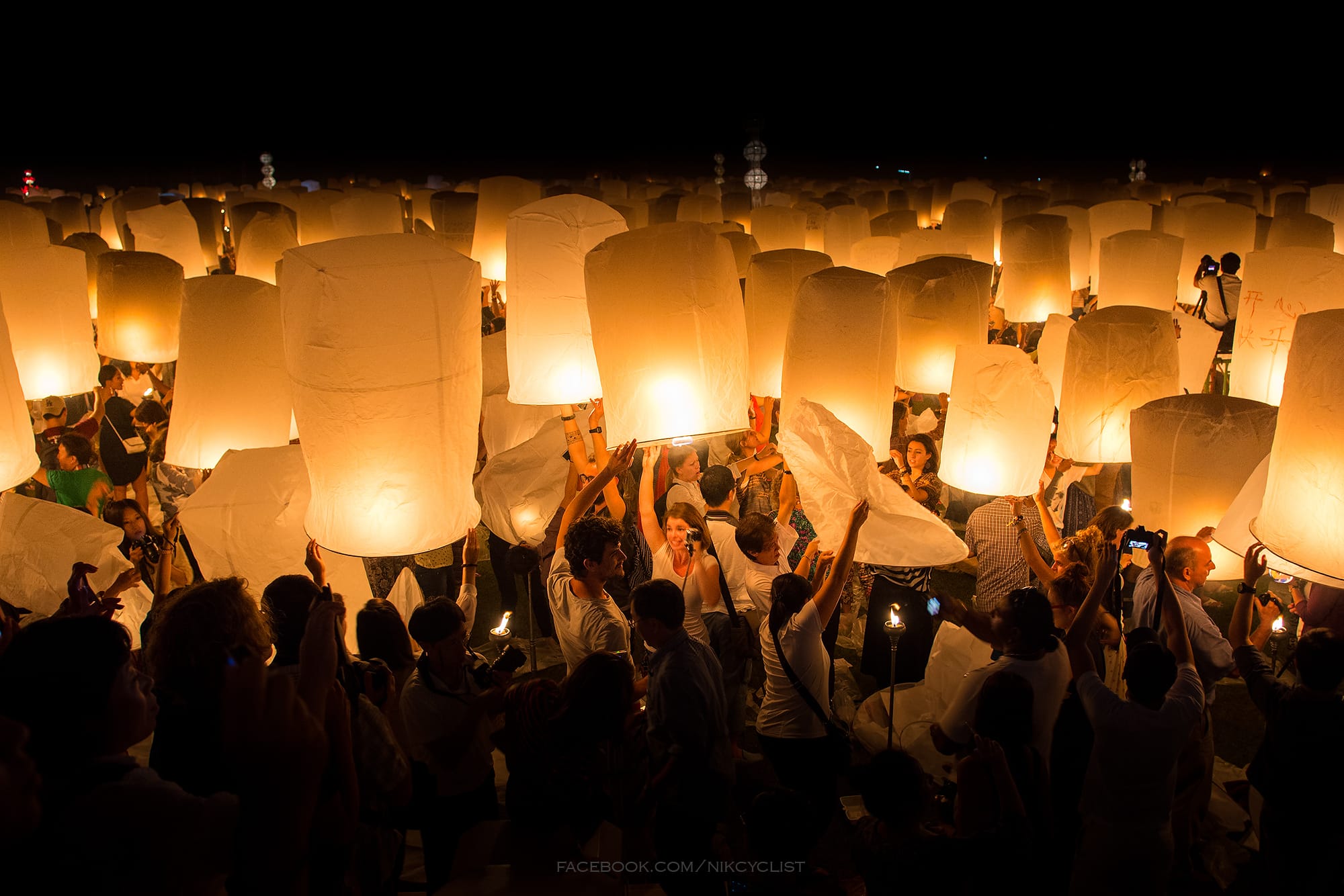
Yi Peng Chiang Mai 2026: Dates, Costs and the Lantern Rules
Yi Peng 2026 falls on 24-25 November. What the ticketed lantern releases actually cost, why the free city celebration is…
Loy Krathong 2026: Dates, Where to Go and What to Float
Loy Krathong 2026 falls on Tuesday 24 November. Where to go ranked honestly, what your krathong should be made of,…
The Ethnic Groups of Thailand: Who Lives Where, and Why It Matters
“Thai” is a nationality, not a single people. The country that shows up in the brochures as one smiling, temple-dotted…
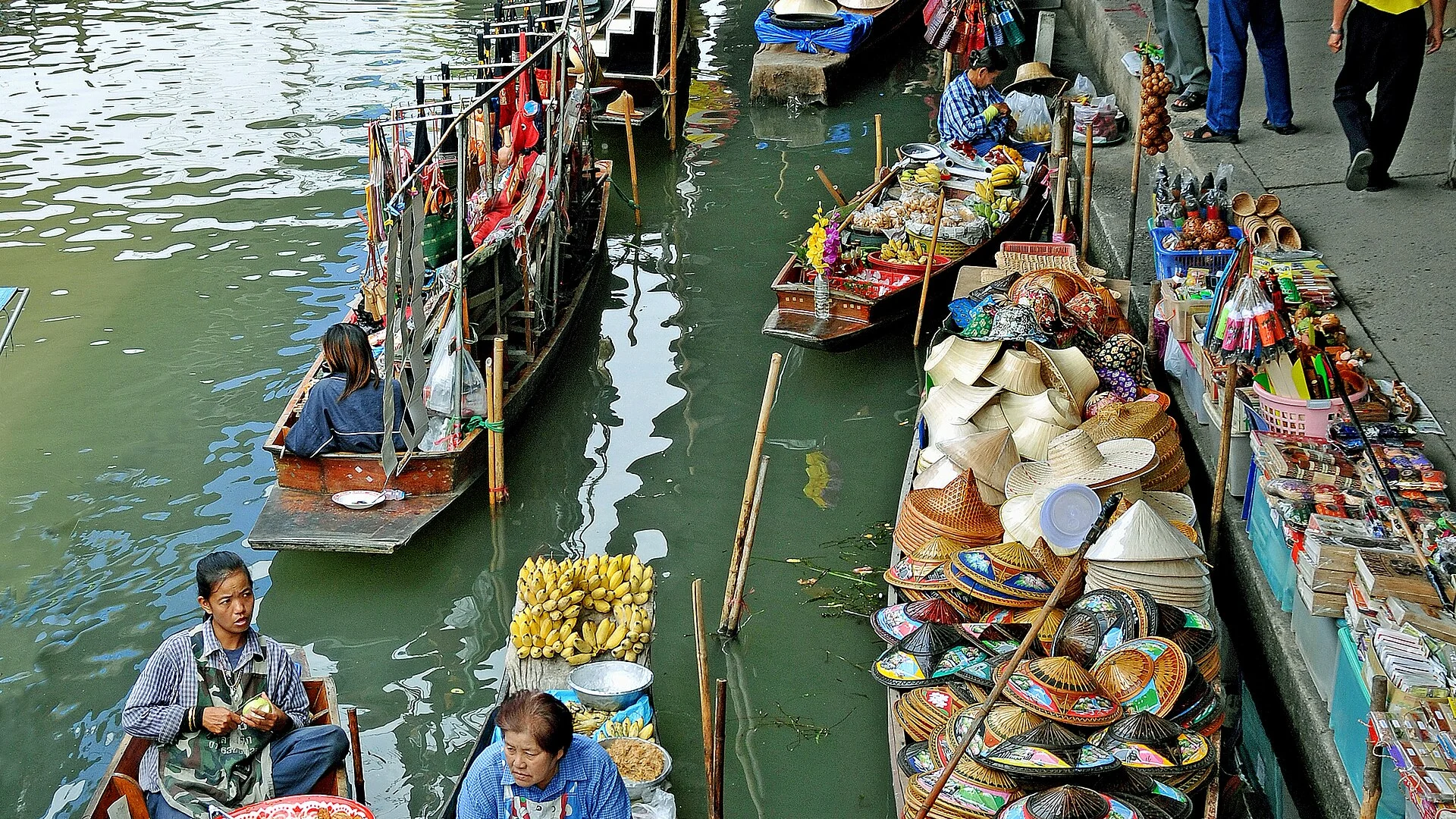
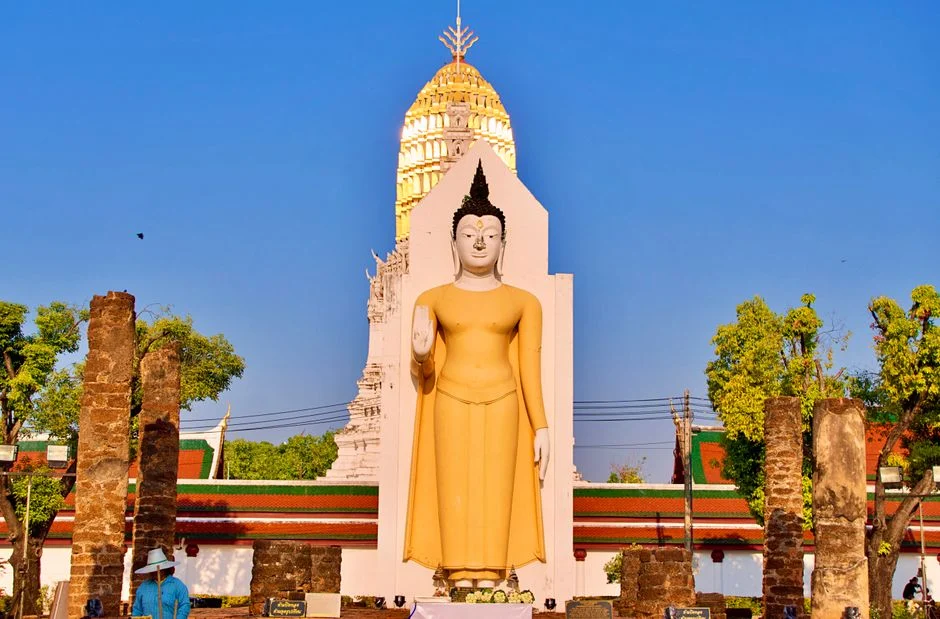
Phitsanulok: The Logistics Hub for Sukhothai and the Buddha Most Thais Consider the Most Beautiful
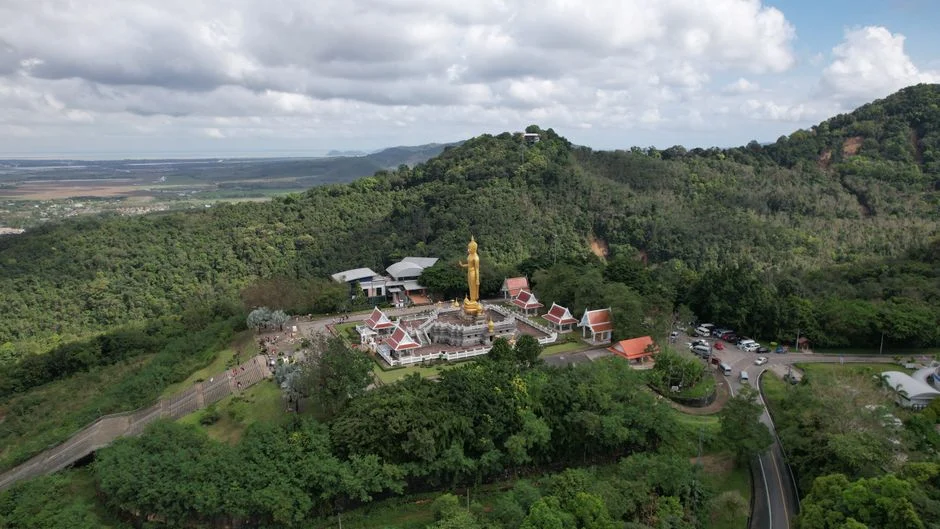
Phitsanulok — the lower-northern Thai city that gets you to Sukhothai cheap, houses Thailand’s most-revered Buddha, and feeds you boat…
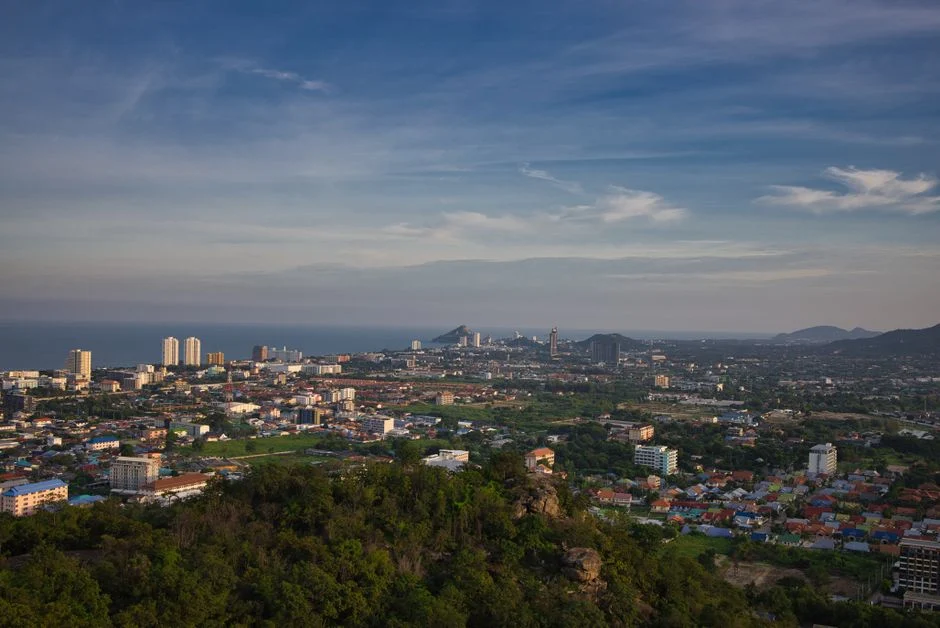
Hua Hin Weekend: Royal Beach, Night Market, and the Cicada
Hua Hin weekend — the royal-favourite beach town three hours from Bangkok. Where to eat, where to swim, where to…
Koh Samet From Rayong: The Beach Weekend That Beats Pattaya
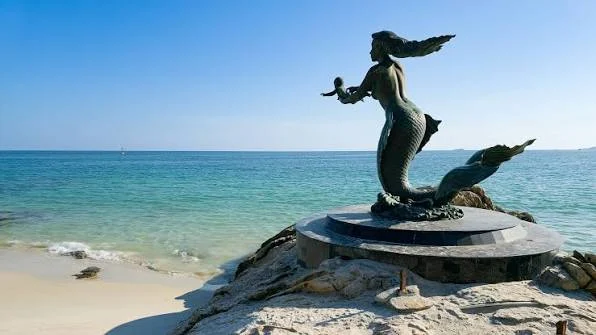
Koh Samet from Rayong — the cleanest sand near Bangkok, the right ferry, the right beach, and the weekend most…
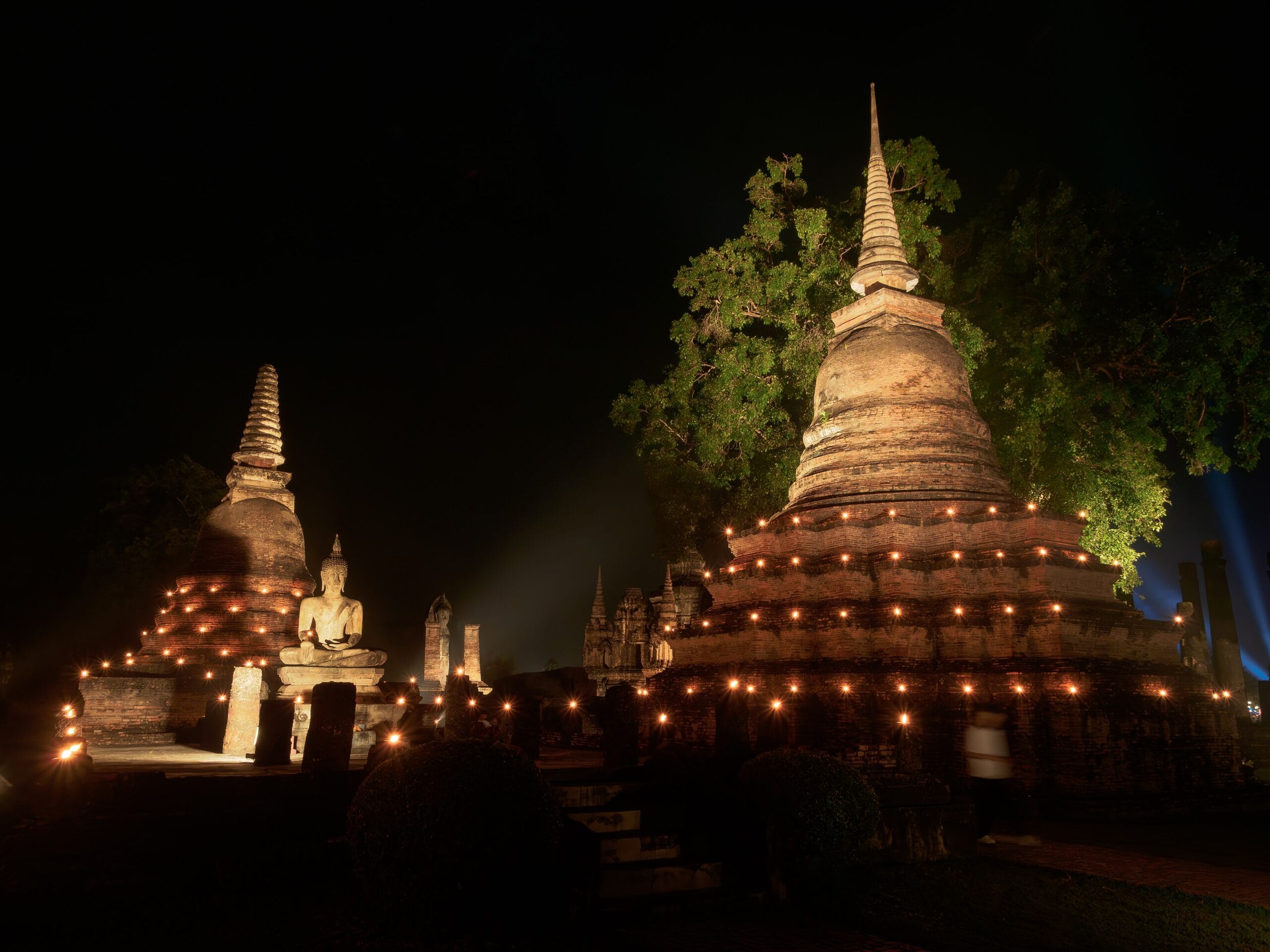
Songkhla Old Town: Sino-Portuguese Streets and the Southern City Most Foreigners Skip
Songkhla Old Town — Sino-Portuguese shophouses, the cat-and-mouse hill, and why southern Thailand’s quietest old city is worth two nights.
The long version
Understanding Thai culture: a working guide
You do not need a degree in Southeast Asian studies to travel Thailand respectfully. You need about six things, and most visitors never get told any of them. This is the version we would give a friend flying in next week.
Buddhism is the operating system
Roughly nine in ten Thais are Theravada Buddhists, and the religion is less a Sunday activity than the grammar of ordinary life. Merit-making (tham bun) explains the woman releasing birds outside a temple, the 6am alms round on your soi, the spirit house in the corner of a 7-Eleven car park, and the garlands on the dashboard of your taxi. Monks are not clergy in the Western sense — many ordain temporarily, some for a single rains retreat — but they hold real social rank, which is why the priority seats at the front of a BTS carriage are for monks and why a woman should place an offering on a cloth or in a bowl rather than hand it over directly.
The practical upshot for a visitor is small and easy: give monks physical space, do not sit higher than a Buddha image, and treat a temple as somewhere people are actually praying. Do that and you have cleared 90 per cent of the bar.
Four regions, four cultures
Central Thailand is the Thailand of the textbooks: the Chao Phraya delta, the old capitals of Ayutthaya and Sukhothai, standard Thai, and the coconut-milk curries most people abroad think of as Thai food. Isaan, the north-east and by far the most populous region, is culturally Lao — its own dialect, sticky rice eaten by hand, mor lam music, rocket festivals and a diaspora that staffs half of Bangkok. Lanna, the north, was an independent kingdom until the late nineteenth century and still shows it in temple rooflines, its own script on temple signage, and a calendar of festivals that runs on different logic. The deep South — Pattani, Yala, Narathiwat, and Songkhla’s hinterland — is majority Malay Muslim, with mosques instead of wat, Yawi spoken at home and a cuisine built on turmeric and fresh chilli.
Layered across all of it is the Sino-Thai story: Chinese migrant families who arrived over centuries, took Thai surnames, built the shophouse commerce of every provincial capital, and gave the country its vegetarian festival, its Hokkien-inflected snacks and much of its business class. Start with who lives where and why it matters, then read a place that wears its mixture openly: Songkhla’s Sino-Portuguese old town or Phitsanulok, the Central-plains junction town most foreigners only see from a train window.
Temples: the rules that actually matter
Cover shoulders and knees, take your shoes off before stepping into any building, and do not point your feet at a Buddha image or a monk — that is the whole of the law, and the rest is manners. Sarongs are usually available at the big sites if you turn up in shorts, sometimes for a small deposit. Photography is almost always fine outside and usually fine inside; what is not fine is climbing on a ruin for a photograph, turning your back to a principal image for a selfie, or posing with a Buddha image in a way you would not pose in a church. Our eight things to know before entering a Thai temple is the two-minute version.
Once you are comfortable, the interesting temples are rarely the famous ones. Ayutthaya rewards a half-day on a bicycle and an understanding of why the ruins look decapitated. Sala Keoku in Nong Khai is not a temple at all but a concrete fever dream of Buddhist and Hindu cosmology built by a visionary who fled Laos — and it is one of the strangest, best things in the country.
The festival year
Thailand runs on two calendars at once, and the good festivals sit on the lunar one, which is why the dates move. Songkran (13–15 April, fixed) is Thai New Year: nationally a water fight, domestically a family holiday when half of Bangkok goes home to Isaan and the north. Loy Krathong falls on the twelfth lunar full moon, usually November, and overlaps in Chiang Mai with Yi Peng and its lanterns. The Vegetarian Festival in Phuket and Trang is a Sino-Thai nine-day observance with the piercing processions the tabloids love. Yasothon fires homemade rockets into the sky in May; Surin parades elephants in November; Bangkok’s Chinatown does Lunar New Year properly.
If a festival is the reason for your trip, book transport and rooms early and check the date rather than assuming — our festival and public-holiday calendar lists what is happening, where, and which dates are still provisional, and it tells you which public holidays close banks and government offices.
Face, hierarchy and the things nobody explains
Three words do most of the work. Kreng jai is the reluctance to impose on someone — it is why a hotel receptionist may say yes to something they cannot deliver, and why a direct complaint often gets you less than a patient, smiling one. Jai yen, a cool heart, is the social ideal: raising your voice in public loses you the argument, whatever the merits. Sanuk is the expectation that a task should contain some pleasure, which is why work here often looks more sociable than it does at home.
The wai — palms together, a slight bow — is returned rather than initiated by juniors, and nobody expects a visitor to get the height right; a small wai in response to one is plenty, and you do not wai children or service staff. Two hard limits worth knowing plainly: the head is the most respected part of the body and the feet the least, so no ruffling hair and no feet on seats or pointed at people; and criticism of the monarchy is a criminal matter in Thailand under lese-majeste law, prosecuted seriously and applying to foreigners. It is not a subject to explore aloud, online from within the country, or with new Thai acquaintances.
Culture you can actually attend
Reading about a culture is thinner than turning up to it, and Thailand makes turning up easy. A Muay Thai card in Bangkok is the country’s national sport with a live band, a betting section and pre-fight ritual — and the stadium you pick changes the experience entirely. Night markets are where provincial Thailand socialises: Khon Kaen after dark is Isaan’s real capital, and Nakhon Si Thammarat is a southern food scene that tourists route straight past on the way to the islands. If you have a weekend from Bangkok, Hua Hin is the royal-resort version and Koh Samet the beach version, both without the flight.
Thai culture FAQ
What should I wear to a Thai temple?
Shoulders and knees covered, for men and women alike: a t-shirt and long trousers or a skirt below the knee is fine, and you do not need to be smart. Avoid vests, crop tops, short shorts and see-through fabric. Shoes come off before you enter any building in the complex, so slip-ons save time. Major temples such as the Grand Palace enforce this at the gate and will rent or lend a cover-up; small provincial temples will let anything through, which is not the same as it being welcome.
Do I need to know how to wai?
No. The wai is returned rather than initiated by the more junior person, and a foreign visitor sits outside the hierarchy entirely. If someone wais you, put your palms together at chest height and incline your head slightly — that is correct in every situation you will meet. Do not wai children, and there is no need to wai staff who greet you; a nod and a smile is the normal response.
What is the biggest cultural mistake tourists make in Thailand?
Losing their temper in public. Raising your voice at a hotel desk, a driver or an immigration officer costs you the moral high ground and usually the outcome, because a cool heart is the social ideal and public anger reads as a loss of self-control. The physical equivalents are feet on seats, touching an adult on the head, and treating a working temple as a photo studio. None of these are ticketed offences; all of them are noticed.
Can I photograph monks and temple interiors?
Usually yes, and asking first turns it from an intrusion into an exchange — most monks will agree and some will happily pose. Interiors are generally allowed unless a sign says otherwise, though a few major shrines including the Emerald Buddha ban photography inside. What to avoid: flash during a service, climbing on structures for an angle, and shots that place you above or in front of a principal Buddha image.
When is Songkran, and should I plan around it?
Songkran is 13–15 April every year, with the water fighting often running longer in Chiang Mai and shorter in quiet provinces. Plan around it in both directions: it is genuinely one of the world’s great street parties, and it is also the week when intercity transport sells out, hotel rates double, road deaths spike and many family businesses shut. Book six to eight weeks ahead, expect to get soaked whether you are playing or not, and keep your phone in a waterproof pouch.
Some links on this page are affiliate links. They cost you nothing, we only use partners we book with ourselves, and they keep this site independent. Full disclosure.