Status: IN FORCE — since Monday 15 September 2026. Four Ministry of Interior notifications were published in the Royal Gazette on 31 August 2026. Since 15 September, visa-free entry to Thailand has been 30 days, not 60, and the eligible list has shrunk from 93 countries to 60. Anyone who entered before that date kept their 60-day stamp, and a stamp already in your passport keeps its full length.
Update log — 2 Sep 2026: page created from the Gazette texts. · 28 Sep 2026: two weeks in, the airports are applying the rules exactly as gazetted — 30-day stamps for the 60 listed nationalities, no reported divergence. This URL stays the reference if anything changes.
The two-year experiment is over. In July 2024 Thailand gave the citizens of 93 countries 60 days on arrival, visa-free — one of the most generous entry regimes anywhere. On 31 August 2026 the reversal became official: four Ministry of Interior notifications in the Royal Gazette cut the stay to 30 days, trim the list to 60 countries, and took effect on 15 September 2026. If your plans involve more than a month in Thailand — or a passport that just fell off the list — the details below are the ones that matter, and several of them are being widely misreported.
Check your country first
Search the box below. It merges all four new Gazette lists with the bilateral treaties the reform does not touch — which is the part most headlines get wrong. China, South Korea, Brazil and Russia did not “lose visa-free Thailand”: their entries run on separate treaties, at their old lengths, exactly as before.
What was actually published on 31 August
The Gazette carried four separate Interior Ministry notifications, all dated 27 August 2026 and all effective 15 days after publication — so, 15 September:
- The repeal. The 15 July 2024 notification that created the 60-day exemption for 93 countries and territories is revoked in full.
- The new exemption list. 60 countries and territories get 30 days per entry through any checkpoint. All of Western Europe, the US, UK, Canada, Australia, Japan and India stay on. Entries by land are capped at two per calendar year — except for nationals of Malaysia, Brunei, Indonesia and Singapore, who commute across those borders. There is no numerical cap on arrivals by air.
- Visa on arrival, shrunk. The visa-on-arrival counter (2,000 THB, 15 days) now serves exactly three nationalities: Azerbaijan, Belarus and Serbia. At its peak the old list served about nineteen.
- A 15-day lane. Mauritius and Seychelles get their own 15-day visa-free entry.
Everything else about entering Thailand is untouched: the TDAC digital arrival card stays mandatory and free, the auto-gate expansion keeps rolling out for its own list of 33 nationalities, and proof-of-funds and onward-ticket rules remain the officer’s discretion they have always been.
Already booked? What it means by arrival date
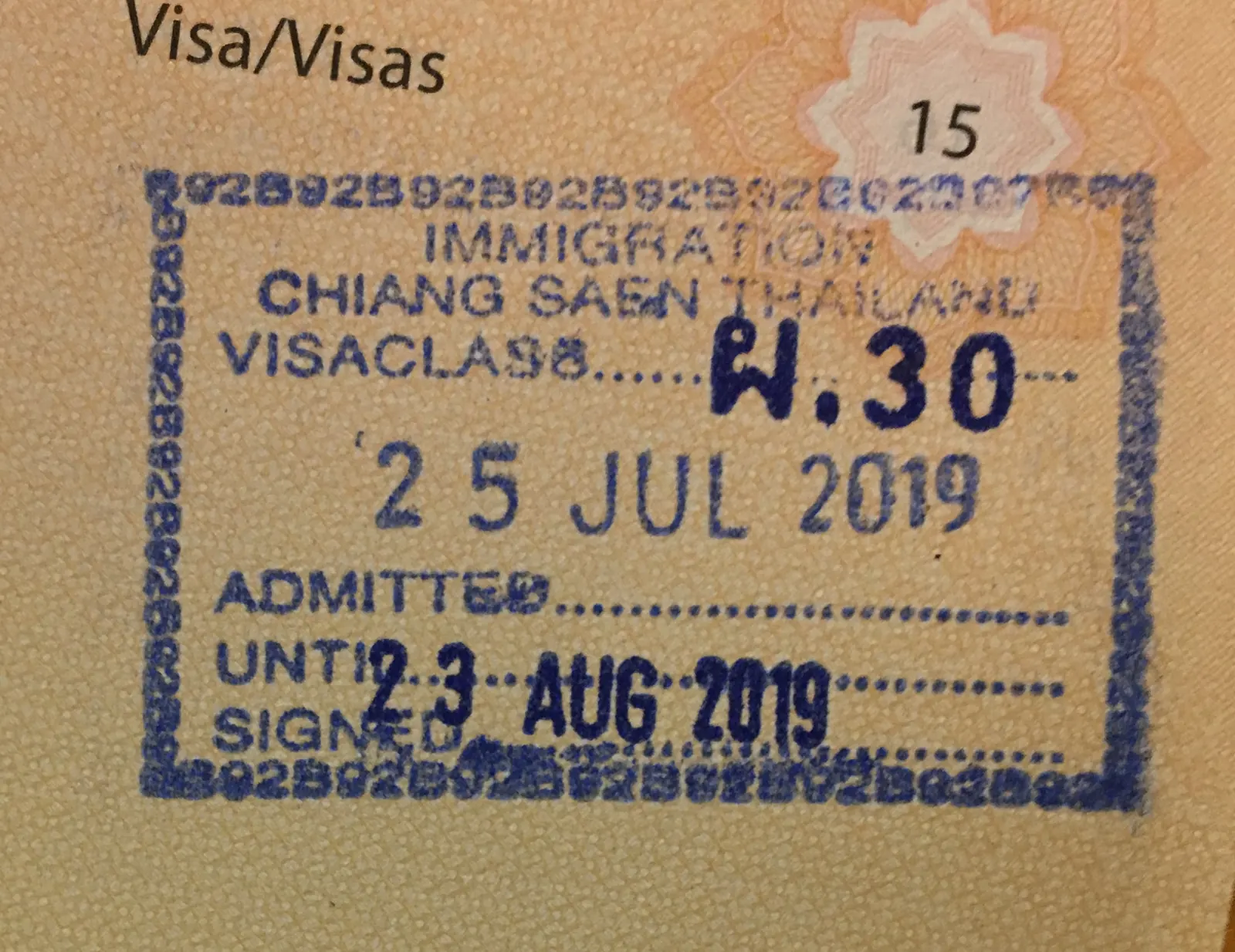
Landing on or before 14 September 2026: nothing changes for you. You receive the current 60-day stamp and it runs its full course, even though the rules change mid-stay. Immigration applies the rule in force on the day you enter.
Landing on or after 15 September 2026: you get 30 days if your passport is on the new list. Planning five or six weeks? You have two clean options. Extend once at any immigration office — 1,900 THB, one extra 30 days, maximum stay 60 — using the process in our step-by-step extension guide. Or apply for a tourist eVisa before you fly (60 days on entry, extendable to 90), which is now the calmer route for a long trip. The fee side of both is tracked on our Thailand Price Index.
Staying months, not weeks? This reform is aimed at exactly the grey zone you were using. The honest answer is a visa that matches your stay: the Destination Thailand Visa (DTV) for remote workers and returning long-stayers, or a proper tourist visa chain. Our visa guide by country has been re-verified against the new lists.
The 33 countries that dropped off — and where each one landed
The 2024 list had 93 entries; the new one has 60, plus Mauritius and Seychelles in their own 15-day lane. That leaves 33 countries that left the exemption scheme, and they split into two very different groups.
Group one lands softly — a treaty catches them. Twelve of the departures have bilateral visa agreements with Thailand that predate 2024 and are unaffected by ministerial lists: South Korea (90 days), Brazil, Peru and Uruguay (90 days each), China, Hong Kong, Macau, Laos, Vietnam, Mongolia and Russia (30 days each), and Cambodia (14 days). If you hold one of these passports, the 2024 scheme briefly gave you 60 days; you now revert to your treaty terms. Argentina, Chile and Paraguay keep their 90-day treaties too — they were never routed through the scheme.
Group two needs a visa from 15 September. Twenty-one countries lose visa-free Thailand outright: Albania, Andorra, Colombia, Cuba, Dominica, the Dominican Republic, Ecuador, Guatemala, Jamaica, Kazakhstan, Kosovo, Mexico, Monaco, Morocco, Panama, Papua New Guinea, San Marino, Sri Lanka, Tonga, Trinidad and Tobago, and Uzbekistan. For them the route is the Thai eVisa (60-day tourist visa) or an embassy application. Kazakhstan is the biggest loser by arrival numbers — and no, it does not fall back to visa on arrival; that list is now three countries and Kazakhstan is not on it.
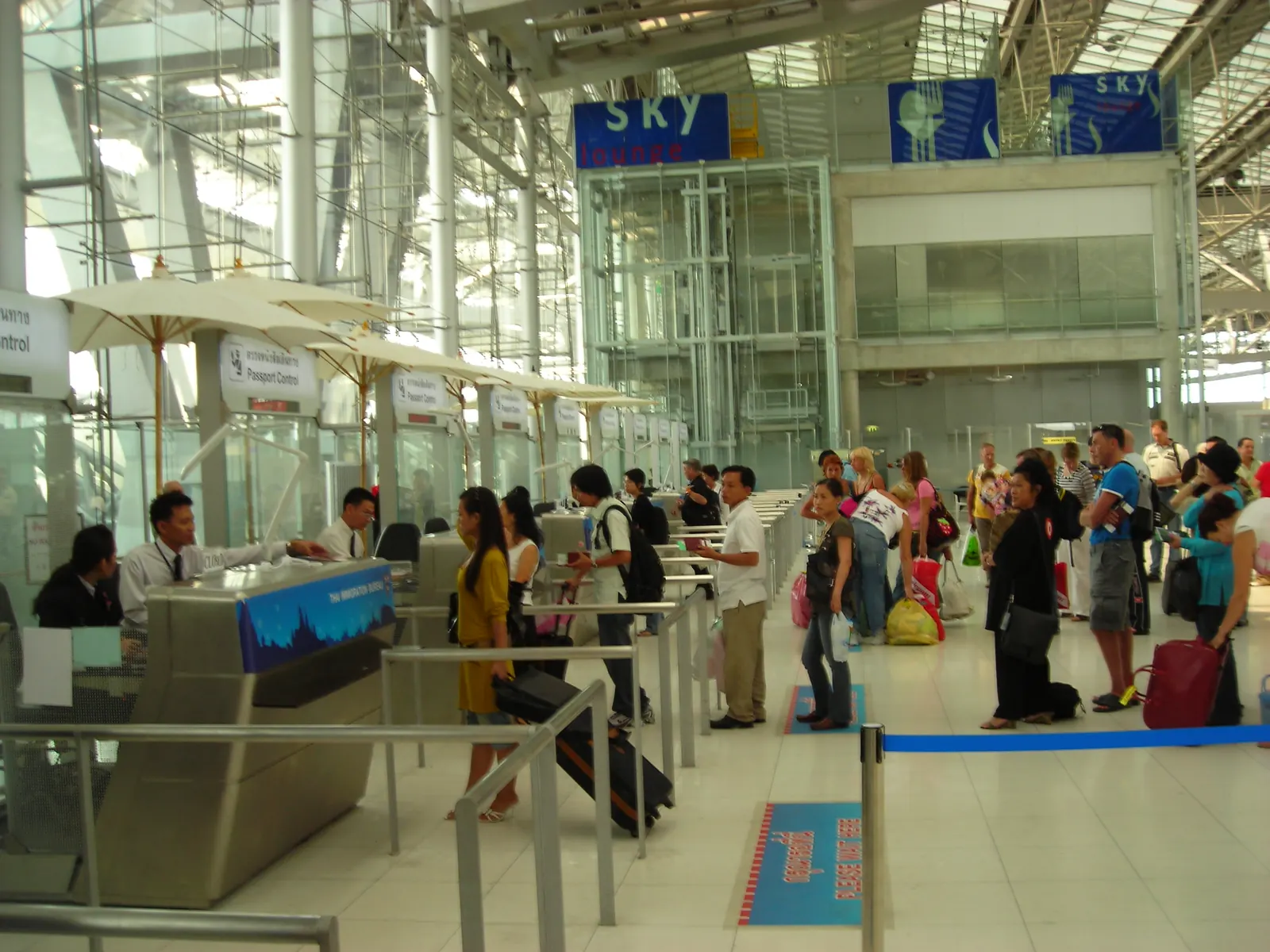
Why Thailand did it
The 60-day scheme was a post-pandemic tourism lever, and it worked — arrivals recovered. It also created a class of permanent “tourists” chaining 60-day stamps, extensions and border runs into de facto residence, working illegally or running businesses on tourist status. Hoteliers and the legitimate long-stay visa programmes complained; immigration raids on condo buildings made the papers through 2025 and 2026. The Tourism Ministry floated the cut in mid-2025, the cabinet approved the framework in June 2026, the country list firmed up in July, and the Gazette made it law on 31 August. We tracked each step in the 60-day exemption guide, which now redirects its energy to helping you plan around the 30-day rule.
The land-border cap is the quiet half of the same policy. Two visa-exempt land entries per calendar year ends the classic minivan visa run as a lifestyle — while air entries stay uncapped, which tells you the target was the run, not the returning visitor. Frequent flyers should still expect questions at the desk; that discretion predates this reform.
The 30-day rule: your questions, answered
Do Americans, Brits and Europeans now need a visa for Thailand?
No — not for stays up to 30 days. The US, UK, Canada, Australia and effectively all of Western and Central Europe are on the new 60-country list, so you still land, stamp and go. You only need paperwork if you are staying longer than a month: a 1,900 THB extension buys 30 more days, or a tourist eVisa before you fly gives 60.
I arrive before 15 September but leave after — which rule applies?
The rule on your day of entry. Land on 14 September and you receive the full 60-day stamp, valid to mid-November. The change is not retroactive and does not shorten stamps already issued.
Can I still extend my 30 days at immigration?
Yes. The standard 30-day extension at any immigration office survives untouched: 1,900 THB, one passport photo, form TM.7, same-day in most offices. That makes the practical maximum 60 days per visa-exempt entry — down from 90 under the old scheme. Our extension guide walks through it office by office.
Which countries lost visa-free entry to Thailand completely?
Twenty-one: Albania, Andorra, Colombia, Cuba, Dominica, Dominican Republic, Ecuador, Guatemala, Jamaica, Kazakhstan, Kosovo, Mexico, Monaco, Morocco, Panama, Papua New Guinea, San Marino, Sri Lanka, Tonga, Trinidad and Tobago, Uzbekistan. Another twelve — including China, South Korea, Brazil and Russia — left the scheme but keep entering visa-free under older bilateral treaties at their pre-2024 lengths.
Are visa runs dead now?
Land runs, mostly: from 15 September you can enter visa-exempt overland only twice per calendar year (Malaysian, Bruneian, Indonesian and Singaporean nationals excepted). Air entries have no numerical cap, but immigration officers have always had — and used — the discretion to refuse serial entrants. If Thailand is where you actually live, the sustainable answer is the DTV or another long-stay visa, not a flight to KL every month.
This is a DT News Desk page: one URL per question, updated when the answer changes. We read the Royal Gazette and the Thai-language reporting so you don’t have to — the status box above always reflects the current position.