Category
Travel
Travel guides and practical information for exploring Thailand — from first-time visitor basics to deep dives on specific regions and experiences.
Most Thailand trips are decided by three things: which coast you land on, how long you have, and how you move between bases. Get those right and the rest is detail. Below is how we would plan it — the seasonal split between the Andaman and the Gulf, realistic itinerary lengths, what transport actually costs, where to stay, and the entry paperwork nobody reads until the week before.

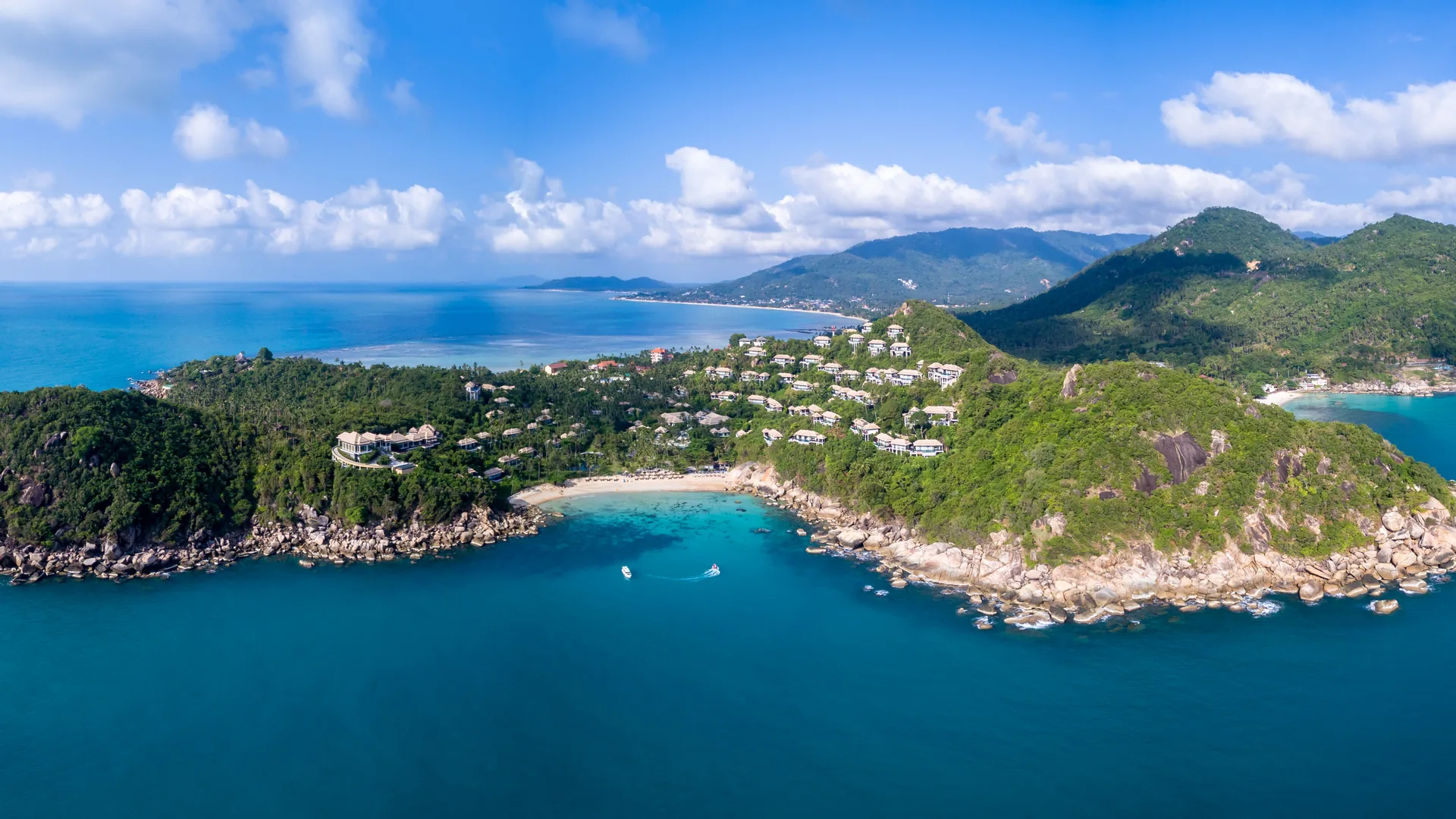
New Moon Sound Healing at Banyan Tree Samui: 8 November 2026
Banyan Tree Samui hosts sound therapist Svetlana Kaivalya for a New Moon Sound Healing Ceremony on 8 November. What happens,…
Things to Do in Hua Hin 2026: Worth It vs Skip It, With Prices
Which things to do in Hua Hin are actually worth it? Eighteen verdicts with 2026 baht prices: the cave, the…
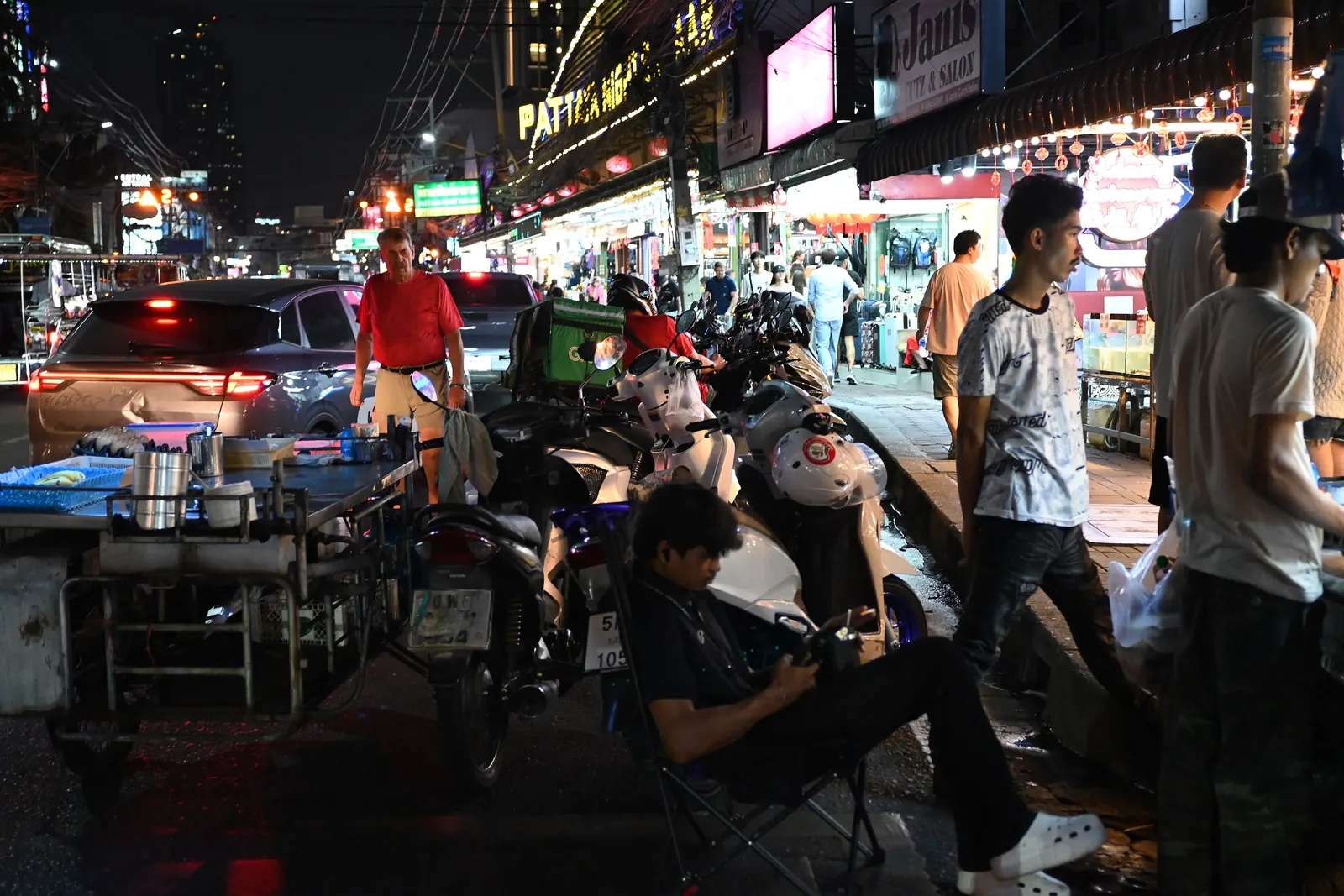
Pattaya Night Markets 2026: Thepprasit, Jomtien and the Skips
Which Pattaya night market is on tonight, and which is worth the ฿20 baht bus? Thepprasit, Rompho, Jomtien, Tree Town…
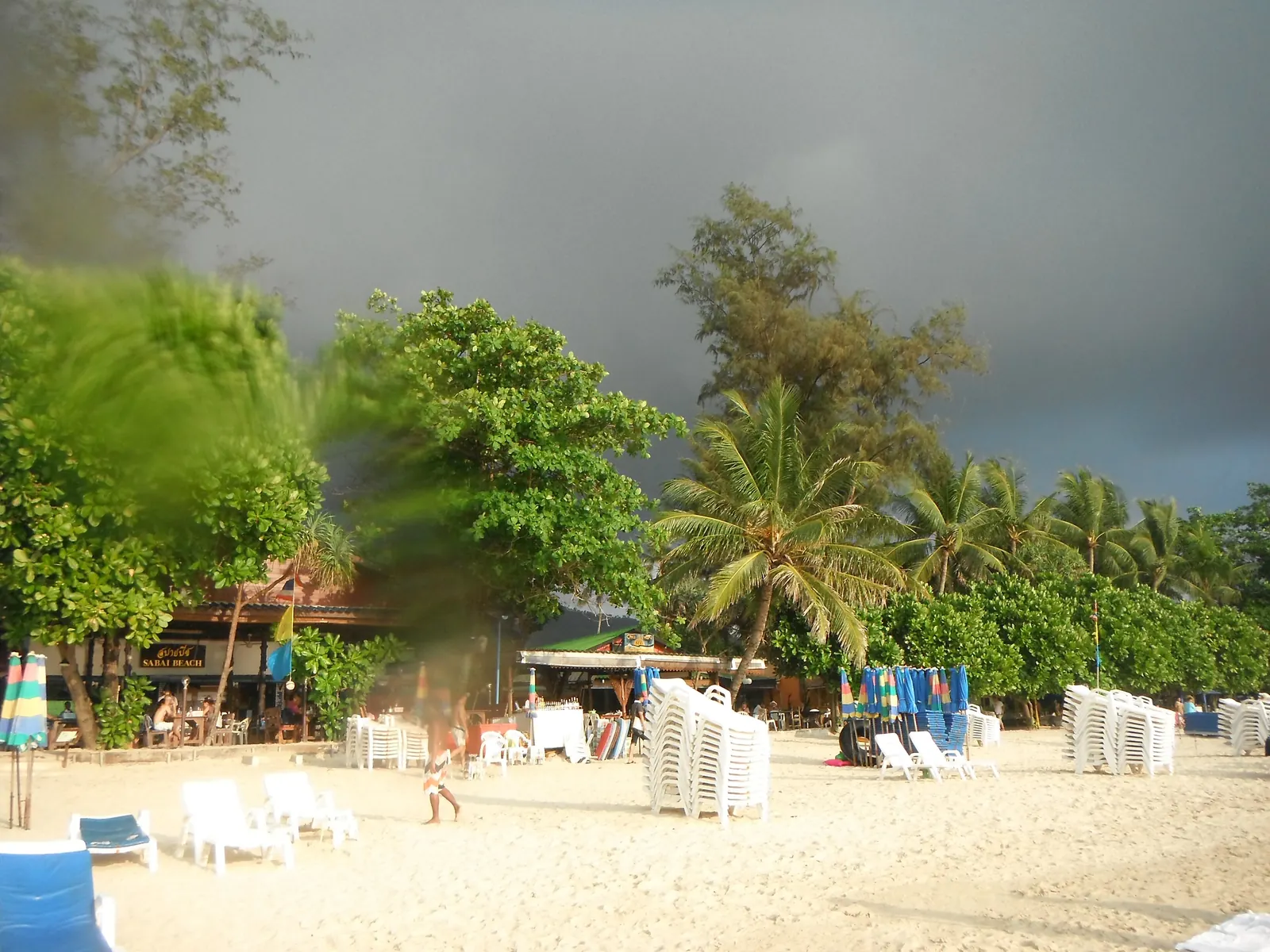
Phuket Rainy Season 2026: What Actually Happens, May to October
Is Phuket worth it in the rainy season? Month-by-month rain and sea, who drowns where, what closes, the 30–50% price…
Thailand in January 2027: Peak Weather, Peak Prices — Worth It?
Is January the best month for Thailand or just the dearest? Weather by coast, when the New Year surcharge ends,…
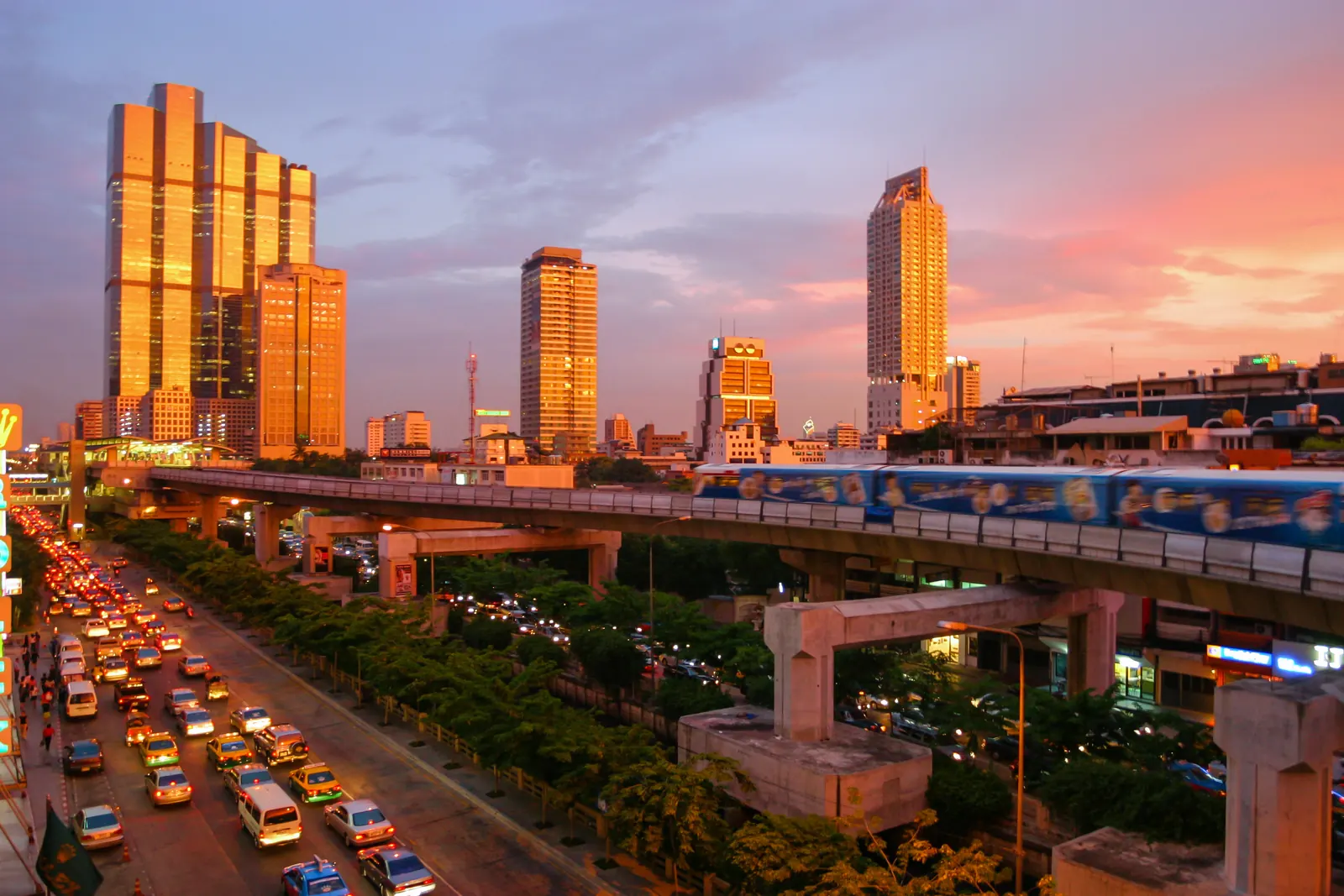
Bangkok BTS & MRT Guide 2026: Fares, Cards, Boats and Verdicts
Which Bangkok train takes a tapped credit card, why the ฿20 flat fare is not for you, and what the…
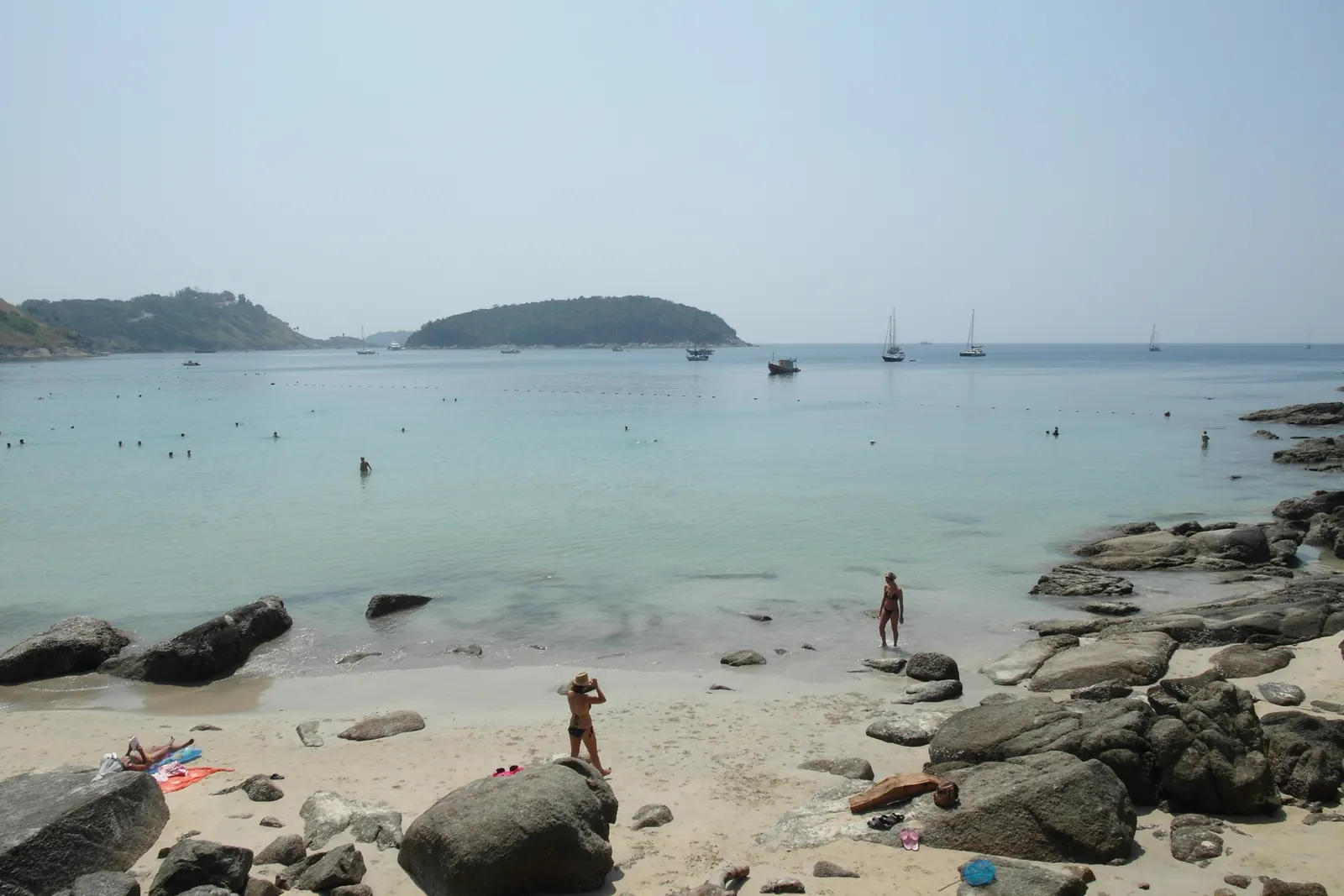
Phuket with Kids 2026: Safe Beaches, Waterparks and What to Skip
Which Phuket beaches are safe for small children, what do Andamanda and the shows cost, and which resorts have a…
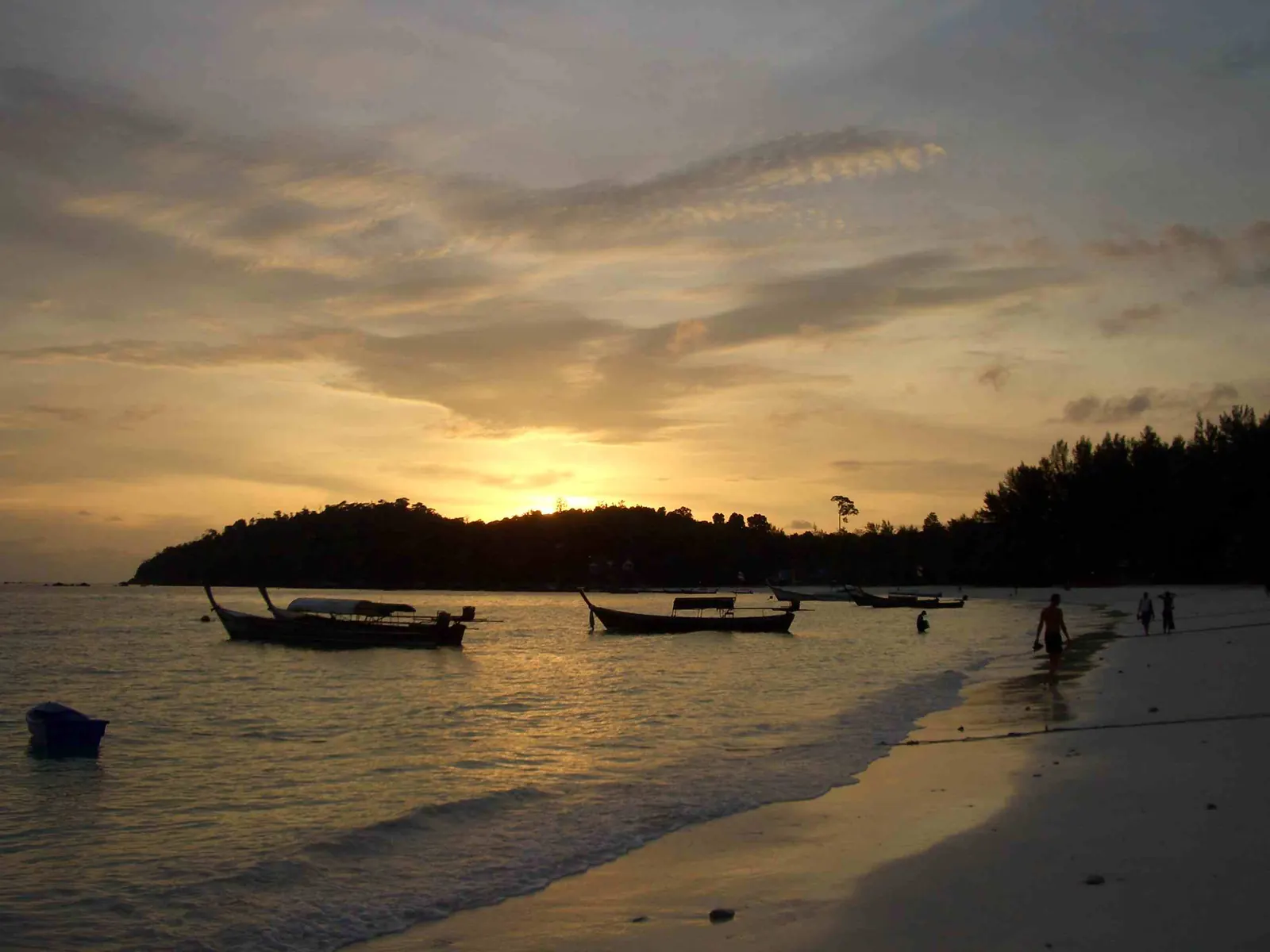
How to Get to Koh Lipe: Every Route Costed (2026–27)
Speedboat from Pakbara, van from Hat Yai, boat from Lanta or ferry from Langkawi? Every route to Koh Lipe costed…
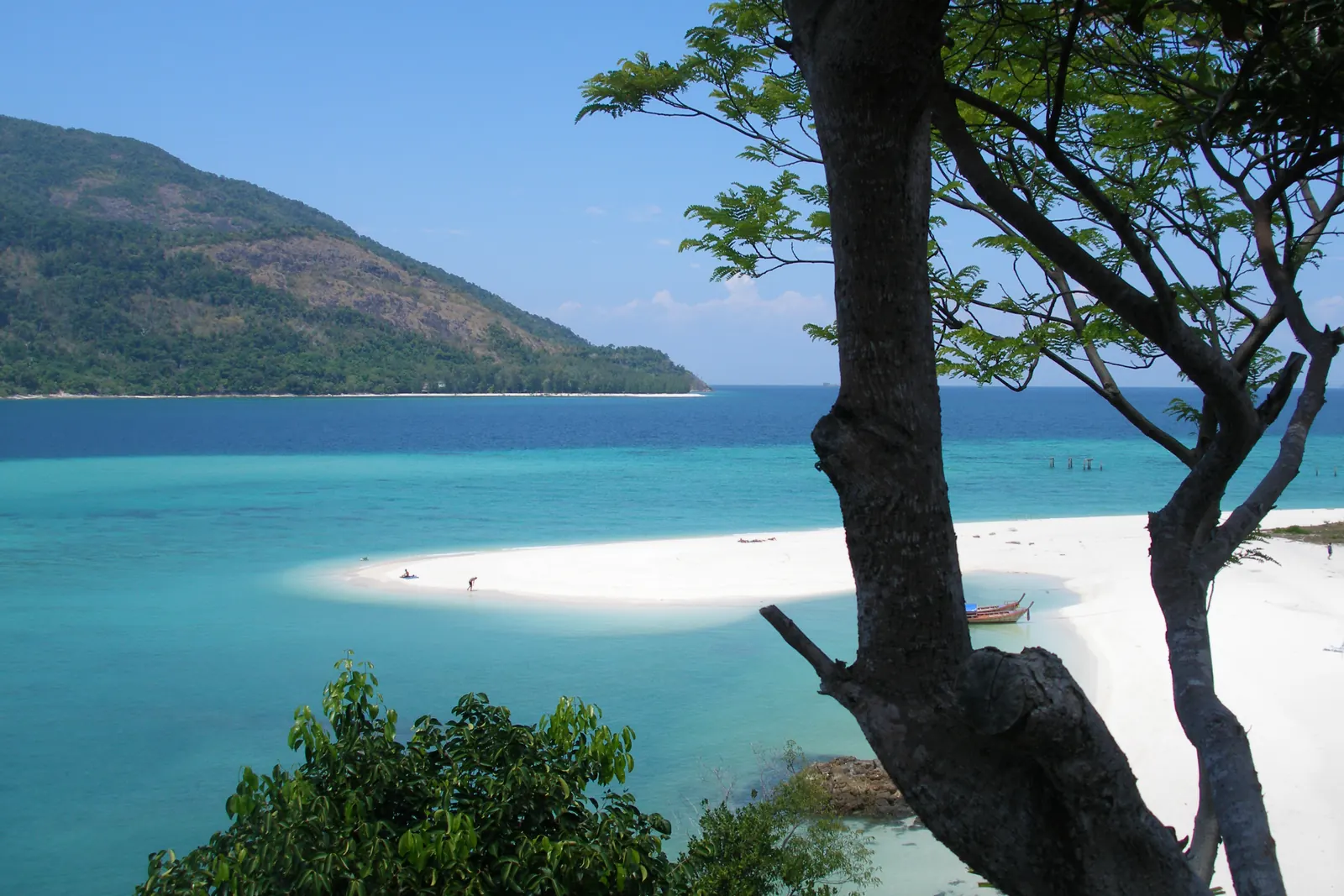
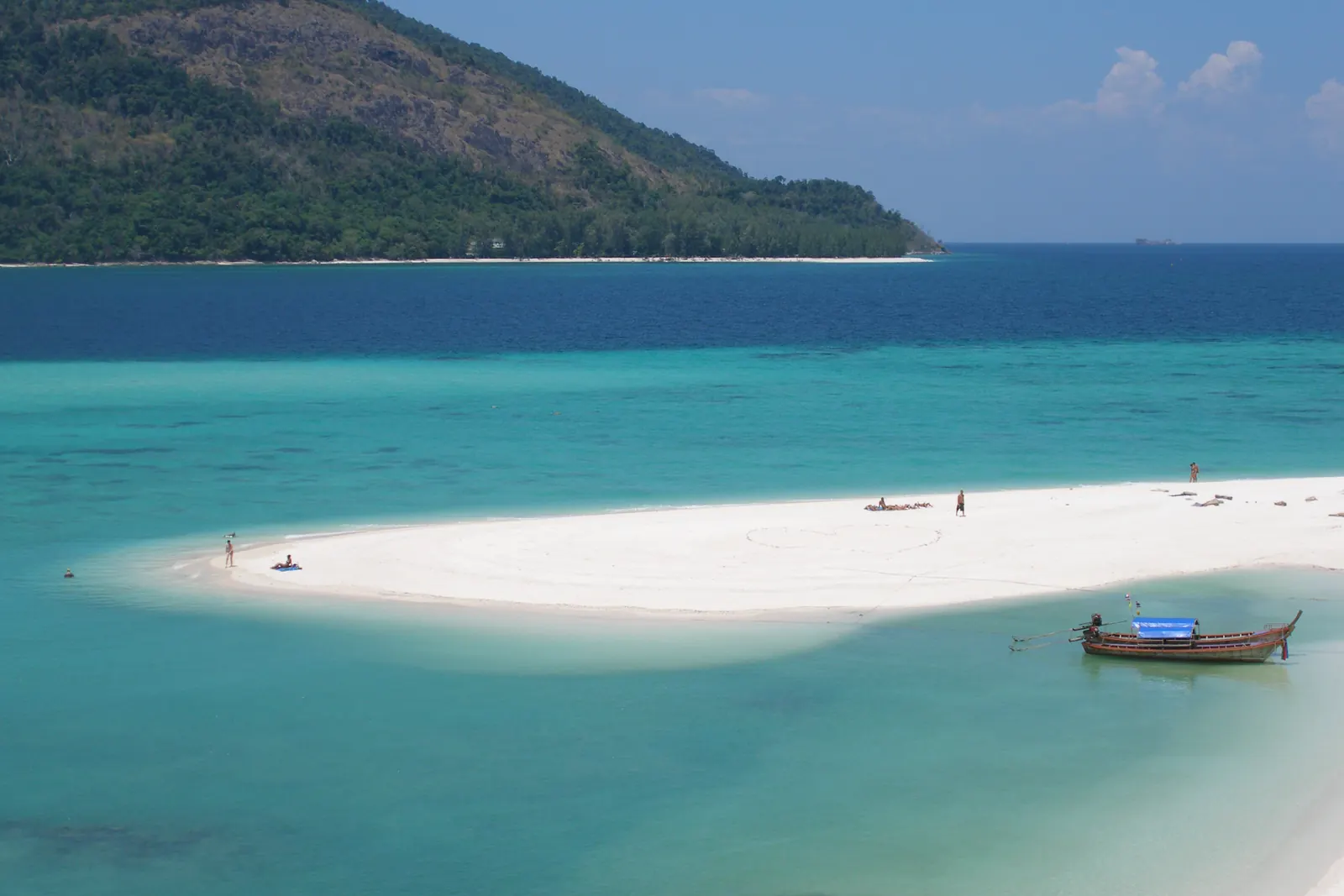
Koh Lipe: Is It Worth the Journey? The Honest Guide (2026–27)
Is Koh Lipe worth the long journey south? Three beaches ranked, the ฿200 park fee, longtail trips, boat seasons, where…
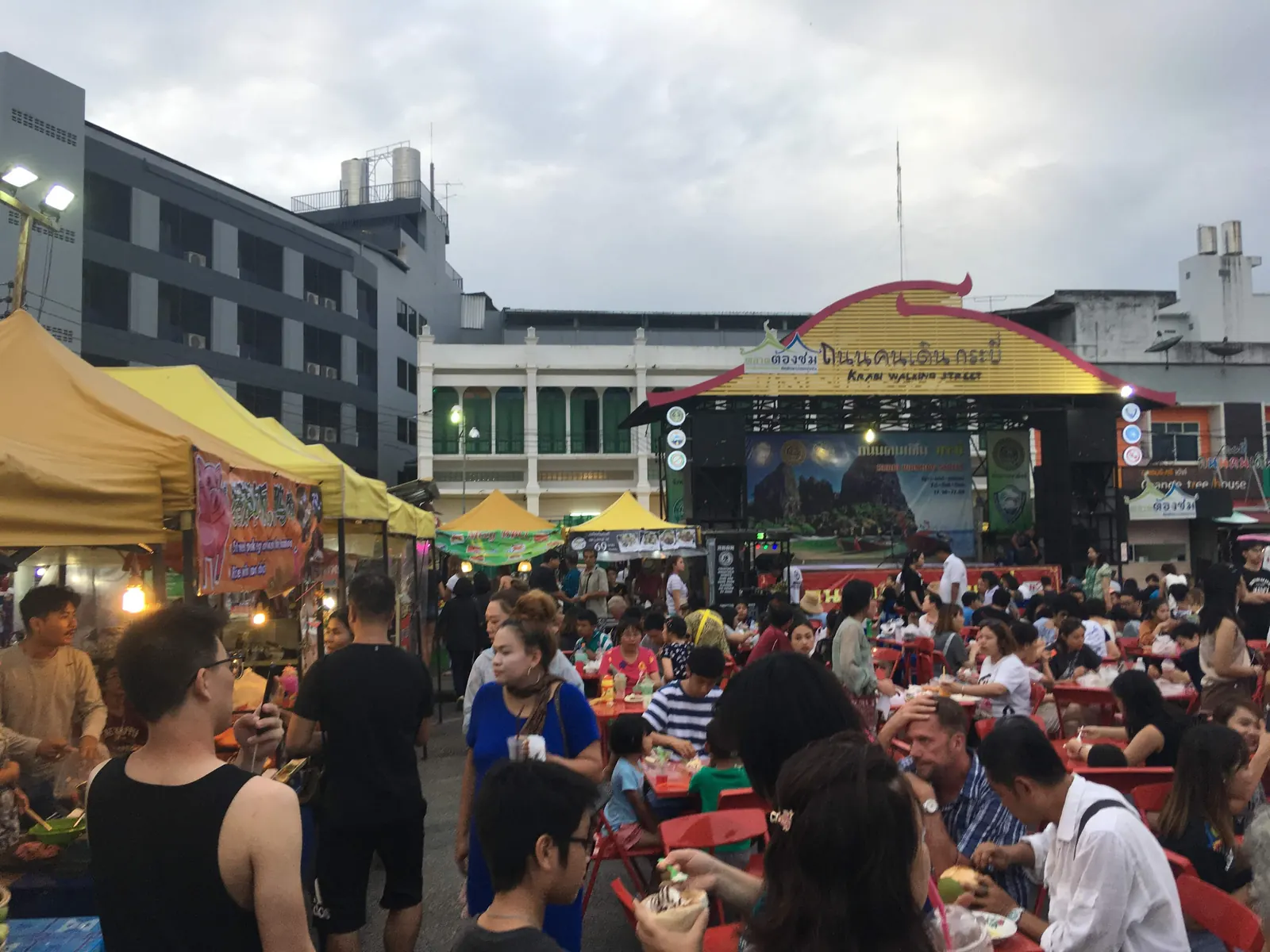
Krabi Night Markets 2026: Walking Street, Chao Fah and Ao Nang
Which Krabi night market is on tonight, and is it worth the ฿60 songthaew from Ao Nang? Days, hours, ฿…

The long version
Planning a Thailand trip: the decisions that actually matter
Thailand is a big country pretending to be a short-haul destination. It is 1,650 kilometres from the Malaysian border to the Mekong, it has two monsoon systems running on different clocks, and the single most common mistake we see is a two-week itinerary built for a country a third of the size.
Pick your coast before you pick your dates
Thailand’s two coasts have opposite weather, which is the most useful fact in this whole section. The Andaman side — Phuket, Krabi, Ko Lanta, Ko Phi Phi, the Similans — is reliably dry and calm from November to April and properly wet from May to October, when some island boats stop and the Similan Islands national park closes entirely. The Gulf side — Ko Samui, Ko Pha Ngan, Ko Tao — runs a different monsoon: its worst months are October to December, and it is often perfectly good in June, July and August when the Andaman is under water.
That is your escape hatch. A July trip is not a bad Thailand trip, it is a Gulf trip. A February trip should be on the Andaman. And the mainland has its own rhythm: cool and dry in the north from November to February, brutally hot everywhere in April, and hazy with agricultural burning across the north in March. Our month-by-month, coast-by-coast guide is the long answer.
How long you actually need
Count bases, not destinations. Every move costs you the better part of a day once you include checkout, transfer, airport or pier time and finding dinner in a new town. As a rule: one week is two bases — Bangkok plus one island, or Chiang Mai plus one. Ten days is comfortably two, ambitiously three. Two weeks is three bases and the first length at which you can do Bangkok, the north and an island without it feeling like a transfer schedule; that is exactly what our two-week itinerary is built around. Three weeks or more and you can add a second island group or a slow provincial run.
If you only want beaches, skip the north and go deep on one coast — seven days island-hopping the Andaman beats a fortnight of half-days. If it is your first trip, resist the urge to add Cambodia or Vietnam onto the end of two weeks.
Getting around: what to fly, what to take a train for
Domestic flying is cheap and takes the pain out of the long north-south hops: AirAsia, Nok Air, Thai Lion and Thai VietJet routinely sell Bangkok–Chiang Mai or Bangkok–Phuket for under 1,500 baht booked a few weeks out, and Bangkok Airways holds the Samui monopoly, which is why that route costs what it costs. Remember that Bangkok has two airports and they are 50 kilometres apart: check whether you are landing at Suvarnabhumi (BKK) or Don Mueang (DMK) before you book a connection.
Overland is better than its reputation. The State Railway’s overnight sleeper to Chiang Mai is a genuinely pleasant way to spend a night and lands you in the middle of town rather than out by an airport — we ranked all four ways to make that trip honestly. For the south, the Bangkok–Surat Thani train plus a ferry is the classic Samui approach, and Bangkok to Phuket compares flying against the long way down. In Bangkok itself, the BTS and MRT beat every taxi in rush hour, and the Chao Phraya boats are the cheapest good view in the city.
Check train, bus and ferry times on 12Go — it aggregates the operators that do not publish English timetables, and it is what we use to sanity-check a route before committing to it.
Where to stay: neighbourhood beats star rating
In Thailand the area decides your trip far more than the property does. A four-star hotel on the wrong side of Bangkok costs you two hours a day in traffic; a guesthouse two minutes from a BTS station does not. Same logic on the islands, where “Phuket” covers everything from Patong’s neon to beaches with three restaurants on them. We have written the honest version for each of the places people actually book: Bangkok area by area, Phuket, Ko Samui and Ko Pha Ngan.
Practical notes: rates on both coasts can double in the high season and over Songkran and New Year, so book those months early and shoulder months late. Check whether an island property is walkable to anything before you fall for the photographs. And read the recent reviews rather than the score — a 8.9 from 2019 tells you nothing about a hotel that changed hands in 2024. Agoda has the deepest Thai domestic inventory, including small provincial places that never appear on the Western booking sites.
The seventy provinces nobody writes about
Thailand has 77 provinces and the tourism industry monetises about seven of them. We have written a guide to every single one, which is the part of this site we are most stubborn about, because the gap between the famous Thailand and the ordinary one is where the trip gets good.
If you want somewhere with no tour buses: Nan is the best-kept province in the country, all murals and mountain roads. Phrae has teak mansions and indigo workshops. Betong, at the literal end of Thailand, wakes up under a sea of fog. Mae Sot is a border town with a Burmese soul and the best market breakfast in the west. Nakhon Phanom owns the prettiest stretch of the Mekong. Chaiyaphum has Siam tulips and a rock field that looks like Stonehenge. None of them need a tour, and all of them are reachable on a bus and a 500-baht room.
Entry rules, money, connectivity and staying safe
Entry. Citizens of a long list of countries currently enter visa-free for up to 60 days, and a reduction to 30 days for many nationalities has been announced but is not in force until it is gazetted — so check before you fly rather than trusting a year-old blog post. Everyone arriving by air now needs the Thailand Digital Arrival Card, a free online form that takes five minutes and causes disproportionate panic. Longer stays have their own routes: the exemption explained, the Destination Thailand Visa (DTV) for remote workers, and extending at immigration once you are here. Our visa tool gives you the answer for your specific passport.
Money. Thailand is still a cash country at street level and increasingly a QR-payment one everywhere else. Foreign cards are charged a fixed ATM fee of around 220 baht per withdrawal on top of whatever your own bank takes, so withdraw large amounts rarely, always decline the machine’s currency conversion, and change cash at a licensed exchange rather than at the airport or your hotel.
Connectivity. A tourist SIM with generous data starts around 300 baht at any airport arrivals hall or 7-Eleven; an eSIM does the same job before you land and skips the queue. Our SIM and eSIM guide compares AIS, True and NT on coverage rather than on marketing, and if you want it sorted before departure, Simbye is our eSIM partner (code DESTTHAI15 takes 15% off).
Safety. Thailand is a low-violence destination where the real risks are mundane: the road, the sea and your own drink. Motorbikes injure more visitors than everything else combined, and hiring one without a licence that covers it voids most travel insurance — which matters, because a private hospital here is excellent and expensive. Is Thailand safe in 2026 is our straight answer, scams included.
What a Thailand trip costs
Rough daily figures, excluding international flights and per person sharing a room. Backpacking: 1,200–1,800 baht a day — hostel or fan room, street food, buses and trains, a beer at a shop. Mid-range: 2,500–4,500 baht — a decent 3-star or good guesthouse, a mix of local and sit-down restaurants, the occasional domestic flight, a couple of paid activities. Comfortable: 6,000 baht and up, at which point the ceiling is whatever Bangkok and Phuket can charge, which is a great deal.
The costs that surprise people are not the daily ones: island transfers, national park entry fees for foreigners (typically 200–500 baht per person per park), diving courses, and the price gap between low and high season on the same room. Activities are worth pre-booking in high season for the popular ones only — GetYourGuide is where we compare day trips, and the rest can wait until you are there and know the weather.
Thailand travel FAQ
When is the best time to visit Thailand?
It depends which coast you want. November to April is the reliable window for the Andaman side — Phuket, Krabi, Ko Lanta — and for cool, dry weather in the north. The Gulf islands, Ko Samui, Ko Pha Ngan and Ko Tao, run on a different monsoon: their wet season is roughly October to December, and June to August is often excellent there while the Andaman is stormy. April is the hottest month everywhere and March brings haze to the north. There is no bad month in Thailand, only a wrong coast for the month you have.
How many days do I need in Thailand?
Ten days is the realistic minimum for a first trip that includes Bangkok and one other region, and two weeks is where it stops feeling rushed. Plan in bases rather than destinations: every relocation eats most of a day. One week gives you two bases, two weeks three, and three weeks lets you add a second island group. If you have a week and want beaches, spend it on one coast rather than crossing the country.
Do I need a visa for Thailand?
Many nationalities currently enter visa-free for up to 60 days as tourists, and a reduction to 30 days for a large group of countries has been announced but does not apply until it is officially published, so confirm close to your travel date. Everyone flying in also needs to complete the free Thailand Digital Arrival Card online before arrival. Longer or working stays use a specific route such as a tourist visa, the Destination Thailand Visa, or an extension at an immigration office. Our visa tool covers 195 passports individually.
Is Thailand expensive?
No, but it has an expensive tier that is easy to fall into. Backpacking costs about 1,200–1,800 baht a day, mid-range travel 2,500–4,500, and comfortable travel 6,000 and up. Street food at 50–70 baht a plate and 500-baht provincial guesthouses sit alongside Bangkok restaurants and Phuket resorts charging European prices. The single biggest lever is season: the same island room can double between May and January.
Bangkok to Chiang Mai: fly, train or bus?
Fly if you value the day — it is 70 minutes and often under 1,500 baht booked ahead, though you lose time to airports at both ends. Take the overnight sleeper train if you want the trip to be part of the holiday: it is comfortable, sociable, saves a night of accommodation and delivers you into the centre of Chiang Mai. Take the bus only if it is cheapest and you sleep well sitting up. We compare all four options, including cost and real door-to-door time, in our Bangkok to Chiang Mai guide.
Is it safe to ride a motorbike in Thailand?
It is the most dangerous thing most visitors do here, and the statistics are not close. If you ride anyway: wear a helmet, ride only if you are licensed for a motorbike at home and carry an international permit, check that your travel insurance actually covers it (most policies exclude unlicensed riding, which turns a broken leg into a six-figure baht bill), photograph the bike before you take it, and never hand over your passport as a deposit. Scooters on quiet islands are a different risk from Bangkok traffic, but the road surface, the rain and the other drivers are not on your side in either.
Some links on this page are affiliate links. They cost you nothing, we only use partners we book with ourselves, and they keep this site independent. Full disclosure.