Every night, somewhere over the Gulf, a plane-load of first-timers is quietly googling “is Thailand safe” between the drinks trolley and the descent. I was born in Bangkok and have spent a lifetime here not being murdered, so let me save you the scrolling: the question has a straight answer, it is just not the one the mythology suggests. The mythology frets about gem scams and something vague involving buckets. The actuarial tables fret about a rented Honda Click doing 60 through Phuket drizzle, ridden by a man in board shorts who has never ridden anything. Numbers first, comfort second.
The straight answer: yes — Thailand is safe for the overwhelming majority of the tens of millions who visit each year. Violent crime against tourists is rare. What actually puts visitors in hospital is the roads (above all rented scooters), drink-fuelled misjudgement, and the sea in monsoon season. Add a working scam radar and skip three specific border provinces in the far south, and your dominant risks become sunburn and overconfidence on two wheels.
Is Thailand safe to ride a scooter?
Here is the number that should reorganise your worrying. The WHO’s latest estimates put Thailand’s road deaths at around 18,000 a year — call it 50 a day — a rate of 25.4 per 100,000, the worst in Southeast Asia. Roughly three-quarters of the dead were on motorbikes, which makes this, per head, about the deadliest country on Earth in which to ride one. Thai media runs a body count over the “seven dangerous days” around New Year and Songkran the way other countries run weather forecasts. Every other risk on this page is a footnote to that paragraph.
The tourist version goes like this. You land on Phuket or Koh Samui, and a smiling shop rents you a 125cc scooter for a couple of hundred baht a day, licence unchecked, helmet optional in practice. You have never ridden one. The corners have sand on them, the rain arrives horizontally at 4pm, and everyone around you has ridden since they were nine. Island emergency rooms are furnished on this business model.
If you ride anyway: helmet clipped shut, long trousers, zero alcohol, and a licence that genuinely covers motorbikes — without one, most insurers will not pay a satang when it goes wrong. Better still, refuse to cover distance on two wheels at all. Trains, buses and cheap flights exist — our Bangkok to Phuket transport guide runs the options — Grab works in every tourist town, and songthaews cost pennies. In Thailand the scooter is a choice, not a necessity.
Is Thailand safe from scams?
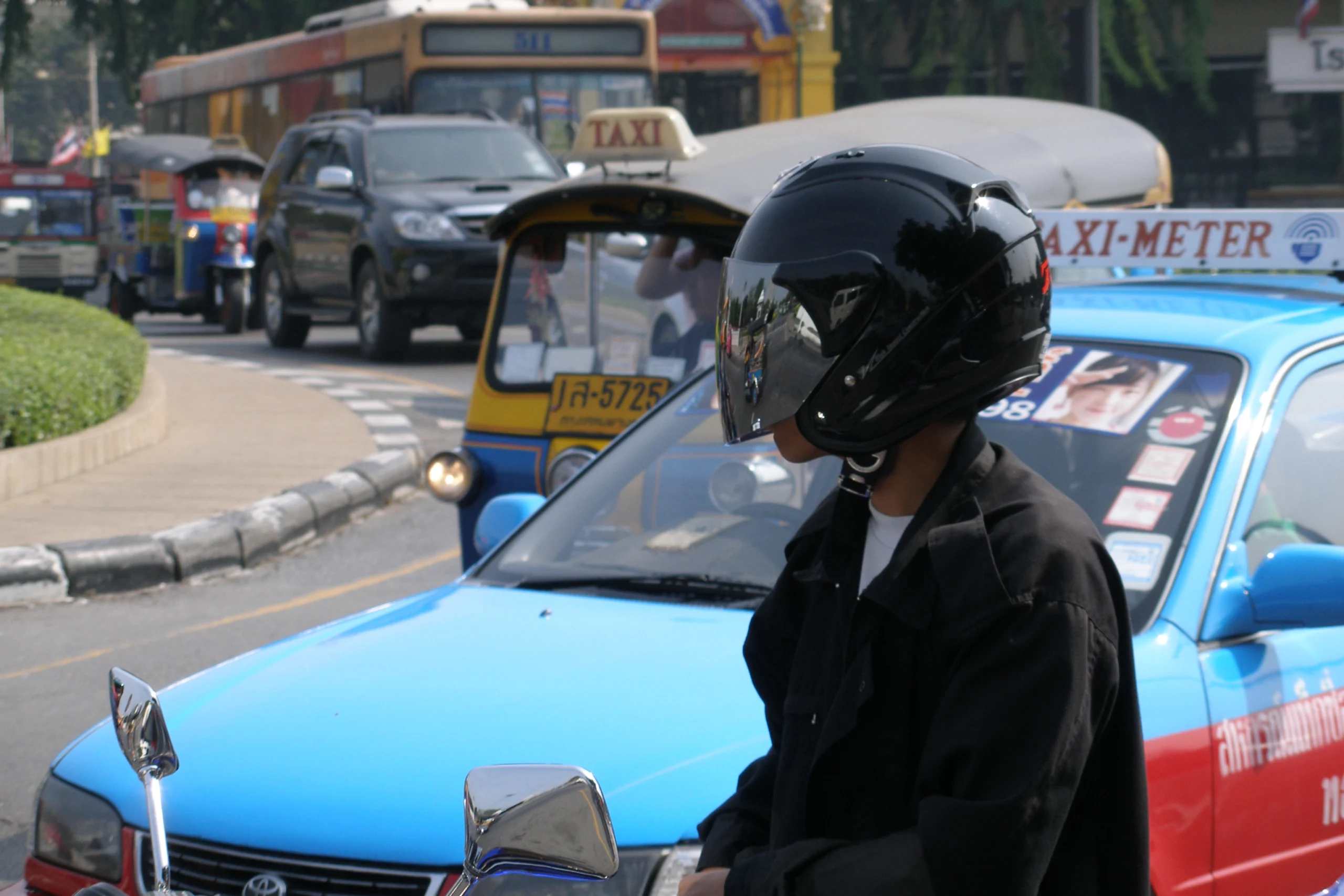
Mostly — scams here cost money and pride, not blood, and the greatest hits have not changed in twenty years. The Grand Palace is never “closed for a Buddhist holiday”, whatever the helpful man near the gate claims; he is the warm-up act for a tuk-tuk ride ending at a gem shop, where you will be offered wholesale sapphires worth roughly what you would pay for a Fanta. Nobody on Earth sells strangers discount gems. Repeat it until it sticks.
The jet-ski routine in Pattaya and Phuket is nastier: you return the machine, a scratch has materialised, and a large gentleman wants tens of thousands of baht. Film every centimetre before touching one, or simply give jet-skis a miss. Taxi drivers who refuse the meter are not so much criminals as unpaid recruiters for Grab — use the app and move on. And any bar a friendly stranger is very keen to walk you to will end in a bill you need to sit down to read.
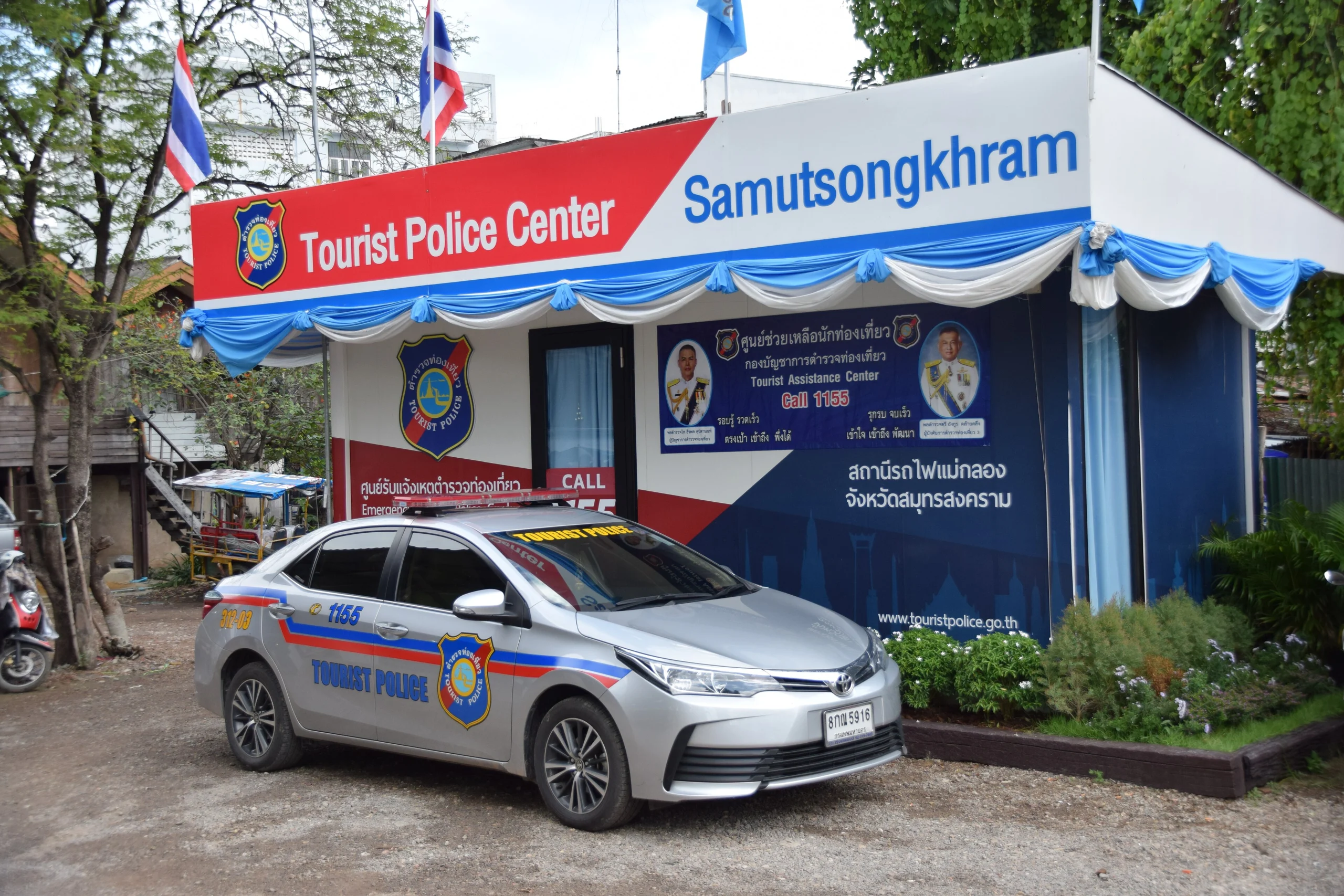
When something does go wrong, Thailand keeps an entire police division for you. The tourist police answer 1155 around the clock, in English, and exist precisely for this; details live at touristpolice.go.th.
Is Thailand safe at night?
Calmer than its reputation. Bangkok’s tourist districts at 2am are less menacing than a British high street at closing time, and most late-night disasters here are self-inflicted. The rules are boring and they work. Keep your drink in your hand and your eyes on it — spiking is rare but real, mostly orbiting the full-moon-party circuit. Treat the shared bucket as what it is: apparatus for drinking more Sangsom than anyone intended. Buy spirits sealed, from proper bars or 7-Eleven, because bootleg alcohol in this region occasionally carries methanol, and methanol does not forgive. And hotel balconies plus lao khao have produced their own grim genre of headline — sit down, drink your beer, stay off the railing.
Two legal tripwires catch people after dark. Vapes are banned from sale and import, with real fines attached — our vaping in Thailand guide has the detail. And the cannabis free-for-all is over: since the rules flipped in mid-2025, buying legally requires a prescription, and dispensaries have been closing ever since. The current state of play is in our 2026 travel rules rundown.
Is Thailand safe for solo female travellers?
Written straight, no hand-wringing: yes. Solo women are a huge share of Thailand’s visitors, and most who have travelled widely will tell you street harassment is rarer here than in much of Europe or the Americas — catcalling barely exists, and Thai social culture treats public confrontation as deeply embarrassing. The playbook is short. Take Grab rather than a flagged cab late at night, book a female dorm if you want one — nearly every hostel has them — share your live location when moving between towns, and apply the drink rules above with extra weight.
Two specifics worth having. Guesthouse owners here look out for lone guests in a way chain hotels never manage, and Chiang Mai, Pai and the islands are the easiest places in Asia to find company on the road if you want it. The genuine hazards for women are the same as for men — a rented scooter and a fourth bucket. Trust the judgement of the thousands of women already travelling here over a terrified forum thread written by someone who never left their sofa.
Is Thailand safe in the deep south?
One region deserves an actual caveat rather than common sense. Pattani, Yala and Narathiwat, three provinces on the Malaysian border, have carried a low-level separatist insurgency since 2004. Attacks mostly target security forces and state infrastructure rather than visitors, but they are regular, and the UK’s FCDO currently advises against all but essential travel to all three provinces and the Hat Yai–Padang Besar railway line threading through them. That advisory has teeth: travel against it and most insurance stops covering you. As of August 2026 there is also an advisory strip within 20km of parts of the Cambodian border, a hangover from 2025’s clashes — check the current line before any border-adjacent plans.
What this does not mean is that “the south” is dangerous — Phuket, Krabi and Koh Lipe sit hundreds of kilometres from any of it. Nor is the deep south a war zone: Betong, deep in Yala, feeds a steady stream of Malaysian tourists its famous chicken. If the region genuinely interests you, start with our Pattani guide and our Betong guide — nuance, not hysteria.
Is Thailand safe health-wise? Hospitals, water and mosquitoes
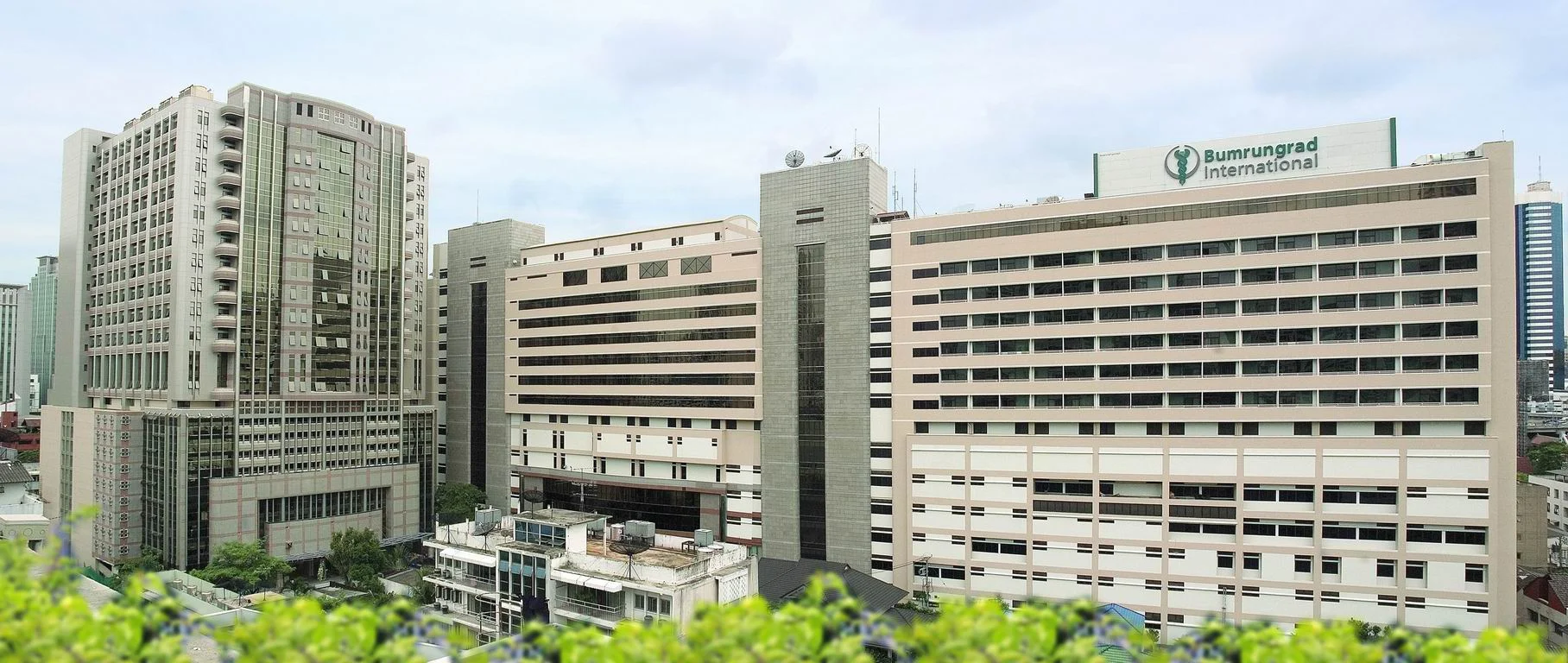
If something goes wrong anyway, you are in one of the better countries on Earth for it to happen. Bangkok’s private hospitals — Bumrungrad, Samitivej, Bangkok Hospital — are good enough that Europeans fly in for surgery on purpose, and every tourist province keeps a serviceable private option. The catch is the bill: excellent care at private prices, settled before discharge, and a serious scooter crash without cover can cost more than your whole trip several times over.
The everyday stuff is easily managed. Do not drink the tap water — nobody here does — though the ice is factory-made and fine and brushing your teeth is harmless. Busy street stalls with fast turnover are kinder to your stomach than a quiet hotel buffet. Wear repellent at dawn and dusk, especially in the rainy season, because dengue is real and truly miserable. Respect red flags on beaches: rip currents drown people quietly every monsoon, and our month-by-month guide shows when the seas turn. Divers are well served — the industry is properly drilled, and our Koh Tao diving guide covers picking a school that takes safety seriously.
On insurance, the honest paragraph: buy it, and read the motorbike clause twice. I have no policy to sell you and no link to push — only the observation, formed by years of GoFundMe appeals for uninsured visitors in intensive care, that cover costing roughly one 7-Eleven beer a day is the cheapest thing in your bag. Most policies cover motorbikes only if you hold a licence valid for one; that detail voids more claims than any other.
How to stay safe in Thailand: numbers and kit
Save these before you board:
- 1155 — tourist police, 24 hours, English spoken; TAT’s rundown covers what they handle.
- 1669 — ambulance and medical emergencies, nationwide.
- 191 — police (Thai-speaking).
- 199 — fire.
Then the kit. A phone that works from the moment you land is the most underrated safety tool in the country: it is Grab instead of a chancer’s taxi, a map instead of a guess, and 1669 instead of shouting. Sort an eSIM before you fly — Simbye’s Thailand plans switch on when the wheels touch (code DESTTHAI15 takes 15% off) — or compare every option, airport counters included, in our SIM and eSIM guide. Fill in the digital arrival card before departure, and check your entry position with our visa tool, because the likeliest way to have a genuinely bad time here is a paperwork problem, not a criminal one. Finally, photograph your passport, leave the original in the safe, and carry the photo. That is the whole kit.
Some links in this guide earn us a small commission at no extra cost to you — it is how the site stays independent. Full disclosure.
Overpaying is the most common tourist “danger” of all. The Thailand Price Index tracks 58 real prices across the country — what is fair, what is official, and what tourists get quoted — checked and dated.
Is Thailand safe? FAQ, answered straight
Is Thailand safe for solo female travellers?
Yes. Solo women make up a large share of visitors, street harassment is rarer than in most of Europe, and violent crime against travellers is uncommon. Use Grab at night, keep hold of your drink, and book female dorms where you want the company.
Is Bangkok safe at night?
In central and tourist districts, yes — apply normal big-city sense. Keep your bag zipped in crowded markets and on the BTS, and you have covered most of it. Your most realistic late-night hazard is traffic, so cross roads deliberately and assume nothing will stop for you.
Can you drink the tap water in Thailand?
No — and locals do not either. Bottled and filtered water is everywhere and costs next to nothing, restaurant ice is made in factories rather than scooped from a canal, and brushing your teeth with tap water will do you no harm.
Is it safe to visit Pattani, Yala and Narathiwat?
The FCDO advises against all but essential travel to all three provinces and the Hat Yai–Padang Besar rail line, and ignoring that advice usually voids travel insurance. The story is more layered than the headlines — our Pattani and Betong guides give the ground-level view.
What are Thailand’s emergency numbers?
1155 reaches the English-speaking tourist police, 1669 an ambulance, 191 the police and 199 the fire brigade. All work nationwide from any phone with signal — one more reason to sort your SIM before you land.