Every cool season, some brochure recycles the claim that Thailand is a year-round destination, and every monsoon, somebody who believed it sits in a Krabi guesthouse watching a third straight longtail trip get cancelled. So let me be straight with you about the best time to visit Thailand: there is no single answer, because there is no single Thailand. There are two coastlines running on opposite rain schedules, a north that spends part of spring under a blanket of smoke, and an April so hot the whole country declares a water fight. I have lived through more of these cycles than I care to count, and the pattern is entirely predictable once someone lays it out properly. That is the job of the next two thousand words.
The short answer: November to February is the best time to visit Thailand for most trips — dry, sunny and as cool as this country ever gets, from Bangkok to Chiang Mai to the Andaman beaches. March to May is ferociously hot, June to October is the wet, cheap green season, and the Gulf islands — Samui, Phangan, Tao — run backwards: driest from roughly February to August, wettest in October and November.
When is the best time to visit Thailand for beach weather? November to February
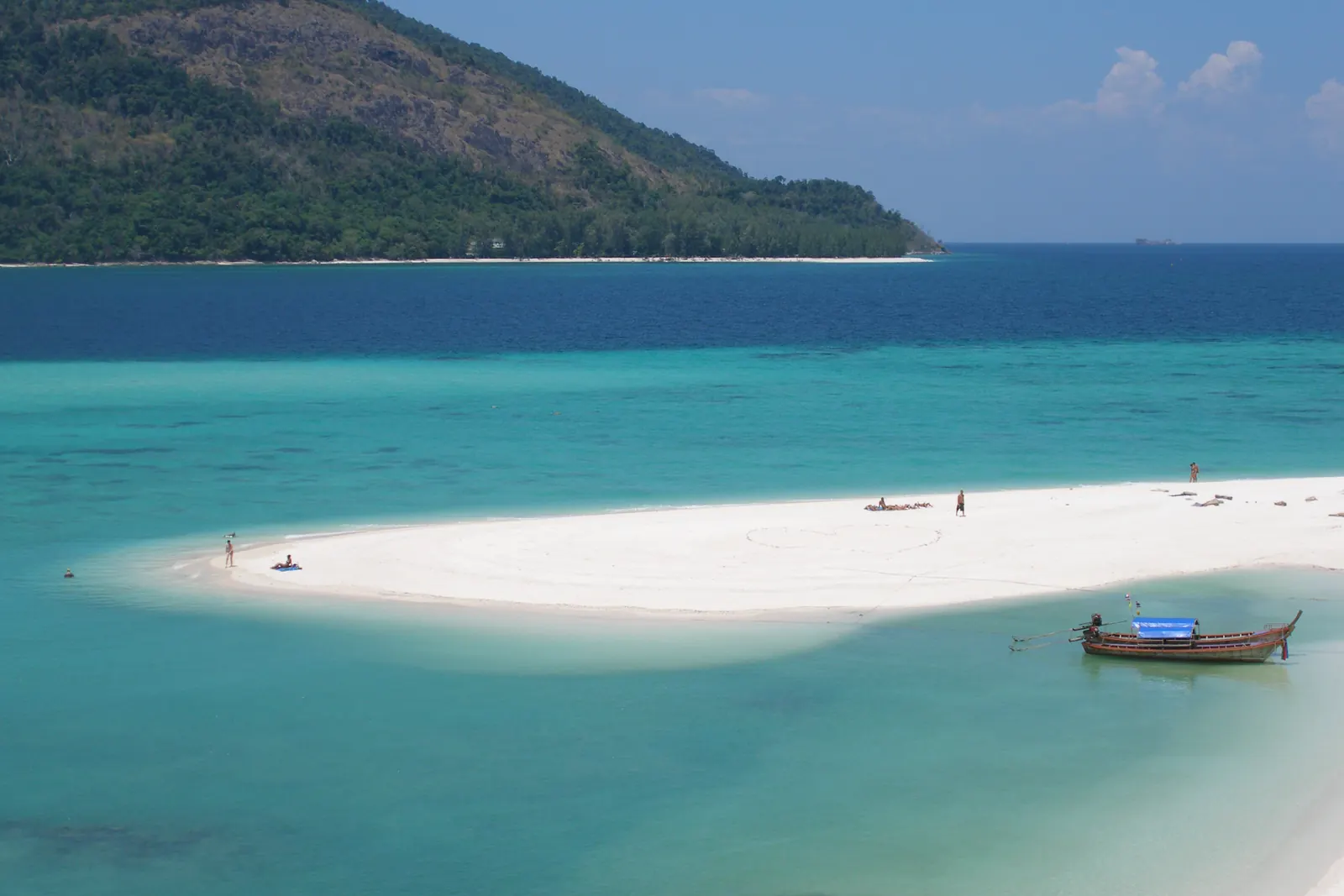
The cool season, November through late February, is the Thailand the brochures photograph. The northeast monsoon dries the air out, Bangkok settles at a civilised 31 or 32°C, and Chiang Mai mornings can slide under 15°C — locals in puffer jackets, tourists in vests, everyone happy. On the Andaman side the sea turns flat and glassy: Phuket, Krabi, Phi Phi and Lanta get their calmest water and best visibility of the year, and every boat on our seven-day Andaman coast itinerary actually departs on schedule. The north is in top form too, with clear skies over the doi viewpoints and mornings cold enough at altitude to justify the hot-spring stops.
The catch: several million other people have read the same forecast. Mid-December to mid-January is peak season proper — beach clubs rammed, taxi drivers smug, room rates at their annual maximum. If Christmas or New Year is your only window, book two or three months out and compare hard, because Phuket hotel prices in high season are the least forgiving in the country and the good mid-range places sell through first. Smarter money travels in late November or from mid-January: identical weather, fewer elbows, gentler rates.

When is the worst time to visit Thailand? April heat and the northern burning season
April. It is the spine of the hot season, with Bangkok and the central plains stuck in the high 30s and a heat index that wanders past 40°C by lunchtime. Sightseeing becomes something you do in ten-minute bursts between air-conditioned refuges, and anyone who booked a temple-heavy itinerary quietly rewrites it around cafés. The redemption is Songkran, Thai New Year, pinned to 13–15 April: three official days of nationwide water warfare that make the temperature suddenly seem like good planning. Chiang Mai keeps the fight running closer to a week around the old moat.
The north carries a second, far less charming problem: burning season. From late February to mid-April, agricultural and forest fires across the region push air quality into genuinely unhealthy territory — monitoring studies attribute most of Chiang Mai’s seasonal PM2.5 to biomass smoke rather than traffic — and March is usually the worst of it. The mountains trap the haze in the valleys, the famous viewpoints disappear into grey, and anyone with asthma or small children should simply point the trip south. The first proper rains scrub the sky clean by May. If you do come in April, claim the consolation prize: the finest mangoes of the year, as our Thai fruit seasons calendar will confirm.

Best time to visit Thailand on a budget: the green season, May to October
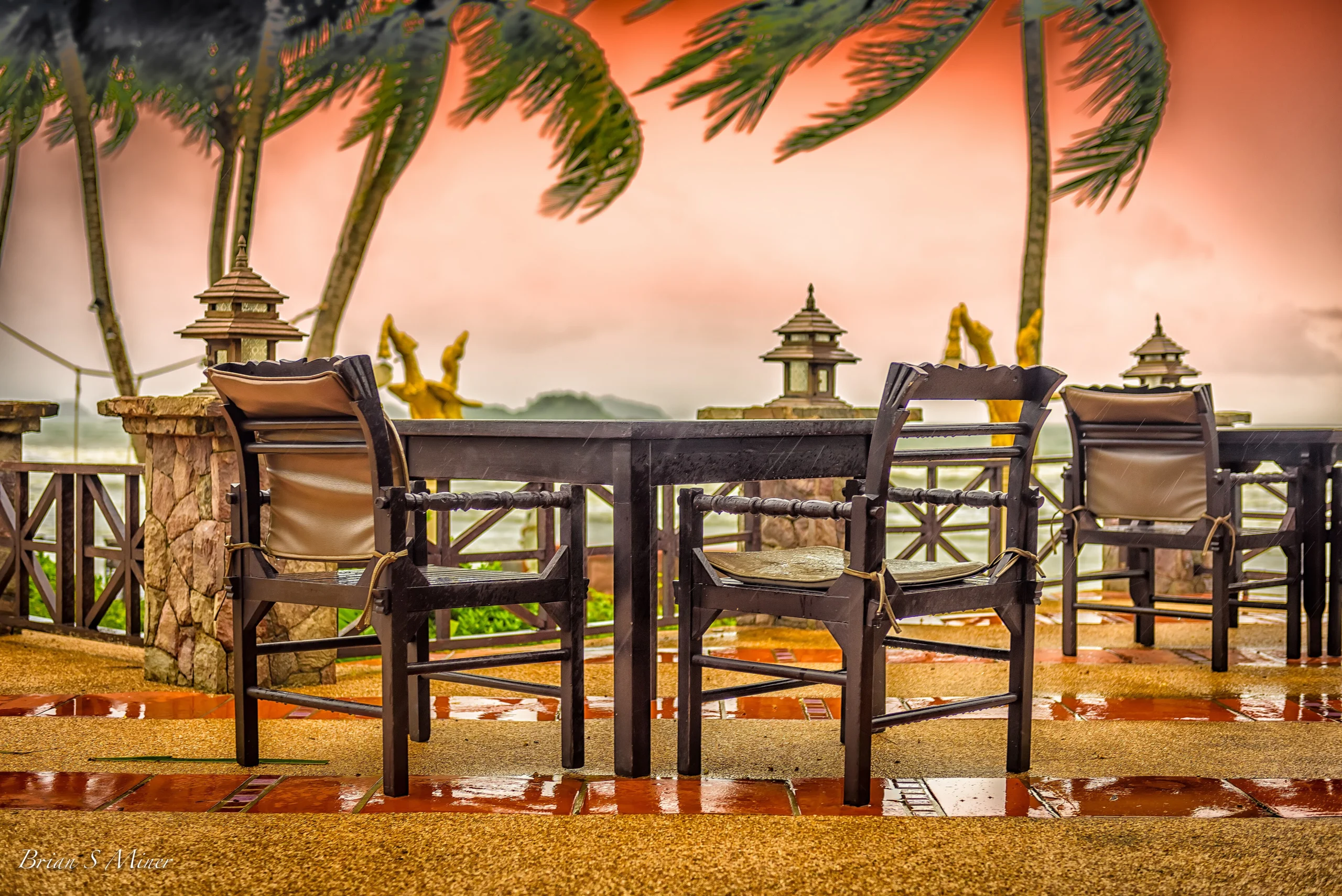
The southwest monsoon turns up around mid-May and lingers into October, and this is where tourist mythology does real financial damage. Green-season rain rarely means British-style all-day drizzle. The standard issue is a hot, bright morning, one theatrical hour of rain in the late afternoon, then a rinsed, cooler evening that smells of wet earth. Waterfalls actually contain water, the rice country turns a green that looks colour-graded, and room rates fall hard — expect around 30 to 50 per cent off peak pricing, with September the floor of the market.
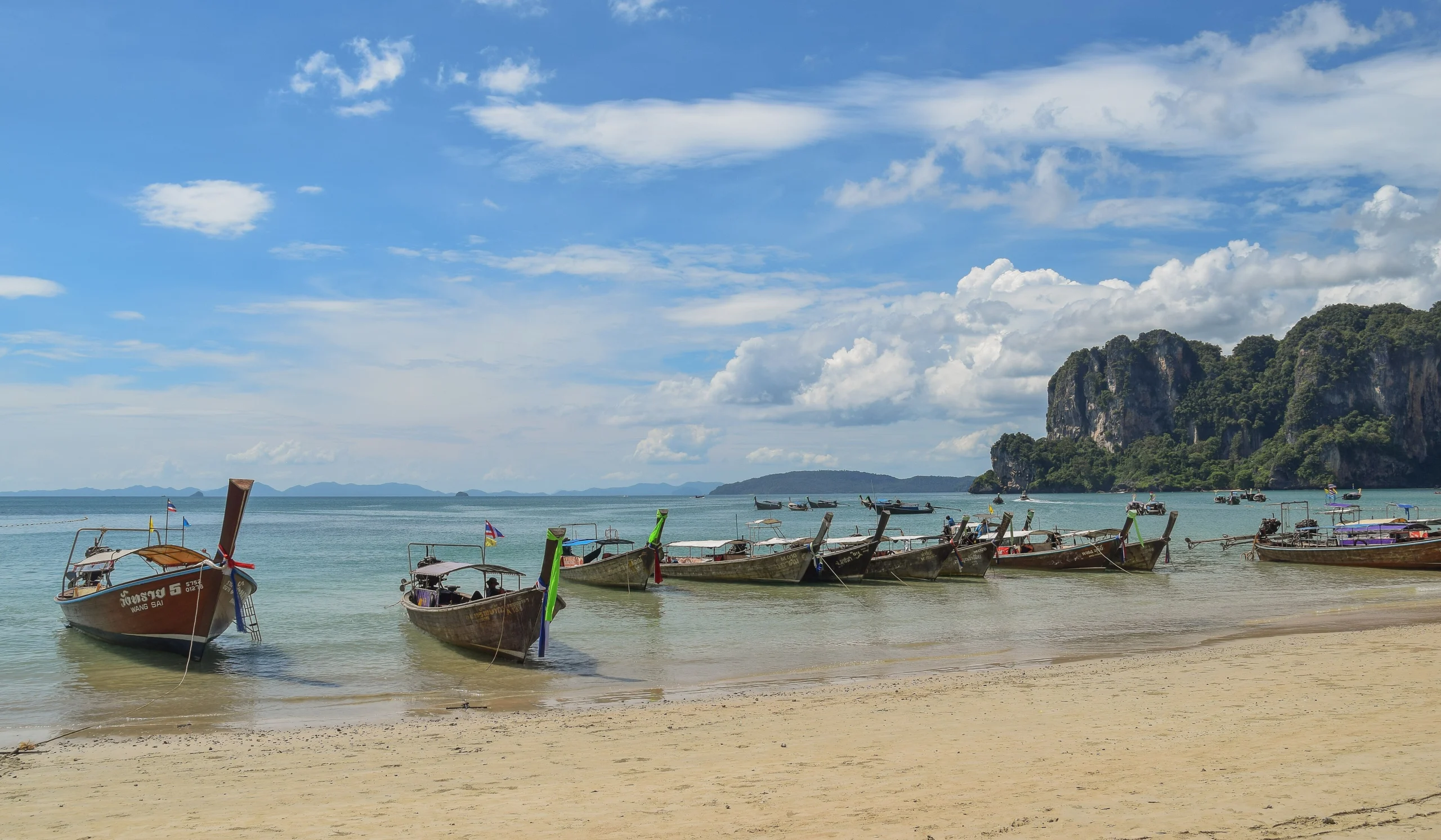
The honest trade-offs sit on the Andaman side: rougher seas, cancelled island boats, and marine national parks — the Similans among them — that close entirely, typically from mid-May to mid-October. The workaround is the other coast. While Phuket is getting hosed in July and August, the islands off Surat Thani are usually enjoying their driest stretch of the year, which is why Samui stays in the July-to-September window are the best weather-to-price trade in the country. Prefer sand without a ferry? Hua Hin sits in a rain shadow and stays drier than almost any other Thai coast, which makes a Hua Hin weekend the green season’s safest bet.
Best time to visit Thailand’s islands: two coasts, two calendars
Here is the most useful fact in this guide, and the one most “best time” articles blur into uselessness: Thailand’s islands hang off two coasts with near-opposite rain calendars, so there is barely a month in the year without a dry beach somewhere. You just have to pick the correct sea.
The Andaman coast — Phuket, Krabi, Phi Phi, Lanta — runs dry and glorious from November to April, wet and moody from May to October. The Gulf coast — Samui, Phangan, Tao — takes its heaviest soaking from October to December, stays comparatively dry from June to September, and shares the lovely first quarter of the year. February is the overlap: both coasts calm at once, dive visibility at its annual best, ferries running like clockwork. If I could hand you a single month for Thai islands, February is it. The month to avoid is coast-specific — October on the Andaman is merely damp and cancellation-prone, but November on Samui is historically the island’s wettest month, the sort of rain that rearranges roads.
Best time to visit Thailand for festivals: Songkran, Loy Krathong and Yi Peng
Two festivals justify building an entire trip around them. Songkran, 13–15 April, is the world’s biggest water fight wrapped around a genuinely tender new-year tradition of temple visits and blessings for elders — anarchic on Bangkok’s Silom Road, more traditional and longer-lasting in Chiang Mai. Loy Krathong follows the full moon of the twelfth Thai lunar month, which lands in the 24–25 November window in 2026, when the whole country floats candlelit krathong onto its rivers and ponds. In Chiang Mai it fuses with Yi Peng, the Lanna lantern festival, and thousands of paper lanterns lift off until the sky itself appears to be migrating. It is the single best thing I have watched in my own country, and I am clearly not alone, because Chiang Mai rooms around Yi Peng sell out months in advance — book the moment your dates firm up. Lunar dates drift each year, so confirm against TAT’s official events calendar before buying flights.
Best time to visit Thailand month by month
The whole year in one honest table, for people who plan properly.
| Month | What is happening | Verdict |
|---|---|---|
| January | Dry, cool-ish, calm seas everywhere | Superb. Peak crowds, so book ahead |
| February | Driest month; both coasts behave | The best island month of the year |
| March | Heat building; smoke thickening up north | Beaches yes, Chiang Mai no |
| April | Hottest month; Songkran on 13–15 | Come for the water fight or wait |
| May | Monsoon arrives; prices dive | Great value, greener by the week |
| June | Showery afternoons, quiet beaches | Underrated. Gulf islands strong |
| July | Gulf dry window opens properly | Samui, Phangan and Tao |
| August | Similar, with a school-holiday mini-peak | Gulf again; book Samui earlier |
| September | Wettest month across most of the country | Cheapest month. Cities, spas, Hua Hin |
| October | Rain easing north and centre; Gulf worsening | The north turns lush and lovely |
| November | Andaman reopens; Loy Krathong; Samui at its wettest | Everywhere except the Gulf islands |
| December | Peak season, peak prices | Glorious. Book by September or overpay |
Planning around Thailand’s seasons: practical notes
Season-driven admin, in order of how often people get it wrong. Accommodation: for December and January, book two or three months ahead — longer for Christmas week, Songkran and Yi Peng, when domestic travellers are competing with you and the overnight trains and cheap flights vanish first. Weather sources: ignore any app that shows a rain icon for ninety consecutive days; the Thai Meteorological Department publishes the real forecasts and the official monsoon declarations. Paperwork: most nationalities arrive visa-exempt as of August 2026, but the rules have been shifting, so run your passport through our Thailand visa guide before assuming anything. And pack for the season you actually chose: a proper rain shell from May to October, warm layers for northern mornings in December and January, and serious sunscreen all twelve months.
Some links in this guide earn us a small commission at no extra cost to you — it is how the site stays independent. Full disclosure.
Once you have picked your month, pick your place: Our Where to Go in Thailand matcher scores all 77 provinces against your month, your crowd tolerance and what you actually want from the trip — honest ratings included.
Best time to visit Thailand: your questions, answered
What is the cheapest month to visit Thailand?
September, almost every year. It is the wettest month for Bangkok, the north and the Andaman coast, so demand collapses and hotels discount hardest — flights follow the same curve. If your priorities are budget first and sunshine second, aim September at cities, spa towns or the comparatively dry Gulf islands and you will travel embarrassingly cheaply.
What is the worst month to visit Thailand?
There is no single national answer, which is rather the point of this guide. For Chiang Mai and the north it is late March, when burning-season smoke peaks. For Samui and the Gulf islands it is November, historically their wettest month. For anyone allergic to 40°C, it is April. Pick your destination first, then dodge its specific bad month — the country as a whole never closes.
Is Thailand worth visiting in the rainy season?
Yes, and I will die on this hill. Green-season rain mostly arrives as one loud hour in the afternoon rather than a lost day, and mornings are frequently clear. You get full waterfalls, empty temples and heavy discounts on rooms. The honest caveats: Andaman boat trips get cancelled when the swell is up, and marine parks such as the Similans shut from roughly mid-May to mid-October.
Which month is best for Thailand’s islands?
February. It is the driest month nationally, both coasts are calm at the same time, and dive visibility is at its annual best. If you can only travel in the European summer, switch coasts rather than months: July and August on Samui, Phangan and Tao are far more reliable than the same weeks on Phuket or Krabi.
When is burning season in northern Thailand?
Typically late February to mid-April, with March the worst month for air quality in Chiang Mai, Chiang Rai and Mae Hong Son. Severity varies year to year with weather and fire policy, so check a live AQI reading before booking a March trip north. The first proper rains, usually late April into May, clear it out.