Southern · Thailand
Surat Thani · สุราษฎร์ธานี
Koh Samui, Koh Pha Ngan full moon, Koh Tao diving, Khao Sok jungle.
- Region
- Southern
- Population
- 1,065,000
- Area
- 12,892 km²
- Stories filed
- 13
About Surat Thani
History
Surat Thani occupies what was once the heartland of the Srivijaya empire, a Buddhist maritime state that controlled the Malay peninsula and Java trade routes from its base at Chaiya from the eighth to the thirteenth centuries. The exquisite Srivijaya-era bronze bodhisattvas found at Chaiya — among the finest Buddhist bronzes in Southeast Asia — are now divided between the Chaiya National Museum and the National Museum in Bangkok. The province also gave rise to the Dhammayut forest-monastic lineage; several of the twentieth century's most revered Thai meditation masters trained in its forests.
Landscape & geography
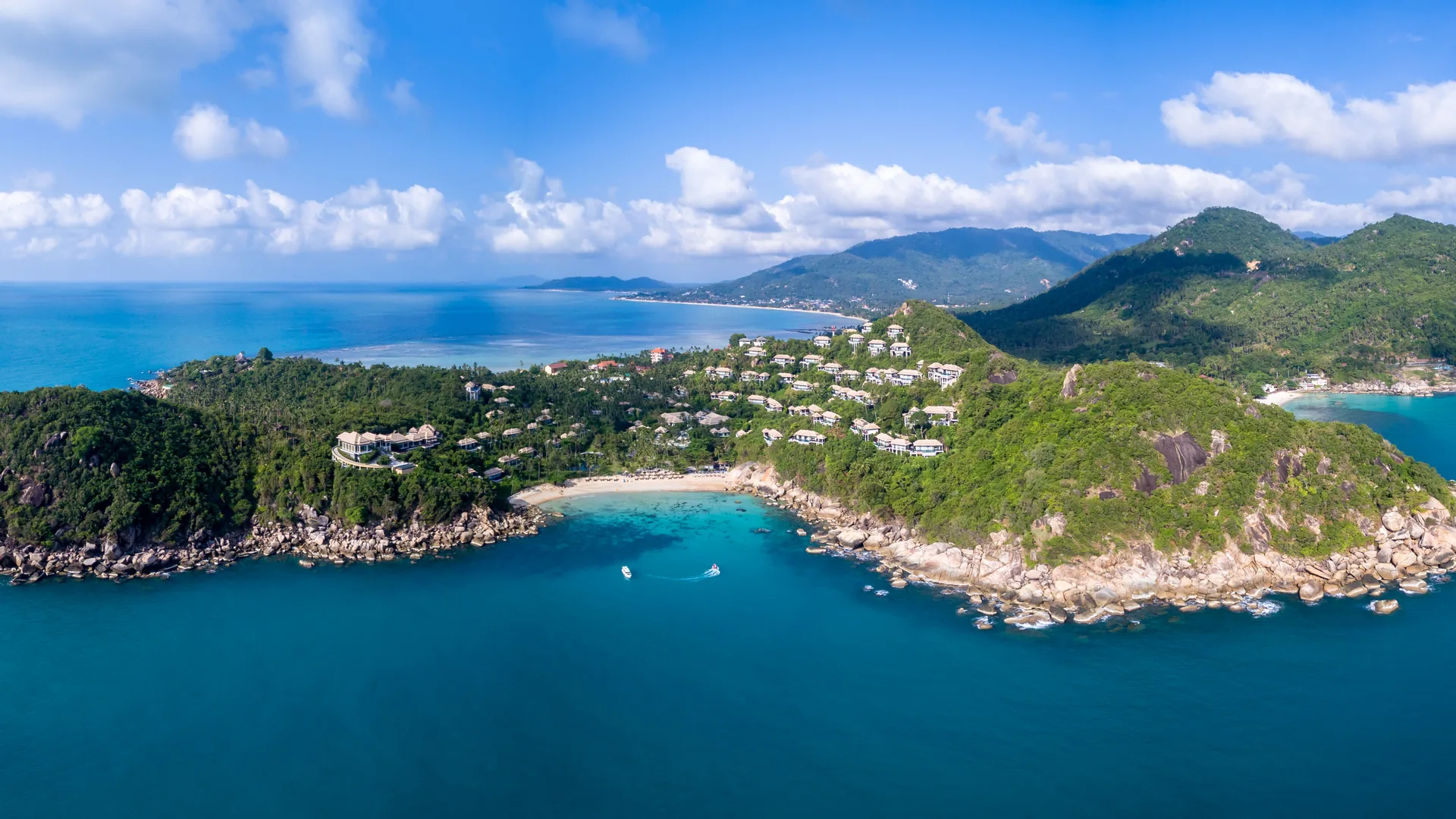
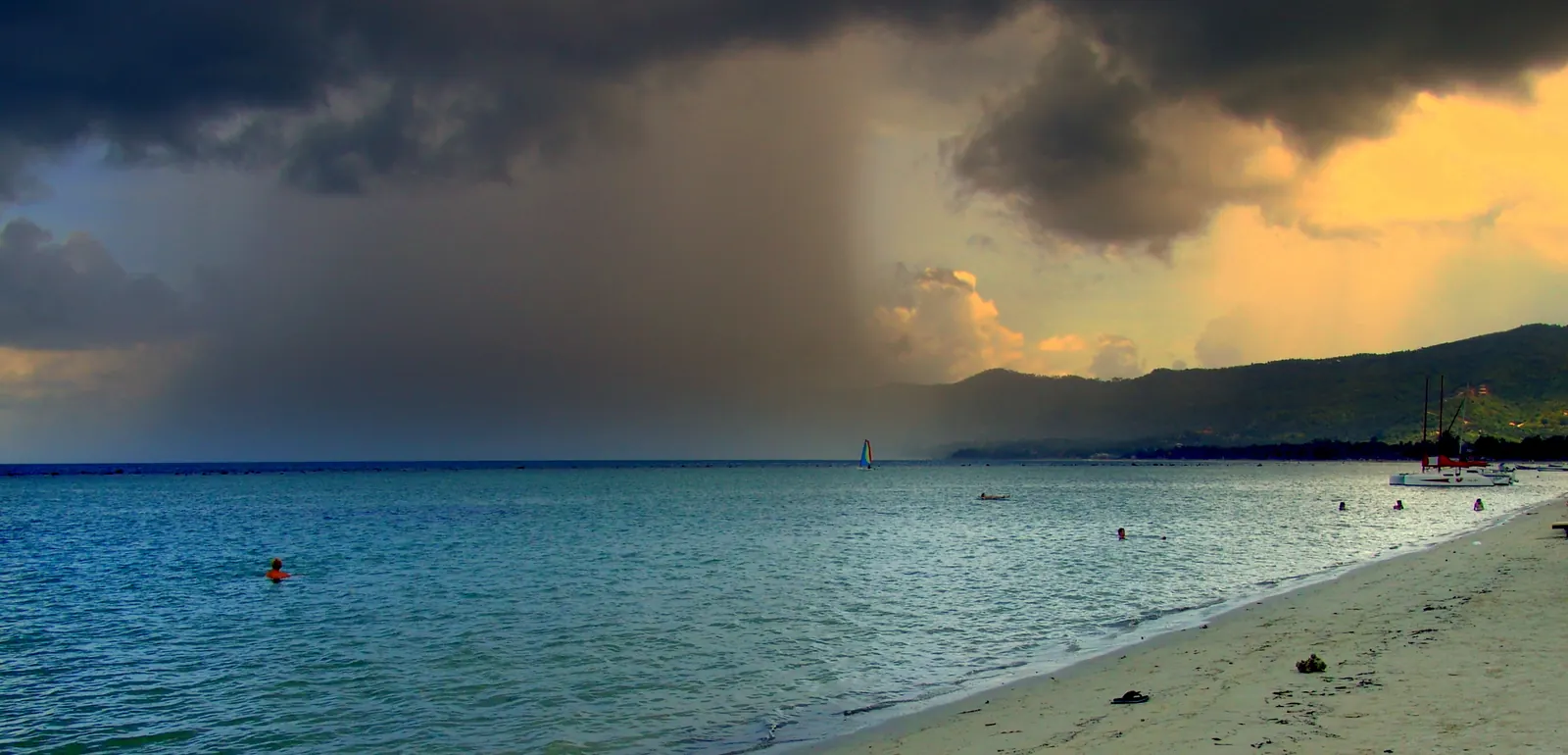
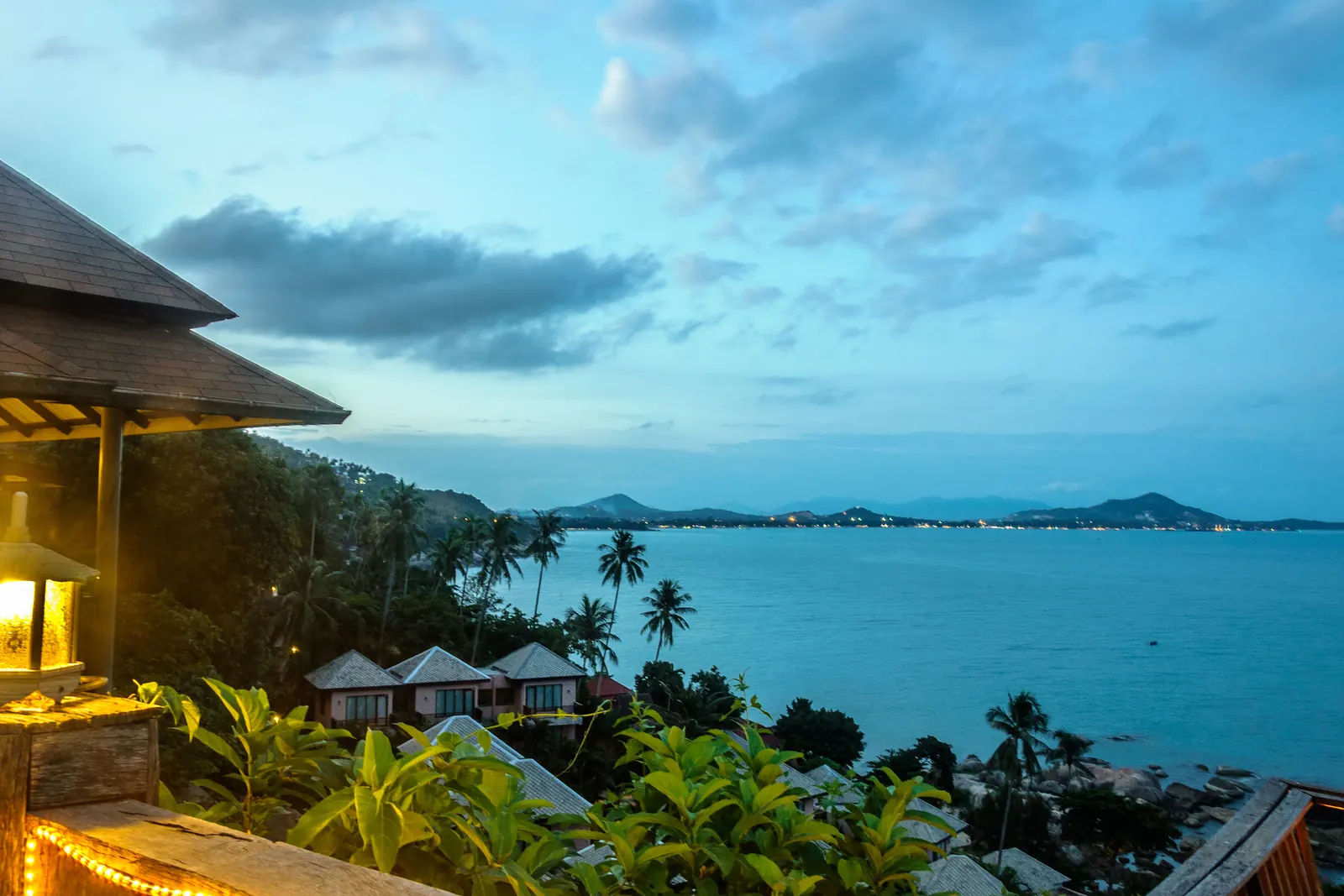
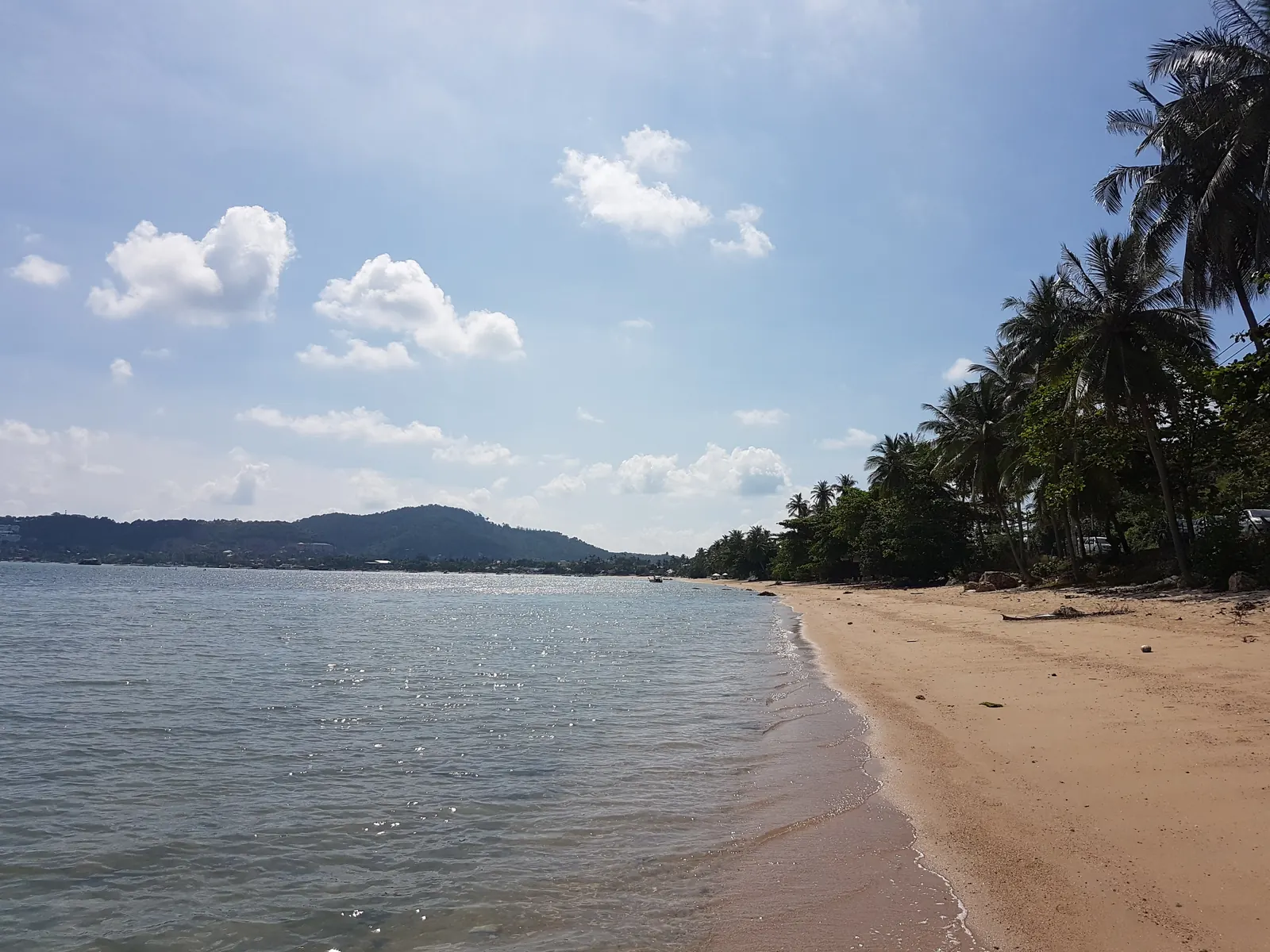
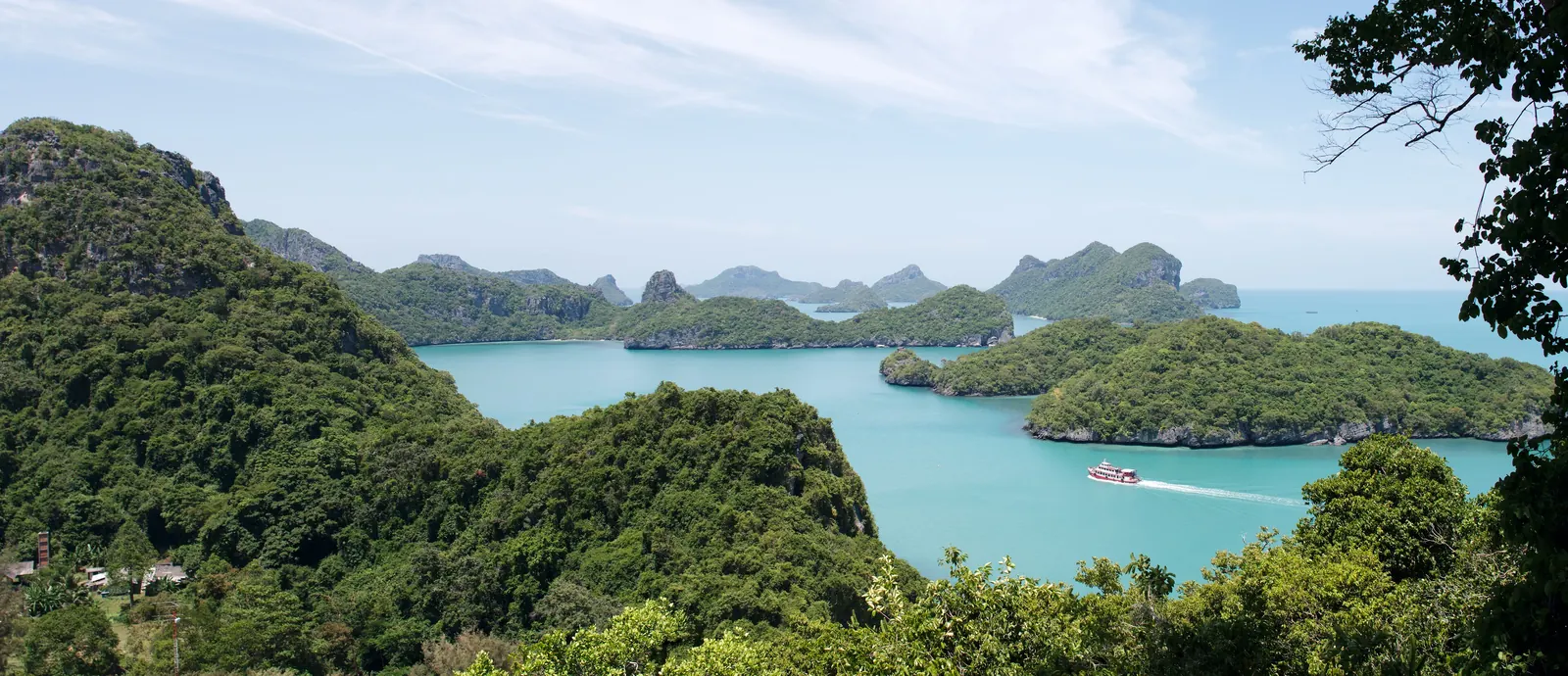
The largest province in the south by area, Surat Thani has a long Gulf coastline, three famous islands offshore — Samui (Thailand's second-largest tourist island), Phangan, and Tao — and a densely forested interior that rises into the Khao Luang range and Khao Sok National Park. The Tapi river drains the central plain south to the Gulf; the provincial capital at its mouth is a busy transport hub for the entire island ferry network. Rubber and oil palm plantations dominate the interior landscape.
Why visit
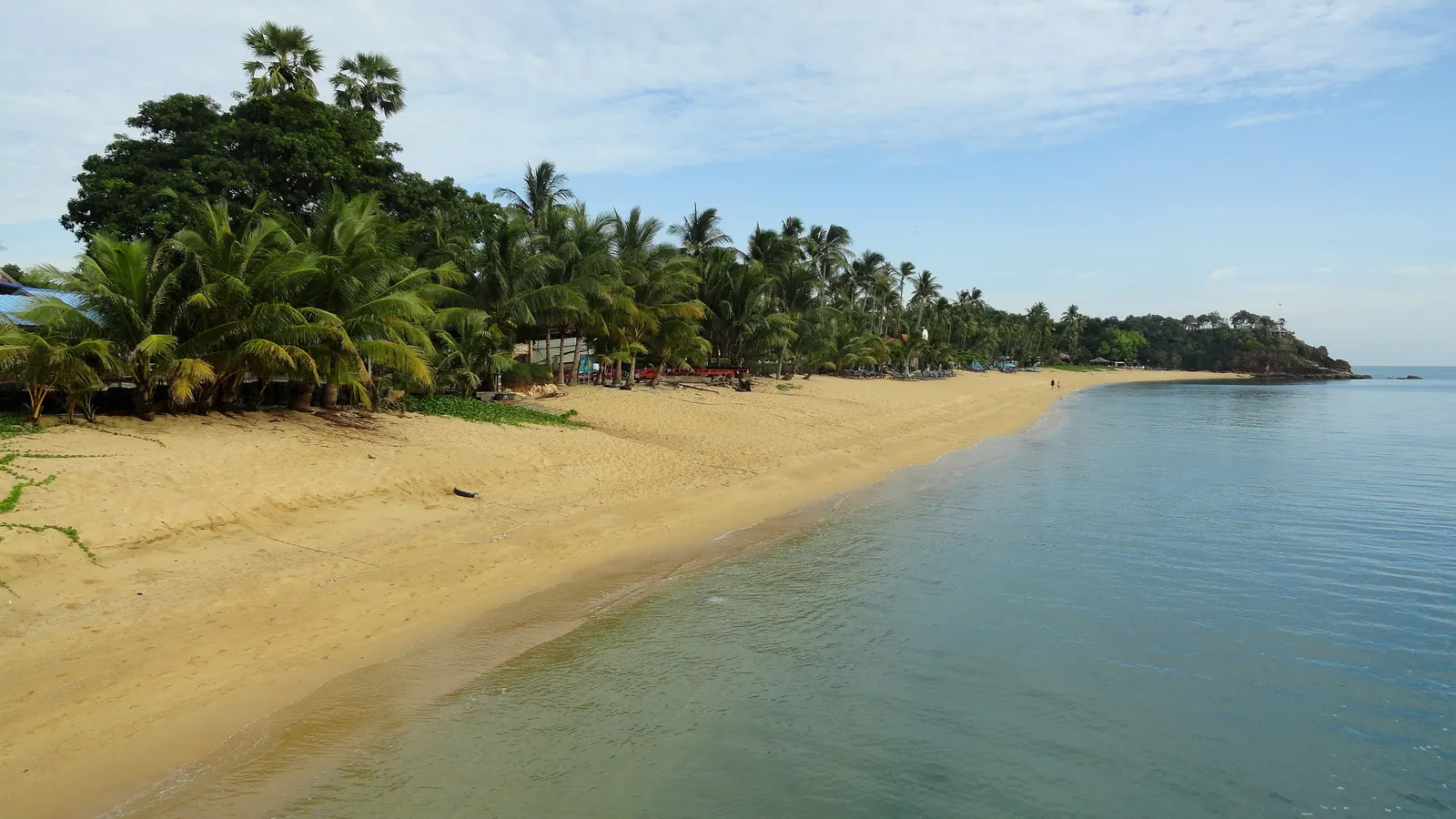
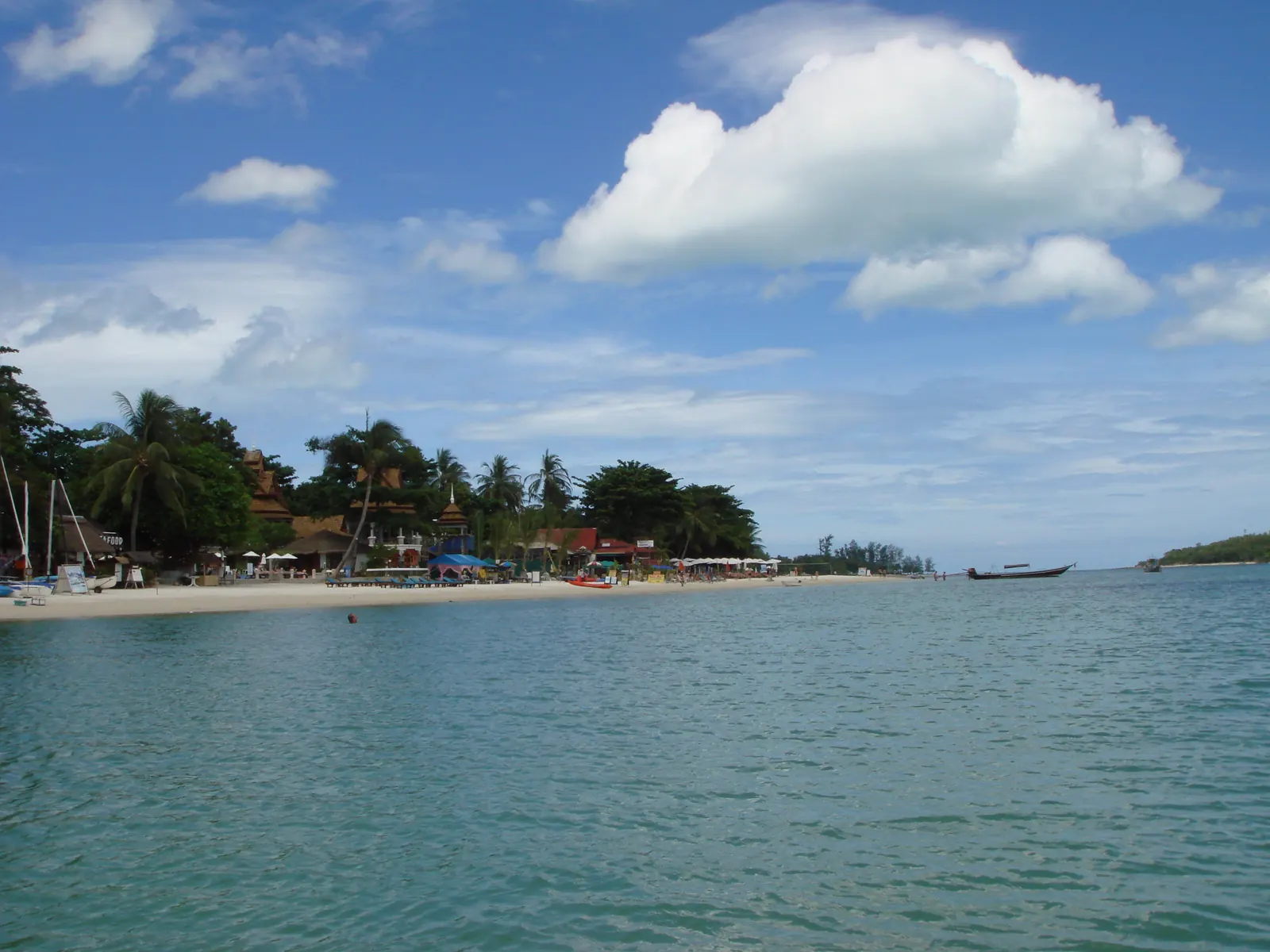
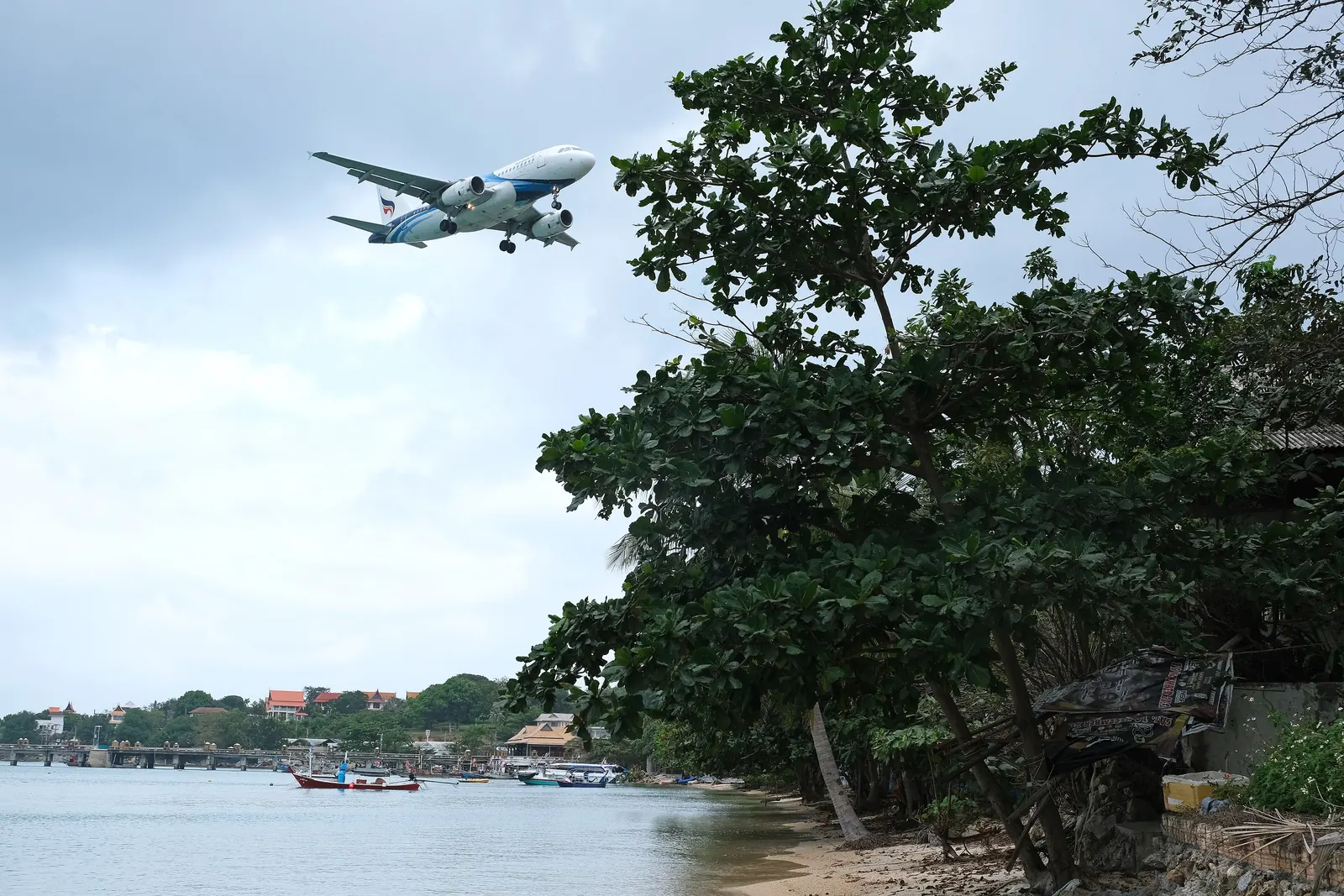
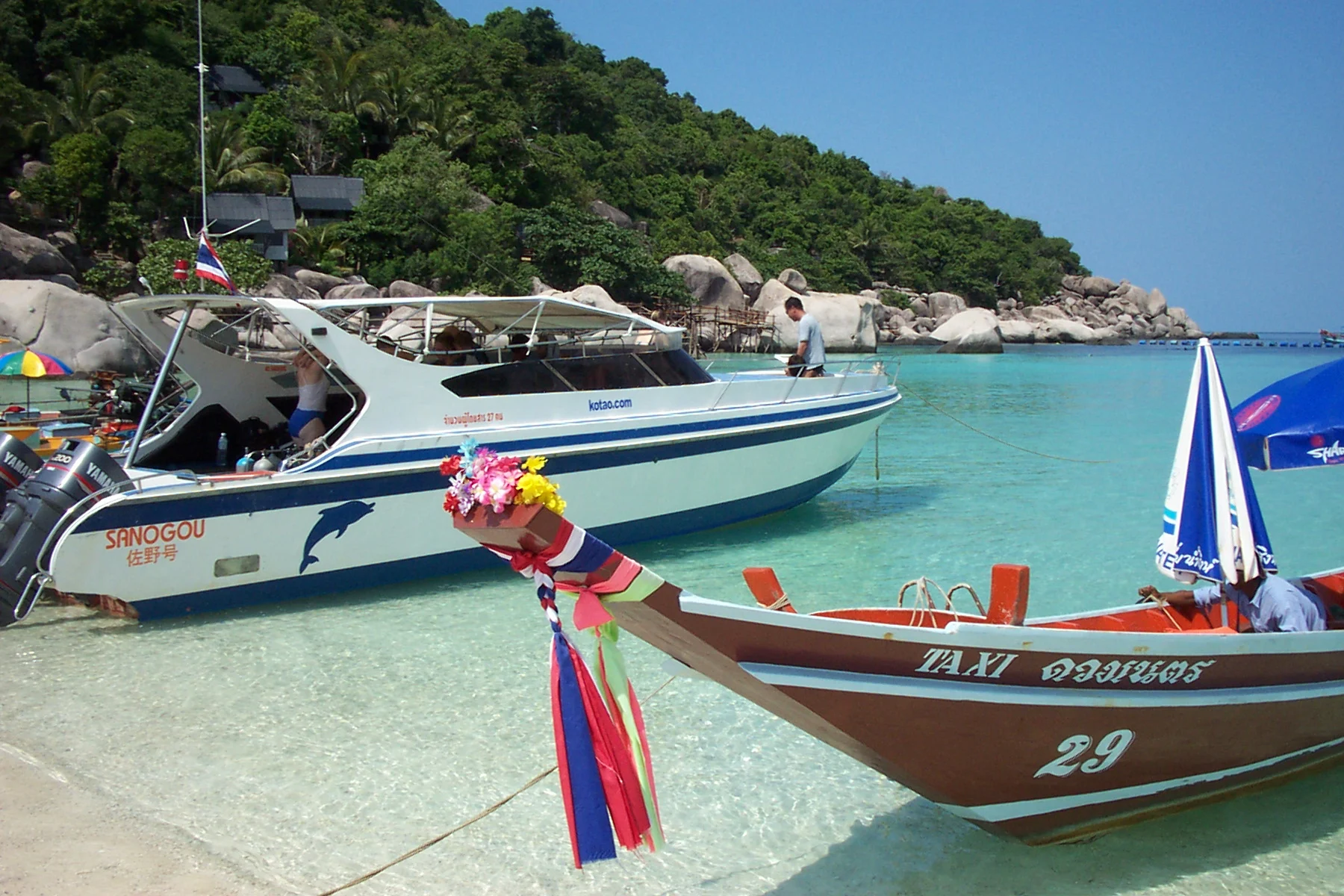
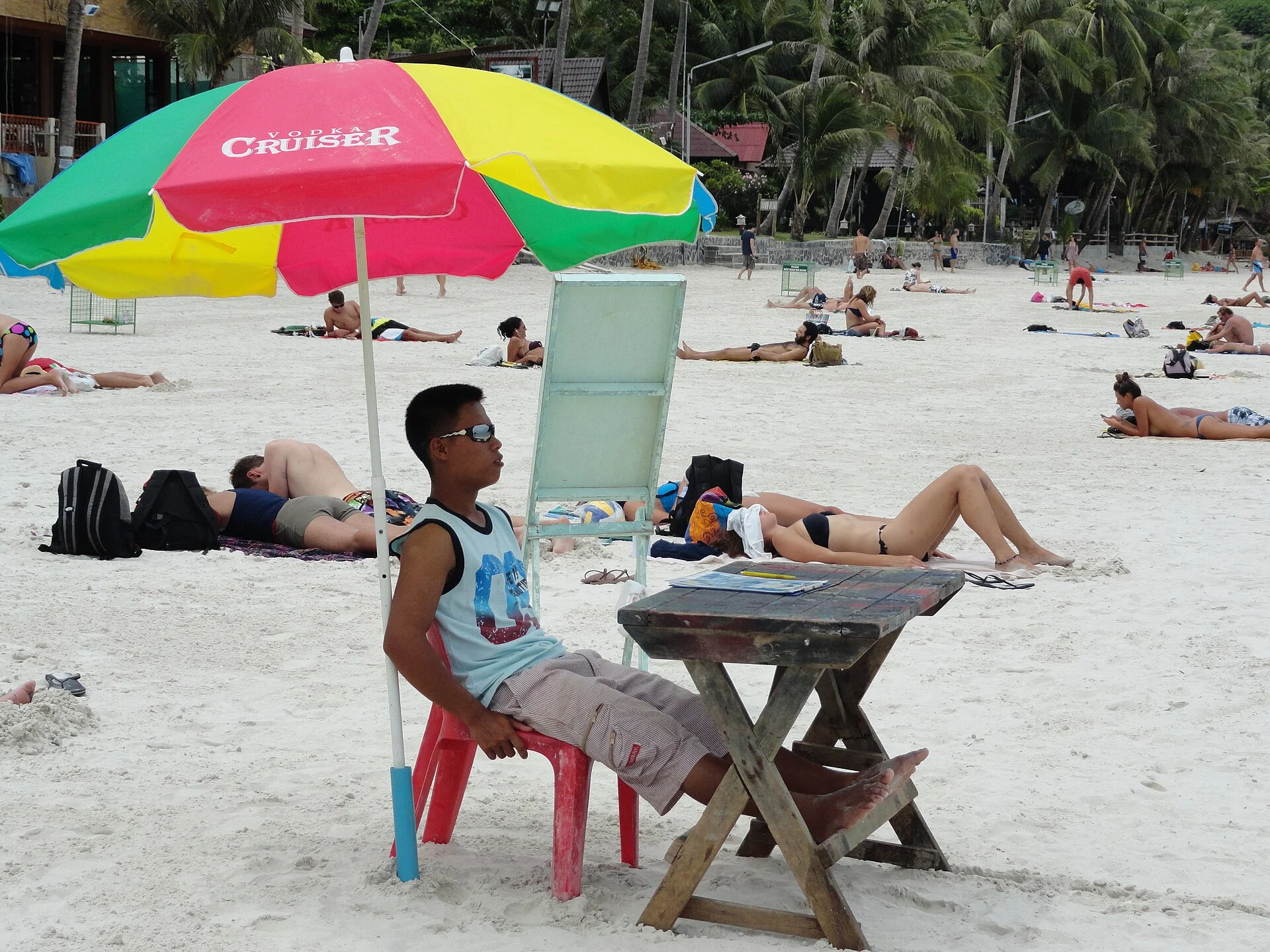
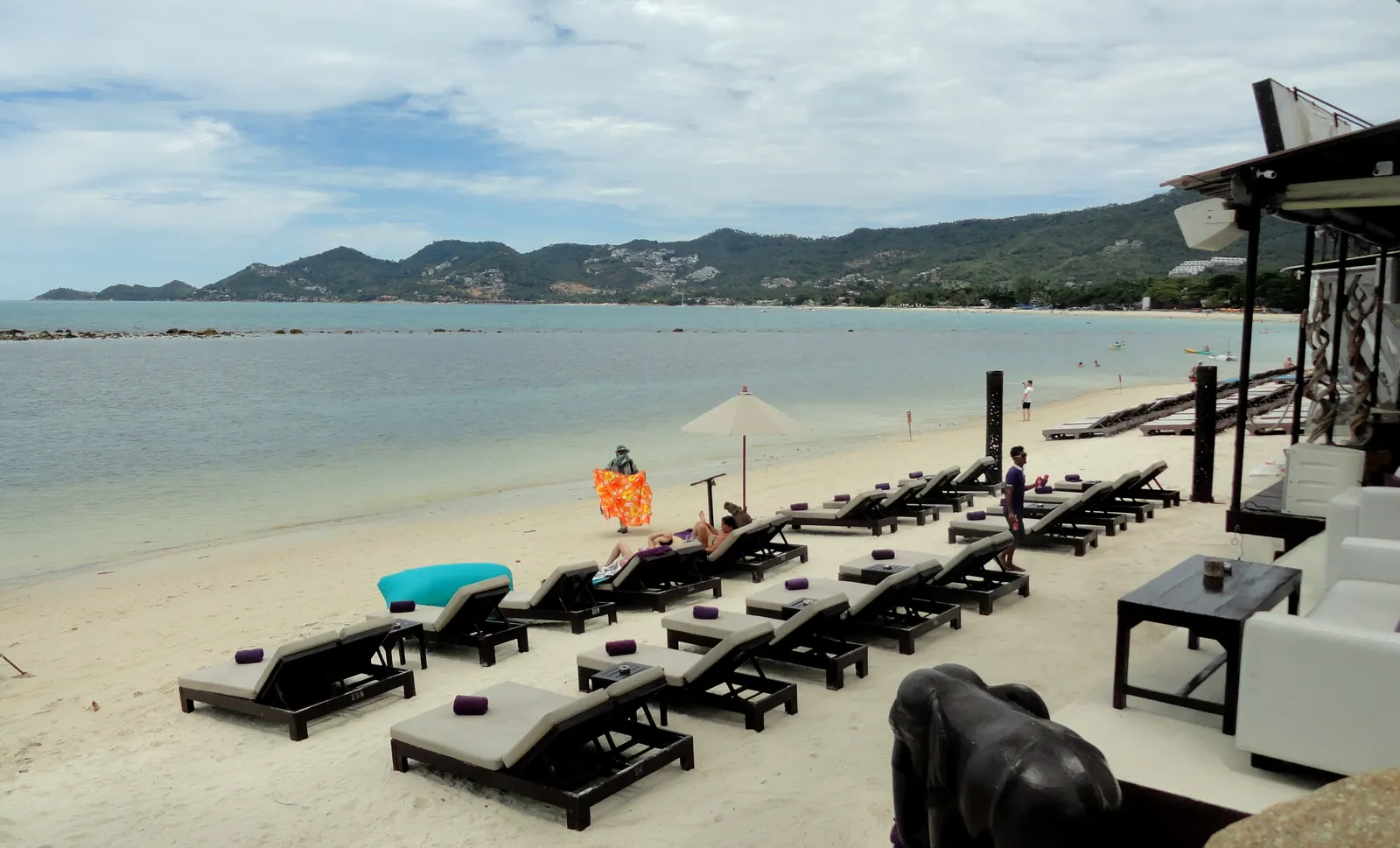
Koh Samui offers full-service international resort infrastructure with direct flights from Bangkok, Singapore, and Kuala Lumpur; its northern beaches are developed, its southern coast quieter. Koh Phangan's full-moon party at Hat Rin is the world's most famous beach rave, but the island has calmer corners for yoga retreats and snorkelling. Koh Tao's entry-level open-water diving at Chumphon Pinnacle and Sail Rock is some of the best-value in Asia. The Chaiya old town's Srivijayan temple ruins and the forest monastery of Wat Suan Mokkh offer a quieter inland itinerary.
Stories from Surat Thani
Articles, reviews, and itineraries tagged to this province.