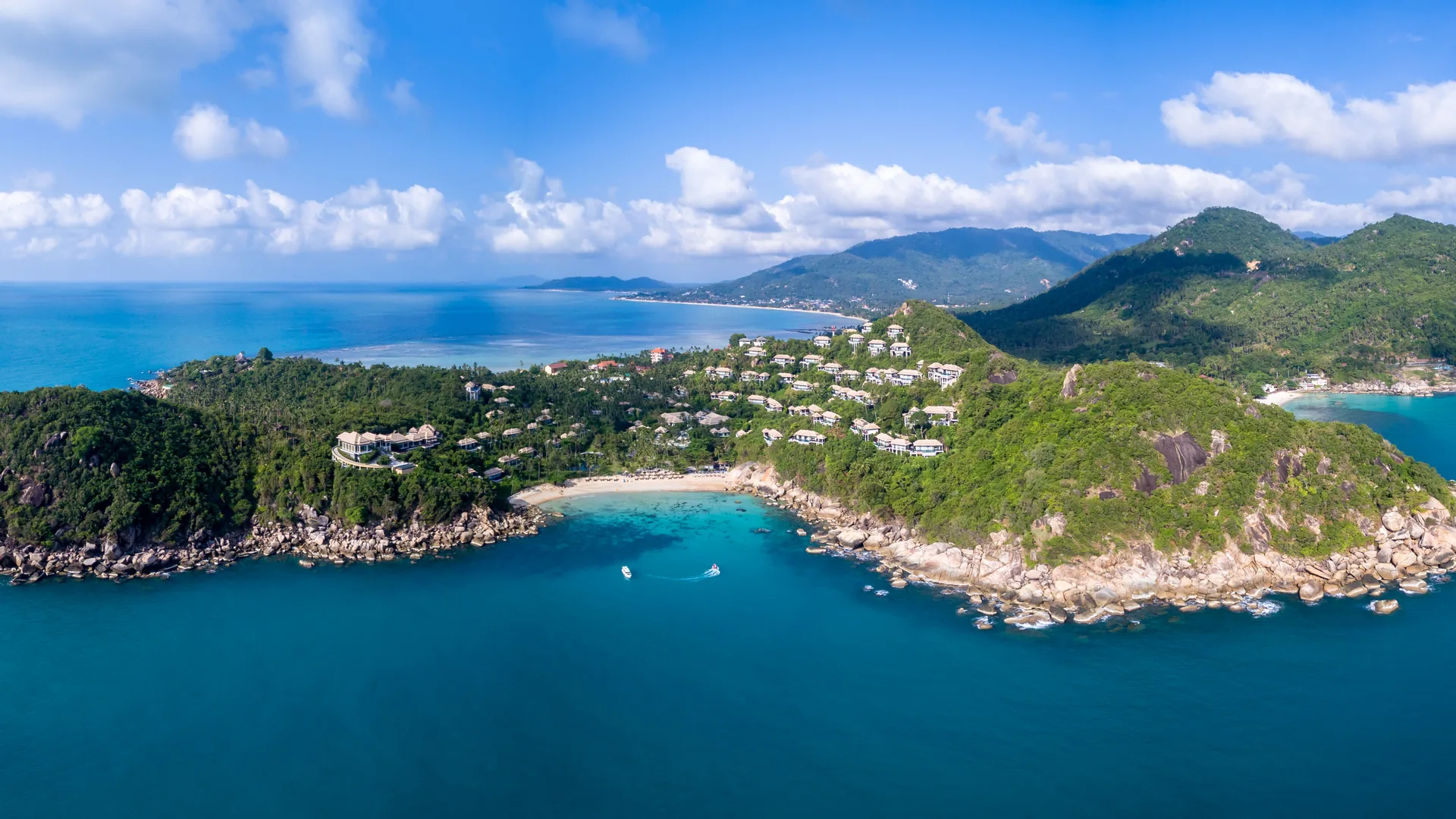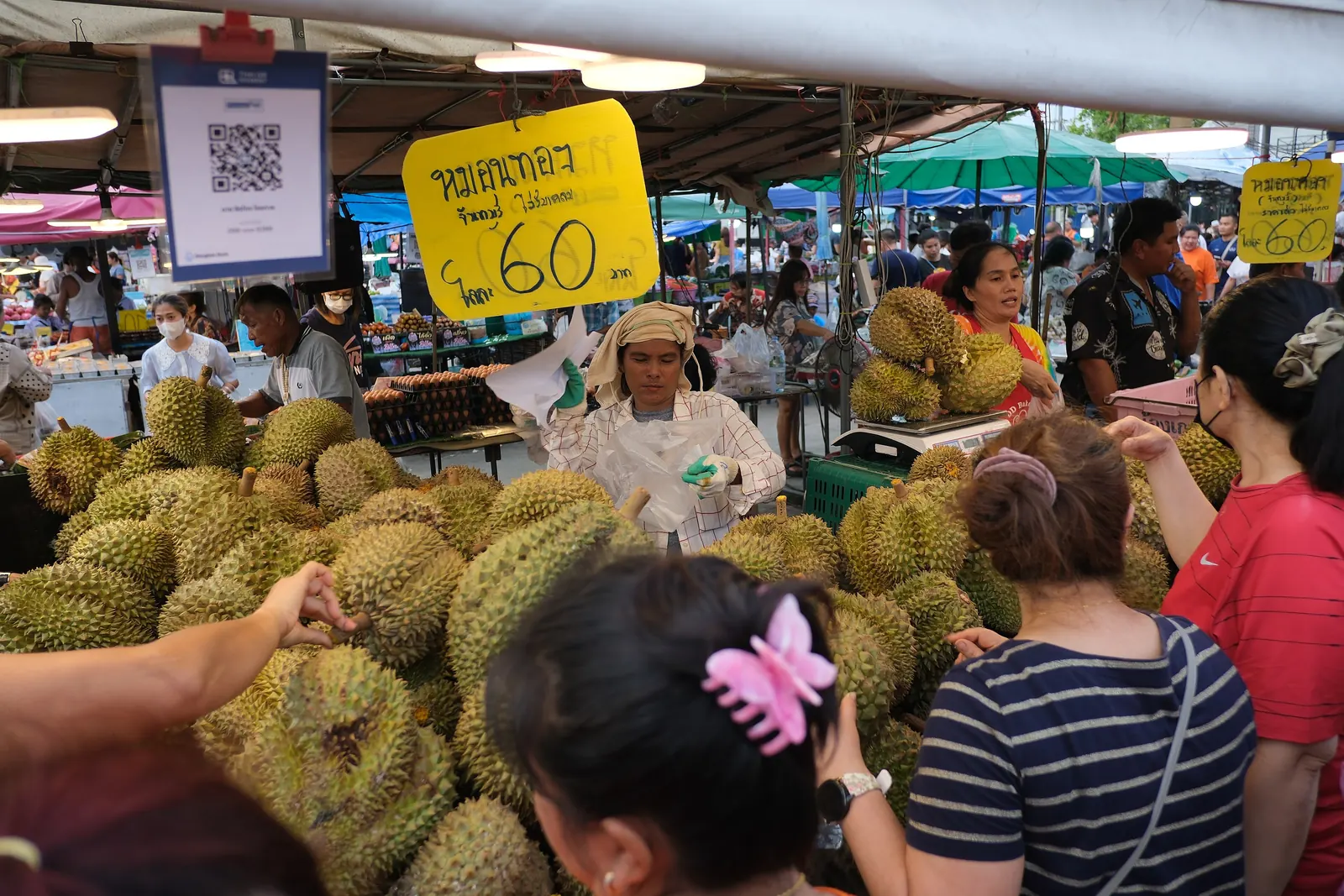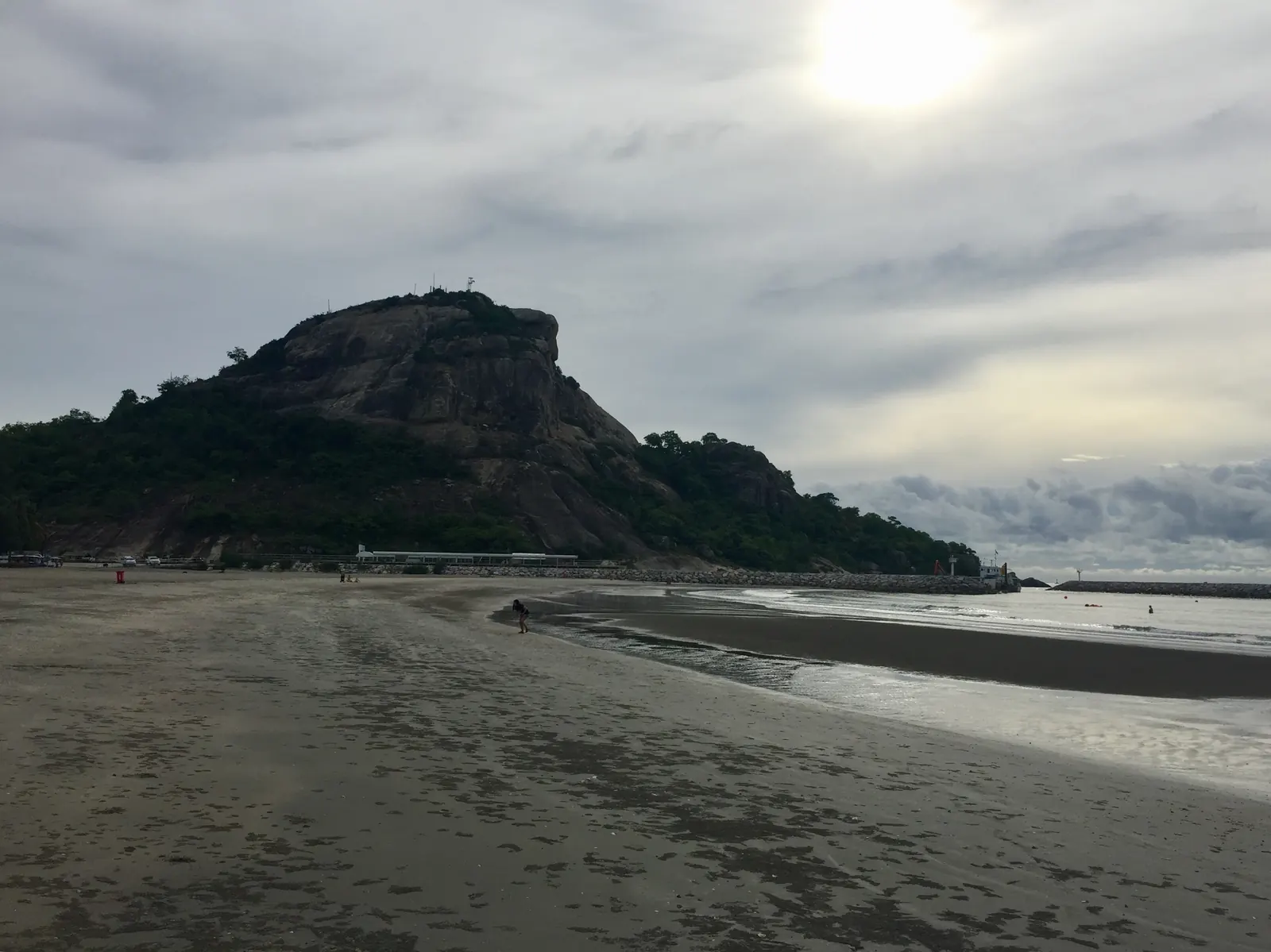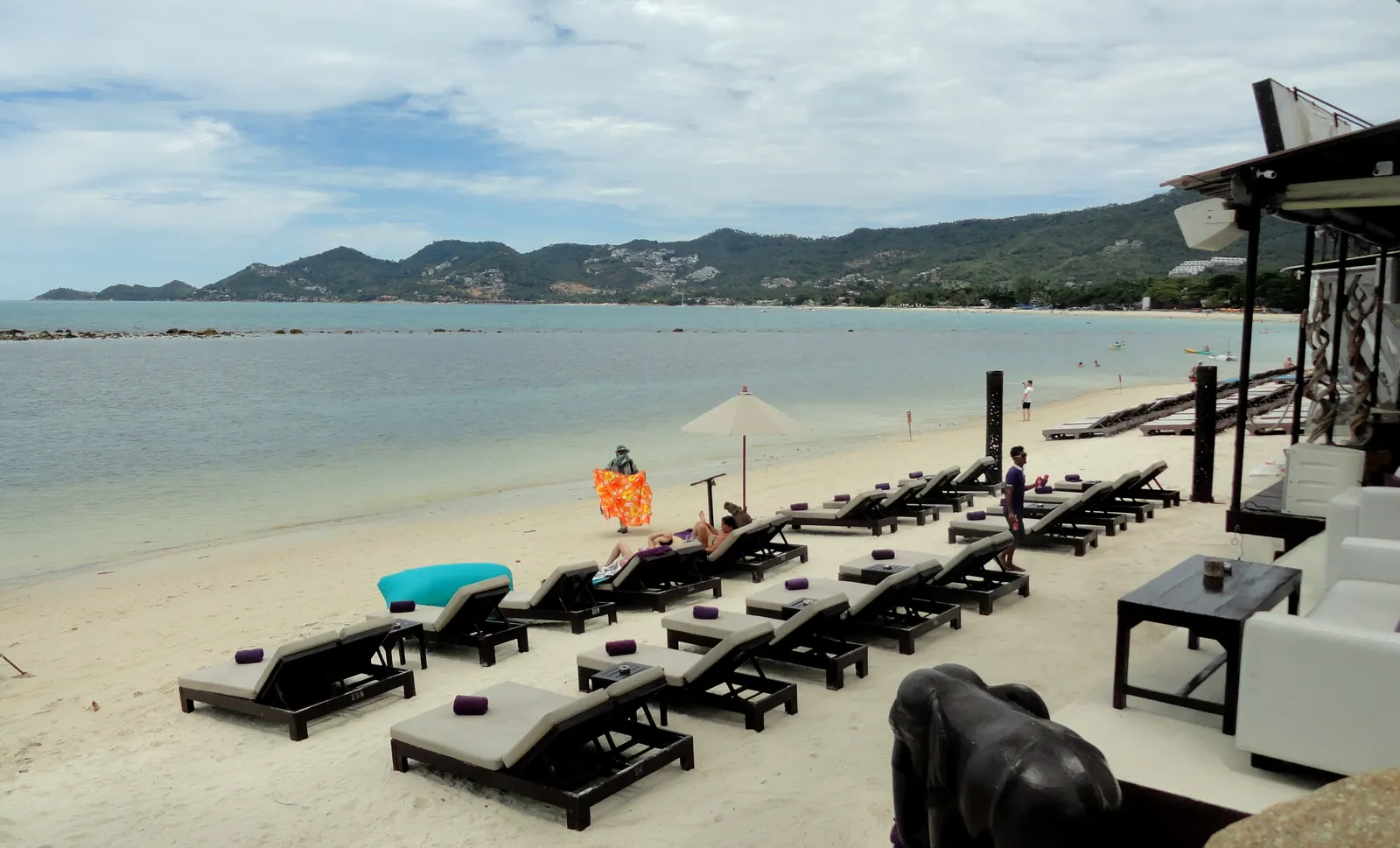
Stand on the Chaweng strip at eleven at night and Koh Samui is a wall of bass, neon and laminated menus. Twenty minutes north in Maenam it is a dog asleep on the road, a family grilling squid over a charcoal bucket and a tide that has wandered off towards Koh Phangan. Where to stay in Koh Samui is really a question of which of those two islands you want, and the ring road between them makes the wrong answer expensive to fix.
The short version: first-timers and anyone who wants the bars go to Chaweng; couples and food people go to Bophut or Choeng Mon; families take Lamai or Bophut; long-stayers and budget travellers take Maenam; the serious money crosses to the west coast at Lipa Noi and Taling Ngam. Do not stay in Nathon unless you have a boat to catch, and if the trip is built around the Full Moon Party, sleep on the north coast near the piers.
This guide carves the island into its nine real areas (one of which you should not sleep in), matches them to how you travel, then names the hotels we would actually shortlist. Samui belongs to Surat Thani province and is the biggest, most developed and most expensive of the three Gulf islands, which is exactly why you have to choose properly.
How Koh Samui is laid out
Samui is a rough circle 25 kilometres across with an empty jungled middle and a 50-kilometre ring road around the edge. Everything hangs off that road: the big beach towns on the east, the piers and airport on the north, the sunsets on the west. In practice the road is one lane each way, shared with lorries, songthaews and tourists on their first ever scooter, so “twenty minutes” is a high-season fiction.
- Chaweng (east): the longest beach, the biggest strip, the loudest nights. The default.
- Chaweng Noi (east): the hook of sand south of Chaweng proper. Same water, a quarter of the noise.
- Lamai (south-east): Chaweng’s scruffier sibling. Better value, decent beach, rocky at both ends.
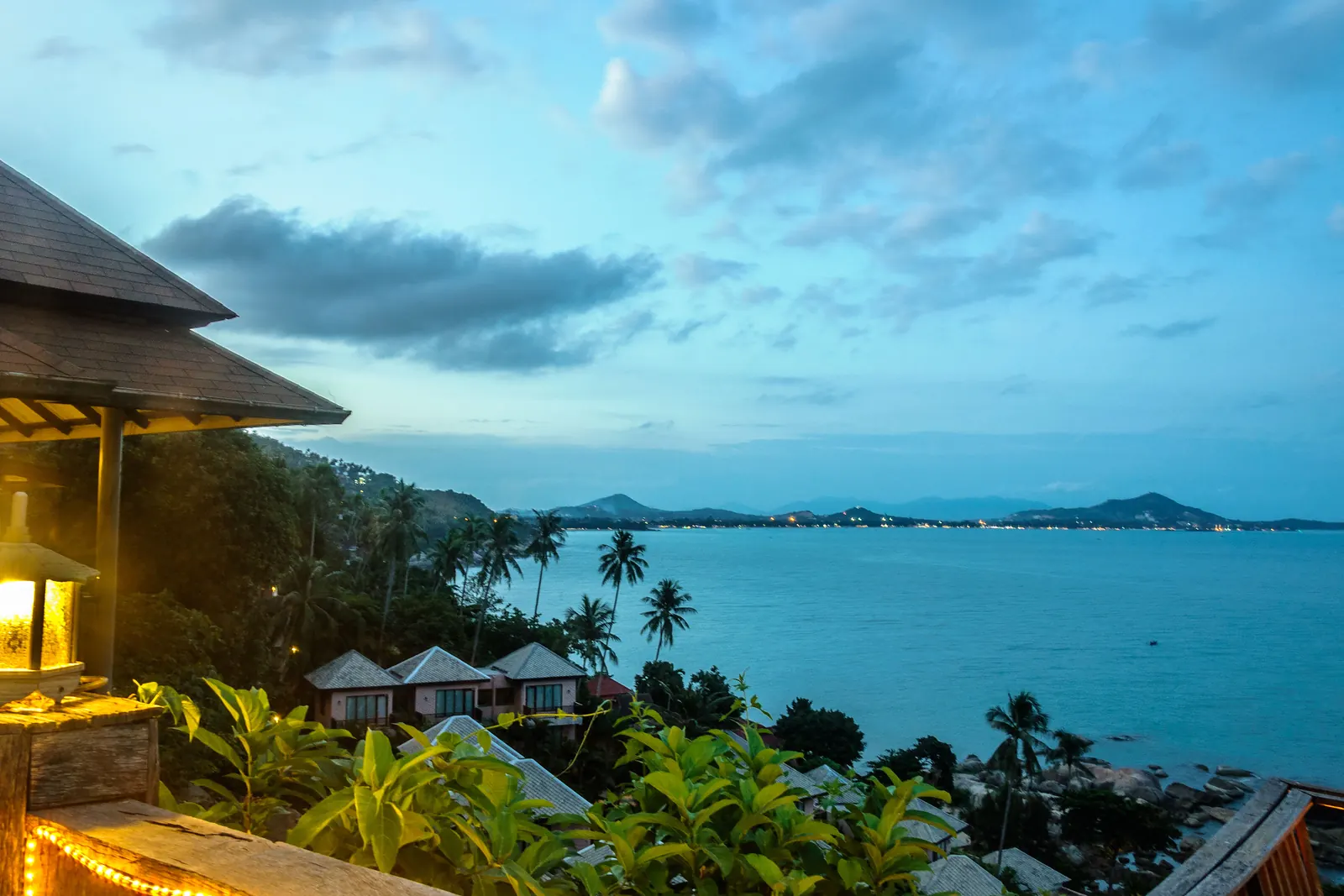
- Bophut and Fisherman’s Village (north): restored shophouses, the island’s best restaurants, the airport ten minutes away. The all-rounder.
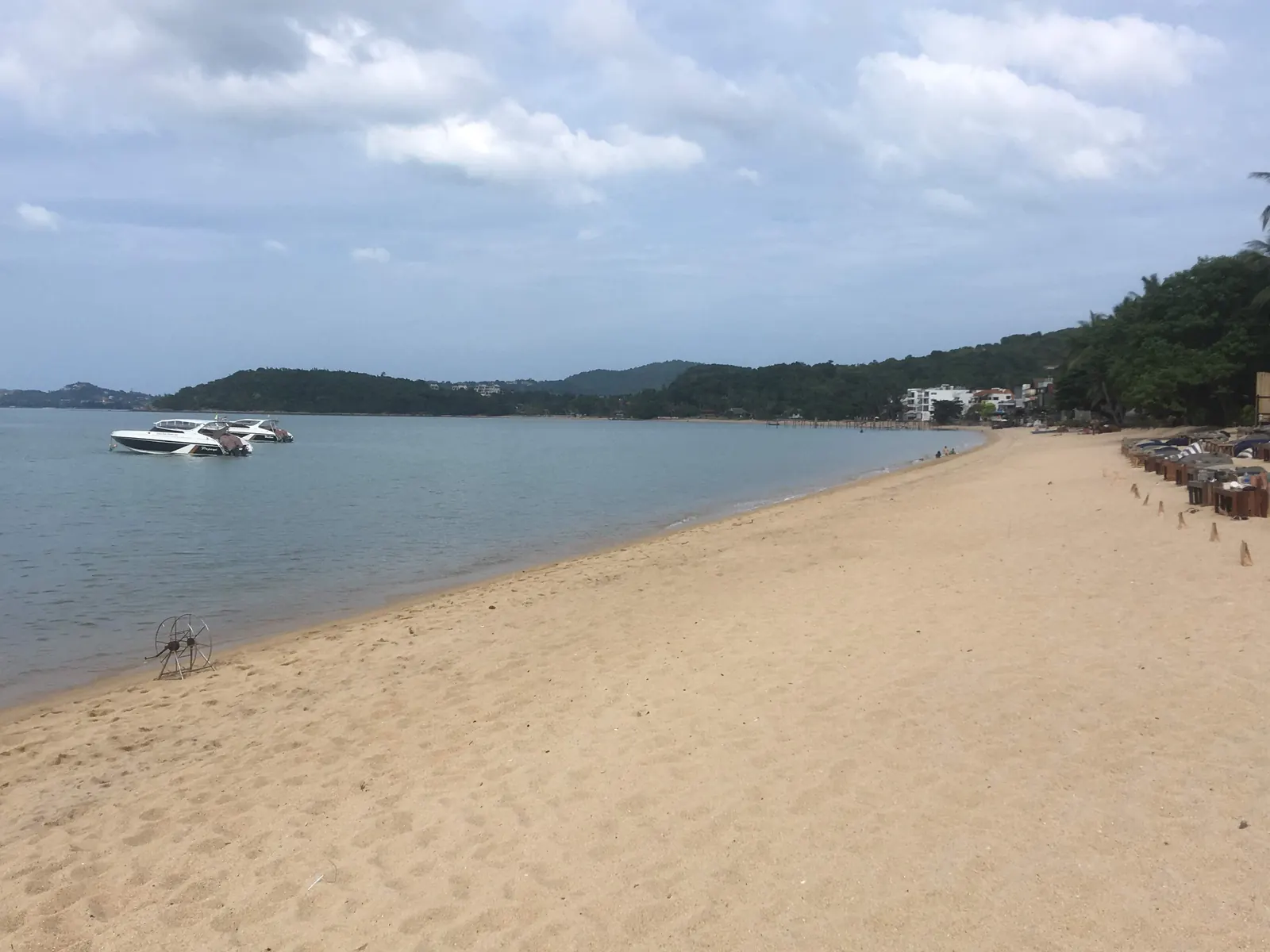
- Maenam (north): long, shallow, quiet, cheap. Where the long-stayers end up.
- Bang Po and Ban Tai (north-west): sleepier than Maenam, and the corner the luxury names quietly bought.
- Choeng Mon (north-east): a calm shallow bay ringed with upscale resorts near the airport. Honeymoon territory.
- Lipa Noi and Taling Ngam (west): glassy water, the sunsets, the villas, and a drive to dinner.
- Nathon (west): the ferry port and administrative town. Banks, immigration, a night market. Not a holiday.
The Koh Phangan and Koh Tao boats leave from Bangrak and Maenam on the north coast (timetables in our island-hopping ferry guide), so on a three-island trip the north saves a taxi at both ends. And the airport sits between Chaweng and Bophut: those two are a ฿200 taxi, the west coast ฿700 and forty minutes.
Where to stay in Koh Samui by traveller type
First-timers: Chaweng, or Bophut if you value sleep. Chaweng is the honest answer because everything is there: the best-looking beach, hundreds of restaurants and a strip that runs from ฿60 pad thai to expensive nonsense without needing transport. The trade-off is noise, tourist pricing and a rough sea from October to December. If you know you want dinner without a DJ, book Bophut and taxi in once to confirm you were right.
Digital nomads and long-stayers: Maenam, then Bophut. Maenam has the monthly rentals, the flat quiet beach, cafés that tolerate a laptop and the lowest cost of living on the island: a studio with a kitchen is ฿12,000–18,000 a month in low season, a scooter ฿3,000. Bophut costs more and eats better; Chaweng is a bad place to work from. Our Thailand cost per day guide has the monthly maths.
Couples: Choeng Mon or Fisherman’s Village. Choeng Mon is the calm one: a small bay of warm shallow water, resorts that know what they are doing, a low-tide walk to Koh Fan Noi and not much village. Fisherman’s Village is romance with a pulse: teak shophouses turned into restaurants, a sunset walk along the sand, the Friday market to complain about. Choeng Mon for the honeymoon, Bophut for the second trip.
Families: Lamai or Bophut. Families want water a five-year-old can stand in, food that is not all cocktails and no daily taxi. Lamai does that with soft sand, gentle swimming mid-bay and the Hin Ta and Hin Yai rocks for a laugh with older children. Bophut does it with a quieter beach, better restaurants and the airport ten minutes off. Skip the west coast with children unless you are hiring a car.
Budget: Lamai, then Maenam. Samui is not Phangan-cheap, but a clean fan bungalow with a beach at the end of the path still exists for ฿800–1,200 in cool season. Lamai has the best mix of guesthouses, hostels and noodle shops near a proper beach; Maenam is cheaper and quieter, with the last wooden bungalows hanging on between the resorts. Do not take the ฿500 room a kilometre inland: songthaews eat the saving in two days. The real budget beds are thirty minutes away by boat, in our Koh Phangan stay guide.
Luxury: the west coast, the north-west corner and the bays beyond Choeng Mon. Samui’s five-star badges have sorted themselves by geography. Taling Ngam and Lipa Noi are the resorts that own a hillside and a sunset and want you to stay put; the north-west corner around Bang Po and Laem Yai has the two most expensive villa resorts on the island; the north-east tip is where the design hotels went. Our luxury hotel price guide says what the top tier should actually cost.
| Area | Best for | Cool-season double, from | The honest catch | Book |
|---|---|---|---|---|
| Chaweng | First-timers, nightlife | ฿1,500 | Noise, tourist pricing, rough sea Oct–Dec | Buri Rasa Village |
| Chaweng Noi | Chaweng without the strip | ฿2,500 | Taxi or a hot walk to eat | Chaba Cabana |
| Lamai | Families, budget | ฿900 | Rocks at both ends, tired bar strip | Weekender Resort |
| Bophut / Fisherman’s Village | Couples, families, all-rounders | ฿1,100 | Narrow beach, Friday crowds | Zazen Boutique Resort |
| Maenam | Nomads, long stays, budget | ฿800 | Tide goes out a long way, quiet after 9pm | Palm Coco Mantra |
| Bang Po / Ban Tai | Disappearing, top-end villas | ฿11,000 | Nothing to do, which is the point | W Koh Samui |
| Choeng Mon | Couples, honeymoons | ฿5,500 | Small bay, little village life | SALA Samui Choengmon |
| Lipa Noi / Taling Ngam | Luxury, sunsets, seclusion | ฿2,500 | Forty minutes from anywhere, shallow water | Lipa Lodge |
| Nathon | An early ferry, nothing else | ฿700 | It is a port town | Do not |
The hotels we’d actually shortlist
Rates are rough cool-season (December to March) “from” prices for a standard double as of September 2026; shoulder months knock 30–40% off. Hotel links go to Agoda and are affiliate links: same price for you, and nothing here is comped.
Chaweng and Chaweng Noi: ARKbar Beach Club and Resort (from around ฿1,500) is the party on the sand, now adults-only; book it for the scene and accept the lost sleep. Buri Rasa Village (from around ฿3,500, also adults-only) is the grown-up beachfront a short walk from the noise. The Library (from around ฿8,000) is the red-pool design icon. Down the hook, Chaba Cabana Beach Resort (from around ฿2,500) is an unpretentious Thai-style place on Chaweng Noi’s calmer water.
Lamai: Lamai Perfect Resort (from around ฿900) is a plain, clean pool-and-bungalow place two minutes from the beach. Weekender Resort (from around ฿1,200) is the old-school beachfront bungalow resort, mid-bay where the swimming is best.
Bophut beach: ibis Samui Bophut (from around ฿1,100) is the dependable budget bed sixty metres off the beach: charmless, clean, correct. NH Collection Samui Peace Resort (from around ฿4,000), the old Peace Resort under a new badge, is the family pick: big garden, beachfront pool, walkable to the village. Zazen Boutique Resort (from around ฿4,500) does lanterns, quiet corners and sunset dinners at the calm western end of the sand.
Fisherman’s Village: Hansar Samui (from around ฿6,500) is the boutique at the pier end of the village: every room faces the sea and you walk to dinner. Anantara Bophut (from around ฿6,500) is the full-service resort at the other end that still feels like Samui rather than an airport lounge.
Maenam: Moonhut Bungalows (from around ฿800) is the last of the classic wooden beach bungalow set-ups, restaurant on the sand. Palm Coco Mantra (from around ฿2,000) is the mid-range beachfront with a pool and enough polish for a fortnight. Santiburi Koh Samui (from around ฿12,000) is old-money luxury on enormous grounds, the quietest serious hotel on the island.
Choeng Mon: SALA Samui Choengmon Beach (from around ฿7,000) is the pool-villa resort that made the bay’s reputation: white walls, private pools, beachfront restaurant. Melati Beach Resort and Spa (from around ฿5,500) sits on Thongson Bay round the headland, a quieter cove, and is better value if you do not need the Choeng Mon name.
Lipa Noi and Taling Ngam: Lipa Lodge (from around ฿2,500) is the affordable way onto the sunset coast: garden bungalows, a beach bar and the Five Islands view. InterContinental Koh Samui (from around ฿10,000) owns the Taling Ngam hillside; you stay for the view and drive for everything else. Conrad Koh Samui (from around ฿15,000) is further south with infinity-pool villas stacked down the cliff, the best sunset on the island and no beach worth the name.
The luxury tier: Four Seasons Resort Koh Samui (from around ฿30,000) is the pool villas on the Laem Yai headland and the address the island measures itself against. W Koh Samui (from around ฿11,000), next door on the Maenam side, is the same coast with a louder soundtrack. Six Senses Samui (from around ฿22,000) has the north-east tip beyond Choeng Mon, villas on stilts and the best breakfast in the Gulf. The Ritz-Carlton, Koh Samui (from around ฿14,000) is the big one on Thongson Bay, with a swimmable coral lagoon that explains the price. Banyan Tree Samui (from around ฿16,000) has its own cove at the Lamai end of the east coast, pool villas up the hill and buggies to reach them; nobody leaves.
Honest warnings before you book
The Gulf rains when the Andaman does not. Samui’s wet season is October to early December, November the wettest month, and the east coast takes the worst of the swell. It is the opposite of Phuket; our best time to visit guide has the split. Late December to March is the safe bet; July to September is a cheaper second choice.
Chaweng is loud, and “beachfront” is not a promise of quiet. The strip and the beach clubs run to 2am and the sound carries along the sand; if a central Chaweng hotel is cheap, there is a reason. Book Chaweng Noi or a room at the back.
Lamai has rocks; Maenam has a tide. Both ends of Lamai bay are rocky and the shore break can be steep, so check where your hotel sits before booking it “for the kids”. Maenam’s water goes out a long way at low tide and comes back shallow and warm: good for paddling, useless for a proper swim at 4pm.
The scooter question. A rental is ฿250–350 a day, but Samui has one of the worst tourist accident records in Thailand: fast roads, badly lit, wet in season, full of people who learned to ride that morning. If you are not already confident, do not learn here. Songthaews (฿50–100 a hop, agree it first) and the ride-hailing apps cover the north and east well. Read our scams guide before handing over a passport as deposit; the damage-claim rental scam is alive in Chaweng.
Do not book by price alone. A ฿600 room on the wrong side of the island means ฿400 a day in taxis and an hour each way. Stay where you intend to spend your evenings.
Koh Samui stays: your questions, answered
Which area of Koh Samui is best for a first visit?
Chaweng if you want the beach, the bars and everything on foot; Bophut if you want the beach, good dinners and a night’s sleep. Decide by how you feel about noise after midnight.
Is Koh Samui better than Koh Phangan or Koh Tao for a holiday?
It is the most comfortable of the three: an airport, real restaurants, roads. Koh Phangan is cheaper, wilder and better for yoga and the Full Moon Party; Koh Tao is for diving. A sensible first trip does four nights on Samui and three on Phangan.
How many nights do you need in Koh Samui?
Four: two on the beach, one for the Ang Thong boat trip and one for the ring road, Big Buddha and a Fisherman’s Village dinner. Three feels rushed once you add the airport or the ferry.
Should I stay in Nathon to be near the ferry?
Only if you have a boat before 8am and hate taxis. Nathon is a working port with a good night market and no holiday beach; one night is fine, a week is a mistake. On a budget from the mainland, read our guide to Surat Thani as the base, then go straight to Lamai or Maenam.
Is it cheaper to fly to Samui or take the ferry from Surat Thani?
The ferry, by a distance. Flying into Samui’s private airport runs ฿3,000–6,000 one way from Bangkok; flying to Surat Thani and taking the bus-and-ferry combo is ฿1,000–1,500 all in and costs about three extra hours.
Related guides
- Where to Stay in Koh Phangan: Best Areas by Traveller Type
- Koh Samui, Koh Phangan and Koh Tao by Ferry: Routes, Prices, Timings
- Surat Thani: The Launchpad for the Gulf Islands
Book the trip
Some links in this guide are affiliate links. If you book through them we may earn a small commission at no extra cost to you — it helps keep Destination Thailand independent.
Hotels: once you have picked your beach, compare Koh Samui hotels on Agoda. Tours: the Ang Thong Marine Park boat day sells out in cool season, so book it on GetYourGuide a few days ahead. Getting there: compare Bangkok to Koh Samui options on 12Go or the cheaper Surat Thani to Koh Samui combos; island-hopping, the Samui to Phangan ferry is ฿300–500. Our Bangkok to Koh Samui guide has every route with real prices.
Not sure Samui is your island at all? Our Where to Go in Thailand matcher scores all 77 provinces against your month, your crowd tolerance and what you actually want from the trip.