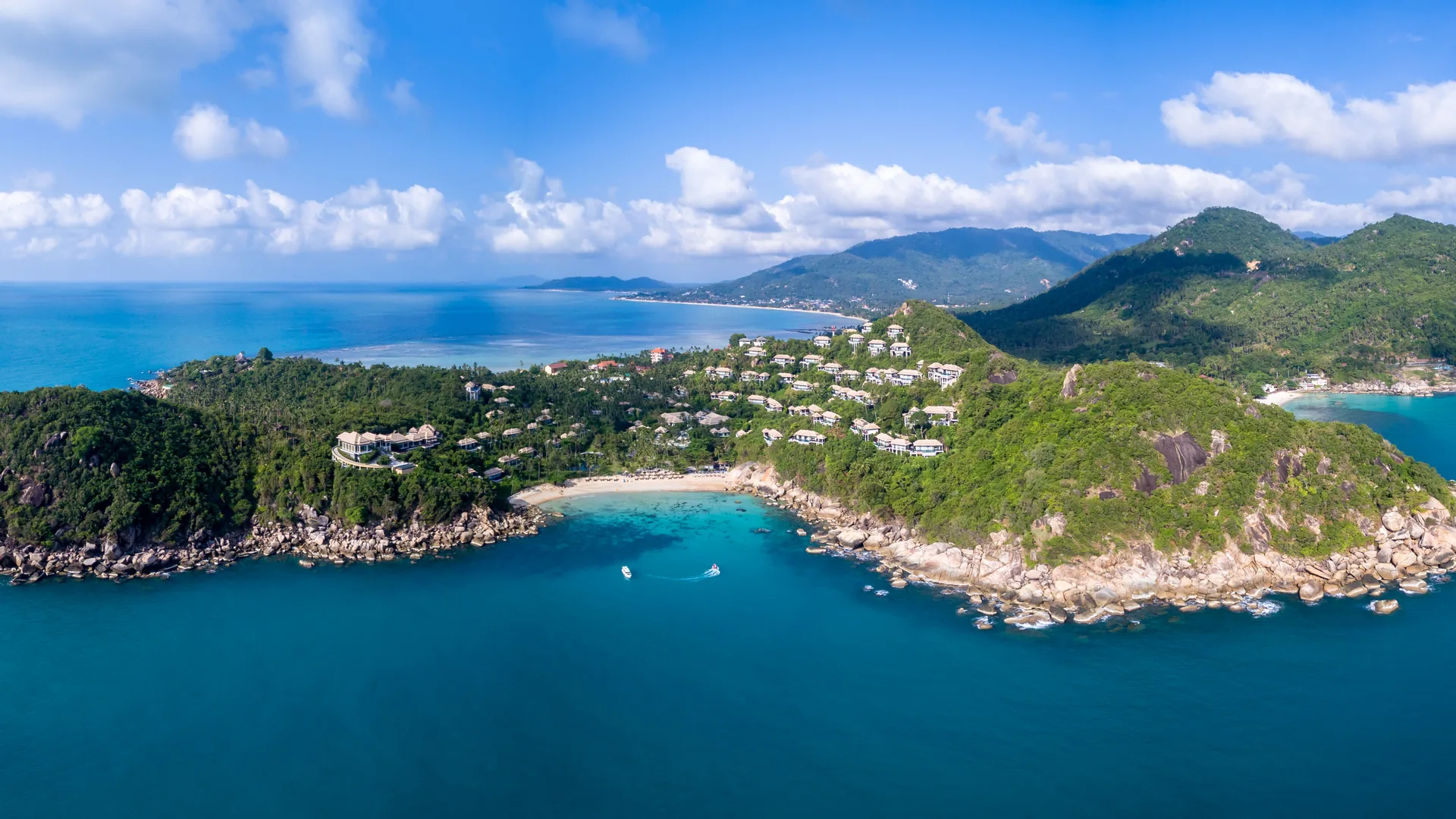
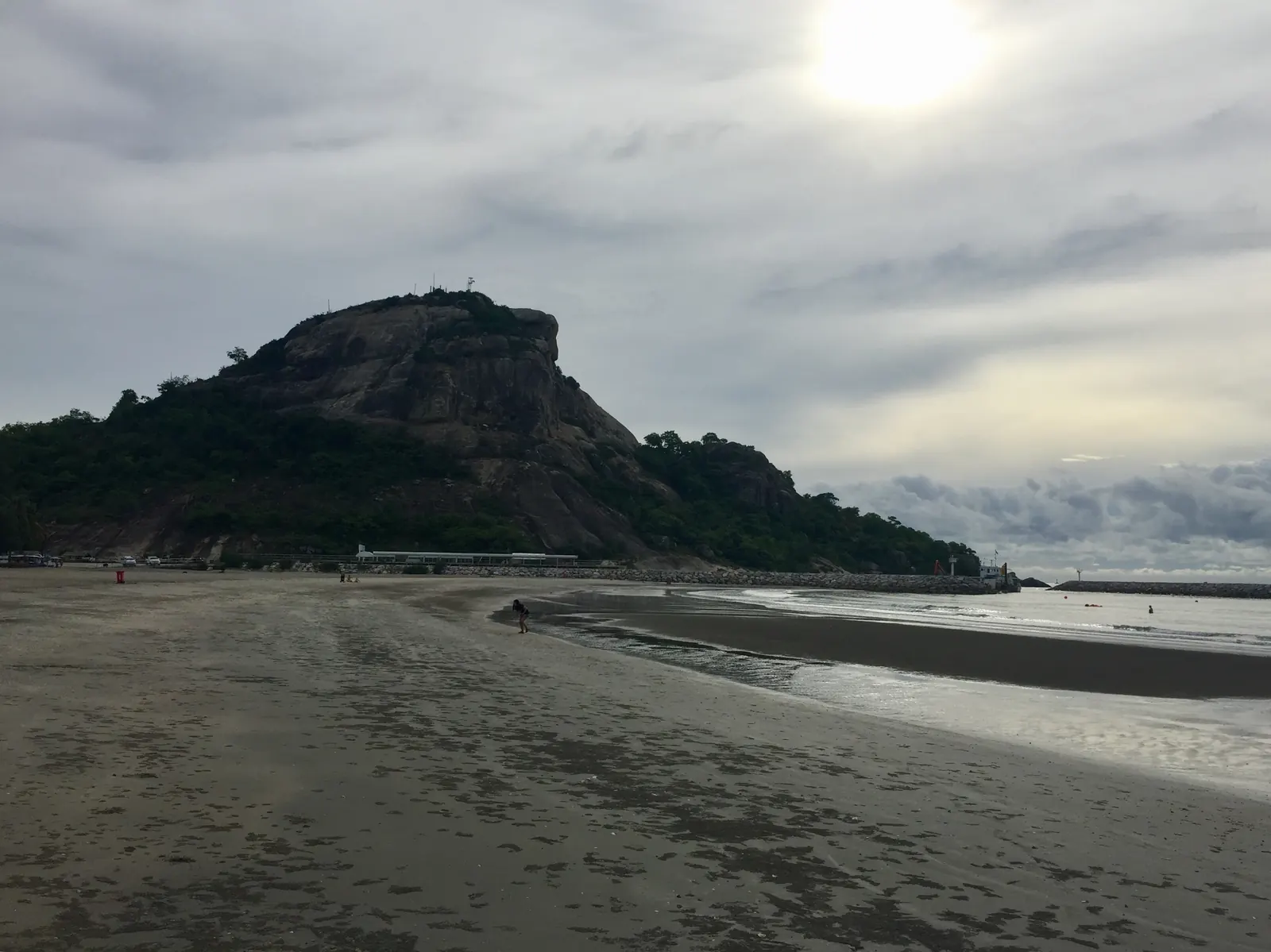
Most travellers in Thailand never get below Krabi. They fly into Bangkok, swing through Chiang Mai for a temple-and-tuk-tuk weekend, then drop themselves on a Phuket beach until their flight home. The bottom third of the country — the deep south, with its Sino-Thai port towns and Malay-influenced food and shadow puppets carved from buffalo hide since the 13th century — stays a blur outside the window of a southbound train. The Nakhon Si Thammarat night market is what you find when you actually get off. It is the loudest, weirdest, most stubbornly un-Instagrammable food scene in southern Thailand, and almost no foreigner you’ll meet there will admit to having heard of it.
Why nobody talks about the Nakhon Si Thammarat night market
The short answer is geography. Nakhon Si Thammarat — locals call it Nakhon, sometimes Khorn Khorn — sits halfway down the gulf coast, a city of about 100,000 people that’s been a regional capital since the Srivijaya kingdom decided this stretch of jungle and rice plain was worth holding. It has no airport runway long enough for international flights. The beach districts are 30 km away. The big tourist guidebooks struggle to fit it between Surat Thani and Hat Yai, so they don’t bother. The result is a city that runs at full local volume because no one has ever told it to perform for foreigners.
That includes the food scene. The Nakhon Si Thammarat night market — and more importantly the walking street that locals just call the Talat Tha, “the pier market” — does what most Thai night markets used to do before they got Instagram audiences: feed the people who live in the next street. You will queue behind teachers and motorbike-taxi drivers and grandmothers. You will not see hen parties in matching elephant trousers. You will struggle to find anything written in English. This is the entire appeal.
Getting there — and why the train is the right choice
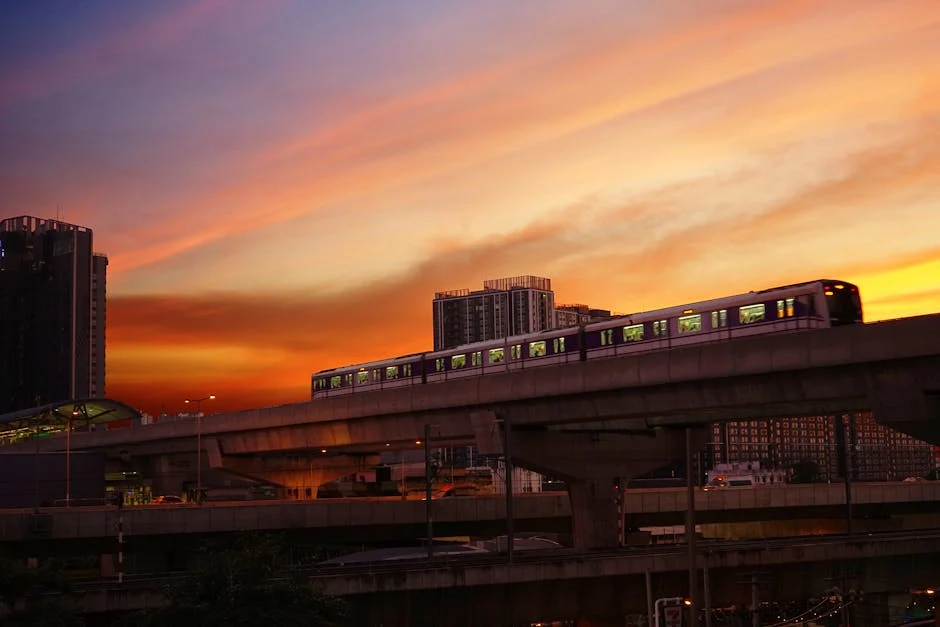
There are three sensible ways into Nakhon. Pick based on how romantic you feel about it.
- Train from Bangkok. Hua Lamphong → Nakhon Si Thammarat, roughly 12 hours overnight on the sleeper, around 1,000–1,500 THB for a second-class sleeper berth. This is the move. You wake up to coconut palms and rubber plantations and arrive at a working provincial station that hasn’t been polished for tourists. The walk into town from the station is 15 minutes and tells you almost everything you need to know about the place before you eat your first meal.
- Fly to Nakhon Si Thammarat (NST). Nok Air and AirAsia both run direct from Don Mueang. About 90 minutes. Tickets in the 1,200–2,000 THB range if you book ahead. Fast, charmless, useful if your trip is short.
- Drive from Krabi or Surat Thani. Three to four hours from either, on roads that get genuinely scenic once you cross the spine of mountains. Rent a car for 1,000–1,500 THB a day. Only worth it if you’re chaining Nakhon with the southern beaches.
A good Thailand itinerary 7 days can absorb Nakhon as a long weekend bolt-on if you’re already heading south.
The Nakhon Si Thammarat night market itself — what to expect
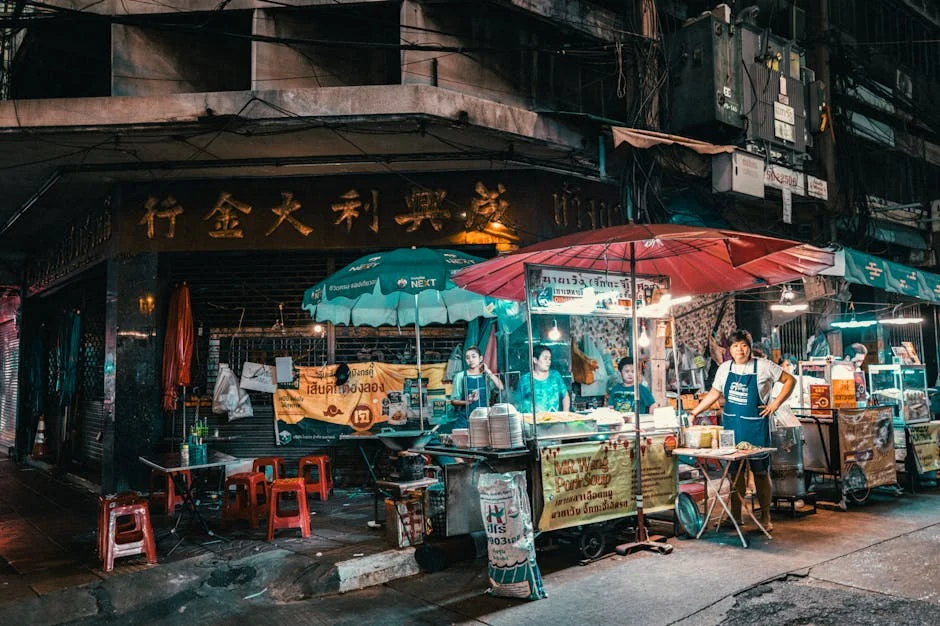
The main night-market scene clusters in the old part of town, walking distance from Wat Phra Mahathat. Different sections open on different nights, and the Talat Tha walking street really only hits full velocity Friday through Sunday evenings, from around 5 p.m. until 11 p.m. Show up midweek and you’ll find a smaller daily market still humming — but for the full chaos, target a Saturday.
What you’ll see when you walk in:
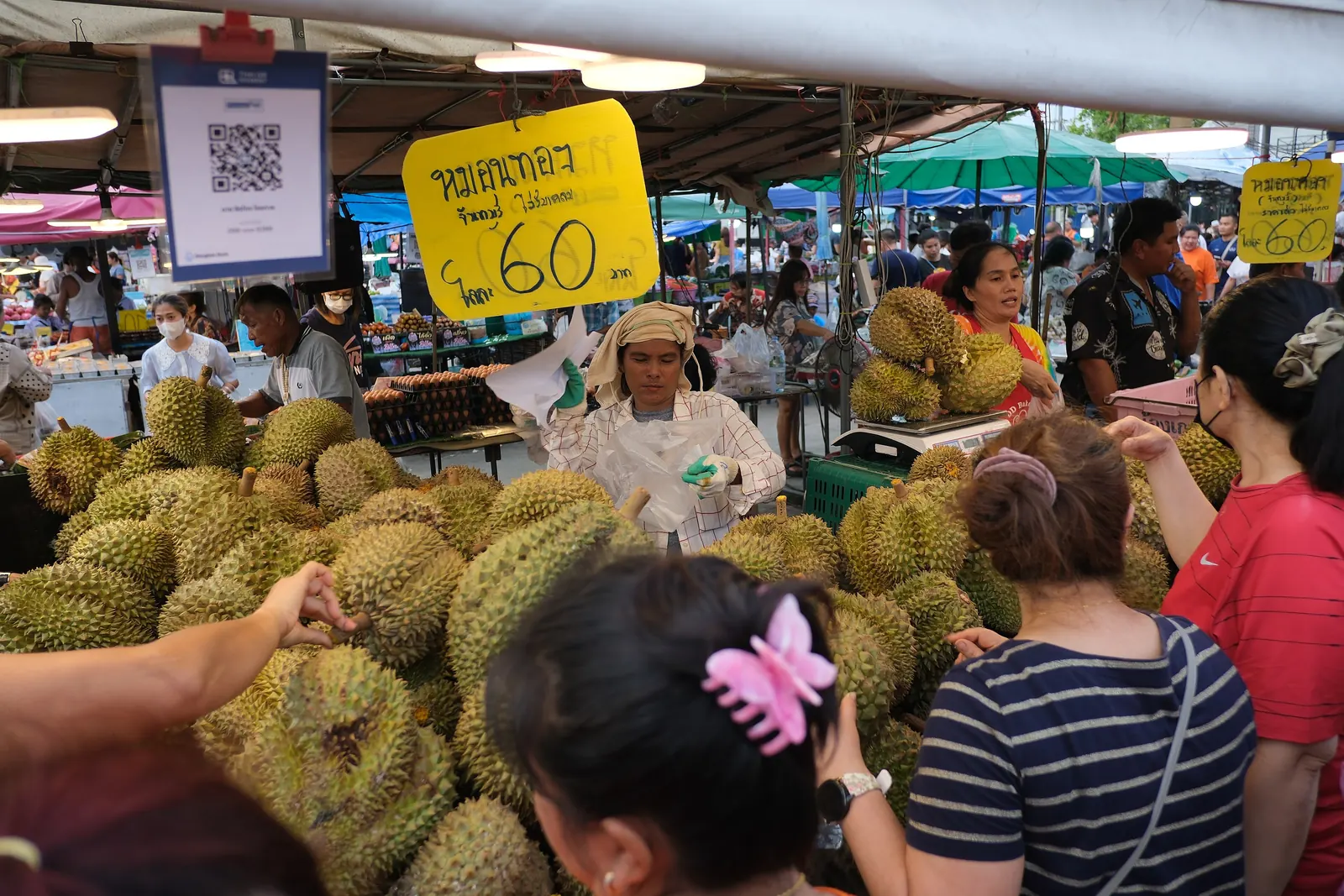
- A density of food stalls per square metre that makes Chiang Mai’s Sunday Walking Street look polite. Charcoal smoke. Hot oil. The smell of grilled banana leaves and old fish sauce that gets into your shirt and never quite leaves.
- Almost no signs in English. Pictures, sometimes. Mostly just pointing.
- Plastic stools, low tables, beer in unmarked plastic cups, and people who will move over to make room for you with the same shrug they’d give a neighbour.
- A handful of craft stalls — buffalo-hide shadow puppets, southern-style batik, hand-woven baskets — among the food. These are not separate from the food. They are the same scene.
Expect to spend 80–150 THB per person for a real meal. Beer adds another 80 THB. You will eat better here for 200 baht than you will at most restaurants in Bangkok for ten times that.
What to actually eat at the Nakhon Si Thammarat night market
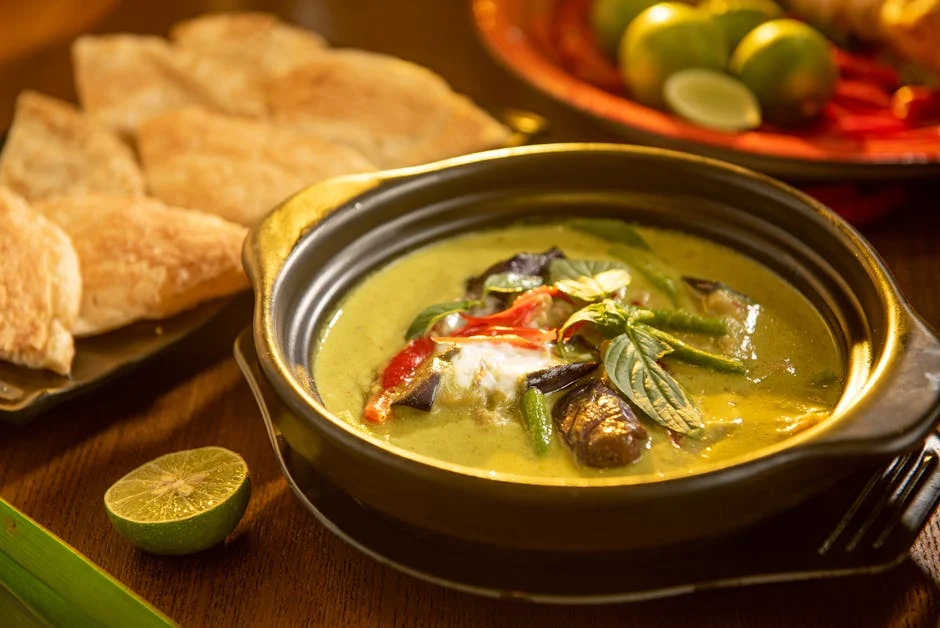
The food here is southern Thai, which means three things: it’s spicier than central Thai, it’s saltier, and it uses more turmeric and fermented fish than the Bangkok kitchens you’ve probably been eating in. If you’ve spent the last week in Phuket eating Pad Thai for tourists, this will feel like a different country.
Things to put in your face, in rough priority order:
- Khao yam. A southern rice salad — herb-flecked rice tossed with shredded coconut, dried shrimp, kaffir lime leaf, a sour-sweet budu (fermented fish) sauce, and whatever vegetables and herbs the stall has. Looks bland. Tastes like the most complicated thing you’ve ever eaten. Around 40–60 THB a plate.
- Gaeng tai pla. The dish that scares timid eaters and converts everyone else. A dark, fierce curry made from fermented fish guts, eggplant, bamboo shoots and enough chilli to remind your sinuses they exist. Order it with rice and a fried egg on top. 60–90 THB.
- Khanom jeen nam ya. Rice noodles with a yellow fish curry, served with a tray of raw vegetables and herbs you build the bowl with yourself. 50 THB and quietly one of the best things in Thailand.
- Roti. This far south, you’re in the Malay-influenced belt. Stall roti — flaky, buttery, served with sweetened condensed milk or, if you ask, with a savoury Massaman-style chicken curry — is its own institution. 30–50 THB per roti.
- Grilled fish. Gulf-coast catch, scaled and slit and salt-rubbed, cooked over coconut-husk charcoal. Eat with rice and nam jim seafood. Market price, usually 150–250 THB for a fish that feeds two.
Skip the pad Thai. You’re in the wrong region for it.
The shadow puppet workshop you can actually visit
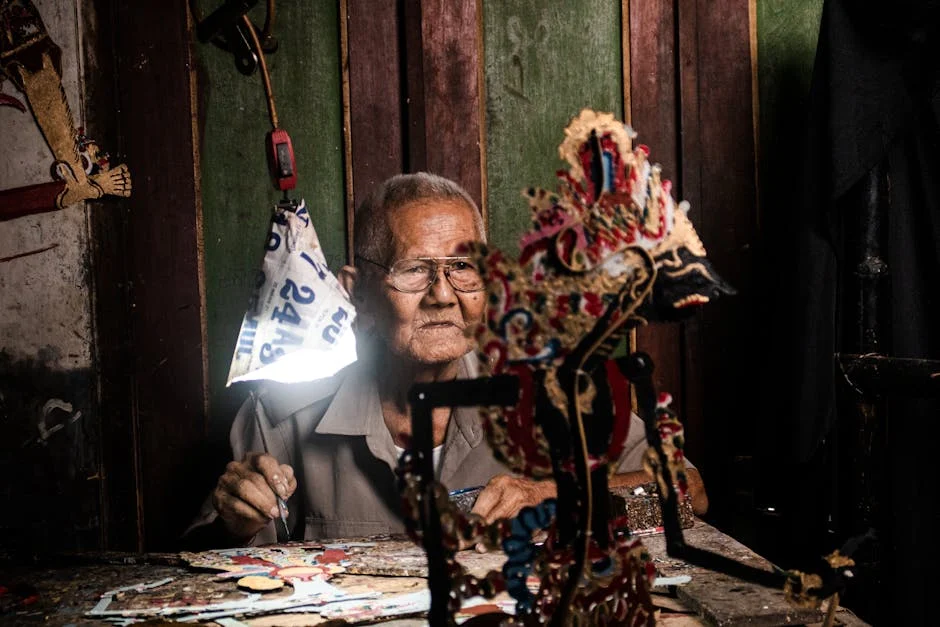
This is the part most travel guides bury and shouldn’t. Nakhon Si Thammarat is the cultural heart of nang talung — the southern Thai shadow puppet tradition. The puppets are carved from buffalo hide, perforated in geometric patterns, mounted on bamboo sticks, and animated against a backlit screen by puppeteers who chant, sing, narrate and crack jokes in a southern dialect almost no central Thai understands.
The most important workshop in town is the Suchart Subsin Shadow Puppet House Museum — a private compound run by the family of the late master Suchart Subsin, a National Artist of Thailand. It’s a working studio, not a gift shop. You can watch puppets being carved (the carving itself is hypnotic), see performances on request, and buy directly from the makers if you want a piece that isn’t from a souvenir factory.
Entry is technically free, donations welcome. Puppet purchases run from 300 THB for a small piece up to several thousand for the elaborate principal characters. Open most days, but call ahead — this is a family operation, not a museum with set hours. It’s a 15-minute walk from the night market area.
Best time to visit
- November to February: Cool by southern standards, low humidity, low rain. The walking street is at its busiest because Thai tourists from Bangkok and the south come down for weekends. Book accommodation a week ahead.
- March to May: Hot. The night market is still good — actually arguably better, because the food cools you down — but daytime sightseeing is brutal.
- June to October: Southern Thailand monsoon. Heavy afternoon rain. The market still runs; it’s covered enough. Rooms get cheaper. Beach excursions to nearby Khanom get tricky.
Avoid the Tenth Lunar Month festival (usually September–October) if you want elbow room — Nakhon hosts one of the country’s largest merit-making festivals at Wat Phra Mahathat and the city is wall-to-wall pilgrims. Visit specifically for the festival if you want to see Thai Buddhism in full, ancestral, somewhat chaotic mode.
Where to stay
Nakhon doesn’t have global hotel chains in the city centre, which is part of the point. Here are some great places to stay that actually feel like Nakhon:
- Twin Lotus Hotel — the closest the city gets to a four-star. Pool, decent rooms, 5–10 minutes by taxi to the walking street. 1,800–2,800 THB.
- The Nakhon — boutique-ish, mid-century-renovated, walkable to the night market. 1,200–1,800 THB. The sweet spot.
- Local guesthouses around Tha Chang Road — 600–900 THB for clean, basic, family-run rooms. Pick this if you want to wake up to the same street vendors you ate from the night before.
For atmosphere, target rooms in the old town between Wat Phra Mahathat and the walking street. Everything you actually want is then a 10-minute walk.
Tourist traps and honest mistakes
Nakhon doesn’t have many tourist scams — there are barely enough foreign tourists to make scamming profitable. But there are predictable foreign-traveller mistakes:
- Showing up Monday to Thursday and expecting the full walking-street scene. It runs daily as a smaller affair, but the Talat Tha walking-street version is Fri–Sun evenings. Plan accordingly.
- Eating timidly. You came this far. Order the gaeng tai pla. Order the khao yam. If a stall has a queue of locals, that’s the stall.
- Trying to use English everywhere. Less English here than in Chiang Mai or Bangkok. Learn ten words of Thai, point at what looks good, smile. The vendors are patient.
- Skipping Wat Phra Mahathat. It’s the spiritual centre of southern Thai Buddhism and a UNESCO-tentative listed temple. A 20-minute walk from the market. Don’t be the traveller who ate dinner and skipped the 14th-century temple in the same town.
- Treating the city as an afternoon stopover. Two nights minimum. Three is better. The walking street is a Saturday. Don’t arrive Saturday afternoon and leave Sunday morning.
If you do this trip right, it pairs beautifully with the best things to do in Bangkok on the way down and a beach week in Khanom or further south on the way back.
Final thought
The Nakhon Si Thammarat night market is what southern Thai cities looked like before tourism started writing menus in English. It is loud, hot, and indifferent to whether you enjoy it. That indifference is what makes it good. Go for the food, stay for the shadow puppets, and don’t be surprised if you end up extending your trip by two days because there’s a curry stall you didn’t get to.
FAQ
Is the Nakhon Si Thammarat night market worth visiting?
Yes — if you’ve already done Bangkok, Chiang Mai, or the islands, and you want to see the southern Thai food and culture scene at its most authentic. Skip it if your Thailand trip is under a week or you’re allergic to spicy food.
What time does the walking street market open?
The main Talat Tha walking street runs Friday to Sunday evenings, roughly 5 p.m. to 11 p.m. A smaller daily night market runs nearby on weekdays from around 5 p.m.
How many days do you need in Nakhon Si Thammarat?
Two nights is the minimum to do the city justice — one for the walking street, one for the temple, shadow puppet workshop, and the surrounding area. Three nights lets you fit in a day at Khanom beach.
Is Nakhon Si Thammarat safe for travellers?
Yes. Very. It’s a working provincial city with low crime and friendly locals. Standard Thailand travel sense applies — keep your wallet on you, don’t flash valuables.
Do people speak English in Nakhon Si Thammarat?
Less than Chiang Mai, more than rural Isan. Hotels and a couple of cafés cater to English speakers. The night market mostly does not. Bring Google Translate and ten words of Thai.
What’s the best dish to try at the Nakhon Si Thammarat night market?
If you can only eat one thing, make it khao yam — the southern rice salad. If you can eat two, add gaeng tai pla, the fermented-fish curry. Both are uniquely southern and unlikely to be on any menu you’ve eaten from this trip.
How do I get from Bangkok to Nakhon Si Thammarat?
Three options: overnight sleeper train (12 hours, 1,000–1,500 THB, the romantic move), direct flight to NST airport (90 minutes, 1,200–2,000 THB), or a long bus from Sai Tai Mai (around 12 hours, 700–1,000 THB).
Related guides
- Where to Stay in Phuket: The Complete 2026 Guide
- Songkhla Old Town: Sino-Portuguese Streets and the Southern City Most Foreigners Skip
- Southern Thai Cuisine: 6 Essential Dishes and the Cultures Behind Them
Explore Southern Thailand
Book the trip
Some links below are affiliate links. If you book through them we may earn a small commission at no extra cost to you — it helps keep Destination Thailand independent.
Getting here: Compare flights, trains and buses to Nakhon Si Thammarat on 12Go. Flying is quickest, but the overnight train gets you in early enough for the morning market.