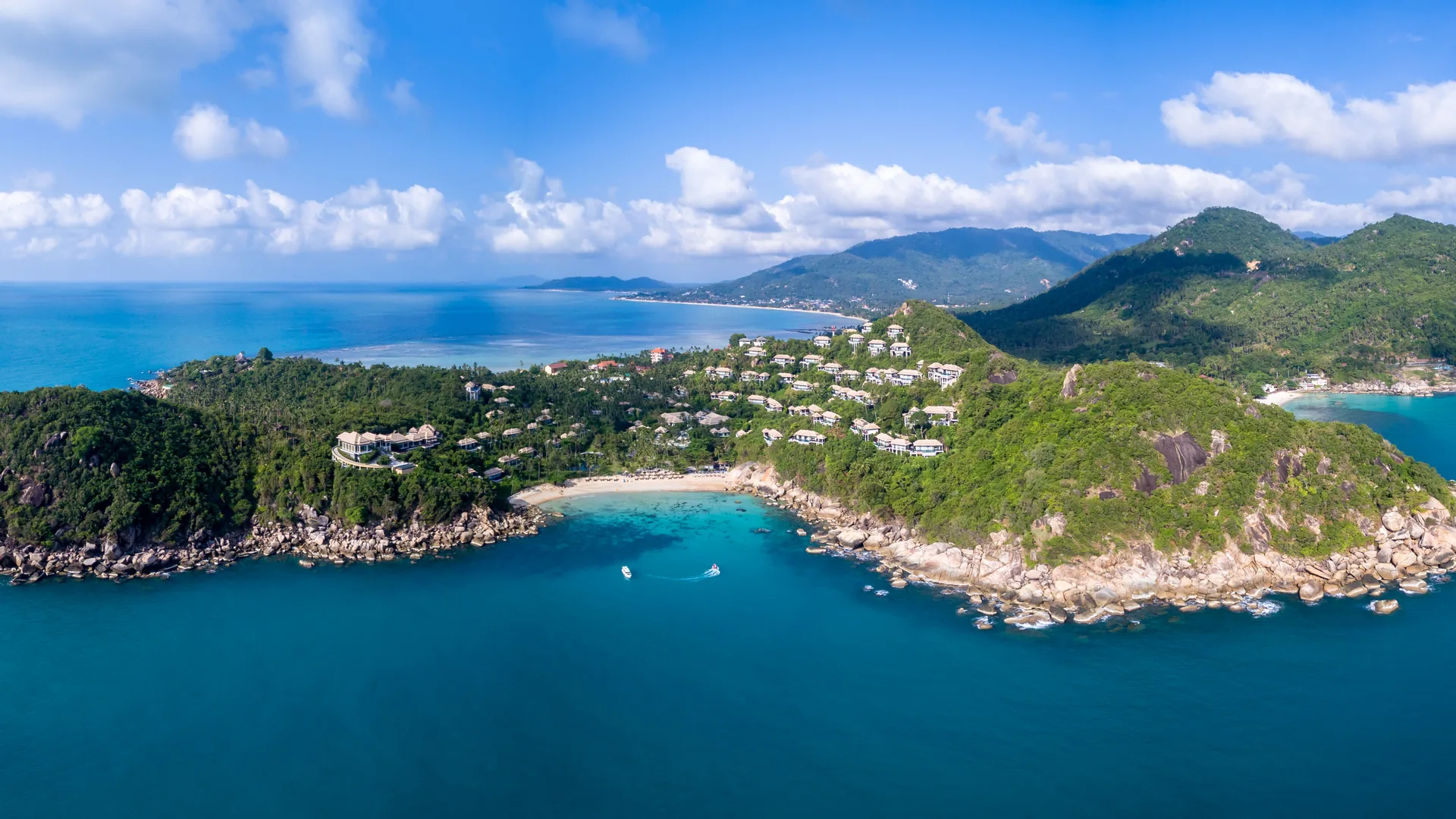
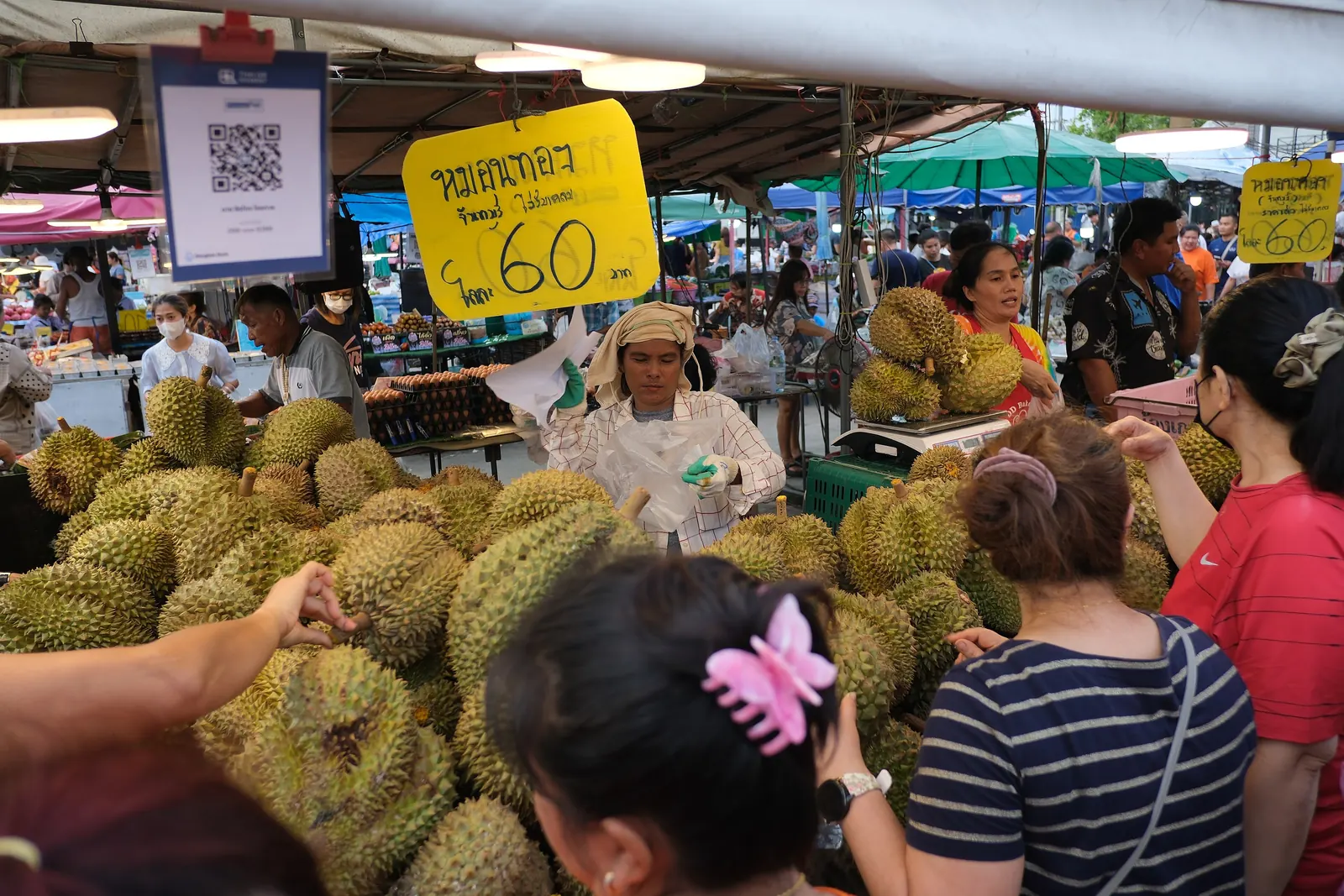
Southern Thai cuisine punches you in the face with chilli heat, coconut richness, and seafood straight from the Andaman Sea—it’s the spiciest, boldest corner of Thai food, far from the mild tourist slop up north.[2][3] What makes it special? It’s not some watered-down Bangkok version; this is raw, fiery heritage born from Malay Muslims, ancient Indian traders, Javanese influences, and Thai-Chinese twists, all colliding on a peninsula drowning in turmeric, wild herbs, and preserved fish.[1][3][5][6] Forget the hype around pad Thai—Southern Thailand cuisine is turmeric curries, beetle dips, and pork braises that demand sweat and respect. Surprising? Yeah, how a seafood-soaked strip of land turned chillies into weapons while the rest of Thailand plays nice.
Must-Try Dishes in Southern Thai Cuisine
These aren’t gimmicks; they’re the gut-punch essentials of Southern Thailand cuisine. Each one’s a story of sea, spice, and survival—order smart, or you’ll regret it.
Gai Golae: Smoky Chicken Skewers with Malay Soul
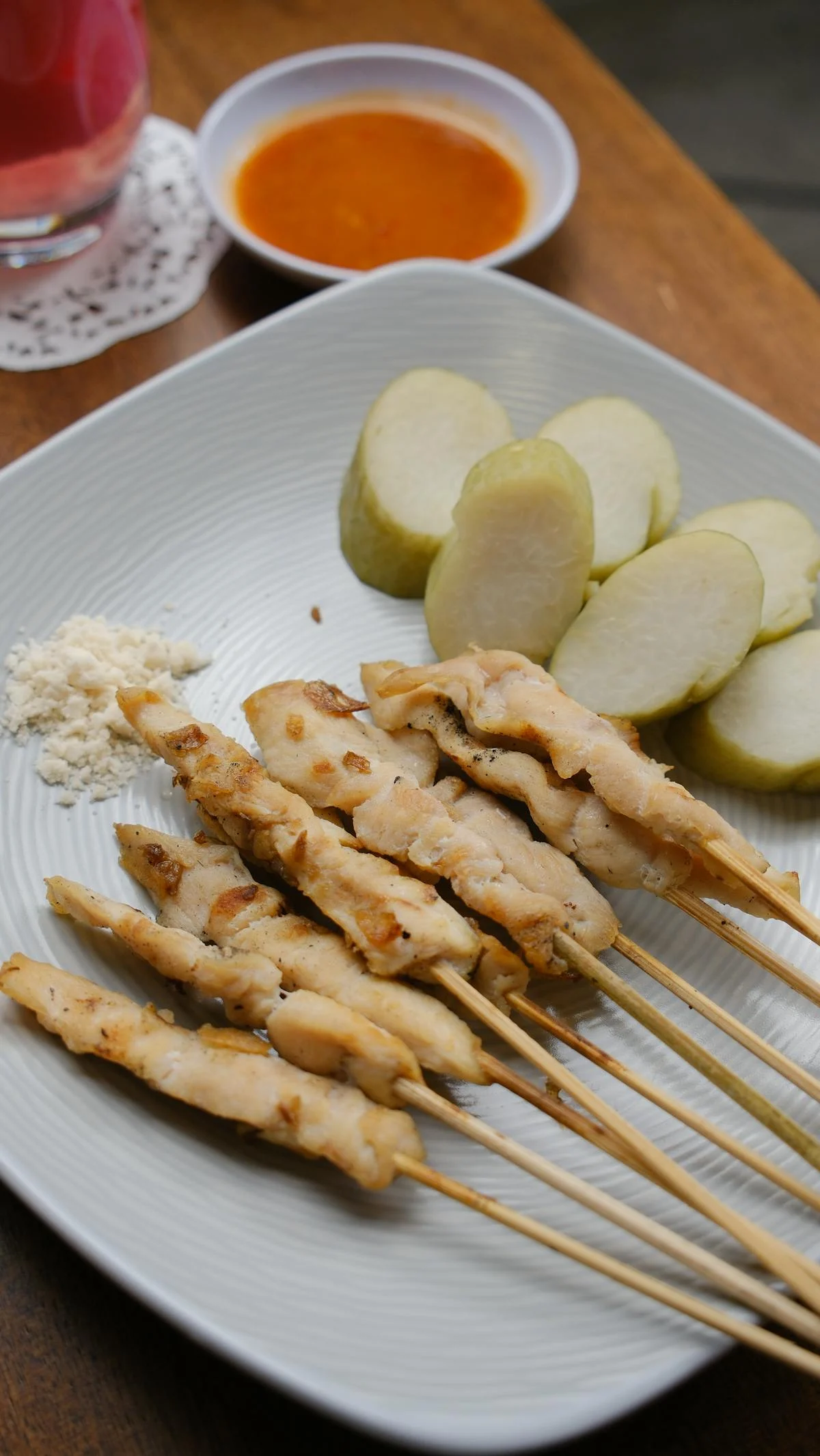
Spiked chicken bathed in a brutal marinade of chillies, turmeric, ginger, roasted coconut, and cashew nuts, slow-charcoaled for smoky perfection, served with cucumber pickle and sticky rice.[1] Best version? Hit Roti Gau in Satun (near the Malaysian border), where Muslim influences shine—150-200 Baht for a plate that feeds two.[1] Ordering tip: Ask for pet nit noi (mild spicy) if you’re a lightweight; real ones go full fire.
Moo Hong: Sweet-Sour Pork Belly Braise
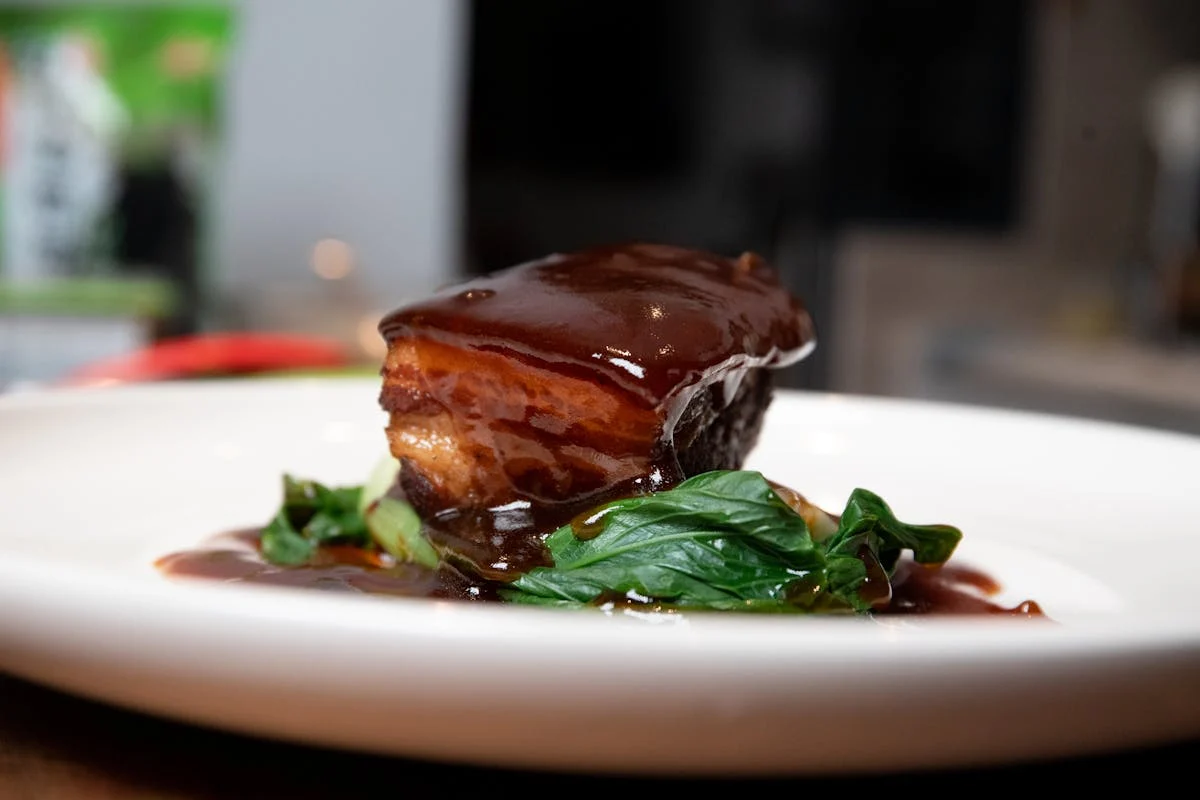
Slow-braised pork belly in a glossy sauce of palm sugar, soy, five-spice (cassia, star anise heavy), and fermented soy beans—Thai-Chinese fusion that’s sticky, tender, and unapologetically indulgent.[1][6] Track the definitive plate at Nong Joke in Hat Yai, blending southern Thai with Peranakan flair—120 Baht per portion.[1] Ordering tip: Pair with jasmine rice to cut the richness; skip if you hate sweetness masking pork fat.
Gaeng Som Pla: Sour Fish Curry Explosion
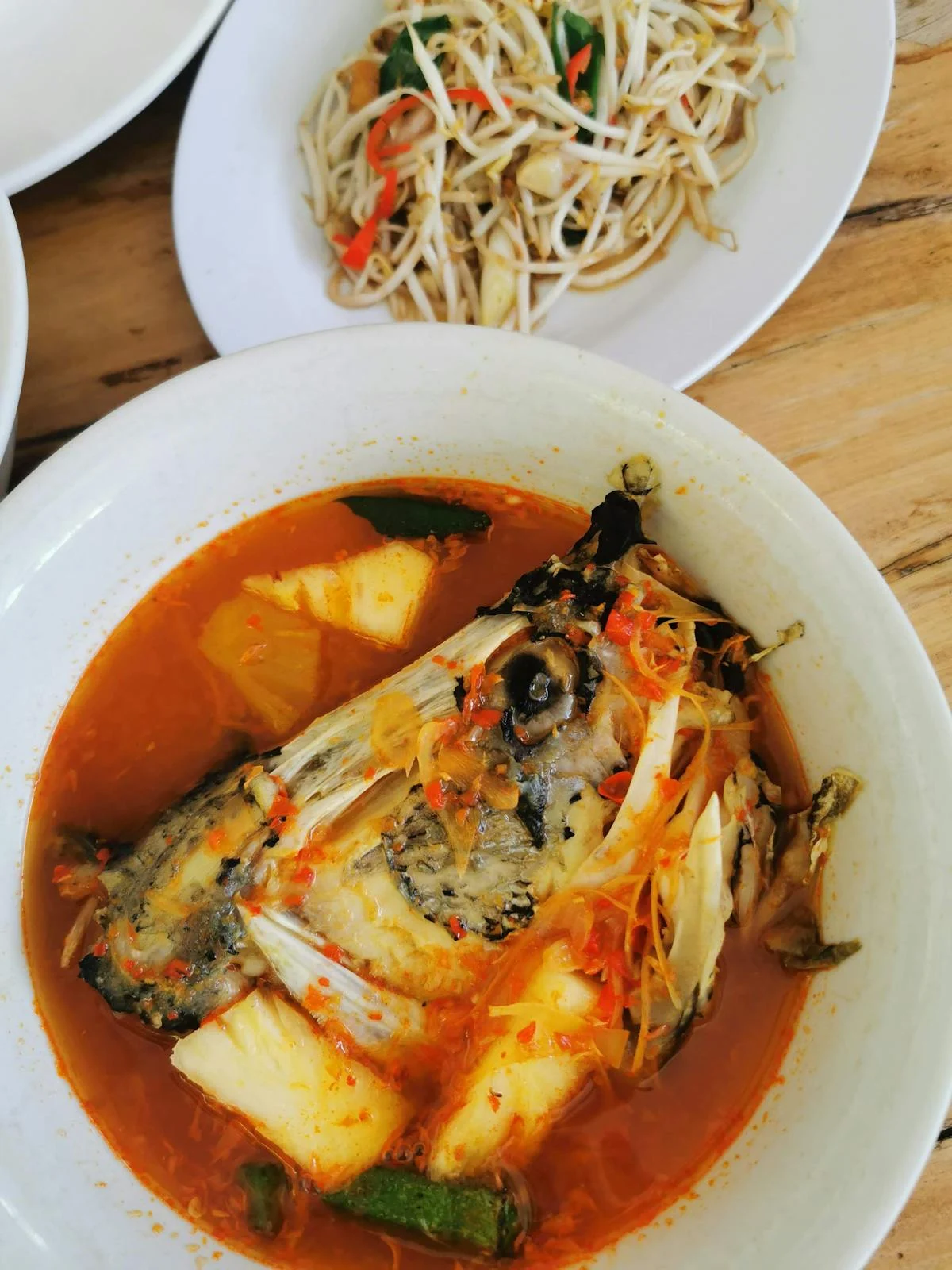
Thin, fiery orange curry of white perch, gooseberries, and turmeric—tart, spicy, and fish-forward, no coconut to tame it.[1] Phun Ban in Trang serves the spiciest, wildest take—100 Baht for a bubbling bowl.[1] Ordering tip: Specify pla krapong (sea bass) fresh that day; eat with morning glory for crunch.
Nahm Prik Goong Sot: Raw Shrimp Relish
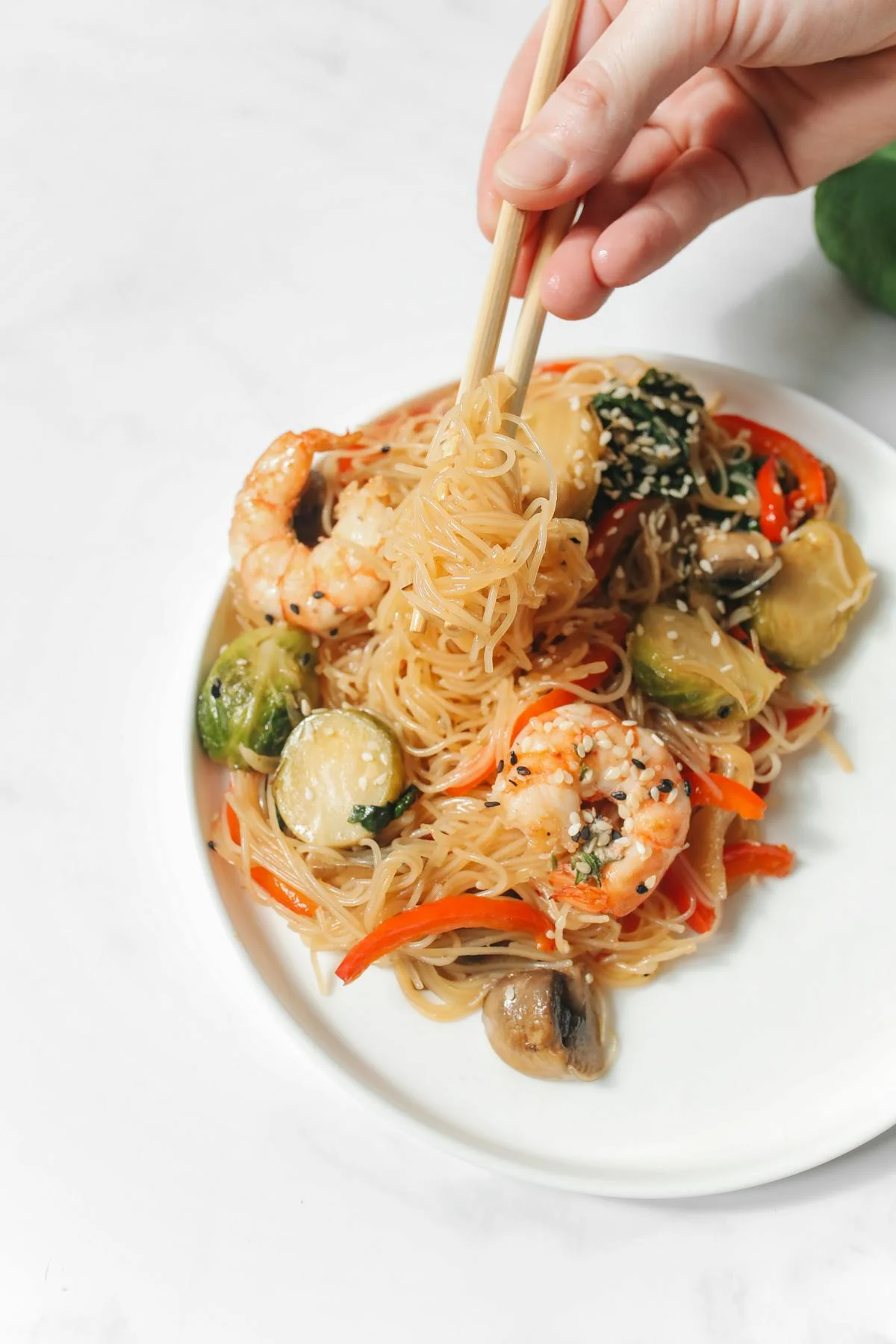
Shrimp cured in shrimp paste and chillies, like a Thai ceviche, with sea grapes, bamboo shoots, cashew leaves, and white turmeric—fermented funk meets ocean pop.[1] Nong Joke in Hat Yai nails it with Thai-Chinese edge—80 Baht side that steals the show.[1] Ordering tip: Dip raw veggies provided; chilli-averse? Pass—this is Southern Thailand cuisine‘s gateway drug.
Kua Kling: Dry Turmeric Pork or Deer Stir-Fry
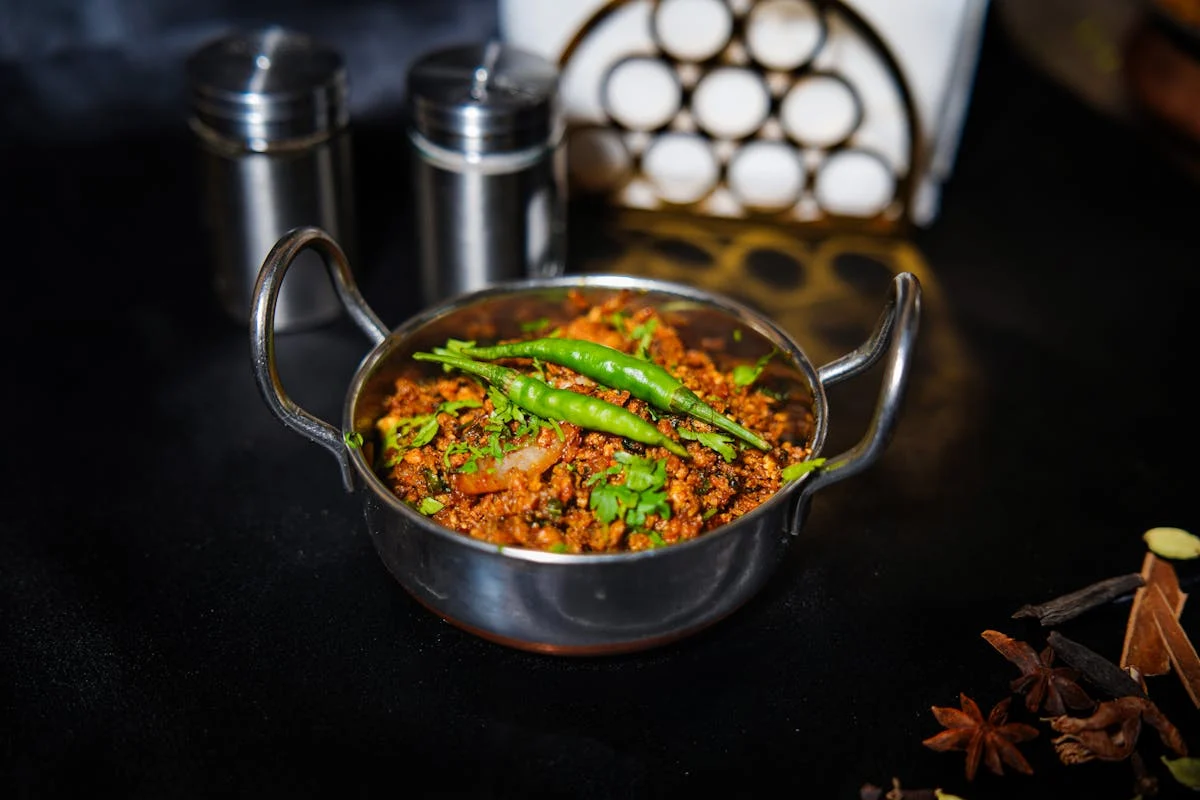
Minced pork (or wild deer) blasted with turmeric, galangal, lemongrass, and peppercorns—no gravy, just dry, scorching heat.[1][5] Phun Ban in Trang does deer with green peppercorns—180 Baht, face-meltingly good.[1] Ordering tip: Order khao neow (sticky rice) mandatory; it’s the extinguisher.
Nahm Prik Maeng Da: Beetle and Shrimp Paste Dip
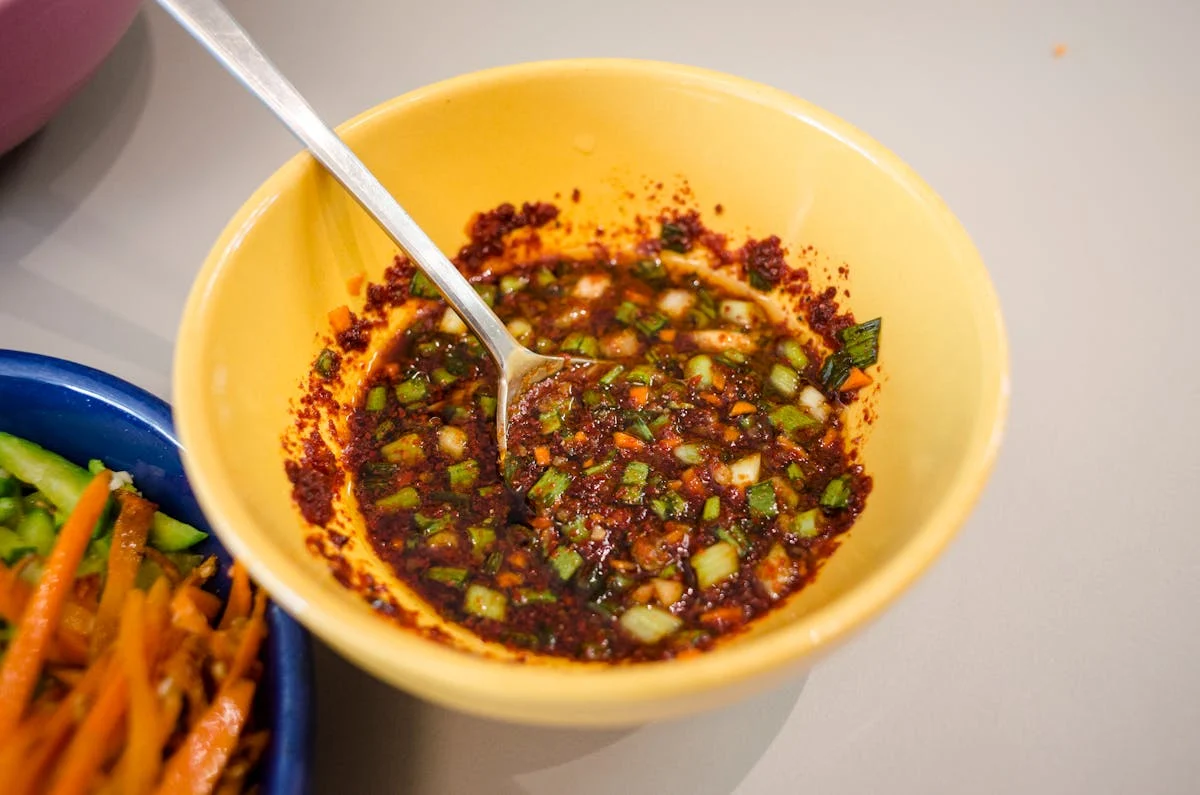
Chilli dip of water beetles, shrimp paste, and chargrilled stink beans (sator)—bitter, pungent, seafood bomb that screams southern wild.[1][5] Again, Phun Ban in Trang for the authentic gut-check—70 Baht.[1] Ordering tip: Start with a small taste; if it doesn’t make your eyes water, you’re not alive.
Where to Go for Authentic Southern Thailand Cuisine
Chase the real deal in peninsula hotspots where Southern Thailand cuisine thrives on fresh hauls and zero compromise. Trang’s breakfast stalls and Phuket‘s old shophouses lead, but Hat Yai’s urban edge delivers too.[5]
- Trang: Pork factories and street carts—Phun Ban for country ferocity, or roadside gai golae spots like Gai Yang Moo Yang (skewers 50 Baht).[1]
- Hat Yai: Melting pot of Thai-Malay-Chinese. Nong Joke for relishes and bak kut teh pork broth (100 Baht).[1] Hit Chokdee Dim Sum nearby for har gow and bitter gourd pork (60 Baht per steamer).[1]
- Satun and Pattani: Deep south Malay heartland—roti stalls and roti gai golae fusions. Roti Gau in Satun for border authenticity (100 Baht set).[1]
- Phuket and Krabi: Seafood heaven, but dodge tourist traps. Old Town Phuket’s wet markets for nahm prik stalls (40 Baht dips); Krabi’s Night Market for gaeng som (80 Baht*).[4][5]
- Nakhon Si Thammarat: Urban southern soul—Manee Sri for turmeric curries (120 Baht).[5]
Skip Bangkok “southern” spots; they’re diluted lies. Fly into Krabi or drive from Phuket—rent a scooter (200 Baht/day) for backroad shacks.
When to Go for Peak Southern Thailand Cuisine
Timing’s everything in Southern Thailand cuisine—monsoon drowns flavours, dry season amplifies them.
- Prime: November to April—dry, sunny, seafood peaks. Turmeric fresh, beaches calm for post-feast swims. Trang’s food fest in January draws locals.[4]
- Avoid: May to October—southwest monsoon lashes Phuket/Krabi; northeast hits Pattani. Flooded roads, wilted herbs. If you must, east coast (Trang) stays drier.
- Daily rhythm: Dawn markets for gaeng som breakfast (50 Baht bowls). Nights for gai golae grills. Thursdays? Hat Yai markets explode mid-week.
Tips for First-Timers Tackling Southern Thailand Cuisine
You’re not ready, but here’s how to survive Southern Thailand cuisine without crying uncle.
- Heat Management: Southern means pet mak (very spicy) default. Say mai pet (not spicy) upfront, but man up—dairy-free, so rice or cucumber pickle saves you.
- Seafood Freshness: Sniff before biting; Andaman’s bounty rots fast in heat. Wild-caught > farmed.
- Pairings: Sticky rice (khao niaow) for dry dishes, jasmine for curries. Beer (Singha 60 Baht) cuts chilli; no wine pretensions here.
- Street vs Shop: Stalls win for vibe—plastic stools, no AC. 20-50 Baht plates beat restaurants. Haggle politely.
- Allergies/Mods: Shrimp paste everywhere—tell ’em mai sai gapi. Vegetarians? Turmeric curries sans fish, but limited.
- Budget: 200-400 Baht/day feeds you like a king. Markets rule; apps like GrabFood betray authenticity.
- Etiquette: Eat family-style, share plates. Slurp soups loud—compliment means aroi mak.
- Health Hack: Probiotics post-beetle dips. Hydrate with young coconut (30 Baht).
This fire isn’t for faint hearts—Southern Thailand cuisine rewards the bold with flavours that’ll haunt your dreams.
Practical Info
Getting There: Fly Bangkok (Suvarnabhumi) to Krabi/Phuket (1.5hrs, 2,000-4,000 Baht return). Trains to Surat Thani then bus south (500 Baht). Scooter rental 200-300 Baht/day—helmet law strict.
Costs: Meals 50-200 Baht. Guesthouses 800 Baht/night in Trang. Total trip (7 days): 10,000 Baht solo.
Contacts: Trang Tourism: +66 75 219 555. Hat Yai markets open 5AM-10PM.
Warnings: Deep south (Pattani/Yala) advisory—stick to Trang/Satun/Hat Yai for safe eats. Mosquito repellent essential.
Related guides
- The Five Tastes of Thai Cuisine: A Practical Guide to What You’re Actually Eating
- Chiang Mai mornings — six places to breakfast like a local
- A grammar of Thai fruit — what to eat, when, and how to ask for it