Cover story · Islands
In this guide
Koh Lanta is part of Krabi province — one of the most geographically varied in Thailand, stretching from mangrove coastline to limestone karst islands. If you want to extend the trip or understand the wider region, our Krabi province guide covers the full archipelago, mainland beaches, and how the ferry network connects it all. Basing on the mainland first? Where to stay in Krabi sorts Ao Nang from Railay from Town.
There is a version of Koh Lanta that lives on travel blogs — neon-lit bars, full-moon parties, the whole Phi Phi-lite of it. Ignore it. The island that earned its reputation sits further south, past the last ATM, where the road narrows and the signs give up on English.
We spent seven days tracing the coast from Saladan pier down to the edge of Mu Koh Lanta national park. No itinerary, no dinner reservations, no step counter. Just a motorbike, a dry bag, and the kind of indifference to arrival times that only Thailand can teach you.
Where to stay
The north end of the island has the resorts. The south has the character. Book three nights at a family-run bungalow in Kantiang Bay — you’ll pay a third of the Klong Dao rate and wake up to nothing but cicadas and the hush of low tide.
Compare Koh Lanta hotels on Agoda (affiliate link — same price for you) — Long Beach for first-timers, further south for the quiet.
The one meal worth the detour
Drive twenty minutes past the last beach on the map. There’s a shack with no sign, run by a woman who only cooks crab curry and only cooks it until it runs out — usually by two in the afternoon. Order it with roti, not rice. Thank us later.
Getting to Koh Lanta
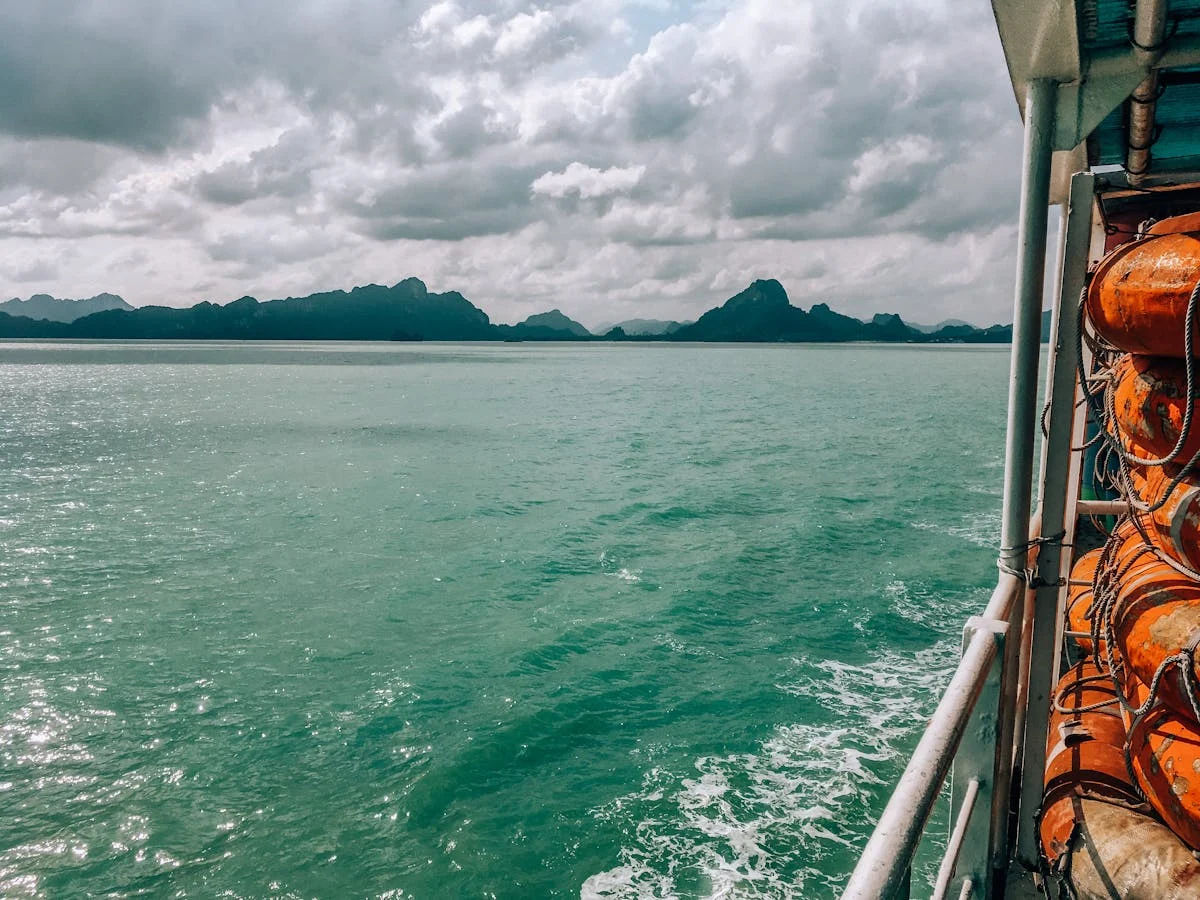
From Krabi Airport, the standard route is a minivan transfer to the ferry pier at Ban Ko Lanta (about 75 minutes, 200 baht) followed by a 30-minute car ferry across to Koh Lanta Noi and a second short crossing to Koh Lanta Yai. From Krabi Town, express boats run the route in high season (November–May) in around 2 hours for 350–450 baht. From Phuket, a combined minivan-ferry transfer takes approximately 3.5 hours and costs 350–500 baht. Direct ferry services from Koh Phi Phi run once or twice daily in high season (about 1.5 hours, 400 baht). The car ferries between the two parts of the island run 24 hours a day and are free — Koh Lanta Yai and Koh Lanta Noi are effectively connected by road.
The beaches, from north to south
Long Beach (Hat Khlong Dao) — the longest and most developed stretch on the west coast. Good swimming, reliable sunset views, a wide range of accommodation. The most convenient beach for eating and getting around, and the one that fills up first. Best for first-time visitors or those who want easy access to restaurants and dive shops.
Phra Ae Beach — north of Long Beach, slightly quieter, with a few high-end resorts and several mid-range guesthouses. Good swimming. A consistent choice for repeat visitors.
Khlong Nin Beach — roughly in the middle of the west coast, with the best concentration of independent restaurants and bars on the island. Rocky headlands at each end, clear water in the middle section. The Drunken Sailors bar and the Italian restaurant Naturale are both here, both consistently good. Less crowded than Long Beach.
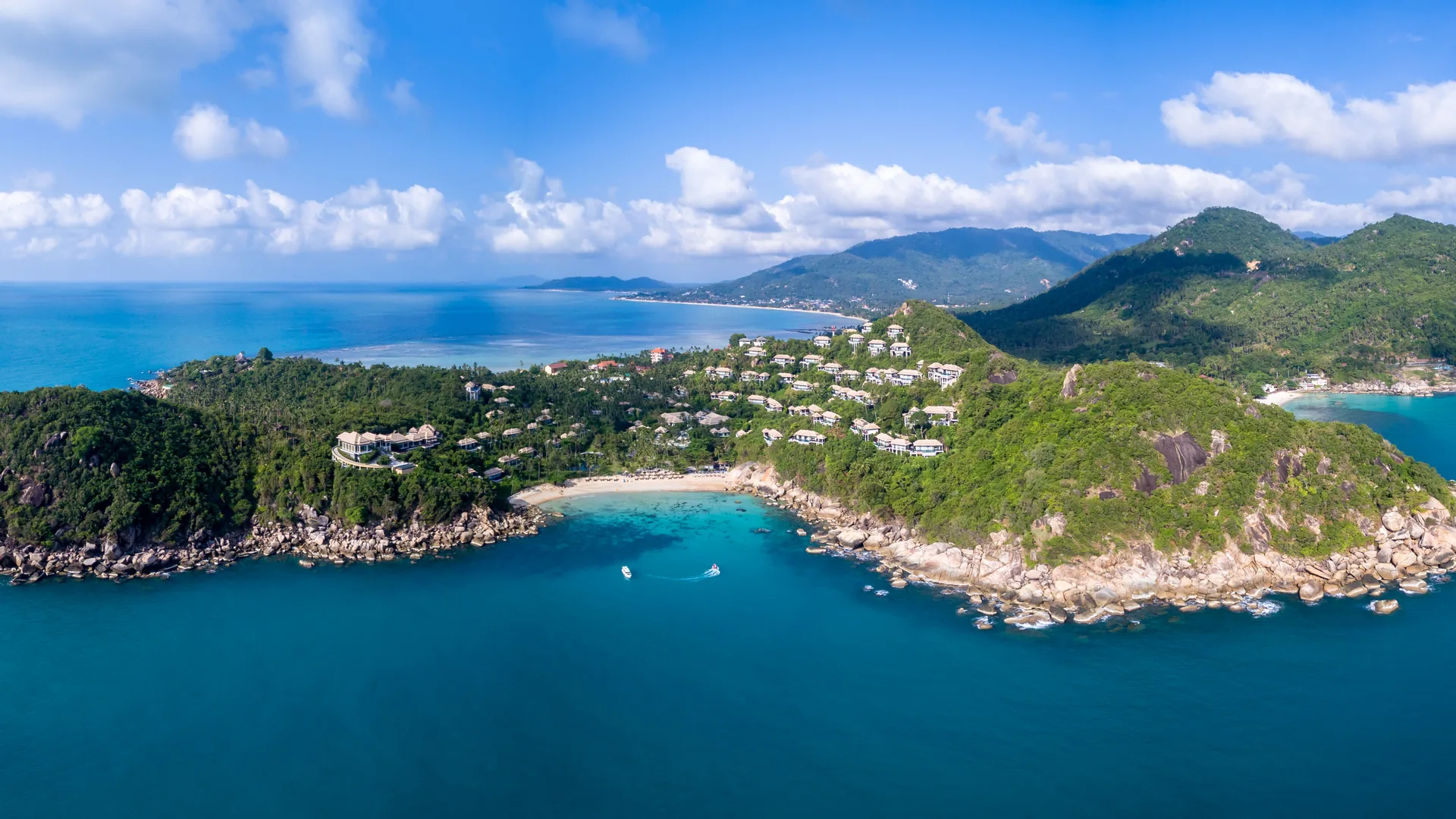
Kantiang Bay — a sheltered bay in the south with one of the island’s few genuine luxury resorts (Pimalai) and a handful of mid-range options. The bay is calm and beautiful. The road from the north takes 25 minutes; the journey is worth it for the evening light on the headland.
Lanta Old Town
On the east coast — facing the mainland rather than the sea — Lanta Old Town is the original settlement, a 200-year-old Chinese-Malay fishing community built on stilts over the water. The main street has a handful of excellent restaurants (the view from Ban Saladan pier at sunset is genuinely special), a few guesthouses, and a mood entirely different from the resort beaches on the other coast. The community is Muslim-majority in the south of the island; the Old Town reflects the mixed Chinese, Malay, and Thai heritage of Koh Lanta’s original fishing families. An afternoon here between beach days is time well spent.
Snorkelling and diving
Koh Lanta is one of the best dive bases on the Andaman coast, with access to world-class sites including Hin Daeng and Hin Muang — two seamounts about 40km offshore that attract whale sharks and manta rays from February to April. Day dive trips to these sites run 2,500–3,500 baht from the island’s several reputable dive operators (Blue Planet Divers and Scuba Fish are well-reviewed). For snorkelling, the national park at the southern tip offers good shallow reef accessible by longtail from any beach. Koh Rok, about 45 minutes south by speedboat, has clear water and a reef in excellent condition — day trips run 1,500–2,000 baht.
When to go and how long to stay
November to April is the dry season — reliable sunshine, calm seas, and the full range of boat trips available. May to October is monsoon season; most resorts reduce rates significantly but some close entirely, boat trips to outer islands are suspended, and the sea is rough. For the slow-road experience the post describes, three to five days on the island is the natural duration — enough time to cover all the beaches, make a day trip to Koh Rok, spend an evening in Old Town, and not feel rushed. A week is not excessive if snorkelling and diving are the priority.
Frequently asked questions
Is Koh Lanta good for families? Yes — the beaches on the northwest coast are calm with gentle gradients and no strong currents. Long Beach and Phra Ae Beach are the best family beaches. Most mid-range resorts are family-oriented with pools and restaurants on-site.
Do you need a motorbike on Koh Lanta? A motorbike or scooter is the most practical way to move between beaches, which are spread across 30km of island. Rentals cost 200–300 baht per day for a 125cc automatic. The roads are paved and straightforward. Songthaews (shared pickup trucks) run the main road but infrequently.
Is Koh Lanta better than Koh Phi Phi? They offer different things. Koh Phi Phi is smaller, more dramatic, and more intensely social. Koh Lanta is quieter, larger, more spread out, and better suited to visitors who want a slower pace, better diving, and less of the backpacker-resort intensity of Phi Phi.
Frequently Asked Questions
Is Koh Lanta good for families?
Yes — Long Beach and Phra Ae Beach are calm with gentle gradients. Most mid-range resorts are family-oriented with pools and restaurants on-site.
Do you need a motorbike on Koh Lanta?
A motorbike or scooter is the most practical way to move between beaches. Rentals cost 200–300 baht per day for a 125cc automatic.
Is Koh Lanta better than Koh Phi Phi?
They offer different things. Koh Lanta is quieter, larger, and better suited to visitors who want a slower pace and better diving.
Related guides
- Where to Stay in Phuket: The Complete 2026 Guide
- Nakhon Si Thammarat Night Market: The Southern Thai Food Scene Tourists Keep Missing
- Things to Do in Pattaya Beyond the Bars: The Daytime City Most Travellers Miss
Keep exploring the Andaman
Getting to Koh Lanta
Some links below are affiliate links. If you book through them we may earn a small commission at no extra cost to you.
Reach the island: Book the ferry, minivan and transfers to Koh Lanta on 12Go.