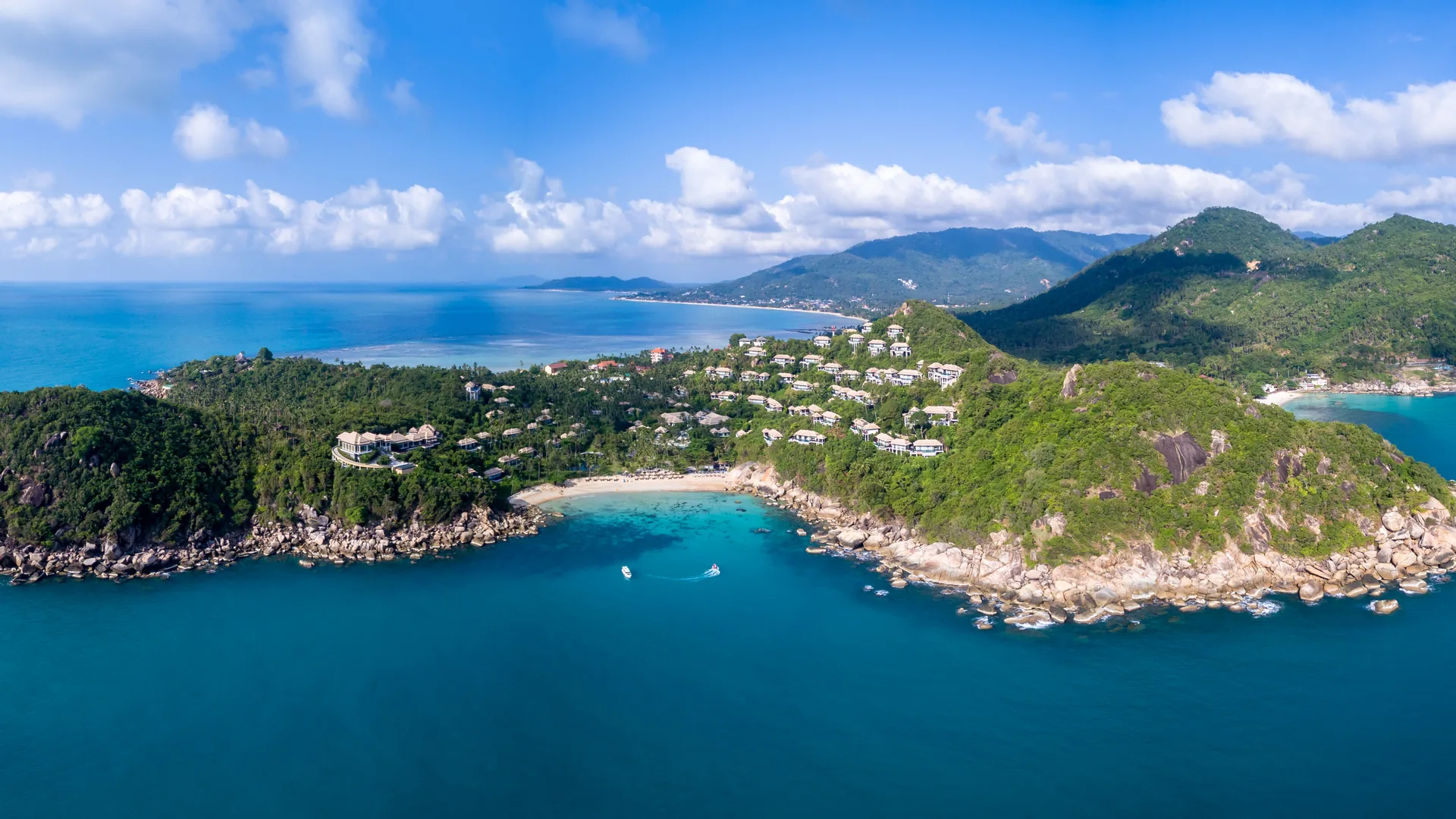
Chanthaburi is what happens when a Thai province gets rich without needing tourists. Roughly half the country’s durian and a serious share of the world’s ruby and sapphire trade move through this small eastern city, and the result is a place that could not care less whether you turn up. Which is exactly why you should.
About 250 kilometres east of Bangkok on the road to Trat and Cambodia, Chanthaburi offers a weekend gem market where fortunes change hands over folding tables, Thailand’s largest Catholic cathedral, and a 300-year-old riverside quarter where you can eat noodles in a wooden house that predates the United States. The dry facts live in our Chanthaburi province profile; this is the opinionated version.
One warning: there is no swim-up bar here. Chanthaburi is a working town — gems, fruit, fishing — that happens to be one of the most rewarding walks in eastern Thailand. If that sounds dull, Pattaya is two hours back up the highway. Off you go.
What Chanthaburi really is
Three towns wearing one name. The first is a gem town. The mines here produced rubies and sapphires for centuries; the pits are now largely worked out, but the expertise never left. Rough stones fly in from Madagascar, Mozambique and Sri Lanka to be cut, heat-treated and traded in Chanthaburi, because the skill turned out to be worth more than the dirt.
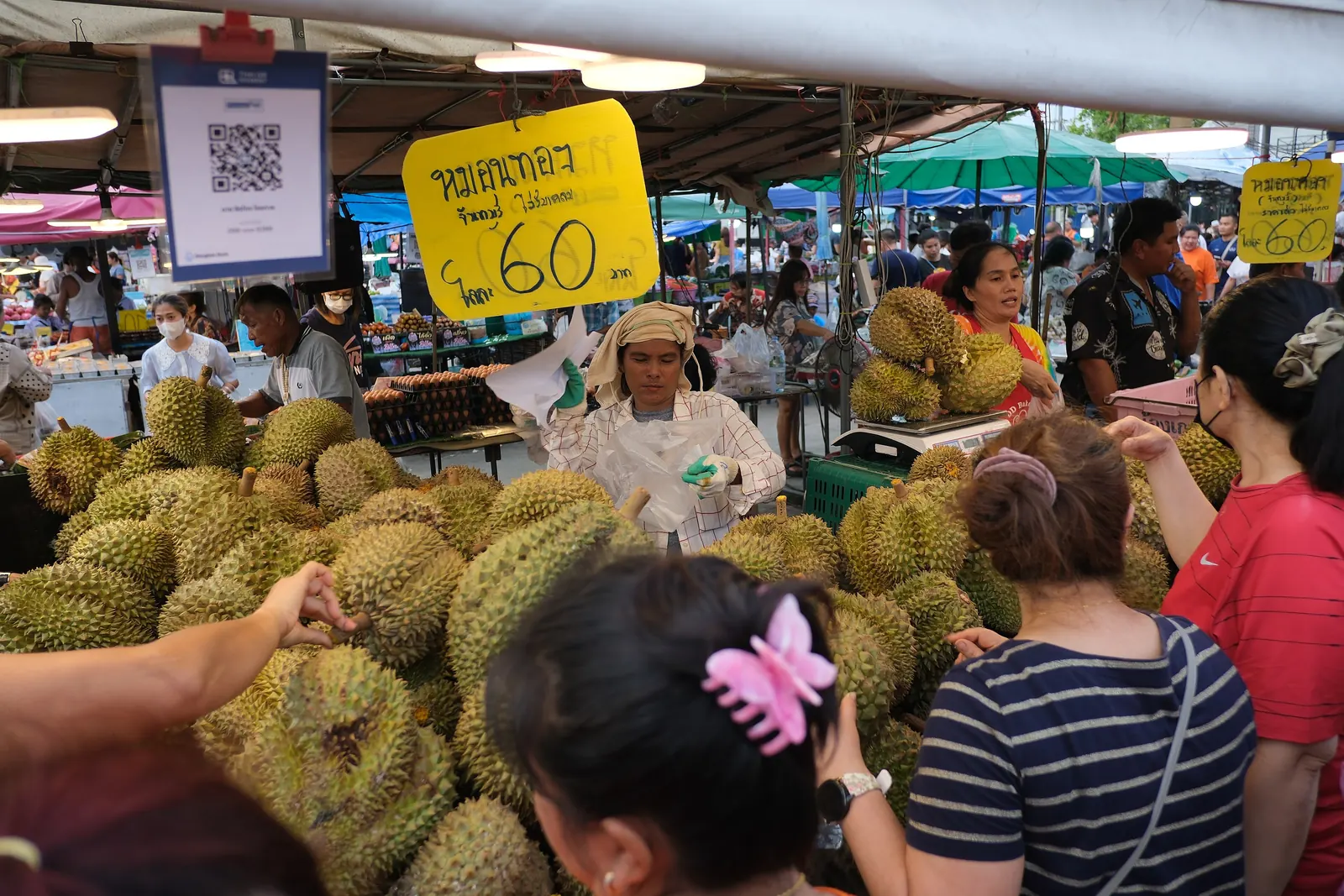
The second is a fruit town: Chanthaburi grows around half of Thailand’s durian, plus mangosteen and rambutan, and the orchards fund a new fleet of pick-up trucks every harvest. The third is an old port. Vietnamese Catholics, Chinese merchants and Thai fishermen built the Chanthaboon riverside community three centuries ago, and France occupied the province from 1893 to 1904 during its squabble with Siam over Laos — leaving fortifications, a grim brick prison at Laem Sing and a taste for Gothic architecture.
Why go to Chanthaburi
Because it is the genuine article. Towns this interesting usually got found by backpackers decades ago and carry the banana-pancake scars; Chanthaburi was too busy making money. You get the theatre of the gem market, coffee in houses with great-grandparents, a waterfall national park twenty minutes away and food people drive from Bangkok for — all at local prices, because locals are the entire market.
It also slots neatly into an eastern itinerary: most travellers blast from Bangkok to Koh Chang in one grim hop and see nothing. Break the journey here for two nights and arrive at the islands with better stories than anyone on your boat.
Getting to Chanthaburi
No airport, no railway — the eastern line heads for Cambodia through Sa Kaeo, not down the coast — so you are going by road. Happily, the road is easy.
From Bangkok, buses leave Ekkamai (Eastern Bus Terminal) throughout the day, take about four hours and cost roughly ฿250-300. Minivans do it in about three and a half, driven with the usual minivan self-belief. Departures also run from Mo Chit.
From Pattaya or Rayong, buses and minivans run down Sukhumvit Road in two to three hours. Trat is 90 minutes on (around ฿100), making Chanthaburi the criminally underused overnight stop between Bangkok and Koh Chang. For Cambodia, the Pong Nam Ron crossing towards Pailin and Battambang is about 90 minutes northeast.
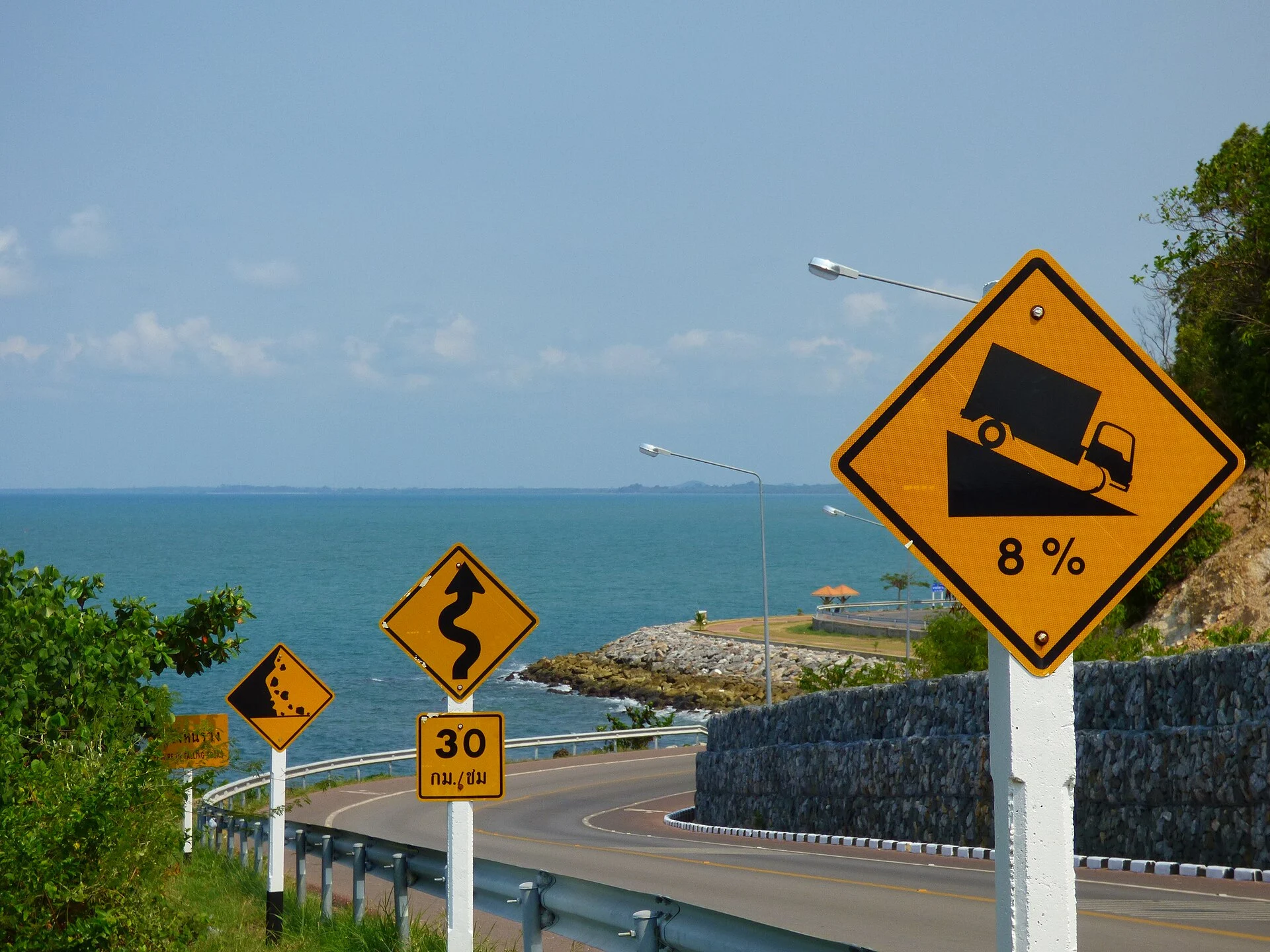
In town, songthaews cover short hops for ฿20-30, but Namtok Phlio, Chao Lao and Laem Sing really want a rented motorbike — about ฿250-300 a day in the old town — or a chartered songthaew.
Where to stay
The old town and Chanthaboon waterfront is the answer if you are here for atmosphere: converted century-old shophouses on the river charge roughly ฿800-1,500 a night for creaking teak floors, river views and walls thin enough to share your neighbour’s dreams. Book ahead at weekends — the Bangkok crowd stays here.
The city centre near the gem quarter runs on plain, decent business hotels at ฿500-900: zero romance, strong air conditioning, walking distance to Gem Street. A clean fan room near the night market still goes for around ฿400. Out at Chao Lao beach, resorts sit at ฿1,200-2,500 with a healthy weekend markup; go midweek and the sand is nearly yours.
What to eat in Chanthaburi
Start with the noodle you already know. Sen chan — the thin rice noodle in every pad thai on Earth — is named after Chanthaburi, and the local move is sen chan pad poo: the same noodles wok-fried with fresh crab, ฿80-150 depending on how serious the crab is. The benchmark versions are around the Nong Bua community, whose evening market has been perfecting the dish for generations.
Then order moo cha muang: pork belly stewed with sour cha muang leaves until it collapses — the province’s signature dish, ฿60-80 over rice at curry shops around the old town. The waterfront lane is lined with noodle shops in century-old wooden buildings, and a ฿50 bowl in one of them beats any rooftop bar in Bangkok. In May and June the whole province becomes a fruit stall: durian at orchard prices, mangosteen by the crate. For seafood, the row of places by the water at Chao Lao or the Laem Sing river mouth do crab, prawns and whole fish at provincial prices.
Top things to do in Chanthaburi
1. Watch fortunes change hands on Gem Street
Si Chan Road and its alleys become one of Thailand’s great free spectacles every Friday to Sunday, roughly 9am to mid-afternoon. Dealers sit at folding tables whilst brokers work the street, unfolding white paper packets of sapphires and rubies. A stone the size of a fingernail can be worth more than the truck behind it, and the whole transaction happens in murmurs, a loupe and a nod. Be polite, do not block the tables, and do not buy anything expensive — more on that below. As theatre, it costs nothing and beats most museums.
2. Stand inside Thailand’s largest cathedral
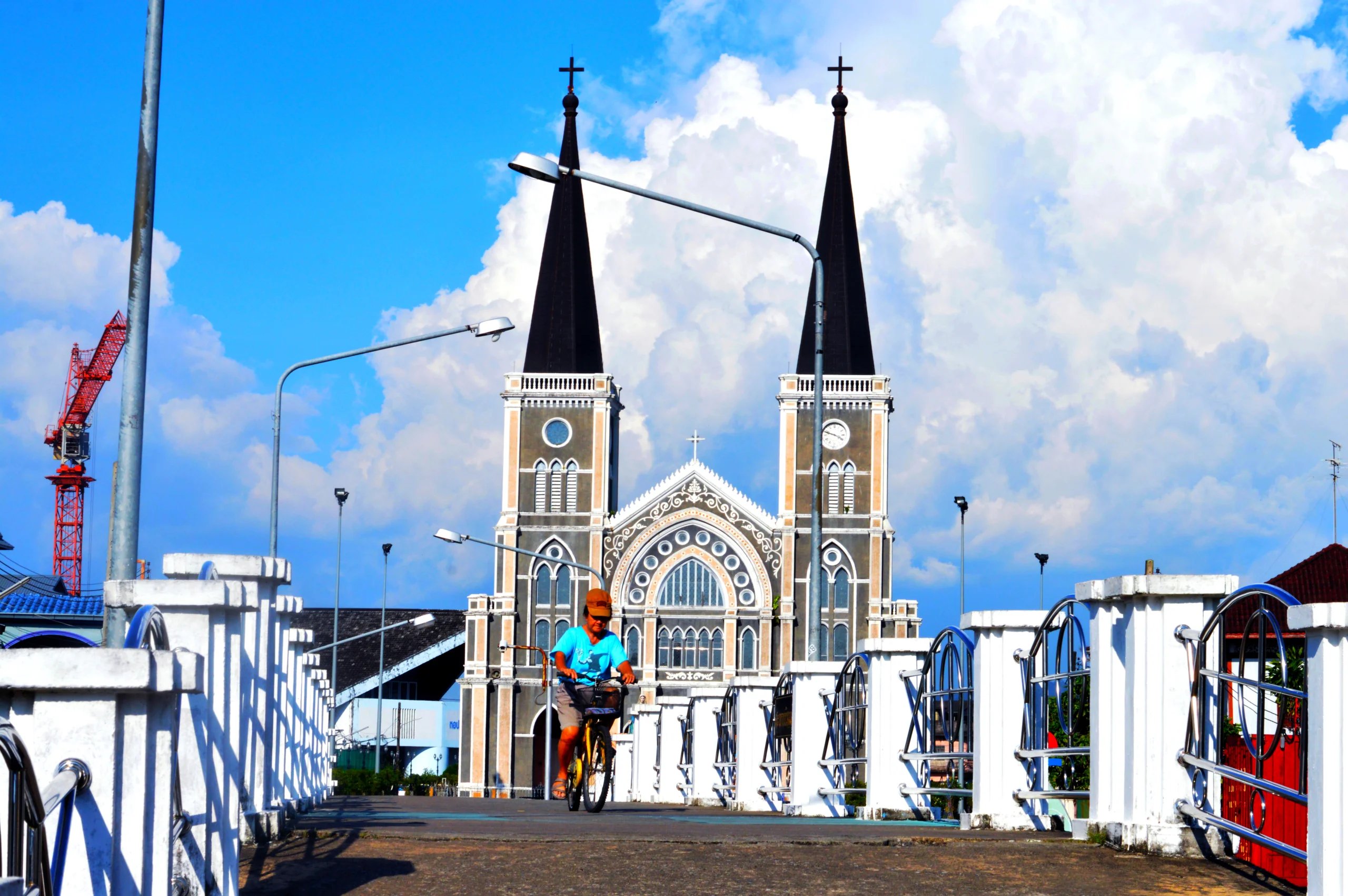
The Cathedral of the Immaculate Conception, across a footbridge from the waterfront, is the largest Catholic church in Thailand and the strangest sight in the province: full Gothic revival, twin spires, stained glass, in a Thai fruit town. There has been a Catholic community here since the early 1700s, when Vietnamese refugees arrived by boat; the current building went up in the early 1900s. The showpiece is a statue of the Virgin Mary robed in gold and set — fittingly — with a reported 200,000-plus gemstones donated by local traders. Entry is free; shoulders and knees covered, please.
3. Walk the Chanthaboon waterfront at golden hour
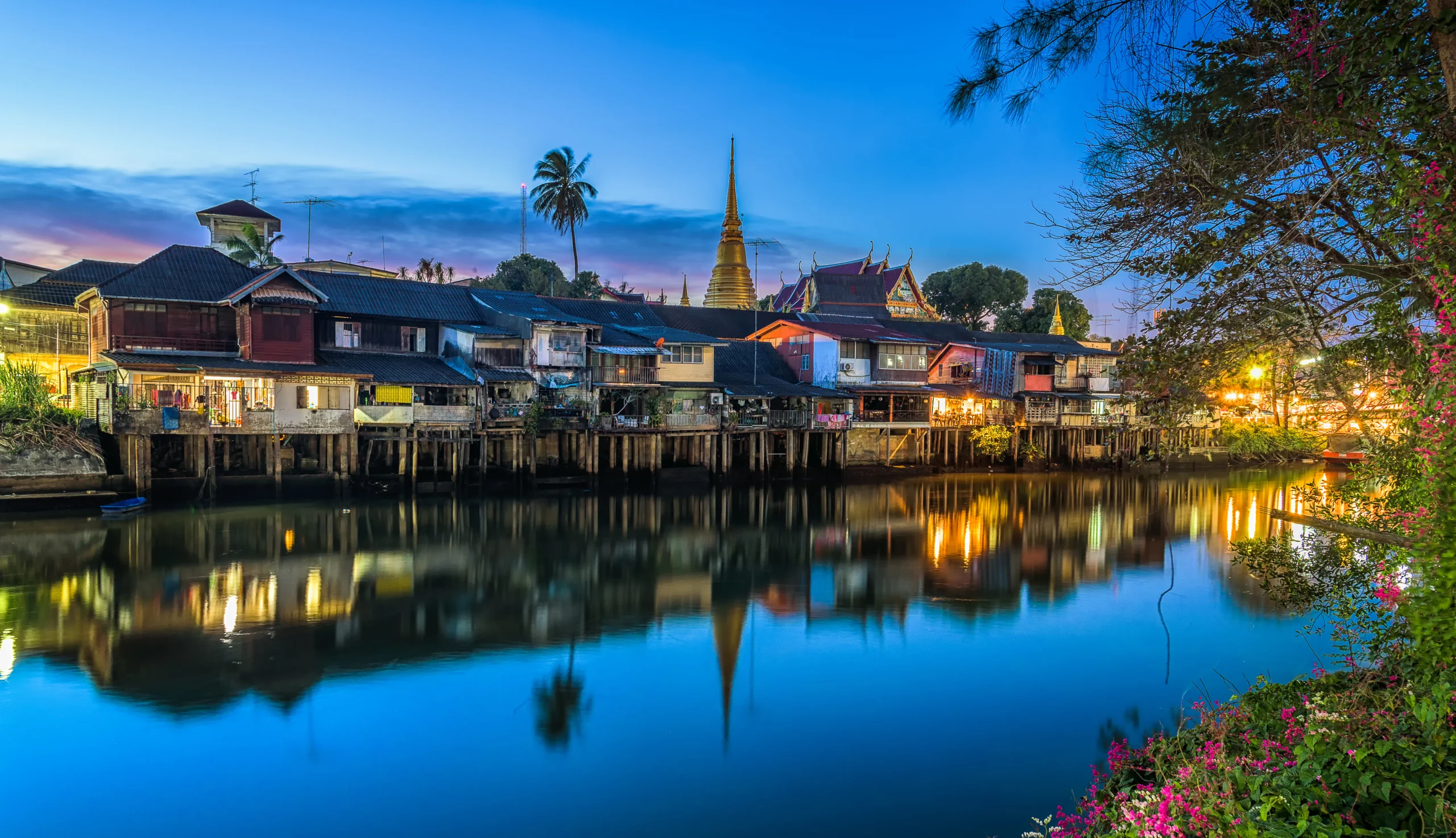
A kilometre of 300-year-old riverside lane where Thai, Chinese and Vietnamese families have lived and intermarried for ten generations. The wooden shophouses lean into each other, ancestor shrines glow behind carved shutters, and the small Learning House museum explains how the quarter survived fires, floods and the French. Come early morning, or at golden hour when the river turns amber; weekends bring more doors open and more Bangkok photographers.
4. Eat durian at the source in May and June
Chanthaburi is the durian capital of Thailand, and harvest — May into June, with ragged edges either side — is the single best reason to time a visit. Roadside orchard stalls sell monthong and chanee at farm prices, roughly ฿80-150 a kilo depending on the year. If durian is, in your considered view, a war crime, mangosteen peaks at the same time and is arguably the finest fruit on the planet. Either way, finish the evening at Nong Bua market with a plate of crab noodles.
5. Swim with the fish at Namtok Phlio National Park
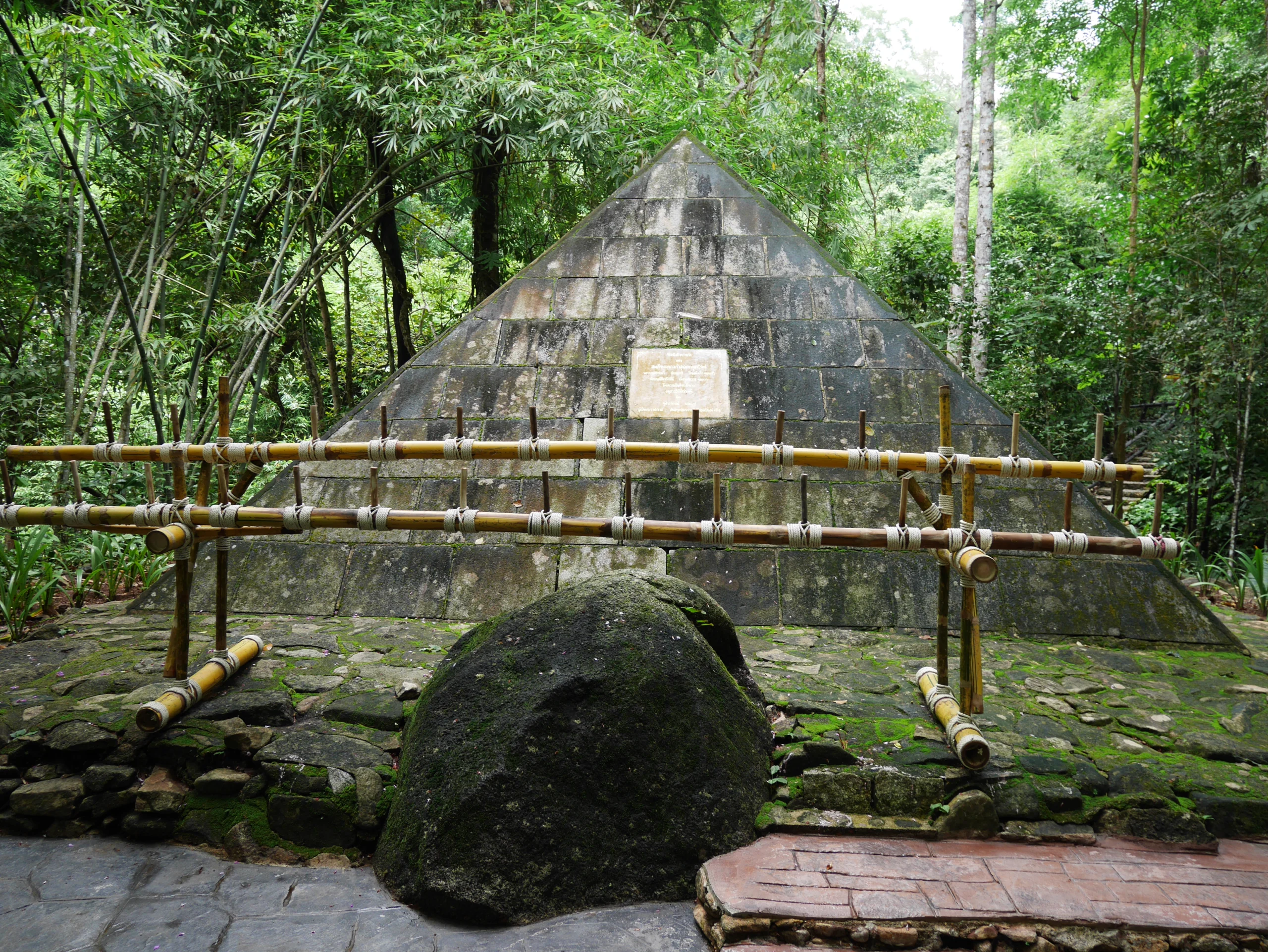
About 14 kilometres southeast of town, Namtok Phlio is a waterfall with a love story. The pools boil with soro brook carp — thousands of them, entirely unbothered by swimmers — and beside the water stand the chedi and stone pyramid King Rama V raised for Queen Sunanda, who drowned in 1880 because royal law forbade commoners from touching her, even to save her life. He had visited these falls with her. Foreigners pay around ฿200 at the gate; on a weekday morning you may get the fish to yourself.
6. Manage your expectations at Chao Lao beach
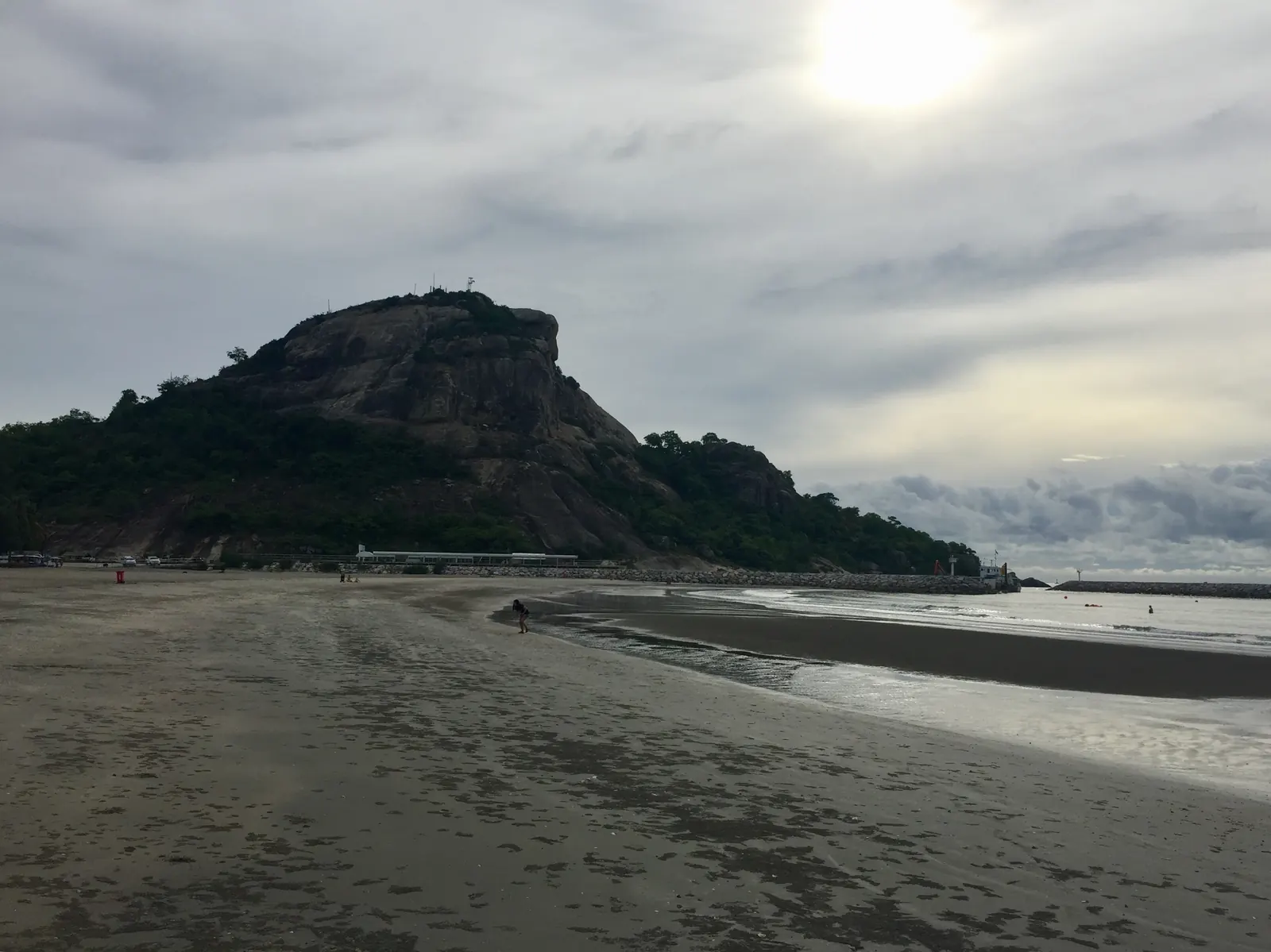
Chanthaburi’s main beach, about half an hour from town, is a long, clean, grey-gold strip — empty on weekdays, full of Thai families at weekends. It is not Railay and is not trying to be. What you get: calm shallow water, seafood at plastic tables by the sand, proper sunsets and zero jet-ski hustlers. As a lazy add-on to the town, it earns its place.
What to skip
Oasis Sea World at Laem Sing. It is a dolphin park; the dolphins live in small concrete pools and perform tricks for paying crowds. In 2026 there is no version of this that deserves your few hundred baht — the fish at Namtok Phlio are wild, free and better company. Spend the money on crab instead.
Also skip buying serious gemstones unless you genuinely know stones. Gem Street is real, which is precisely the problem: it is professionals trading with professionals, and a beginner waving cash is the softest target in the province. Heat treatment, synthetics and creative grading will eat you alive. Watch, enjoy, keep your wallet in your pocket.
Chanthaburi travel: practical info
Best season: November to February, dry and relatively cool. Durian season is the other clever window, but pack for rain — Chanthaburi is one of the wettest provinces in Thailand, and June through September is properly soaked. Those orchards do not water themselves.
Two nights covers the town, waterfront and gem market; three adds Namtok Phlio and Chao Lao without rushing. Onward travel is the quiet superpower: 90 minutes east to Trat and the Koh Chang ferries, a morning’s run into Cambodia at Pong Nam Ron, or back west through Rayong for the Koh Samet boat.
Planning the specifics? The Tourism Authority of Thailand’s official Chanthaburi page has current market days and orchard-season timings, and Wikipedia has the historical background.
FAQ
Is Chanthaburi worth visiting?
Yes — arguably the most underrated town in eastern Thailand. You get a working gem market, the country’s largest cathedral, a 300-year-old waterfront and a waterfall national park, with almost no foreign tourists. It suits people who want a real place rather than a resort.
How do I get from Bangkok to Chanthaburi?
By road. Buses and minivans leave Bangkok’s Ekkamai terminal through the day, take three and a half to four hours and cost around ฿250-300. There is no train and no airport, and honestly none is needed.
When is durian season in Chanthaburi?
Peak harvest runs May to June, spilling into late April and July depending on the year. Orchard-stall prices drop to roughly ฿80-150 a kilo, and mangosteen and rambutan peak at the same time.
Is it safe to buy gems in Chanthaburi?
The market is legitimate — a genuine trading hub, not a scam street. The risk is you: without expertise you cannot judge treatment, origin or grading, and no dealer is obliged to educate you. Treat any bargain stone pitched at a tourist as a red flag.
How many days do you need in Chanthaburi?
Two nights covers the waterfront, cathedral and weekend gem market; add a third for Namtok Phlio and Chao Lao beach. Aim for Friday to Sunday if you can — the gem market and waterfront both run at full volume on weekends.