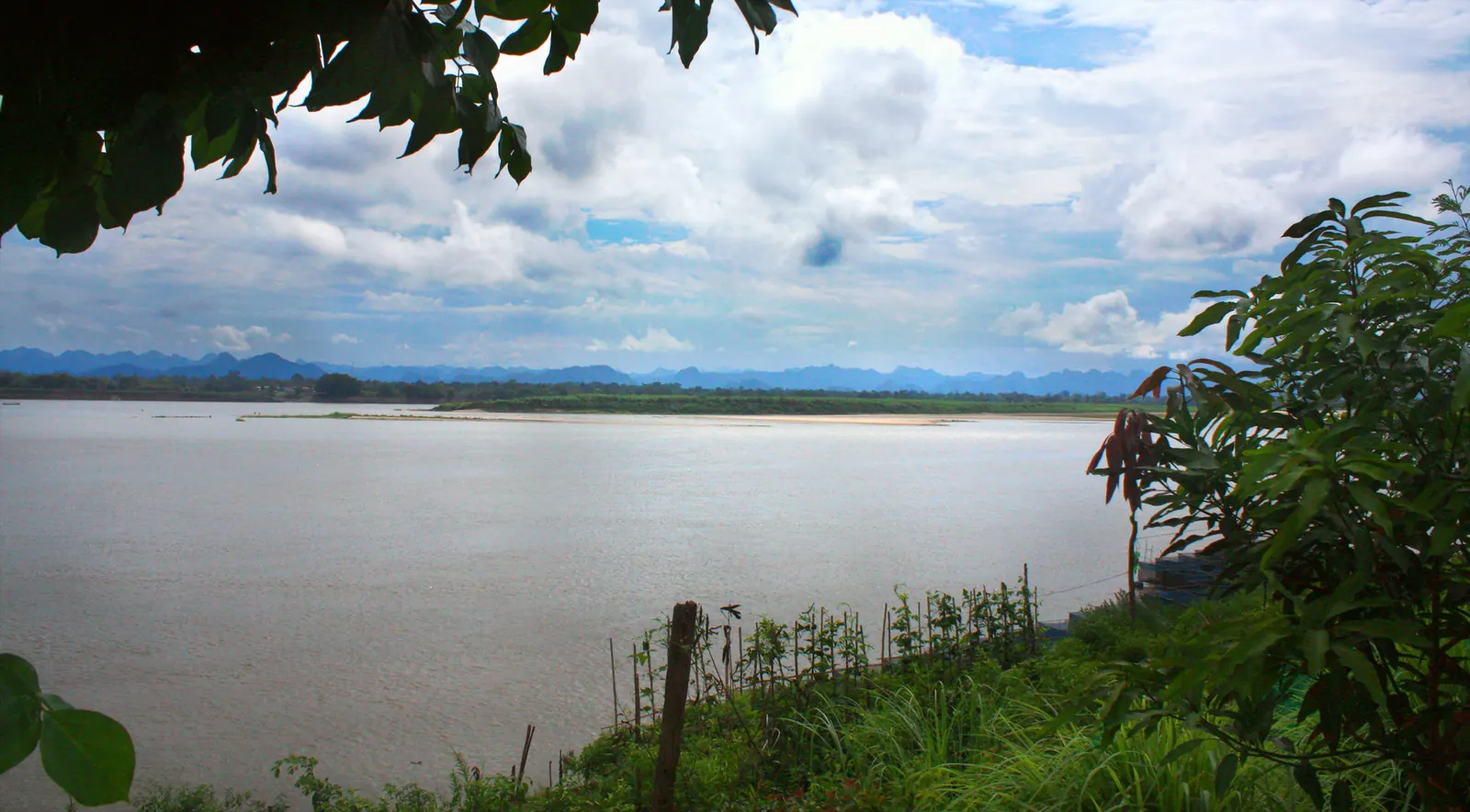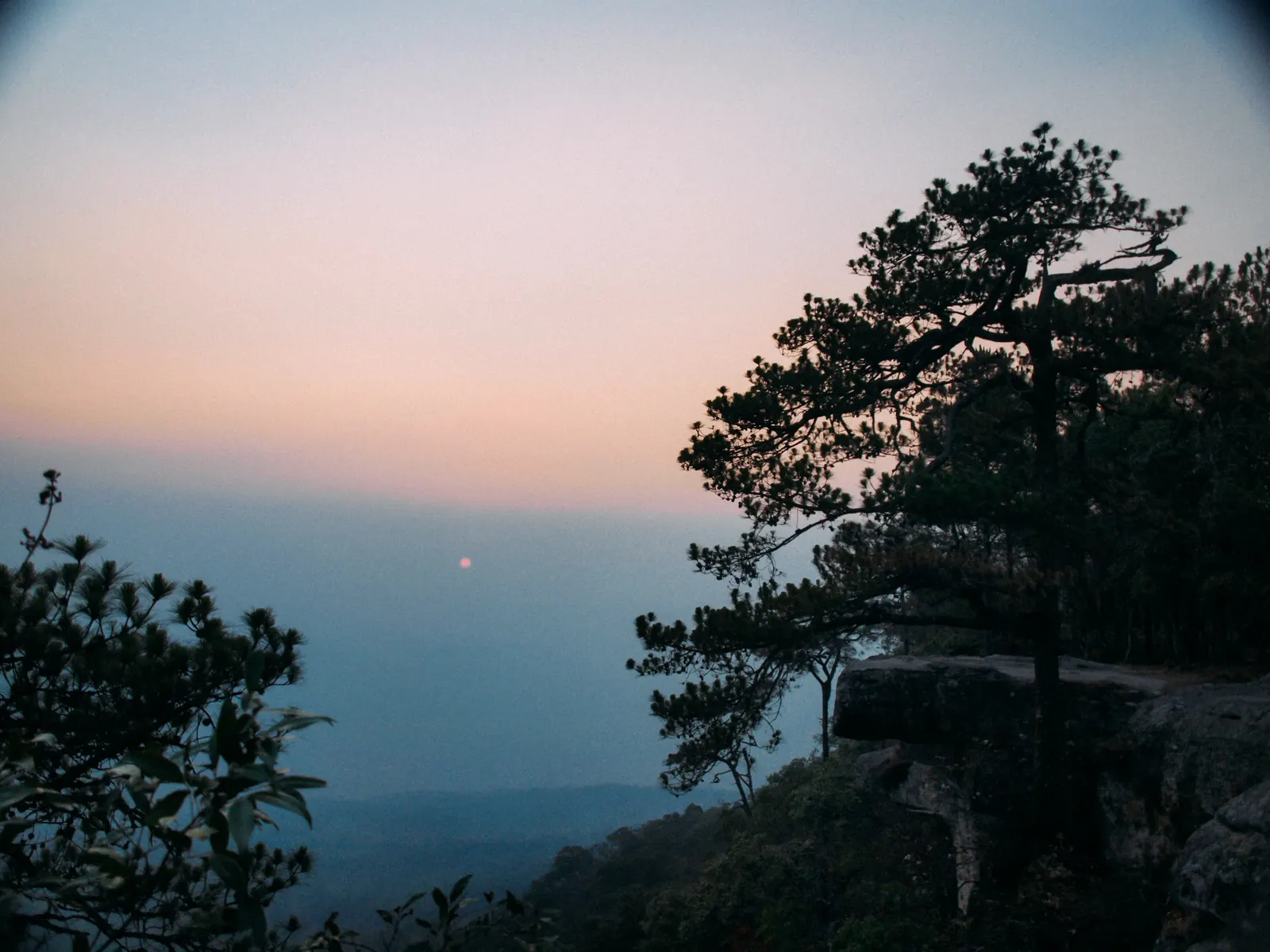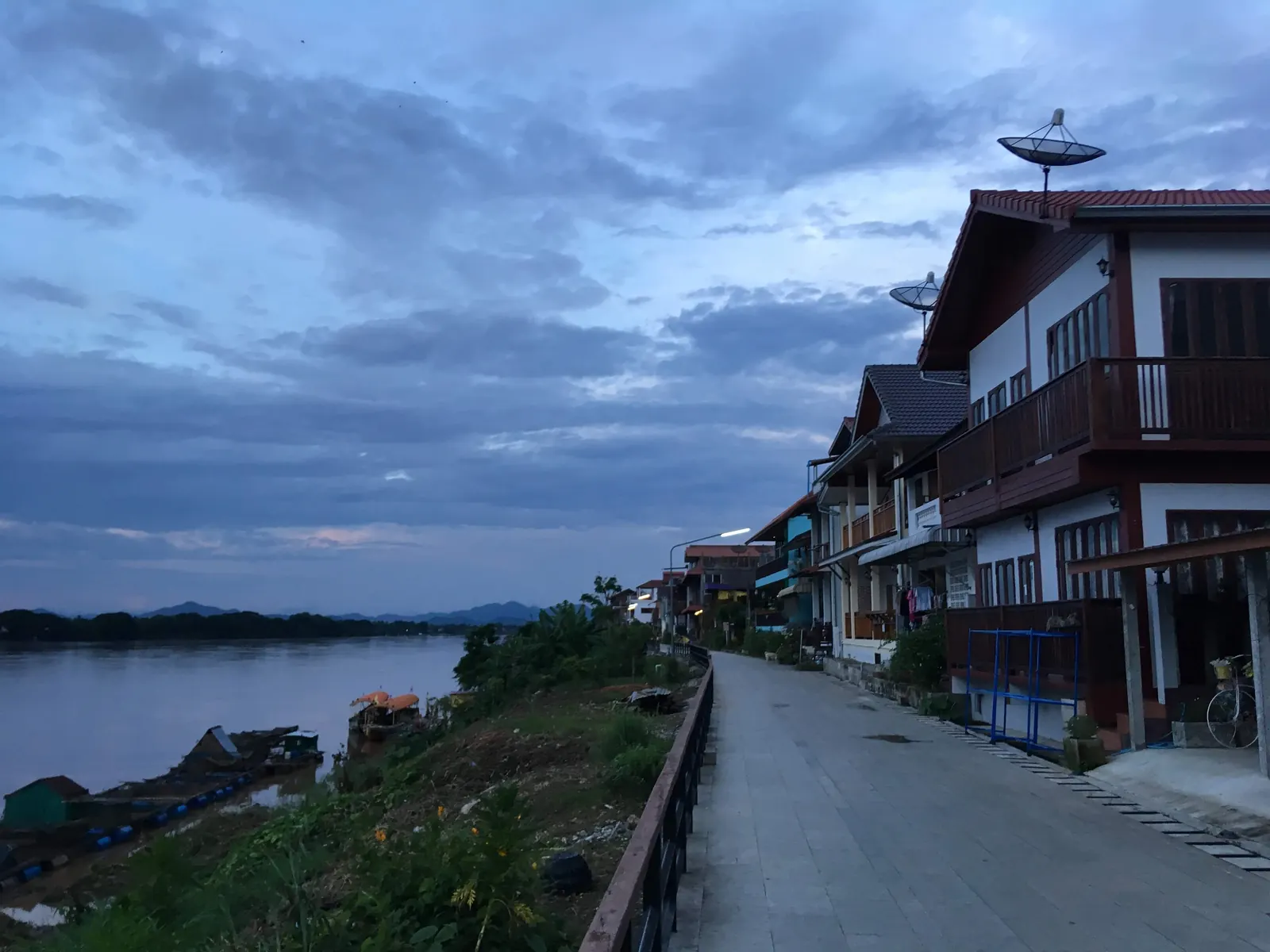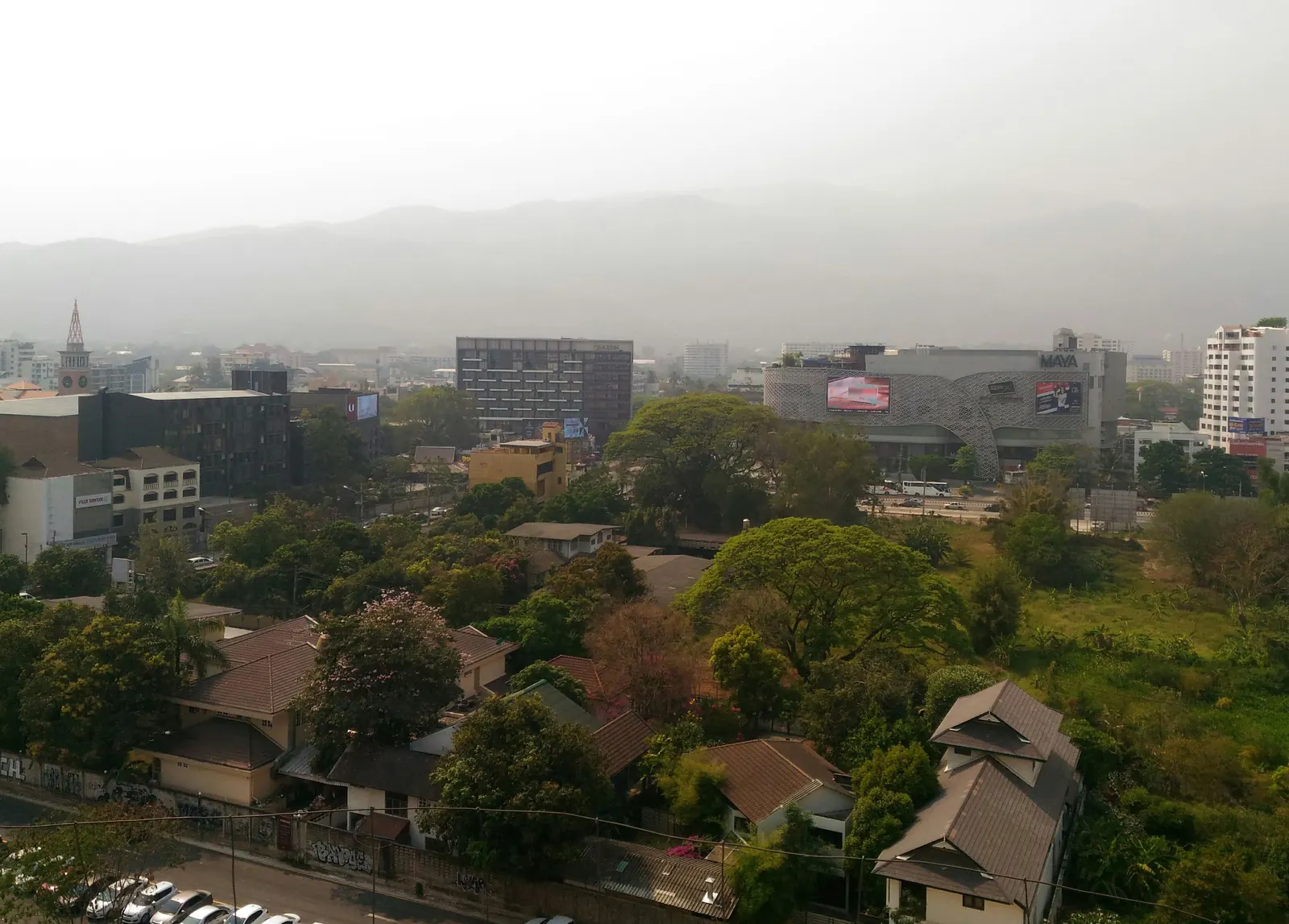
There is a page every Chiang Mai hotel wishes did not exist, and this is it. The Chiang Mai burning season runs from roughly mid-February to mid-April, peaks in March, and in a bad year puts the city at the top of the world’s most-polluted list for days at a time. In 2026 it did exactly that: on 29 March the live IQAir reading hit a US AQI of 263 with PM2.5 at 188 µg/m³, and the city was the worst major city on earth for four days running. That is station data, not forum exaggeration, and it is why the question we get every January is not “is it bad” but “how bad, and for which weeks”.
The short version: November to early February is the Chiang Mai the photographs promise. From mid-February the haze builds; March is the month to avoid; the first half of April is usually still bad, Songkran included; and the real rains, late April into May, wash it out in a week. If your dates are fixed to March, this page tells you what you are buying. If they are not, the Gulf islands are at their best in exactly these weeks, and the Where to Go in Thailand matcher will say so. The province at a glance is on the Chiang Mai province page.
Chiang Mai air quality month by month: the table, January to May
The PM2.5 column is the typical monthly median for Chiang Mai city, from OpenAQ station data for 2023 to 2026, rounded. “Typical” is the operative word: the worst week of March 2026 ran at three to five times the March median. The AQI column is the US scale the IQAir app uses, because that is the number tourists quote; the Thai scale is explained below. Temperatures are the long-run shape, not a forecast. The whole-country picture is in best time to visit Thailand.
| Month | Typical PM2.5 (24h median, µg/m³) | US AQI equivalent | Visibility and feel | Temperature (roughly) | 2026 actual |
|---|---|---|---|---|---|
| January | ~30 | ~85–90, moderate | Mountain clear most mornings; a faint grey by late month | 14–29°C; cold dawns | Moderate; burning ban signed 2 January |
| February | ~36 | ~100, moderate to USG | Clear in the first week, haze building from mid-month | 15–32°C | Mostly moderate; “deteriorating rapidly” by the last days |
| March | ~54 | ~145–150, unhealthy | Doi Suthep gone from the Old City on most days; sore eyes, grey sun | 18–35°C | AQI 150+ on 4 March; 220+ on 26 March; 263 on 29 March (PM2.5 188 µg/m³) |
| April | ~53 | ~145, unhealthy | Bad until the rain; Songkran week often still orange or red | 22–36°C; hottest month | Stations at 80–293 µg/m³ on 1 April; disaster zones declared 4 April; still top-10 worldwide on 16 April |
| May | ~14 | ~55, moderate | Thunderstorms clear it; the mountain returns | 23–34°C; humid | All 25 districts under 100 µg/m³ hourly by 27 April; season over early May |
Two notes. IQAir’s annual average for Chiang Mai was 26.4 µg/m³ in 2024 and 18.2 in 2025, which looks almost civilised until you notice that June to October sit under 10 and March and April carry the year. And 2026 was the worst spring since 2023, not the new normal; 2025 was mild, and the swing depends on February rain, wind, and how much of Myanmar and Laos is also on fire.
Why Chiang Mai burns every spring, and why the annual ban never quite works
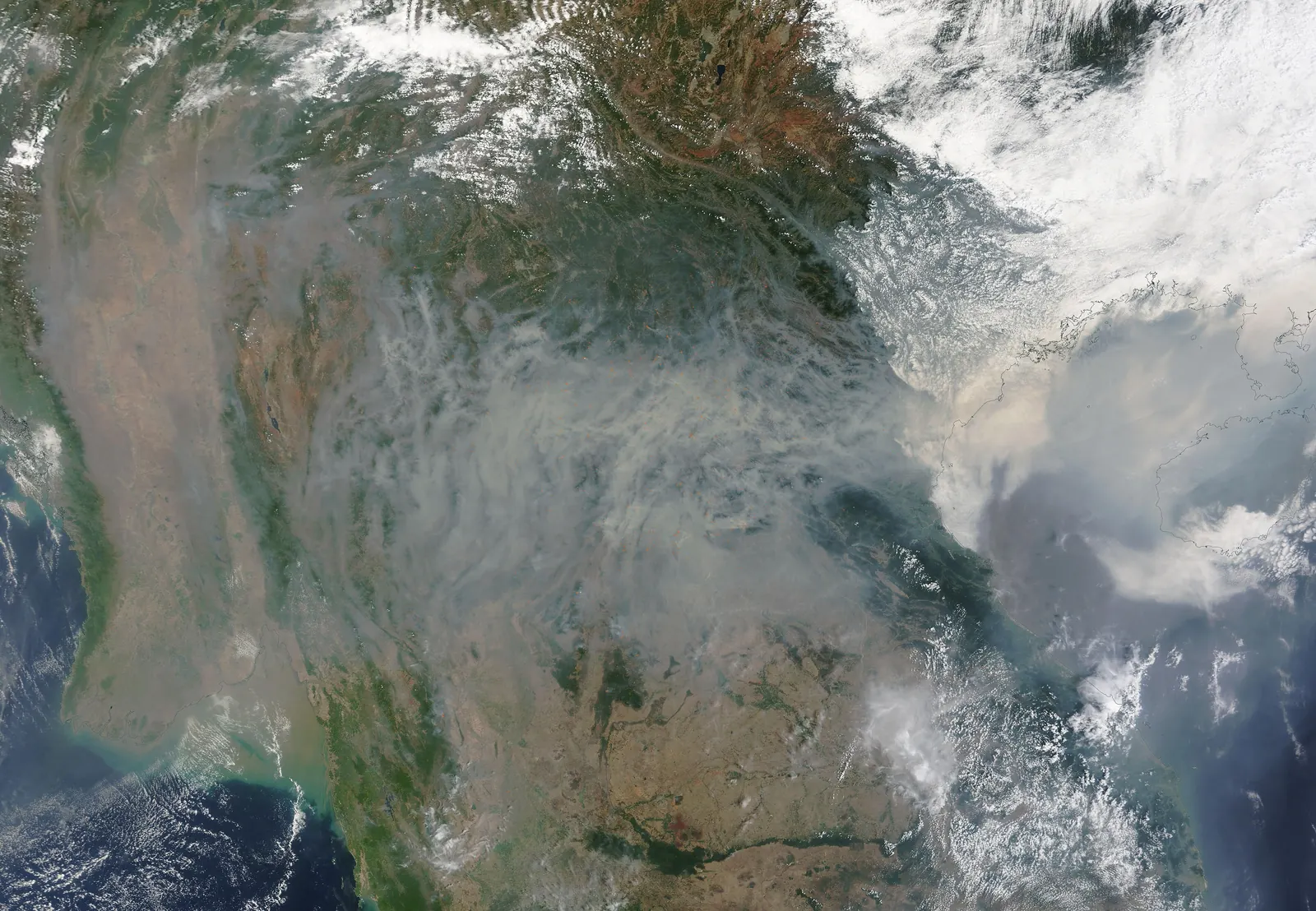
Chiang Mai sits in a bowl: mountains on three sides, a dry season with almost no wind, and from February a night-time inversion that puts a lid on the valley. Anything that burns within a few hundred kilometres ends up over the moat. What burns: forest fires in the hills, most of them lit, because a burned forest floor yields mushrooms in May; maize and rice stubble, cheaper to burn than to plough in; sugarcane further south; and the same three things on an enormous scale in Myanmar’s Shan State and in Laos. On 23 March 2026 Thailand’s satellites counted 1,488 hotspots nationally; Myanmar’s count that week was above 5,000. Chiang Mai province alone logged 5,090 fires from 1 January to 31 March 2026, 39 percent more than in 2025.
The ban is real and annual. The governor signed the 2026 order on 2 January, prohibiting open burning outside designated fuel-management zones from 1 January to 31 May, and in early April the Pollution Control Department extended a strict no-burn order across 17 northern provinces. It does not work for three honest reasons. Enforcement across thousands of square kilometres of hill forest is a handful of rangers and a helicopter; the hill farmers doing the burning are among the poorest people in the country, with no subsidised alternative to a box of matches; and much of the smoke in a bad week did not start in Thailand. Blaming a Karen maize grower on ฿300 a day for a problem that includes the animal-feed industry and fires in another country is popular and useless. A Clean Air Act has crawled through parliament for years. Expect the smoke back in 2027.
What PM2.5 at 150 µg/m³ actually does to you: health guidance by group
Numbers first, because the apps throw three scales at you. The WHO guideline is 15 µg/m³ as a 24-hour average and 5 annually. Thailand’s legal standard, tightened in June 2023, is 37.5 µg/m³ over 24 hours; the Thai AQI on Air4Thai goes orange above that and red from 75.1. The US AQI in the IQAir app reaches 150 (“unhealthy”) at about 55 µg/m³ and 200 (“very unhealthy”) at about 150. So when IQAir said 233 on 30 March 2026, the air held roughly ten times the WHO daily limit and five times the Thai one. A typical March day, at a median of 54 µg/m³, is already three and a half times the WHO figure: the baseline, not the bad day.
What it means depends on who you are. A healthy adult on a week’s holiday gets sore eyes, a scratchy throat, a cough that follows you home and, in the worst weeks, headaches and a hangover you did not earn; a week at 150 is unpleasant rather than dangerous. Anyone with asthma or COPD should not plan a March trip north: attendances for breathing difficulty rose at Chiang Mai hospitals in late March 2026, and a bad week means the reliever several times a day. Children breathe faster and lower to the ground; Thai schools move indoors when readings go red, and so should a toddler’s holiday. Pregnant women should take the WHO’s evidence on PM2.5 and low birth weight seriously and go to the islands; over-65s with any heart history sit in the same bracket. One Chiang Mai doctor’s summary of 2026, reported by AFP: burning eyes, phlegm and nasal inflammation. A market seller described blood clots in her nose. Those are not tourist-board phrases.
Pai, for the record, was worse: monitors there read above 900 µg/m³ in early April 2026, because its valley is smaller and tighter. If you were planning the Chiang Mai to Pai run in March, driving two hours in any direction does not get you out of it.
Masks, apps and purifiers: the kit that works and what it costs
A surgical mask does nothing useful against PM2.5; the particles go round the sides. You want a fitted N95, KN95 or KF94 with a nose clip, worn so your glasses do not fog. From February they are everywhere: pharmacies, Boots and Watsons sell 3M 9501+ and 9502+ N95s at around ฿30–60 a mask or ฿600–900 for a box of twenty, and 7-Eleven carries KF94s at around ฿15–30. Pharmacy N95 sales rose 30 percent in the last week of March 2026 and stock ran thin, so buy on arrival. Replace a mask when it is visibly grey. Children’s sizes exist, but a two-year-old will not keep one on, which is the real argument against bringing one.
Apps: two, both free. Air4Thai is the Pollution Control Department’s own, with the official 24-hour figures for the Chang Phueak and Sripoom stations; IQAir AirVisual folds those in with hundreds of low-cost sensors into the live US-AQI number and an hourly forecast, which is what you plan the day around. In 2026 the government also pushed cell-broadcast alerts to every phone in the province when readings went red; a Thai SIM gets you those (SIM and eSIM guide). The pattern to exploit: air is worst from midnight to about 10am, while the inversion holds, and least bad from about 2pm to 6pm. Walk in the afternoon, not at dawn. Staying a month in a condo? A Xiaomi or Philips HEPA unit from HomePro or Big C is around ฿3,000–6,000 and pays for itself in a week of sleep. A hotel guest should not have to buy one, which is the next section.
Hotels with clean air in Chiang Mai: what to ask, and who to ask it of
Three questions, by email, before you pay: is there a HEPA purifier in the room, not the lobby; do the windows seal and does the air-conditioning recirculate; and is the rate refundable to 48 hours. A hotel that answers with a yes and a model number has thought about March. One that sends a photograph of the pool has not. Nobody is comping us, so what follows is who we would ask, not a guarantee of the answers.
At the top end, sealed-glass chain towers are the natural bet: the Shangri-La, the InterContinental Mae Ping and Melia Chiang Mai, from around ฿4,000–7,000 a night in March, well under their December rate. The Anantara and 137 Pillars House, around ฿9,000–15,000, are the riverside luxury houses most likely to have purifiers as standard; ask anyway. The Four Seasons in Mae Rim is the one to be wary of: open pavilions over rice terraces are glorious in January and smoky in March, and Mae Rim’s station carried some of the worst readings of 2026. For March: skip it, however good the rate.
Mid-range, the Nimman glass boxes beat the Old City teak houses, because teak shutters leak. U Nimman and Kantary Hills, both around ฿2,500–4,500, are sealed and modern with a hospital a short walk away; Travelodge Nimman, around ฿1,200–1,800, is the budget version of the same logic. In the Old City, Tamarind Village and Rachamankha are two of the best hotels in the north and both have the open-courtyard problem: a joy in January, a question in March. Whatever you pick, compare a March date against a December date on Agoda’s Chiang Mai page; the discount is your compensation, and in 2026 hoteliers reported Songkran bookings down by around half. Area by area is in where to stay in Chiang Mai and Old City, Nimman or Riverside. Street prices, the ฿40–60 songthaew and the ฿70 flat white, do not move with the season; see the Price Index.
What is still good in Chiang Mai from February to April
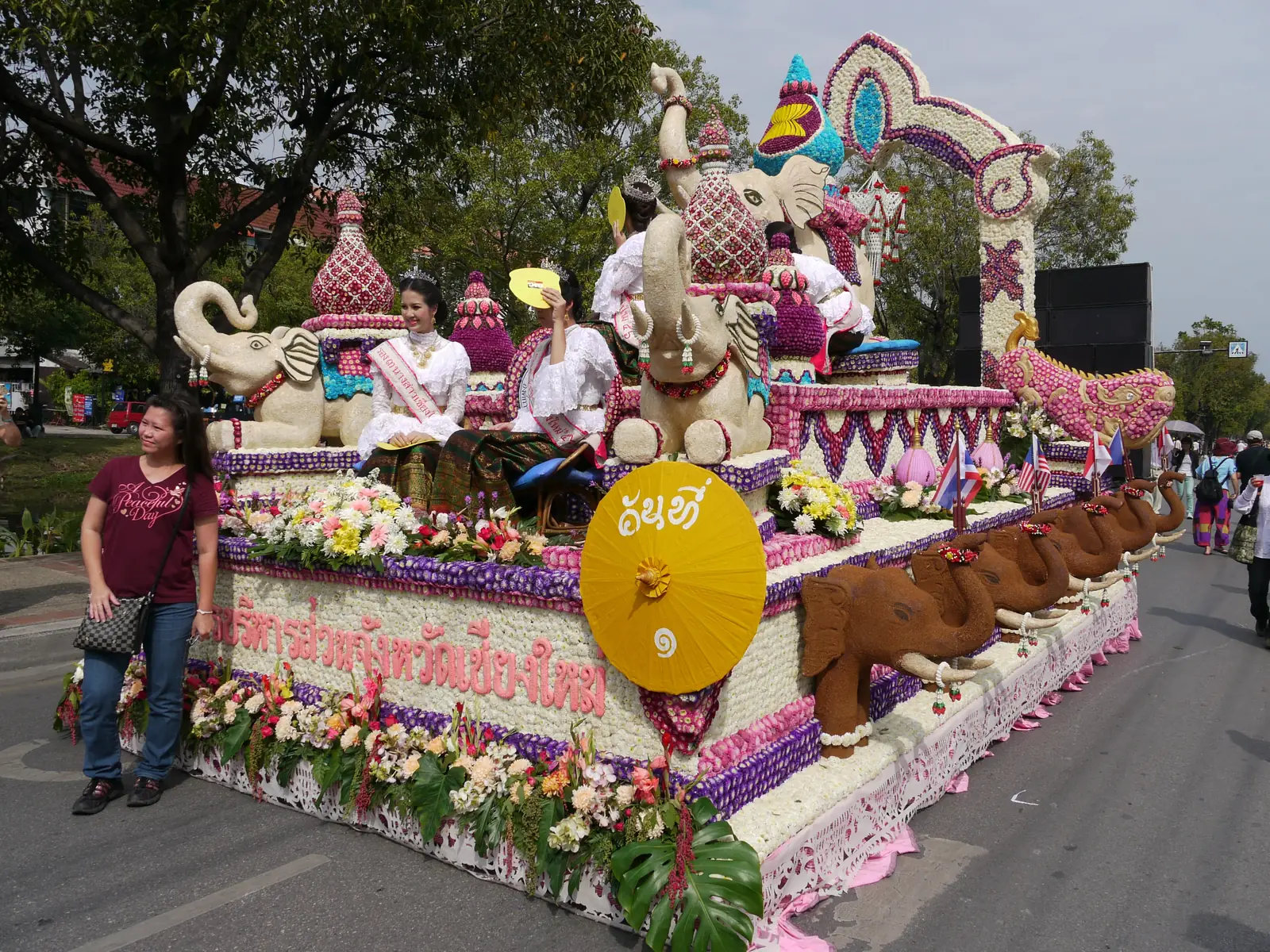
Early February is the sweet spot the calendar hides: 15°C dawns, a mountain you can see, the Christmas crowds gone, and the Flower Festival filling Nong Buak Haad Park with roses, orchids and a Saturday-morning float parade. The 2027 edition is the fiftieth and is expected on 5–7 February; the city confirms only in January and the dates have moved between the first and third weekend in recent years, so check before booking flights. Entry is free. If your trip is “Chiang Mai in February”, make it the first half; Thailand in February and the festivals calendar have the surrounding dates.
Songkran, 13–15 April 2027, is the other reason people fix a trip to the bad months, and Chiang Mai does it better than anywhere, with the moat as the arsenal and the fight running closer to a week. The honesty line: in 2026 the water fight happened under an orange-to-red sky, people hosing each other partly, as one local told Thairath, to escape the dust; Chang Phueak station still read 85 µg/m³ on 9 April. Some years the first storms arrive in Songkran week and clear it; most years they do not. Our Songkran 2027 guide has the city-by-city call; for Chiang Mai it is “come for the fight, with a mask in the dry bag”.
Between the two, March is for the indoors. A cooking class, the best in Thailand at ฿1,000–1,500 for half a day (compare classes on GetYourGuide), happens in a kitchen; a two-hour massage at ฿250–400 happens indoors; the night markets run under a sky you cannot see anyway. What does not work is the list of reasons you came: Doi Suthep at dawn is a staircase into grey, Doi Inthanon’s viewpoints show cloud that is not cloud, and the elephant sanctuaries are outdoors all day; things to do in Chiang Mai marks each with a season note. Yi Peng, in November, is unaffected and is the right reason to come, in the right month.
Where to go instead of Chiang Mai in March: the table
The useful coincidence is that the Gulf of Thailand’s dry season is February to April, exactly the weeks the north is on fire. Samui, Phangan and Tao get their calmest sea and clearest water of the year; Krabi, Lanta and Lipe are at the tail of their high season, with prices easing after mid-March. Two honest caveats. Isaan burns too: Khon Kaen and the sugarcane provinces peak at orange in February and March, and nobody mentions it because nobody checks the Khon Kaen AQI. And Bangkok is not an escape; the capital runs its own PM2.5 season from December to February and March is hot, hazy and 35°C. Fly through it, do not stay in it.
| Instead of Chiang Mai in March | Air and weather, Feb–Apr | Why it works | Our guide | Book |
|---|---|---|---|---|
| Koh Tao, Koh Phangan, Koh Samui | Clean; the Gulf’s driest, calmest months | Best dive visibility of the year on Tao; Samui at its peak | Samui month by month, Koh Tao diving | Bangkok to Surat Thani, Bangkok to Koh Tao |
| Krabi, Railay, Koh Lanta | Clean; dry, flat sea, hot | End of Andaman high season, rates softening from mid-March | Things to do in Krabi | Bangkok to Krabi |
| Koh Lipe and Trang’s islands | Clean; the far south’s best weeks | Lipe’s season closes in May; March is the last reliable month | Koh Lipe guide | Bangkok to Hat Yai |
| Hua Hin | Clean enough; dry, breezy, 32°C | Three hours from Bangkok, calm sea, no smoke | Hua Hin weekend | Bangkok to Hua Hin |
| Isaan (Khon Kaen, Ubon, Loei) | Orange some weeks; sugarcane and stubble burning | Food and temples without tourists; a half-escape | Isaan food, Loei guide | Bangkok to Khon Kaen |
| Bangkok | Hazy, 35°C | Not an escape; a transit point with air-conditioning | Things to do in Bangkok | Chiang Mai to Bangkok |
The move, if you are already booked north and the forecast turns, is a one-way flight: Chiang Mai to Bangkok from around ฿1,000–2,000 with a day’s notice, then Bangkok to Surat Thani or Krabi for around ฿1,200–2,500, or the overnight train and ferry for a third of that; 12Go shows it on one screen, detail in Bangkok to Chiang Mai and Bangkok to Koh Samui. Book the Chiang Mai hotel refundable and the pivot costs you an afternoon.
The verdict: come November to early February, and if it must be March, know what you are buying
November to early February: Do it. This is the Chiang Mai that earns the reputation: 15°C dawns, a visible mountain, Yi Peng, the Flower Festival at the end. Mid to late February: Fine, with a watch on the apps; the first grey arrives but bad days are still the exception, and rates have started to drop. March: Skip it, unless the trip is a cooking course, a wedding, a visa run or a month’s work in a sealed condo; then come knowing the reasons you would normally come are off the table and your reward is a hotel at half price. 1–12 April: March, hotter. Songkran, 13–15 April: Do it if the water fight is the point and you are a healthy adult; leave the asthmatic, the toddler and the grandmother at the beach. Late April onwards: Fine and improving by the day; after the first big storms the air is the cleanest of the year and January’s prices are a memory.
On 2027 specifically: nobody can forecast a burning season in October. A wet February and an early monsoon make a mild year like 2025; a dry one makes 2026. If you are booked for March, check the IQAir forecast a week out, book refundable, pack N95s and eye drops, and keep the Gulf plan in your back pocket. The airport step is in our Chiang Mai airport arrival guide; the rest of the bag is in the packing list.
Chiang Mai burning season: your questions, answered
When is burning season in Chiang Mai?
Roughly mid-February to mid-April, with March the worst month and the first half of April usually still bad. Typical March PM2.5 in the city is a median of around 54 µg/m³, three and a half times the WHO daily guideline; in 2026 the live US AQI passed 260 in the last week of March. The first real thunderstorms, usually late April, clear it within a week or two.
How bad was Chiang Mai’s air in 2026?
The worst spring since at least 2023. IQAir ranked Chiang Mai the most polluted major city in the world for four consecutive days around 1 April, with a US AQI of 233–263 and PM2.5 of 188 µg/m³ at the peak; official stations read 80–293 µg/m³ on 1 April, and Chiang Mai, Lamphun and Phayao were declared disaster zones on 4 April. The province logged 5,090 fires from January to March, 39 percent more than in 2025.
Is it safe to visit Chiang Mai in March?
For a healthy adult, a week in March is unpleasant rather than dangerous: sore eyes, a cough, headaches on the worst days, and no mountain views. For anyone with asthma or COPD, children, pregnant women and older visitors with heart conditions, our answer is no; go to the Gulf islands, which are in their dry season, and come north between November and early February instead.
Which mask works against PM2.5 in Thailand, and what does it cost?
A fitted N95, KN95 or KF94 with a nose clip; a surgical mask lets the particles round the sides. In Chiang Mai, pharmacies, Boots and Watsons sell 3M N95s at around ฿30–60 each or ฿600–900 for a box of twenty, and 7-Eleven stocks KF94s at around ฿15–30. Buy on arrival; in late March 2026 pharmacy N95 sales rose 30 percent and stock ran short for a few days.
Is Songkran in Chiang Mai affected by the smoke?
Usually, yes. Songkran falls on 13–15 April, and in most years the first half of April is still orange or red on the Thai AQI; in 2026 the official Chang Phueak station read 85 µg/m³ on 9 April and the water fight ran under a hazy sky. Some years the first storms arrive during Songkran week and clear it, but plan on a mask between soakings rather than counting on rain.
Related guides
- Best Time to Visit Thailand: Month by Month, Coast by Coast
- Where to Stay in Chiang Mai: Best Areas by Traveller Type
- Koh Samui Rainy Season: When It Actually Rains, Month by Month
Book the trip
Some links in this guide are affiliate links. If you book through them we may earn a small commission at no extra cost to you — it helps keep Destination Thailand independent.
Hotels: compare Chiang Mai hotels on Agoda for a March date against a December date, book refundable, and email the purifier question to the Shangri-La, U Nimman or 137 Pillars picks above before you pay. Tours/Boats: the cooking classes on GetYourGuide are the March activity that happens indoors; if you pivot south, Koh Tao snorkelling and dive trips are at their best in these weeks. Getting there: Bangkok to Chiang Mai on 12Go compares the sleeper train, the bus and the 70-minute flight, costed in our Bangkok to Chiang Mai guide; the escape route is Bangkok to Surat Thani for the Gulf ferries. Not sure the north is your Thailand in these months? Our Where to Go in Thailand matcher scores all 77 provinces against your month, your budget and your crowd tolerance.