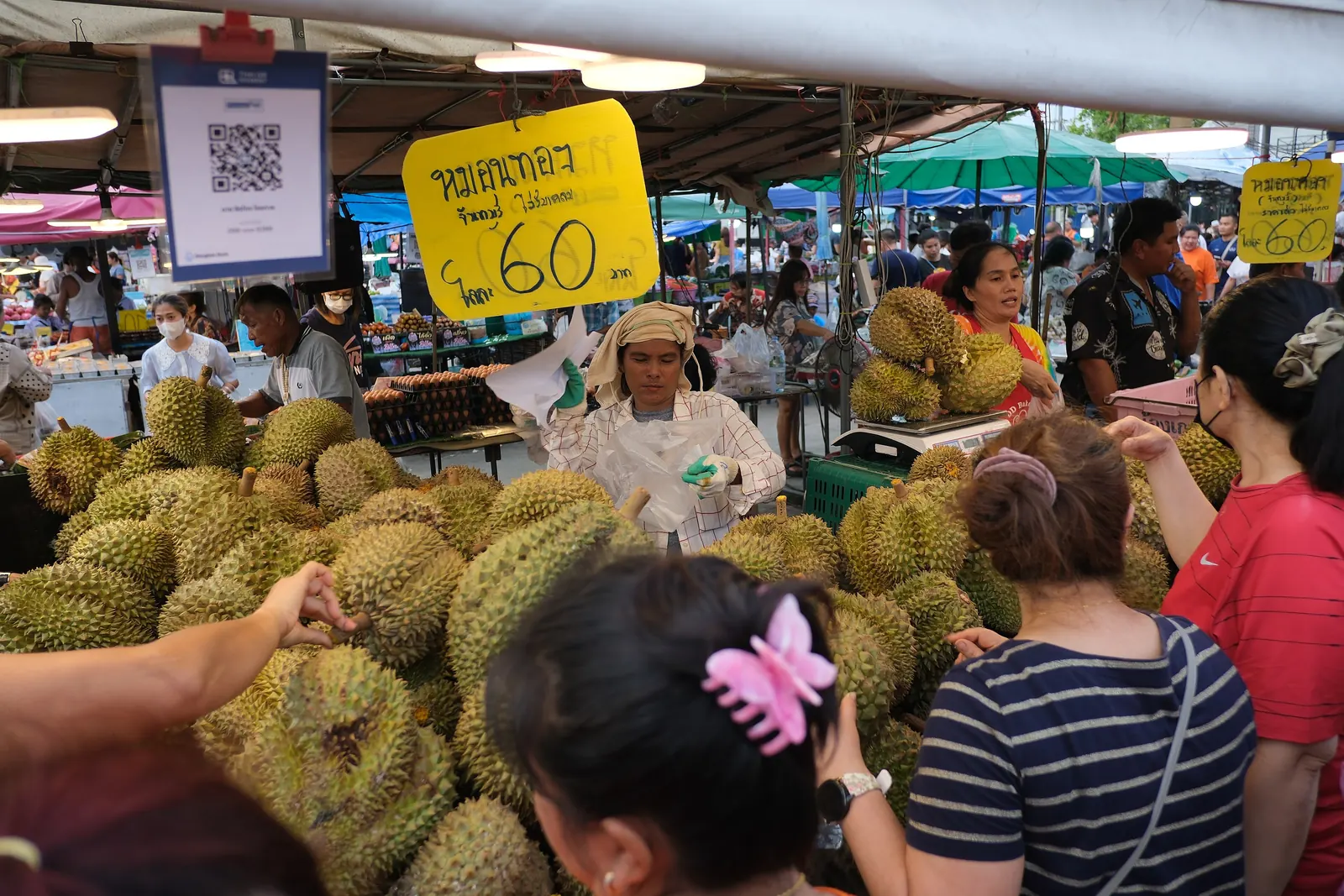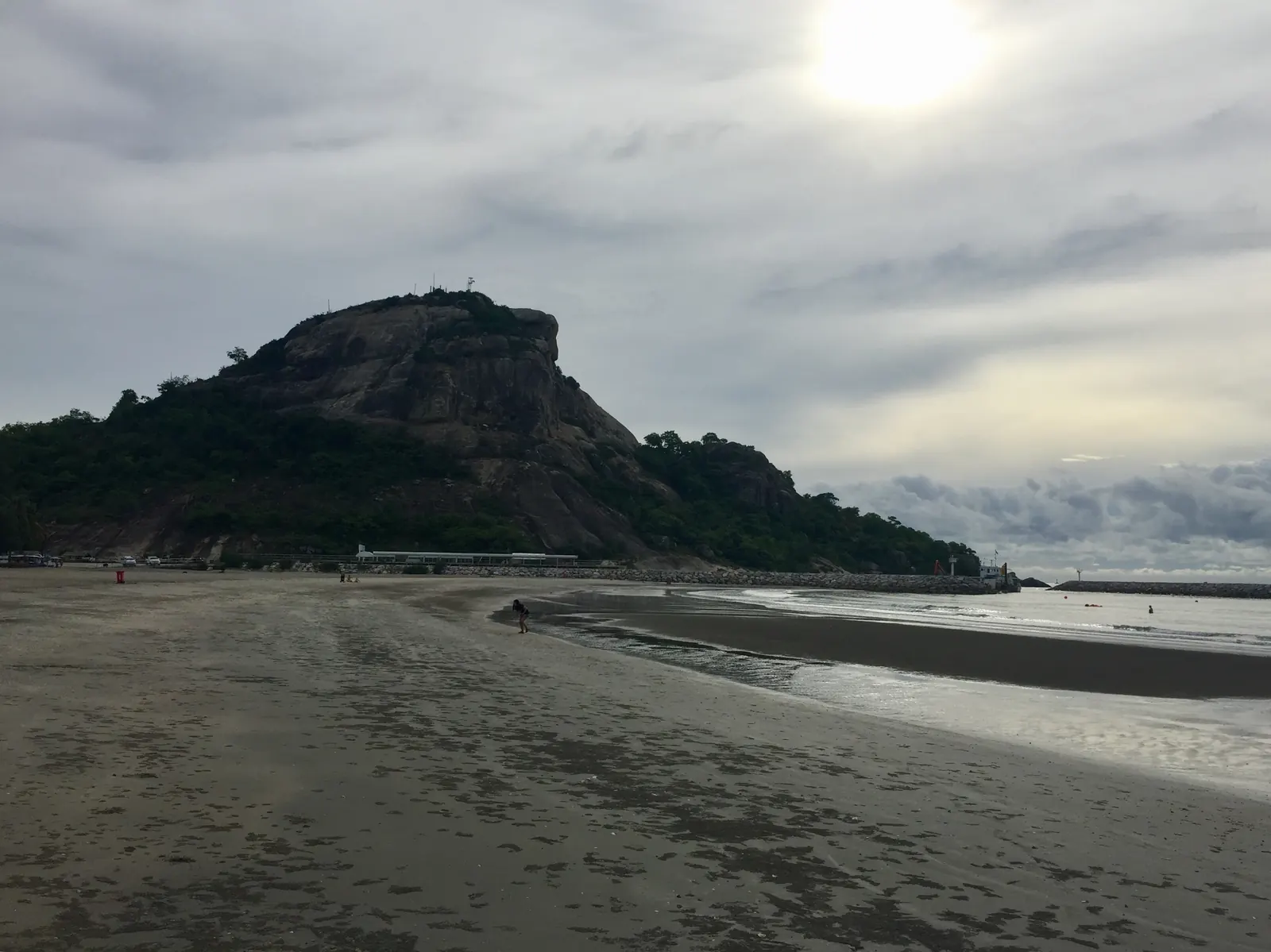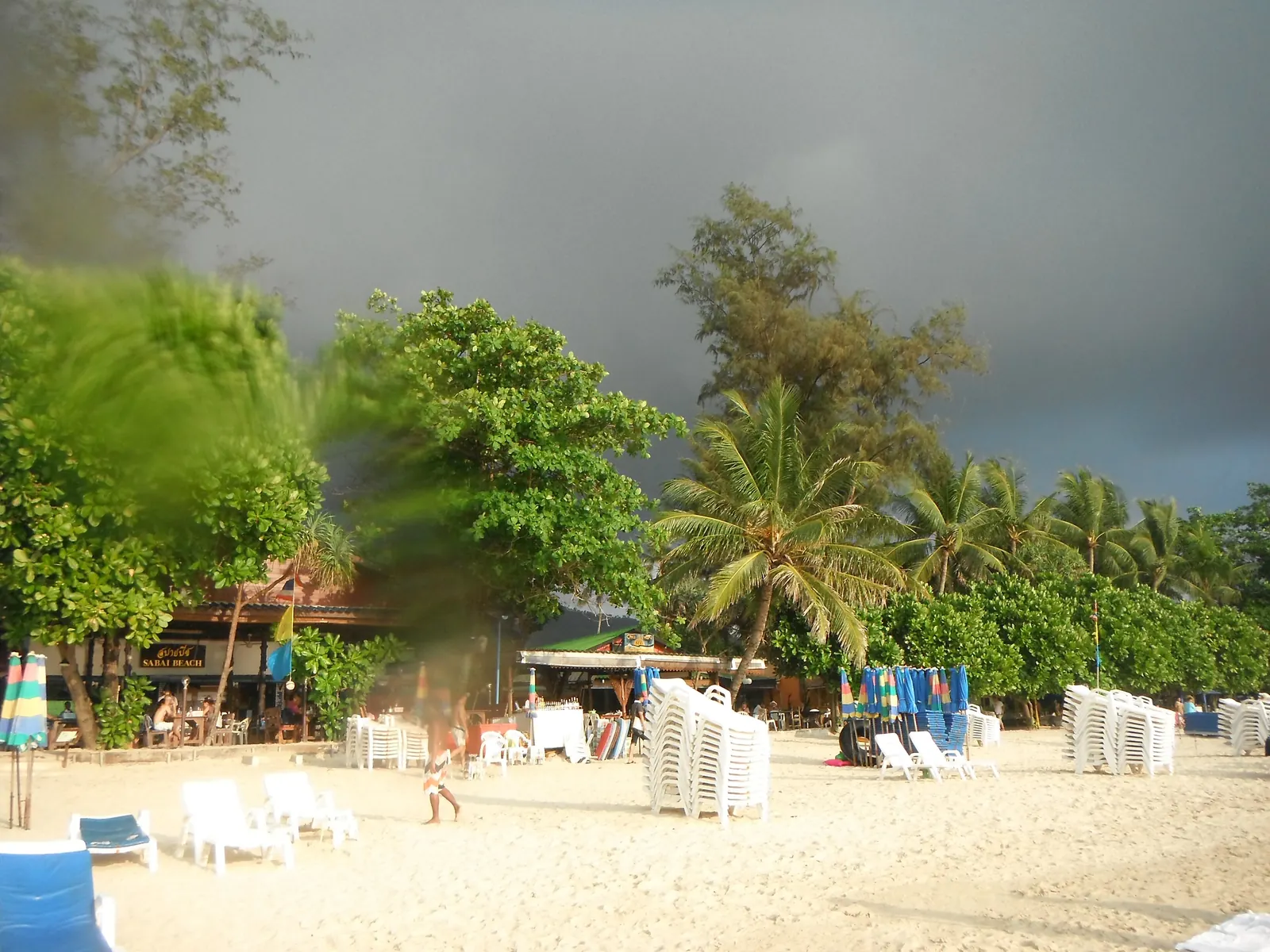
Every spring the same email arrives: “We’ve found a Phuket villa at half price for August. Is the rainy season really that bad?” The honest answer is that the Phuket rainy season, May to October, is neither the brochure’s “brief afternoon shower” nor the forum’s “six months of misery”. It is about 1.7 metres of rain in six months, a west coast under red flags more days than not, two of the coast’s best day trips shut, and rooms 30 to 50 percent below Christmas. Which fact wins depends on the month and on what you wanted from the trip.
The short version: May and June are fine and cheap, July and August are wet but bright with a school-holiday price bump, September is the month to avoid, and October is two months in one, the first half soaked and the second half opening up with the Vegetarian Festival, Maya Bay and the Similans back on the calendar. The sea is the problem, not the sky; the pool, Old Town and the kitchen are the answer. If the trip is about swimming, read our honest Phuket beach ranking and run the Where to Go matcher: from July to September the Gulf islands have their best weather of the year.
Phuket weather month by month: the table
The rain figures are rounded from the Thai Meteorological Department’s normals for the Phuket station (1981–2010 series): the long-run shape, not a forecast. “Rain days” means measurable rain, which here is most days from May to October. The sea column is the west coast, which faces the monsoon head-on.
| Month | Rain days / mm (approx) | Sea, flags and where to swim | Closed | Boats |
|---|---|---|---|---|
| May | 18–19 / ~260 | Swell arrives; first red flags on Karon, Kata, Surin, Kamala; Nai Yang and Kata’s south corner still fine | Similans from 15 May | Phi Phi and Phang Nga Bay run most days |
| June | 18 / ~215 | Rough on the steep beaches; Nai Harn’s surf starts; swim at Nai Yang or Ao Yon | Similans | Phi Phi runs; Racha trips thin out |
| July | 19–20 / ~260 | Surf at Kata and Kalim; Nai Yang or the pool | Similans | Phi Phi most days; cancellations after a system |
| August | 19 / ~285 | Red flags most days; drownings peak; the pool | Similans; Maya Bay from 1 Aug | Phi Phi runs but cannot enter Maya Bay |
| September | 22 / ~360 | Roughest of the year; the pool, honestly | Similans; Maya Bay | Most cancellations of the year, sometimes for days |
| October | 19–22 / ~320–340 | Easing from mid-month; flags come down beach by beach | Maya Bay reopens 1 Oct; Similans 15 Oct | Reliable from mid-month; opening weeks sell out |
| November | 13–15 / ~180 | Settling; first week a coin toss, last week December weather | Nothing | Everything runs |
| December–April | 3–12 / ~25–145 | Flat, clear, around 29°C; every beach swimmable | Nothing | Everything runs; peak prices to mid-January |
About three-quarters of Phuket’s 2.2 metres of annual rain falls between May and October, and September is the wettest month. Koh Samui, across the peninsula, is at its driest in September and wet in November: opposite clocks, which our Koh Samui rainy season guide and the best time to visit Thailand calendar lay side by side.
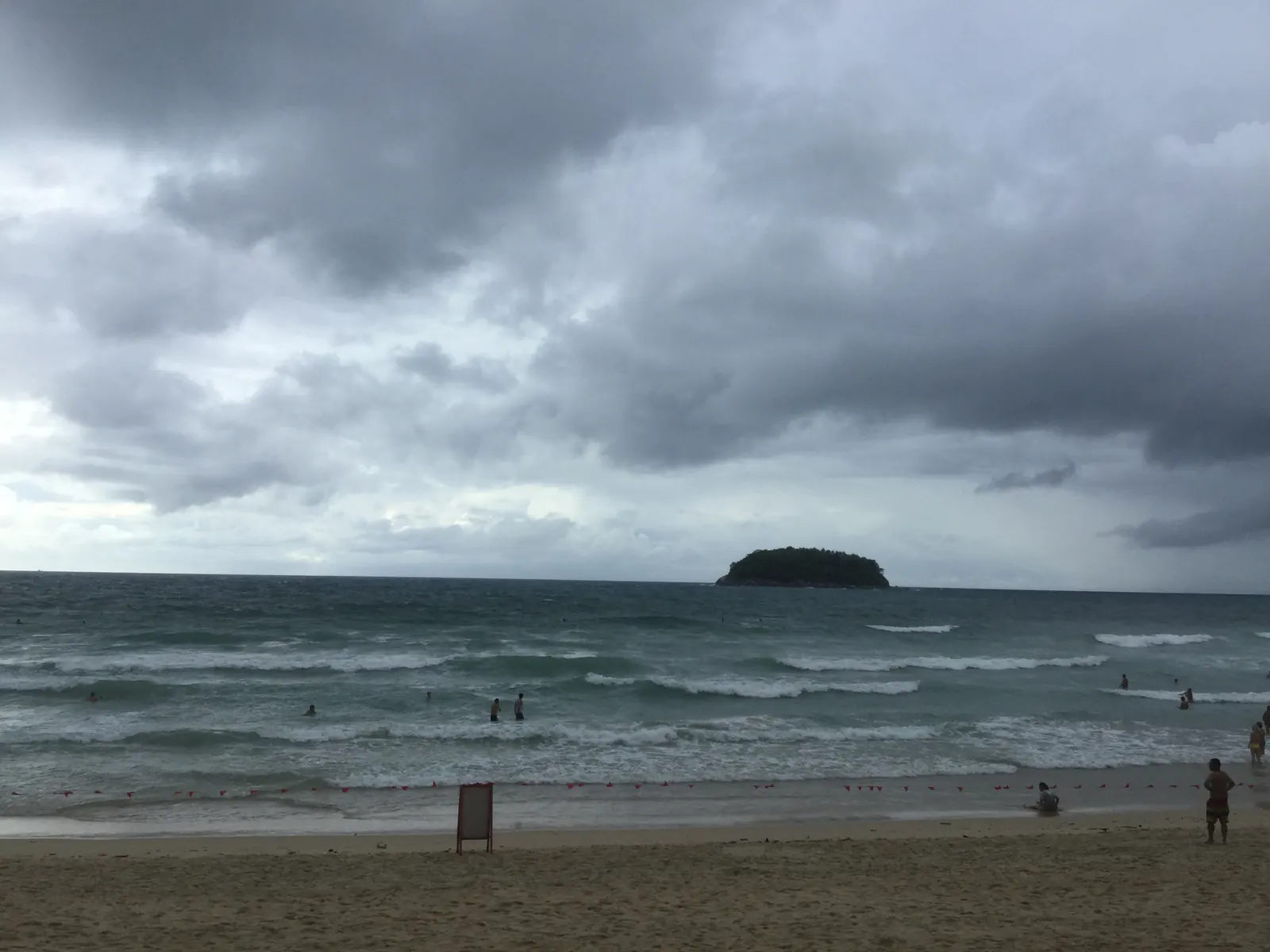
Why the Phuket rainy season runs May to October, and Samui’s doesn’t
Thailand has two monsoons. The south-west monsoon blows in off the Indian Ocean from mid-May and hits the Andaman coast first; the peninsula’s mountains wring most of the water out before it reaches the Gulf, which is why Samui sits dry while Karon is under a red flag. Around October the wind swings, the north-east monsoon drops its load on Samui’s east coast instead, and the sheltered Andaman opens its high season between late October and mid-November. Two consequences. The swell matters more than the rain: a beach can be sunny with a metre and a half of surf and a rip running through it. And the season is lopsided: May and June are the front end, showery and warm with the sea only starting to build; September and early October are the back end, ground saturated and systems bigger and slower. If you must pick a wet month, pick from the front.
The “it only rains for an hour” line, and what September actually looks like
From May to July, and often in August, the line is broadly true. Heat builds through the morning, cloud piles up over the hills behind Kathu after lunch, and somewhere between three and six it comes down hard for twenty minutes to an hour, then stops, and the evening is rinsed and cooler. Beach in the morning, a massage through the dump, night market after.
September is a different animal, and so is early October. The rain arrives as systems, not showers: a low parks over the Andaman, it rains sideways for a day or two under a sky the colour of a filing cabinet, and the sea is closed for the duration. A typical September has two or three of these; a bad one runs them together, and a five-night trip can lose three days to one. Then the floods. Phuket floods from the drains up: a big dump on a high tide backs up the canals that carry the stormwater to the sea, and the low-lying roads go under. In 2026 the local press reported flooded roads in Phuket Town, Kathu and Thalang in May, and again in July in Phuket Town, Patong and Kathu; in early August the Southern Meteorological Centre warned of continuous heavy rain through October. None of it lasts: the water is off the roads within hours, the airport delays rather than closes, and the resorts are on the sand. What it costs you is a slow transfer over the Kathu hill and an afternoon.
Red flags, rips and what closes: swimming and boats from May to October
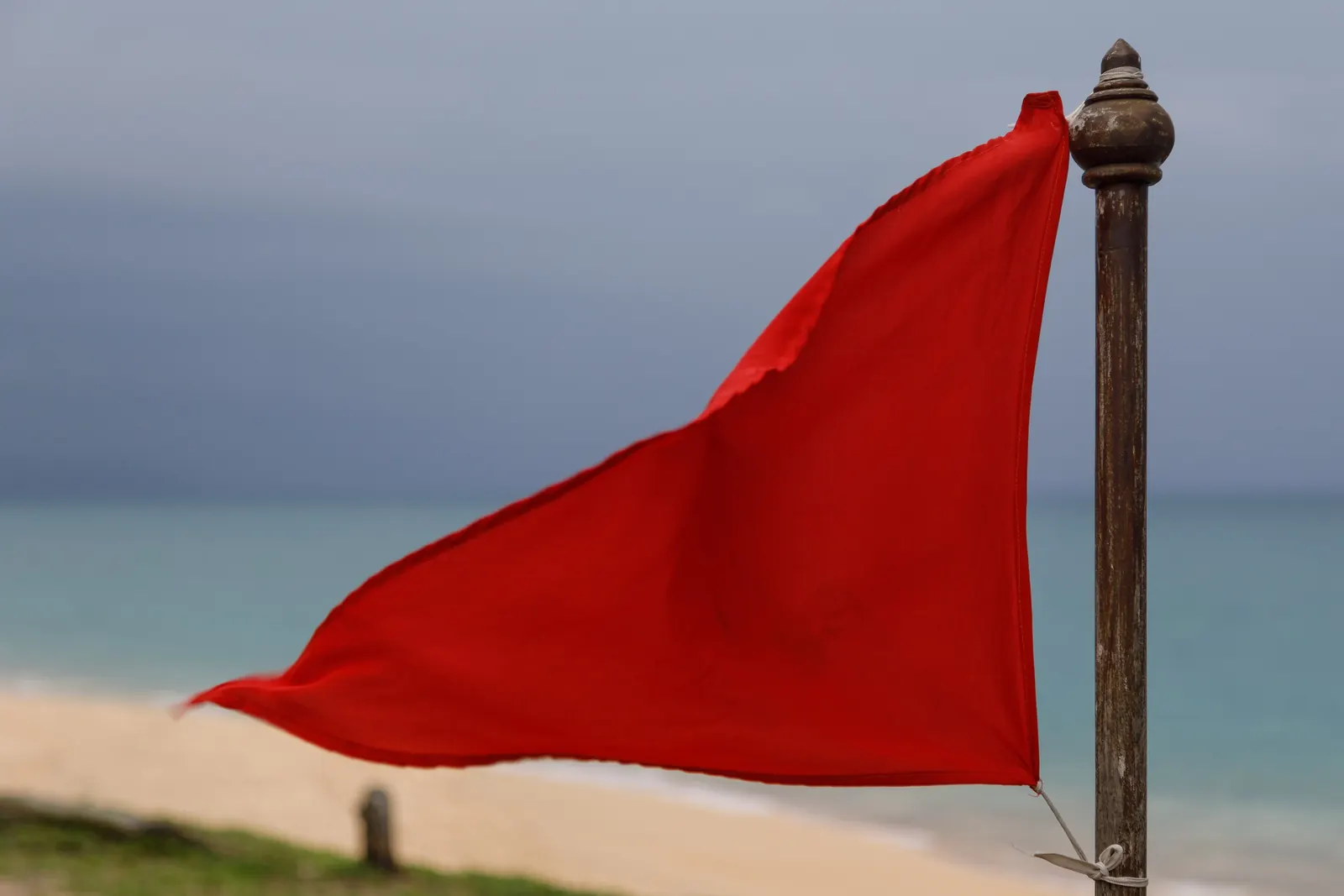
The sea is the part that hurts people. Between 2024 and mid-2026 officials counted 56 drownings on Phuket’s beaches, twenty at Karon alone and five each at Kata and Surin, with May and August the worst months. The pattern: a steep-shelved west-coast beach, a rip running out through a gap in the sandbar, a red flag, and somebody who thought it applied to weaker swimmers. In August 2026 the environment minister ordered Freedom Beach closed after its third drowning since May 2025, with no reopening date given at the time of writing. Lifeguards cover the main beaches, but they are a rescue service, not a guarantee. If a rip takes you, don’t fight it; float, wave, and swim parallel to the beach until it lets go.
The closures are fixed, so plan around them. The Similan Islands shut every year from 15 May to 15 October; the 2026–27 season opens on 15 October 2026 and the opening fortnight sells out under the daily visitor cap. Maya Bay closed from 1 August to 30 September 2026 and reopened on 1 October; boats ran through the closure without entering the bay, and whether Phi Phi is worth it in the monsoon has a short answer. The Rassada pier ferries (tickets on 12Go) sail on most monsoon days and are cancelled by the Marine Department on the rough ones, sometimes two or three days together; our Phuket to Krabi, Phi Phi and Koh Lanta guide has the road routes. And the line no leaflet prints: in July 2018 a tour boat sank off Phuket in a monsoon storm and 47 people died. When the harbour master says no, that is the answer.
The upside is real: from May to October Kata is Phuket’s surf beach, with board hire from the beach shacks at around ฿300–500 an hour, and Kalim at Patong’s north end is the reef break. Our Patong, Kata, Karon, Kamala or Bang Tao page says which base survives the season; the beach ranking has the rip-by-rip detail.
What the Phuket rainy season costs: the 30–50 percent drop, with examples
Phuket’s hotels price on a hard seasonal swing, and the top end swings hardest in baht. Our luxury hotel price tracker, checked in August 2026 with tax and service folded in, has Keemala at around ฿15,000 a night in low season against ฿25,000 in the cool months, the widest swing in Thai luxury; Paresa around ฿11,000 against ฿18,000; Banyan Tree Phuket around ฿10,000 against ฿16,000; Anantara Mai Khao Villas around ฿13,000 against ฿20,000; and the JW Marriott on Mai Khao around ฿7,000 against ฿11,500. September is the floor; late July and August sit a notch above it.
Further down the ladder the percentage is similar and the money smaller. A mid-range Kata pool hotel asking ฿2,000–3,500 in the cool season is typically about a third off from May to September; Katathani, with more pools than a wet week needs, and the Holiday Inn Resort Karon, with the water park and kids’ club, are the two we would look at first for a family riding out the season. In Old Town, where the rain matters least, shophouse rooms at The Memory at On On and Sino House start from around ฿1,300, about half a comparable beach room. Compare a June date against a January date on Agoda’s Phuket page. Book refundable, and pay for a serious pool, a covered restaurant and a spa on site; area by area is in our where to stay in Phuket guide.
Flights barely move: advance one-way fares from Bangkok start around ฿1,000–1,500 in any month, per our Bangkok to Phuket guide. Tours discount less than you would hope, because the boats that run are full; what falls is the number of departures, and a tout selling a September speedboat trip suspiciously cheaply is selling a seat on a boat that may not leave. Street prices, the ฿100–200 lounger and the ฿80–150 beach beer, hold all year and are in the Price Index.
What to do in Phuket on a wet day
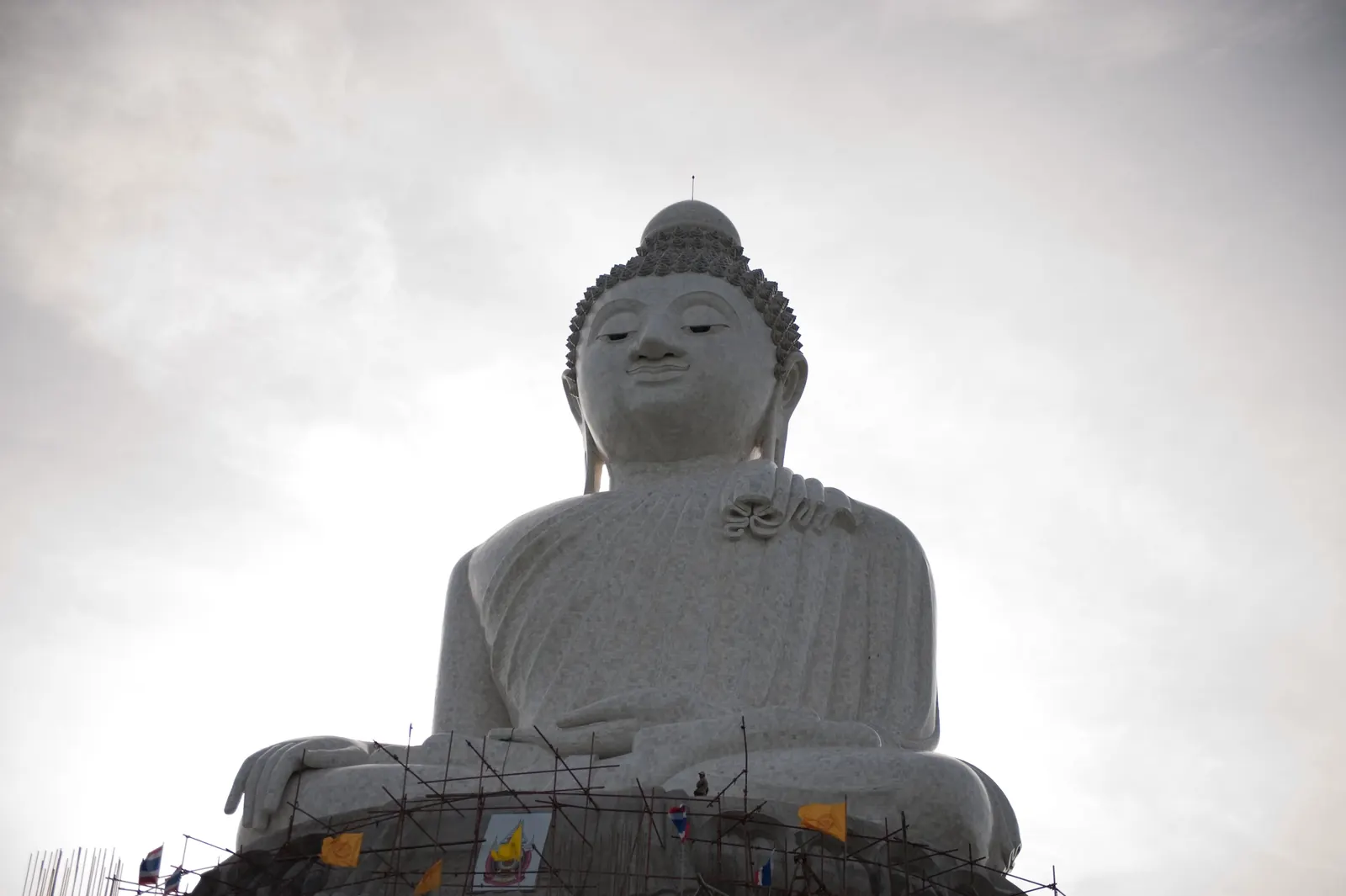
A wet day here is indoors or under cloud, and Phuket has more indoors than any other Thai island. The default is Phuket Old Town: Thalang Road looks better under a grey sky than at noon in March, the Thai Hua Museum (around ฿200) has the tin-mine and clan history with the air-conditioning on, and Chinpracha House (around ฿150) is a century-old family home with the family still upstairs. A cooking class is the standard move and better here than most places, because the Baba kitchen is its own cuisine; half-day classes with a market visit run around ฿1,500–2,500 on GetYourGuide. The Big Buddha, reopened in early 2026 after the landslide that shut the hill for a year, is free and better in cloud than in sun: you climb into the mist and 45 metres of white marble appear in pieces.
Then the wetter options. Andamanda, the water park on the Kathu road, stays open in rain, clears the slides for lightning, and costs around ฿1,800 at the gate or ฿1,600 booked a day ahead; a shophouse Thai massage is around ฿300–500 an hour and a resort spa afternoon ฿3,000–5,000; the Kata surf schools teach beginners in exactly the weather that closes the beach to swimmers; and a drop-in Muay Thai session in Chalong is around ฿500–800. After dark the roofed markets, Chillva’s food zone, Malin Plaza and Banzaan, earn their keep (Phuket night markets), and things to do in Phuket that aren’t Bangla Road marks what works in rain.
| Wet-day option | Where | Cost (approx) | Book |
|---|---|---|---|
| Thai cooking class, half day with market | Old Town, Kata, Chalong | ฿1,500–2,500 | Cooking classes on GetYourGuide |
| Surf lesson, about 90 minutes with board | Kata (beginners); Kalim (reef) | ฿1,500–2,000; board hire ฿300–500 an hour | Surf lessons on GetYourGuide |
| Andamanda water park | Kathu road, between Patong and town | ~฿1,800 gate; ~฿1,600 online | Andamanda tickets on GetYourGuide |
| Thai massage or resort spa afternoon | Any beach road; your hotel | ฿300–500 an hour; ฿3,000–5,000 | Spa packages on GetYourGuide |
The verdict month by month: which months are fine, which to avoid, who should come anyway
May: Fine. The rain starts mid-month, the sea is only beginning to build, the crowds have gone and the rates have dropped; also a bad drowning month, because the beaches still look like April. June: Fine, and the best value on the island: short showers, surf at Kata, and a villa week for what a hotel week cost in January. July and August: Wet but bright more often than not, with school holidays nudging prices up and the sea at its most dangerous; Maya Bay shut from 1 August. September: Skip it, unless the hotel is the holiday: the longest systems, the least reliable boats, and the price as the only argument. October: Two months in one. The first half is September with a different name; from around the 15th the flags come down, the Similans open, Maya Bay is back and the island runs at shoulder prices; our Thailand in November guide picks up the story from there.
Who should come anyway: surfers; anyone whose trip is a villa, a spa, a wedding or a cooking course; food people; families who will live in the pool and can be trusted near a red flag (our Phuket with kids guide has the rainy-season plan); and anyone timing a trip to the Vegetarian Festival. Who shouldn’t: first-timers with one week and a beach in mind, and divers who came for the Similans. For a beach-and-sea trip in these months go to the other coast, where Samui, Phangan and Tao are in their dry window; the Where to Go in Thailand matcher will tell you the same.
The Vegetarian Festival: the rainy season’s finale
The one good reason to time a Phuket trip for the wet is the Vegetarian Festival, which in 2026 runs from Saturday 10 to Sunday 18 October. Nine days of Taoist purification for the Nine Emperor Gods: processions of entranced devotees with steel through their cheeks from about 6am, firewalking and bladed ladders at the shrines by night, and a town in white eating jay food from yellow-flagged stalls at ฿30–60 a plate. It will rain on it; it always does. Stay in Old Town, be on Ranong Road outside Jui Tui by 7am on that shrine’s day, and read our Vegetarian Festival 2026 guide for the shrine schedule and what the yellow flags mean for what to order; where it sits in the year is on the festivals and public holidays calendar.
On 2026 specifically: nobody can forecast a monsoon, and August’s warning of a wet August-to-October was the long-run pattern restated. If you book September, book refundable, book a pool, and check the Thai Meteorological Department‘s Andaman outlook a week out. Pack a rain shell rather than an umbrella, quick-dry everything and a dry bag for the phone (our packing guide has the list); the island at a glance is on the Phuket province page.
Phuket rainy season: your questions, answered
When is the rainy season in Phuket?
Mid-May to the middle of October, driven by the south-west monsoon. September is the wettest month at around 360mm and 22 rain days, with August and October close behind; May and June average around 215–260mm each and the showers are shorter. November is the transition, and December to March is the dry season, with February the driest month of the year.
Is Phuket worth visiting in the rainy season?
In May, June and the second half of October, yes: rates are 30 to 50 percent below the cool season, the showers are mostly short and the island is green and quiet. In September, only if the hotel is the holiday. In every wet month the sea is the problem, so treat it as a pool, food and Old Town trip with swimming as a bonus.
Can you swim in Phuket in the rainy season?
Only where the flags allow. From May to October the west coast gets swell and rip currents, and Karon, Kata’s north end, Surin, Kamala, Nai Thon and Mai Khao are where the drownings happen; officials counted 56 on Phuket’s beaches between 2024 and mid-2026. Nai Yang’s reef keeps it calmer, Kata’s southern corner works on green-flag mornings, and Ao Yon on the east coast faces away from the swell.
Do the Phi Phi boats and Similan trips run in the rainy season?
The Similan Islands close entirely from 15 May to 15 October; the 2026–27 season opens on 15 October 2026. Maya Bay closed from 1 August to 30 September 2026 and reopened on 1 October. Phi Phi ferries from Rassada pier sail on most monsoon days and are cancelled by the Marine Department on rough ones, sometimes for two or three days at a stretch.
How much cheaper is Phuket in the low season?
Hotels drop roughly 30 to 50 percent, with September the floor: in August 2026 Keemala was around ฿15,000 a night in low season against ฿25,000 in the cool months, and the JW Marriott around ฿7,000 against ฿11,500. Flights from Bangkok barely change, from around ฿1,000–1,500 one way, and street prices, from loungers to beer, hold all year.
Related guides
- Koh Samui Rainy Season: When It Actually Rains, Month by Month
- Best Time to Visit Thailand: Month by Month, Coast by Coast
- Where to Stay in Phuket: The Complete 2026 Guide
Book the trip
Some links in this guide are affiliate links. If you book through them we may earn a small commission at no extra cost to you — it helps keep Destination Thailand independent.
Hotels: compare Phuket hotels on Agoda for a June date and a January date and watch the gap; the Keemala, Paresa, JW Marriott, Katathani and Old Town shophouse picks above are where we would start, booked refundable. Tours/Boats: the cooking class, surf lesson and Andamanda links in the wet-day table are on GetYourGuide, and from 15 October Similan day trips open again; read the cancellation terms, not the photographs. Getting there: Bangkok to Phuket on 12Go compares the 85-minute flight against the overnight bus, with every route costed in our Bangkok to Phuket guide, and the airport-to-beach step is in the Phuket airport arrival guide. Not sure the Andaman is your coast in these months? Our Where to Go in Thailand matcher scores all 77 provinces against your month, your budget and your crowd tolerance.