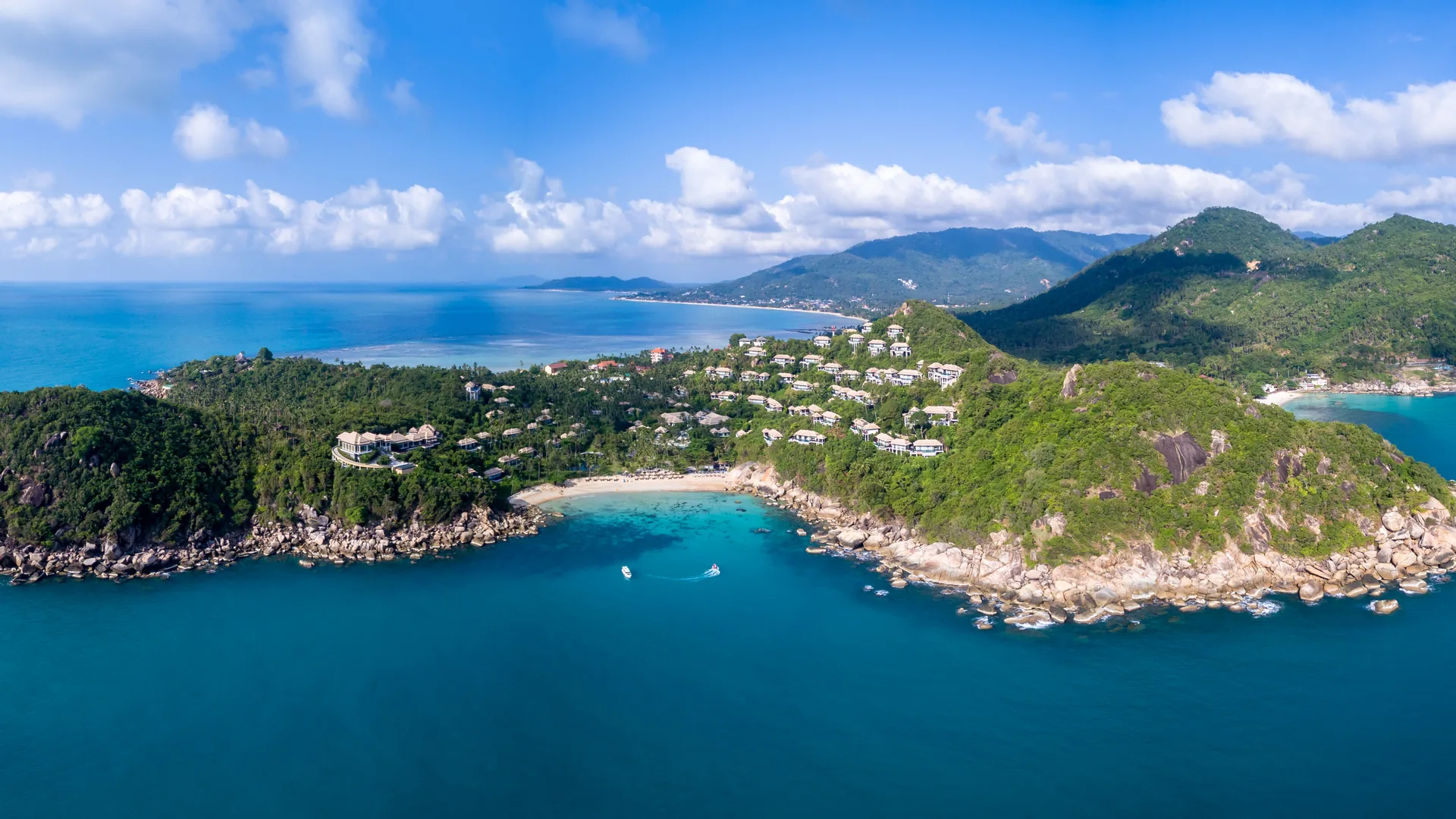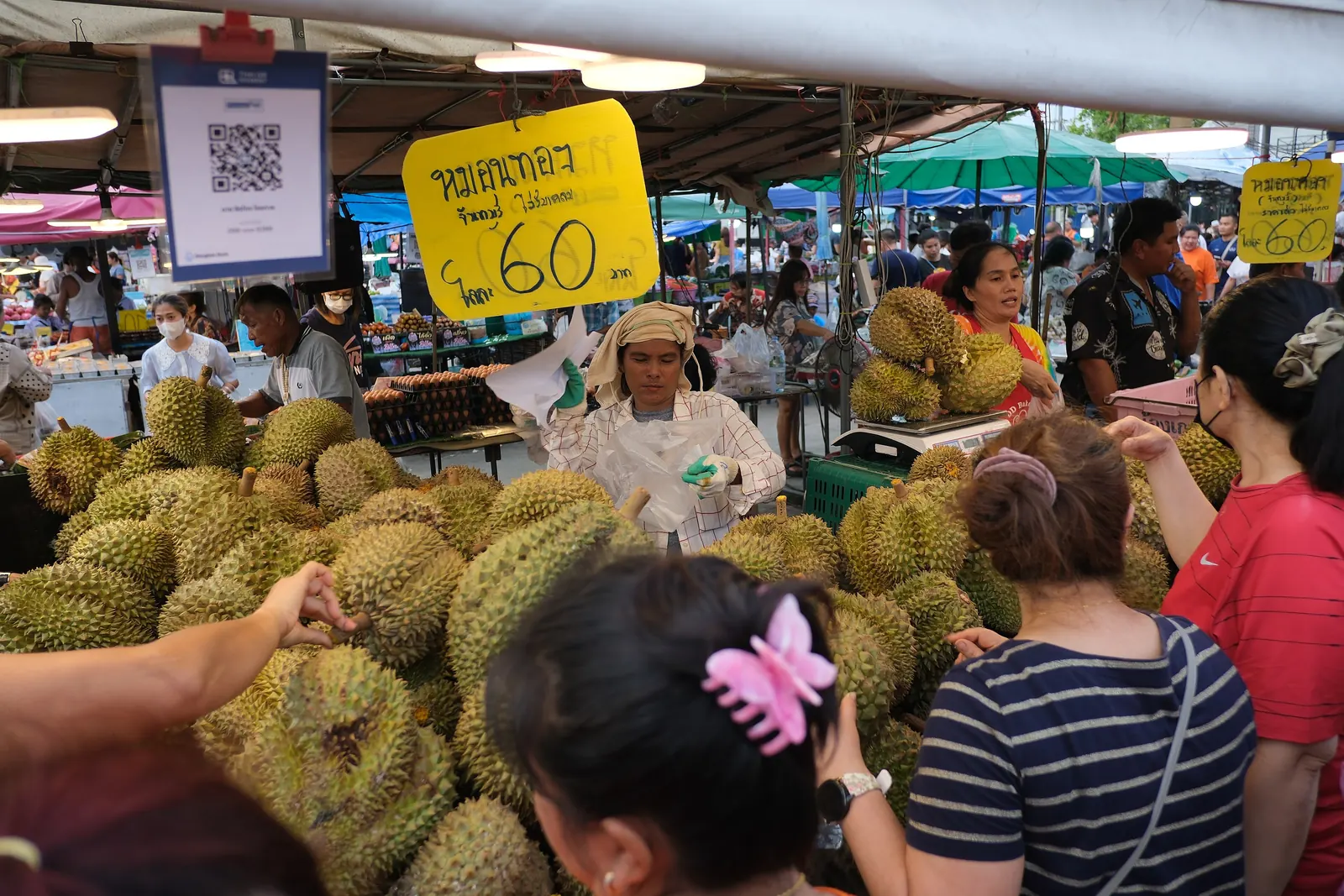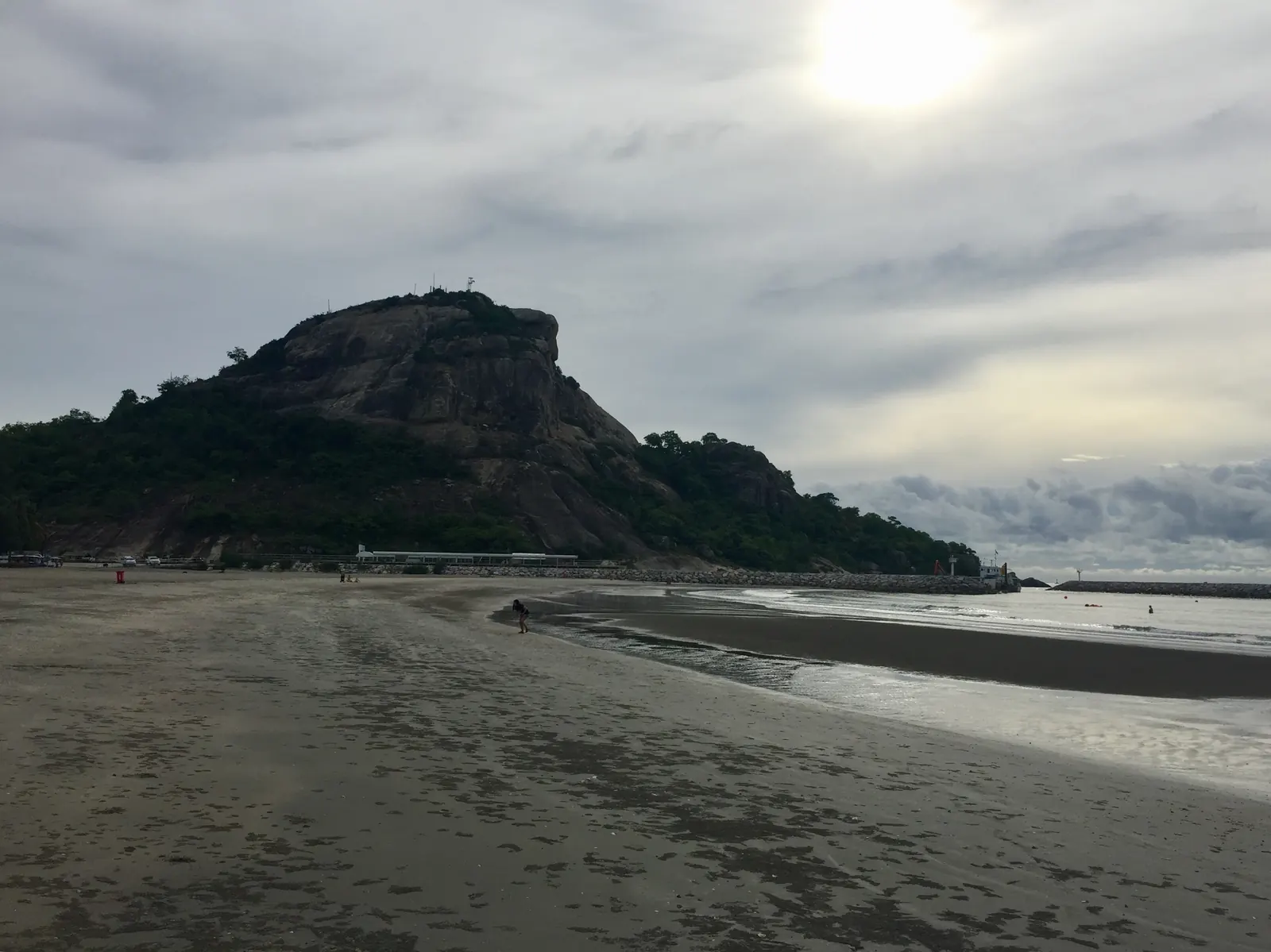
Phayao is the province almost everyone on Highway 1 drives straight through, eyes fixed on Chiang Rai, and that single fact explains most of what is good about it. What they are missing is a proper northern university town wrapped around Kwan Phayao, the biggest freshwater lake in the north, with a five-hundred-year-old temple under the water, rowing boats heading out to it at sunset, and som tam sellers on the shoreline charging ฿60 for the best-positioned dinner in the country.
There is no airport here, no railway station and no tour-bus circuit. What Phayao offers instead is a lake the size of a small district, the largest Buddha image in the Lanna world, a genuine sea of mist in the far hills, and the unhurried confidence of a town that has never needed your money badly enough to perform for it. For the raw numbers, see our Phayao province profile; this is the opinionated version.
What Phayao really is
Eight centuries ago this was a kingdom in its own right, ruled by King Ngam Mueang, who famously swore a three-way pact of friendship with King Mangrai of Chiang Mai and King Ramkhamhaeng of Sukhothai. His statue stands on the lakefront today. The place was later folded into Lanna, then Siam, and only separated from Chiang Rai in 1977 — one of Thailand’s youngest provinces sitting on some of its oldest ground.
Today it runs on three things: rice, fish and students. The University of Phayao sits in the hills south of town and feeds tens of thousands of young people into the local economy, which is why a small provincial capital has proper coffee, cheap food and real evening energy on the promenade — university town energy, without a single tour group to dilute it. The lake, Kwan Phayao, is the centre of absolutely everything. The town faces it the way other towns face a cathedral.
Why go to Phayao
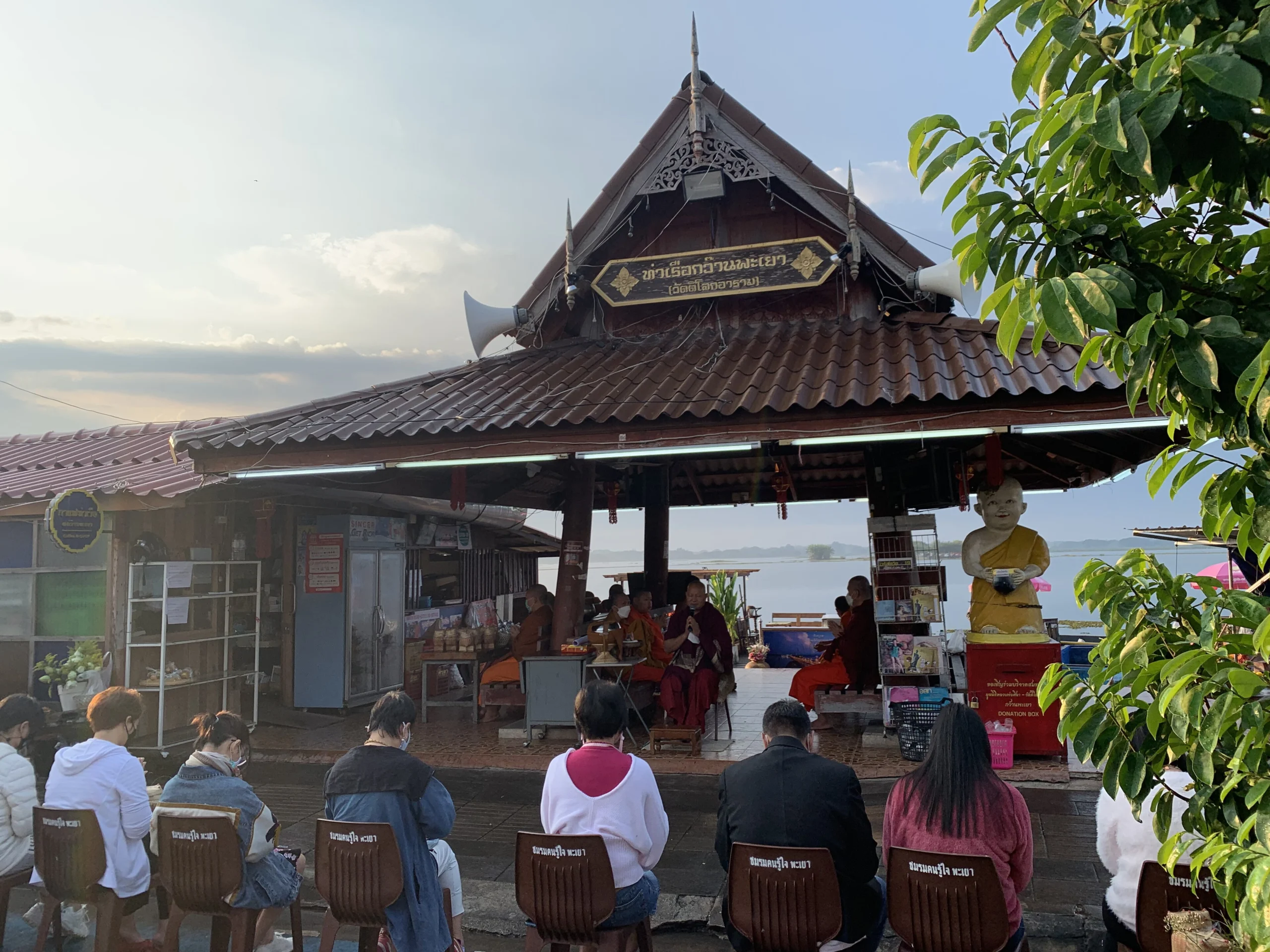
Because it is the least performative town in northern Thailand. Chiang Mai has been styled to within an inch of its life. Pai is a costume party. Phayao just gets on with being a lake town: monks on the shoreline at dawn, students on the promenade at dusk, fishermen in between, and a sunset the som tam ladies will sell you a front-row seat to for the price of a papaya salad.
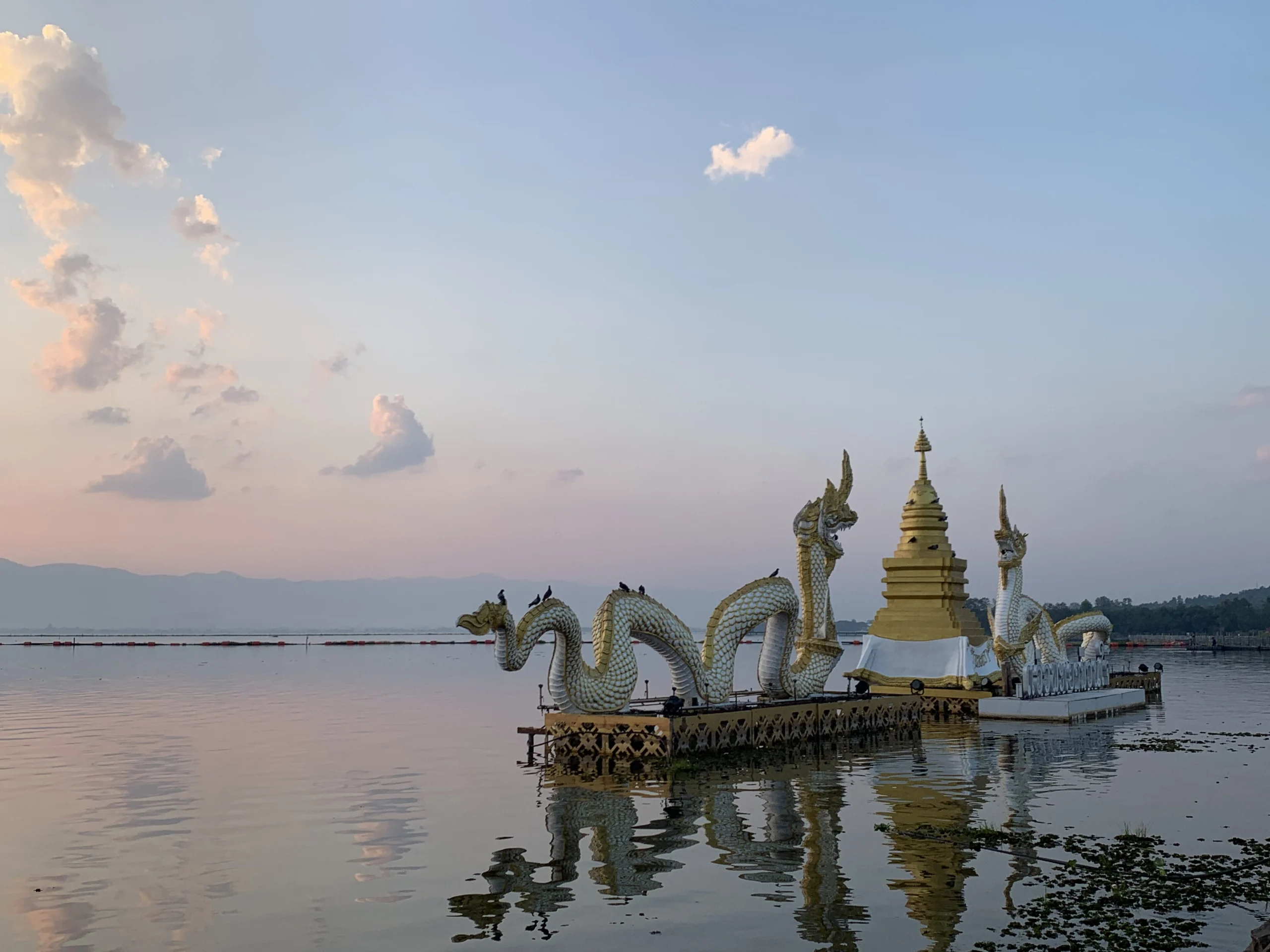
Go if you like your travel slow, cheap and unscripted. There are perhaps six genuine sights, and the point is the hours in between them.
Getting to Phayao
- From Bangkok: direct buses leave Mo Chit mostly in the evening, take around nine hours and cost roughly ฿500-800 depending on how flat the seat goes. There is no train line; the nearest station is Den Chai in Phrae, about 90 minutes away by road.
- From Chiang Mai: buses take about three hours, ฿150-250, several services a day. No need to book ahead outside long weekends.
- From Chiang Rai: the easy approach. Around 90 minutes south on Highway 1, buses through the day, under ฿100.
- By air: the nearest runway is Chiang Rai’s Mae Fah Luang airport, roughly 90 kilometres away. From there it is a bus onward, or an arranged car for somewhere over a thousand baht.
In town, everything that matters is on or near the lakefront. For the hills in the east, rent a motorbike — the usual few hundred baht a day.
For live timetables and tickets on these routes, compare your options on 12Go before you commit to a departure time.
Where to stay
Stay within walking distance of the lakefront, full stop. The streets behind the promenade hold clean, family-run guesthouses in the ฿400-600 range — tiled floors, hard beds, cold Chang in the fridge downstairs — and a handful of lake-view hotels at ฿800-1,500 where the extra money buys a balcony pointed at the sunset. Nothing in Phayao calls itself five-star, and the town is better for it.
The area around the university is student flats and has no reason to host you. Heading up to Phu Langka for the sea of mist? Plan a night in Pong district or at the forest park itself — tents, basic rooms, cold showers, and a sunrise that makes all of that irrelevant.
What to eat in Phayao
Lake fish first. The tilapia is raised in Kwan Phayao itself, and the standard order — whole fish crusted in salt, grilled over coals, served with sticky rice, herbs and a jaew that means business — runs ฿100-150 at the lakefront places and is one of the great cheap dinners of the north. The braver order is kung ten, tiny live lake shrimp doused in lime, chilli and fish sauce. They jump. That is the entire point of the name.
Beyond the lake: som tam on the shoreline for ฿50-60, khao soi in town for ฿50-70 — the student population keeps portions big and prices honest — and the night market near the lakefront in the evening for sai ua, grilled everything and northern curries by the bag. You will struggle to spend ฿300 a day on food here, and you will eat better than in most of Chiang Mai’s old city.
Top things to do in Phayao
1. Row out to Wat Tilok Aram, the sunken temple
The sight the province is quietly famous for. Wat Tilok Aram is more than five hundred years old and has spent the better part of a century underneath Kwan Phayao, drowned when the lake was dammed in 1939 to boost the fisheries. A Buddha image now sits on a platform above the waterline, and wooden boats row you out from the lakefront pier — about half an hour on the water, a few hundred baht for the boat rather than per head. Take the last departure before sunset, when the light goes copper and the mountains across the lake turn to cut-outs. Nothing else in Thailand is quite like it.
2. Join the lakefront som tam economy
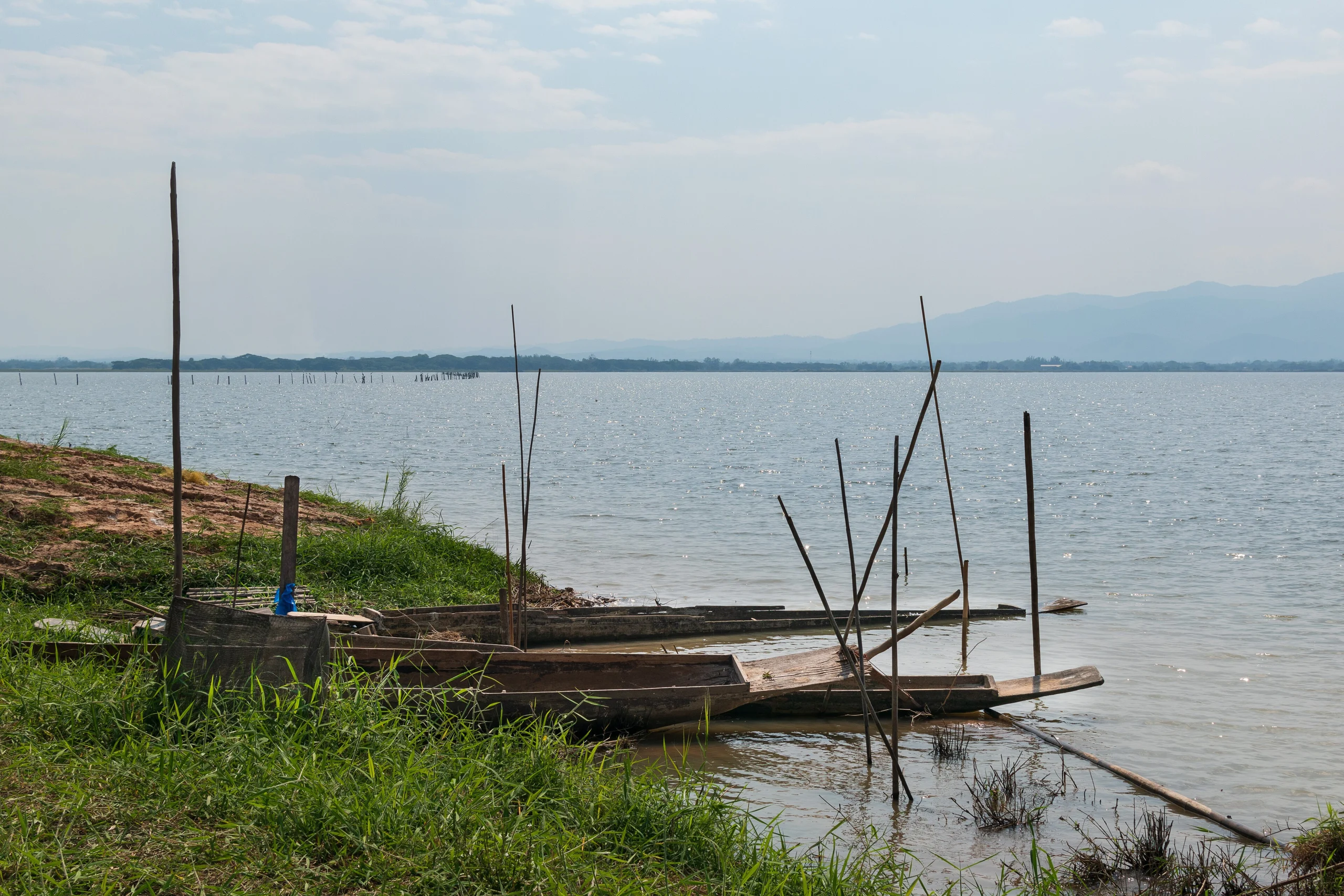
Along the shoreline promenade, a row of stalls sells som tam, grilled chicken and sticky rice to be eaten on mats facing the water. Expect around ฿60 for a pounded-to-order papaya salad with a view a Bangkok rooftop bar would charge twenty times more to ruin with house music. The sun drops behind the western ridge around six; arrive an hour before and stay until the lights come on.
3. Stand under Phra Chao Ton Luang at Wat Sri Khom Kham
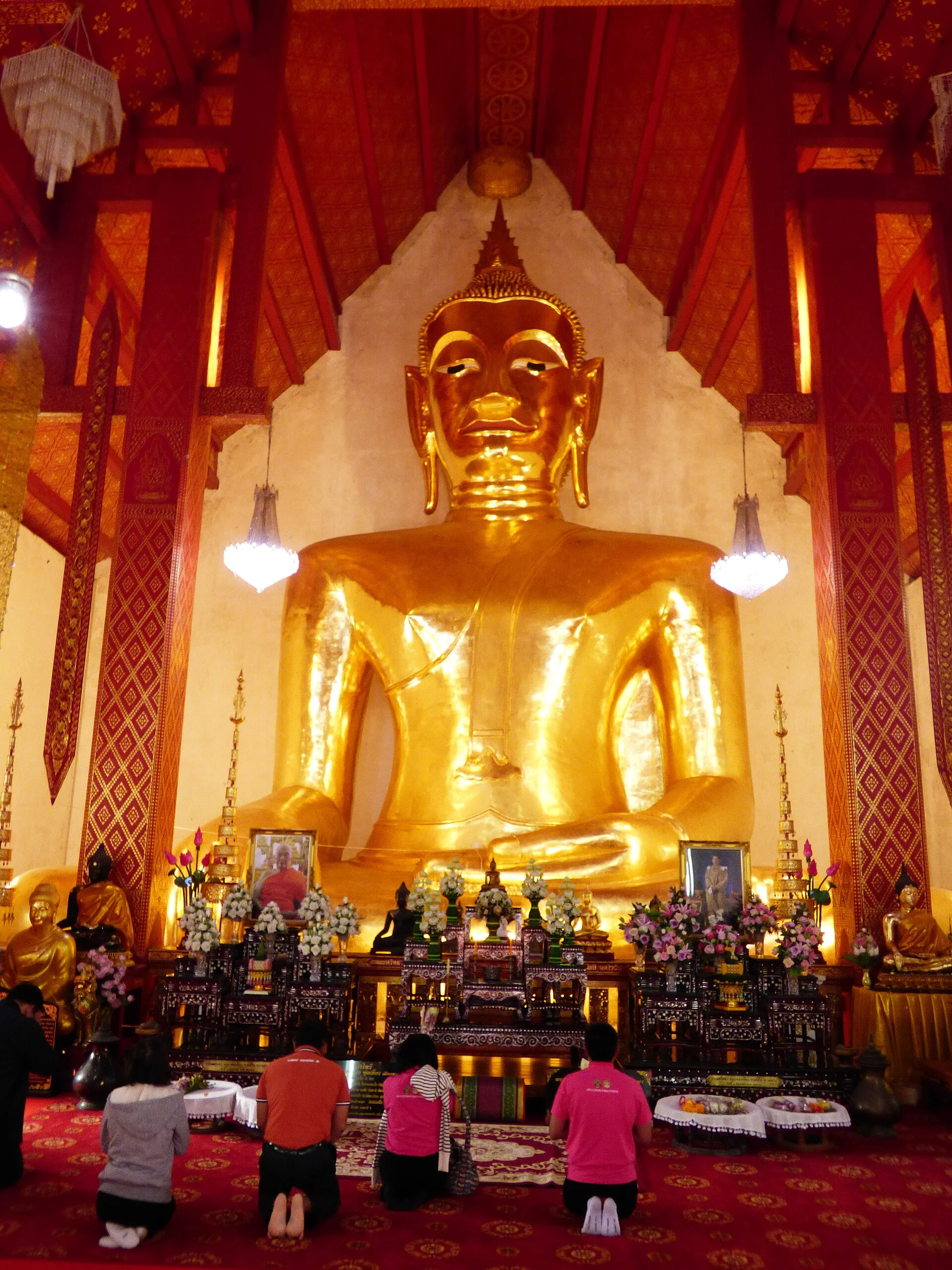
On the northern shore of the lake, Wat Sri Khom Kham houses Phra Chao Ton Luang, the largest Buddha image in the Lanna style anywhere — more than 400 years old, around 16 metres of seated gold that took generations of craftsmen to complete. This is not a photo-stop temple; it is one of the most revered images in the north, and the hall has the hush to match. Free to enter, shoulders and knees covered; go in the morning and you may have it almost to yourself.
4. Catch the sea of mist at Phu Langka
In Pong district, about two hours’ drive from town, Phu Langka is where Phayao does its mountain act: a viewpoint above a valley that fills with cloud on cool-season mornings until you are standing on an island in a white sea. November to February is the reliable window, and sunrise is non-negotiable — camp at the forest park or stay nearby the night before. A 4am drive from the lake is technically possible and practically miserable.
5. Drink your way through Doi Bussaracum tea country
The same eastern hills grow tea, and the slopes around Doi Bussaracum are proper tea country — cool air, terraced bushes, small growers who will pour you oolong until you surrender. It pairs naturally with Phu Langka as a one-night loop, and the mountain roads along the way are reason enough on their own if you are on two wheels. Bring a jumper; it gets genuinely cold up there in December.
6. Do the lake loop at student pace
Rent a bicycle or walk the promenade in the late afternoon: past the King Ngam Mueang monument, past the fishing boats, past students filming each other and aunties power-walking in visors. This is where the university town energy shows itself — cheap cafés, lakefront beers, zero hustle. Phayao is one of the few provincial capitals in Thailand where doing nothing in particular is the headline activity.
What to skip
Skip the midday boat to the sunken temple. At noon the lake is a sheet of glare, the Buddha platform a silhouette in heat haze, and you will sit in an open boat slowly turning the colour of the grilled tilapia you should have been eating instead. The experience is engineered for the golden hour; taking it at midday is like watching fireworks at lunchtime.
And skip the drive-through version of Phayao altogether — the two-hour pit stop on the way to Chiang Rai, photo at the lake, back on Highway 1. Rushed, this town looks like an ordinary provincial capital with a wet field next to it. Given an evening and a morning, it becomes one of the most likeable towns in the north. If you cannot spare the night, save it for a trip when you can.
Phayao travel: practical info
Best season: November to February — cool evenings on the lakefront, reliable mist at Phu Langka, sunsets worth planning around. March and April are burning season across the north and the smoke haze can be grim; stay away. The rainy months keep the lake full and the hills green, and the town shrugs off the afternoon downpours.
Wikipedia’s Phayao entry covers the Phayao kingdom history.
Their 10 things to do in Phayao makes a fair companion list.
TAT’s official Phayao page keeps current events and hours.
How long: two nights covers the lake, the temples and the food at the correct pace. Add a third for the Phu Langka and tea-country loop. A week would be a lifestyle choice rather than an itinerary, and not an unreasonable one.
Onward: Chiang Rai is 90 minutes north. Route 1148 from Chiang Kham east to Nan is one of the finest riding roads in the country. Phrae and Lampang sit to the south for the teak-town circuit.
FAQ
Is Phayao worth visiting?
Yes — if you want lake-town northern Thailand without crowds, scripts or inflated prices. The sunken temple boat at sunset, the biggest Lanna Buddha and ฿60 lakefront som tam justify the detour on their own. Skip it if you need nightlife bigger than a promenade.
How do you get to Phayao from Chiang Mai?
By bus, in about three hours, for roughly ฿150-250, several times a day. There is no train and no airport, so the bus — or your own wheels — is the whole menu.
How many days do you need in Phayao?
Two nights for the town and the lake; three if you are heading up to Phu Langka for the sea of mist, which deserves an overnight rather than a brutal pre-dawn drive.
Does Phayao have an airport?
No. The nearest is Chiang Rai’s Mae Fah Luang airport, roughly 90 kilometres and about 90 minutes away by road. Fly there, then finish by bus or arranged car.
When is the best time to visit Phayao?
November to February — cool air, clear sunsets, reliable mist at Phu Langka. Avoid March and April, when burning season fills the northern sky with smoke.