Northern · Thailand
Phayao · พะเยา
Kwan Phayao lake sunsets, Wat Tilok Aram submerged temple.
- Region
- Northern
- Population
- 462,000
- Area
- 6,335 km²
- Stories filed
- 1
About Phayao
History
Phayao was an independent principality for three centuries before being absorbed by Lanna in 1338, and its ruler Ngam Mueang maintained a celebrated alliance with King Mangrai of Chiang Rai and Ramkhamhaeng of Sukhothai — three kingdoms at their heights, linked by the Buddhist networks of the thirteenth century. The town's defining feature, Kwan Phayao lake, was created in the 1940s by a modest dam on the Ing river; fishermen report hearing temple bells from submerged ruins under calm water, and the lake has become the enduring image of the province.
Landscape & geography
A high river-valley ringed by mountain forest, with Kwan Phayao — at 12 square kilometres Thailand's largest landlocked lake at altitude — filling the middle. Pine-and-broadleaf ridges rise to the north and west toward the Laotian border; the Ing river drains the valley north toward the Mekong. The provincial capital sits on the lake's western shore, its universities giving it a younger-than-average demographic for a northern town and a lively lakeside promenade culture most visible at sunset.
Why visit
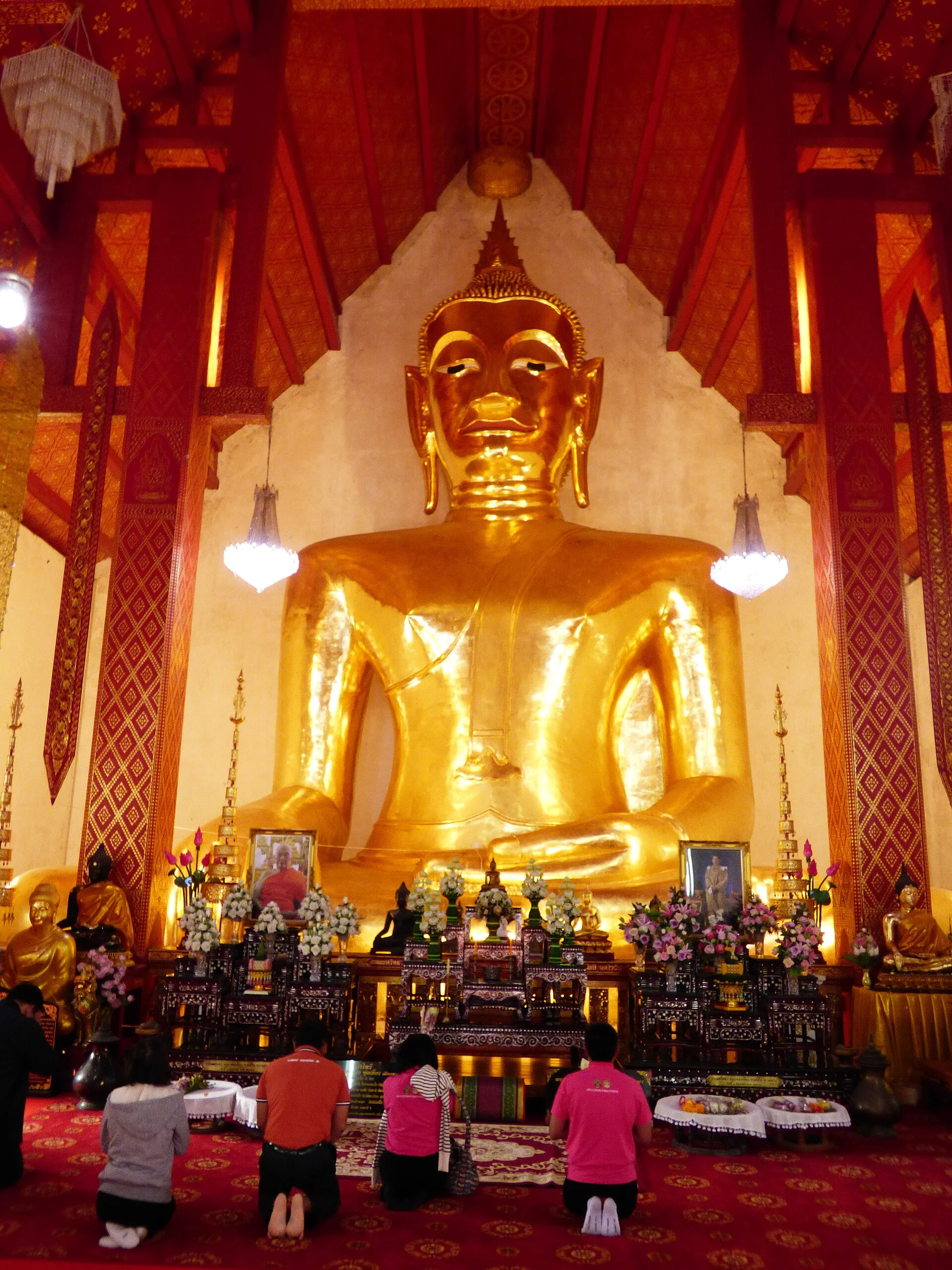
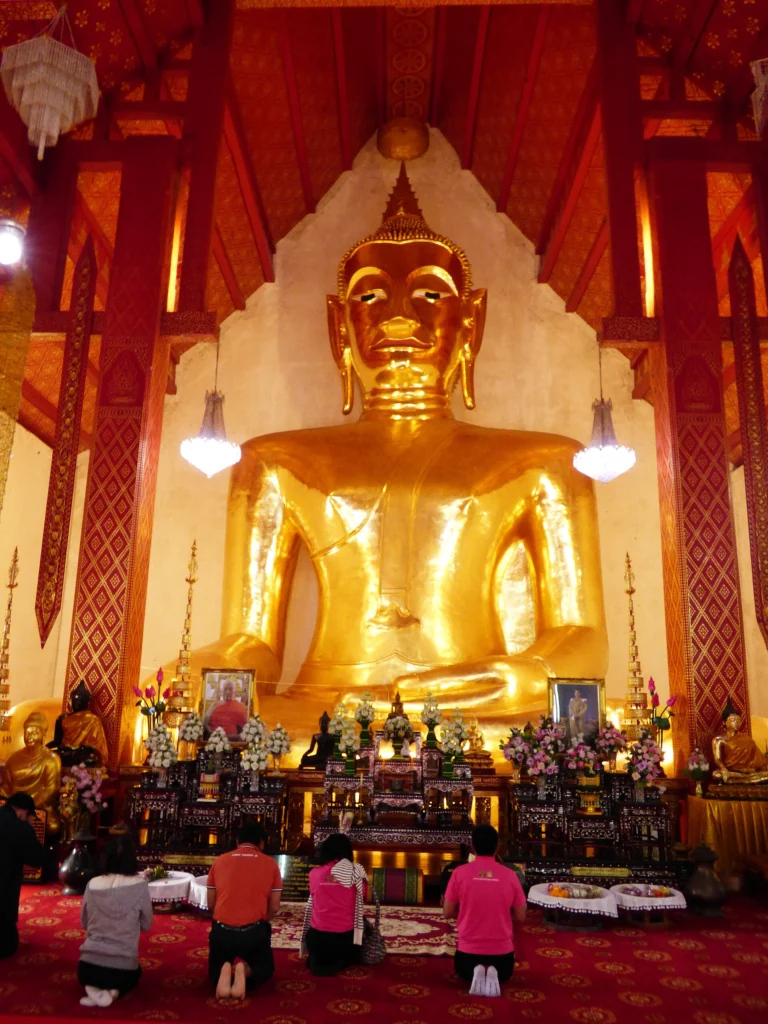
Phayao is a low-key stop on the route between Chiang Rai and Nan, its lakeside promenade shared at sunset with local university students. Wat Si Khom Kham's enormous bronze Buddha — seventeen metres, Chiang Saen style — extends over the lake on a platform jetty; the temple museum holds inscriptions and bronzes from the principality period. A morning walk to Wat Analayo on the forested hill above town gives panoramic lake views with almost no other visitors. Phayao's fresh-fish restaurants on the lake shore — fried Kwan Phayao perch and spicy lake-snail soup — are a food destination in their own right.
Stories from Phayao
Articles, reviews, and itineraries tagged to this province.