Northern · Thailand
Lampang · ลำปาง
Horse-drawn carriages, elephant conservation centre, teak houses.
- Region
- Northern
- Population
- 730,000
- Area
- 12,534 km²
- Stories filed
- 1
About Lampang
History
Lampang — an old Haripunchai satellite absorbed into Lanna in the thirteenth century — became a major teak-logging hub in the late nineteenth century, drawing Burmese, Shan, and European timber merchants who built an extraordinary concentration of teak-and-brick temples in a style found nowhere else in Thailand. The Burmese-period craftsmen who carved the fretwork viharns and painted the murals gave Lampang a vernacular architectural identity it has never lost. The province's horse-drawn carriages — introduced by British teak traders in the 1880s — became the city's signature and still operate as tourist rides along the old-quarter streets today.
Landscape & geography
A long, narrow valley wrapped in low mountain ridges, with the Wang river running through the middle and the Wang reservoir impounding it south of the city. Pine-covered highlands rise in the west toward Khun Tan National Park, whose summit ridge is the highest point directly accessible by train in Thailand. The province narrows in the north toward Chiang Mai; the central valley is mostly flat and agricultural, with teak and ceramic-tile workshops clustered around the old-quarter lanes.
Why visit
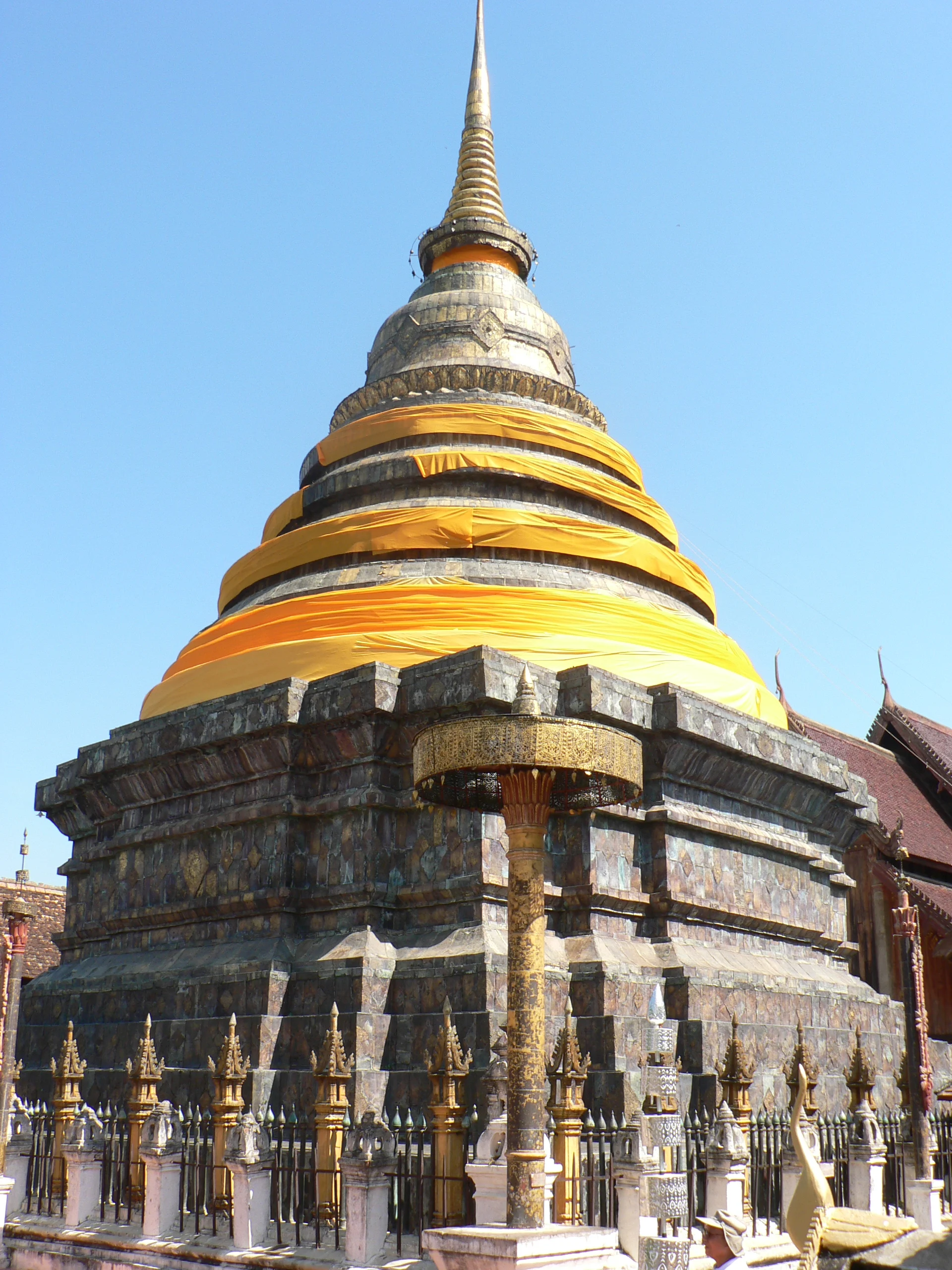
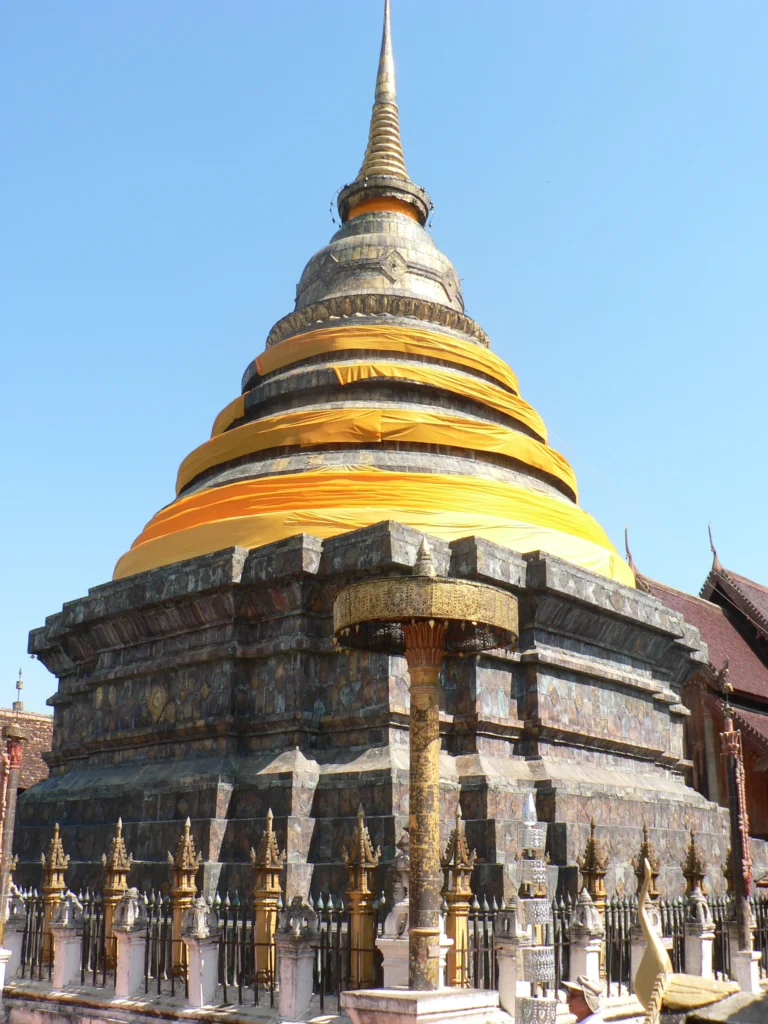
Wat Phra That Lampang Luang, twenty minutes outside town, is one of the finest wooden temples in Southeast Asia — earthen ramparts, a low teak viharn sheltering a large Lanna-period Buddha, and a legend of a reflected image seen through a pinhole that few visitors know to seek. The city is also famous for its horse-drawn carriage rides at dusk, the Dhanabadee ceramic factory, and the Thailand Elephant Conservation Center on the Chiang Mai highway. A slower, more atmospheric alternative to Chiang Mai, and well worth two nights before or after the northern loop.
Stories from Lampang
Articles, reviews, and itineraries tagged to this province.