Narathiwat is the province Thailand’s tourism industry would rather you forgot exists. This is the country’s far south-eastern corner, pressed against Malaysia’s Kelantan state, and it is barely the Thailand you know: the street language is a Malay dialect, the skyline is minarets rather than chedis, and breakfast is nasi dagang, not rice porridge. In an average week, Western visitor numbers round to zero.
We will not be coy about why. The deep south — Narathiwat, Pattani and Yala — has lived with a separatist insurgency since 2004, and most Western governments advise against all but essential travel here. That advice has teeth, because it quietly voids your travel insurance. The full picture is below: facts, not hysteria or wishful thinking.
And here is what you get if you come with your eyes open: the biggest seated Buddha in southern Thailand glowing gold on a hilltop, one of the oldest rainforests on the planet full of hornbills, an empty pine-backed beach, and fishing boats painted like carnival floats. Read our Narathiwat province profile for the fast facts, then carry on here for the real ones.
What Narathiwat really is — and what the advisories say
This is one of Thailand’s three Malay-majority provinces: roughly 80 percent of people here are Malay Muslim, and the town was plain old Bang Nara until Rama VI renamed it in 1915. The capital is a low-rise river town where the Bang Nara slides into the Gulf of Thailand past mosques, kedai kopi coffee shops and weathered wooden shophouses. Culturally you are closer to Kota Bharu than to Bangkok, and the province is better for it.
Now the hard part, told properly. Since 2004, an insurgency across Narathiwat, Pattani and Yala has killed more than 7,000 people. Attacks overwhelmingly target security forces, government sites and infrastructure; there has been no pattern of tourists being singled out, but bombs are indiscriminate by nature and this is not a risk to wave away. The UK, US and Australian governments all advise against all but essential travel to the province. None of that is decoration for a travel article; it is the daily backdrop for people who still go to work, run markets and hold weddings.
The insurance point matters most in practice. Travelling against your government’s advice voids a standard travel policy — medical bills included. A handful of specialist insurers will cover the deep south for a premium; arrange that before you come, or accept that you are self-insured. Malaysians cross the border at Sungai Kolok in their thousands every weekend, and domestic Thai tourism here never stopped.
Why go to Narathiwat
Because almost nobody else does, and because what is here is genuinely good rather than merely uncrowded. The food is the best argument: this is one of Thailand’s great eating provinces, a Malay kitchen with Thai reflexes. Then the nature — Hala-Bala is the kind of rainforest most people assume no longer exists — and a culture that has kept its own shape because nobody built a Starbucks on it. It is for the traveller who has done the islands, reads the news, sorts the insurance, and wants the country with the varnish off.
Getting to Narathiwat
Fly, ideally. AirAsia connects Bangkok Don Mueang with Narathiwat airport most days: about 1 hour 45 minutes in the air, and ฿1,300-2,500 one way if you book a few weeks ahead. The airport is a short drive north of town — figure ฿200-300 for a taxi in.
The train is the slow, atmospheric option. The special express leaves Bangkok’s Krung Thep Aphiwat station mid-afternoon and reaches Sungai Kolok on the Malaysian border roughly 20 hours later; a second-class sleeper berth runs ฿800-1,500. For the provincial capital, alight at Tanyong Mat, the nearest station, about 20km west of the centre, then take a songthaew or motorcycle taxi in.
Overland, minivans from Hat Yai take 3.5-4 hours and cost about ฿250, with army checkpoints en route — passport ready. From Malaysia, walk across from Rantau Panjang into Sungai Kolok, or use the small ferry crossing at Tak Bai. Direct buses from Bangkok take 15-plus hours; take the train or fly.
Where to stay in Narathiwat
Stay in the provincial town, near the river. The blocks around the clock tower and the Bang Nara waterfront hold clean, family-run guesthouses at ฿400-800 and the town’s smarter hotels at ฿900-1,600 — nothing here calls itself a resort with a straight face, and that is a feature. Sungai Kolok has the most hotel beds in the province, but they exist for cross-border weekend trade; there is no reason to base yourself there.
What to eat in Narathiwat
Come hungry, because this is the point of the trip. The signature is budu, a fermented anchovy sauce — dark, salty and thunderous — that Narathiwat and neighbouring Kelantan argue over the way the French argue over wine. You meet it properly in khao yam: a plate of rice, shredded herbs, toasted coconut and pounded dried fish, dressed with budu, eaten for breakfast, ฿30-40 at any morning market.
Then kai kolae, chicken grilled slowly under a sweet, spiced coconut glaze the colour of old teak; nasi dagang, coconut rice with fish curry sold in banana-leaf parcels before 9am; and roti with teh tarik in the kedai kopi. The morning market along the riverfront is the classroom for all of it, and a serious feed costs under ฿80. Seafood comes straight off the painted boats at the estuary — the row of simple places near the fishing village grills whatever landed that morning. This is a Muslim province: alcohol is scarce beyond a few Chinese-run restaurants, so plan on sobriety and better breakfasts.
Top things to do in Narathiwat
1. Phra Buddha Taksin Mingmongkol at Wat Khao Kong
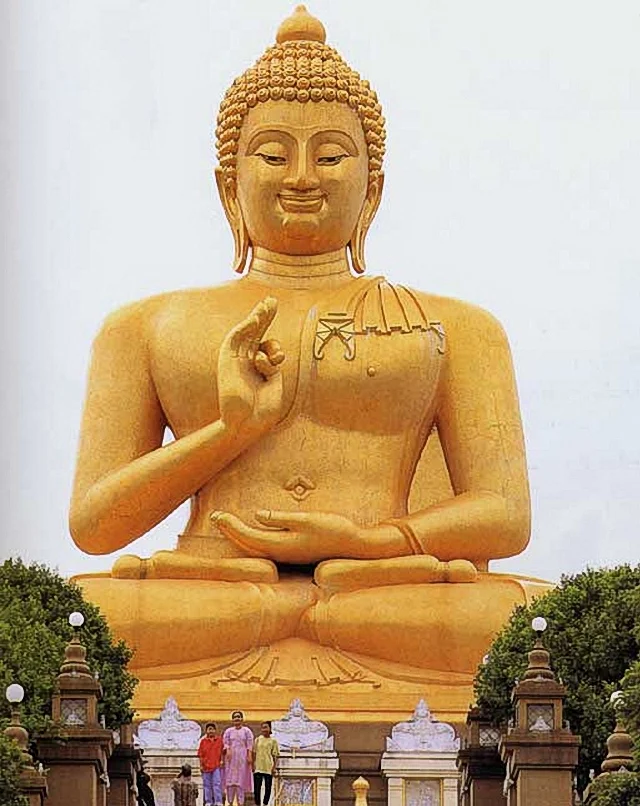
The biggest seated Buddha in southern Thailand: about 24 metres of golden mosaic sitting on a green hill a few kilometres south-west of town. It is also a neat symbol of the province — a giant Buddhist monument entirely at ease in an overwhelmingly Muslim corner of the country, visited by both communities without fuss. Free to enter; go late in the day, when the heat drops and the gold does its best work.
2. Hala-Bala rainforest, hornbill country on the Malaysian line
Hala-Bala Wildlife Sanctuary drapes across the border mountains between Narathiwat and Yala, part of one of the oldest rainforest systems on Earth. Birders make the pilgrimage because most of Thailand’s hornbill species live here, including great and rhinoceros hornbills that flap over the canopy like flying doors. This is a wildlife sanctuary, not a national park: you need advance permission from the sanctuary office and a local guide, usually arranged on the Waeng district side. The faff filters out everyone who is not committed, which is exactly why the forest still looks like this.
3. Ao Manao beach — the Narathiwat one
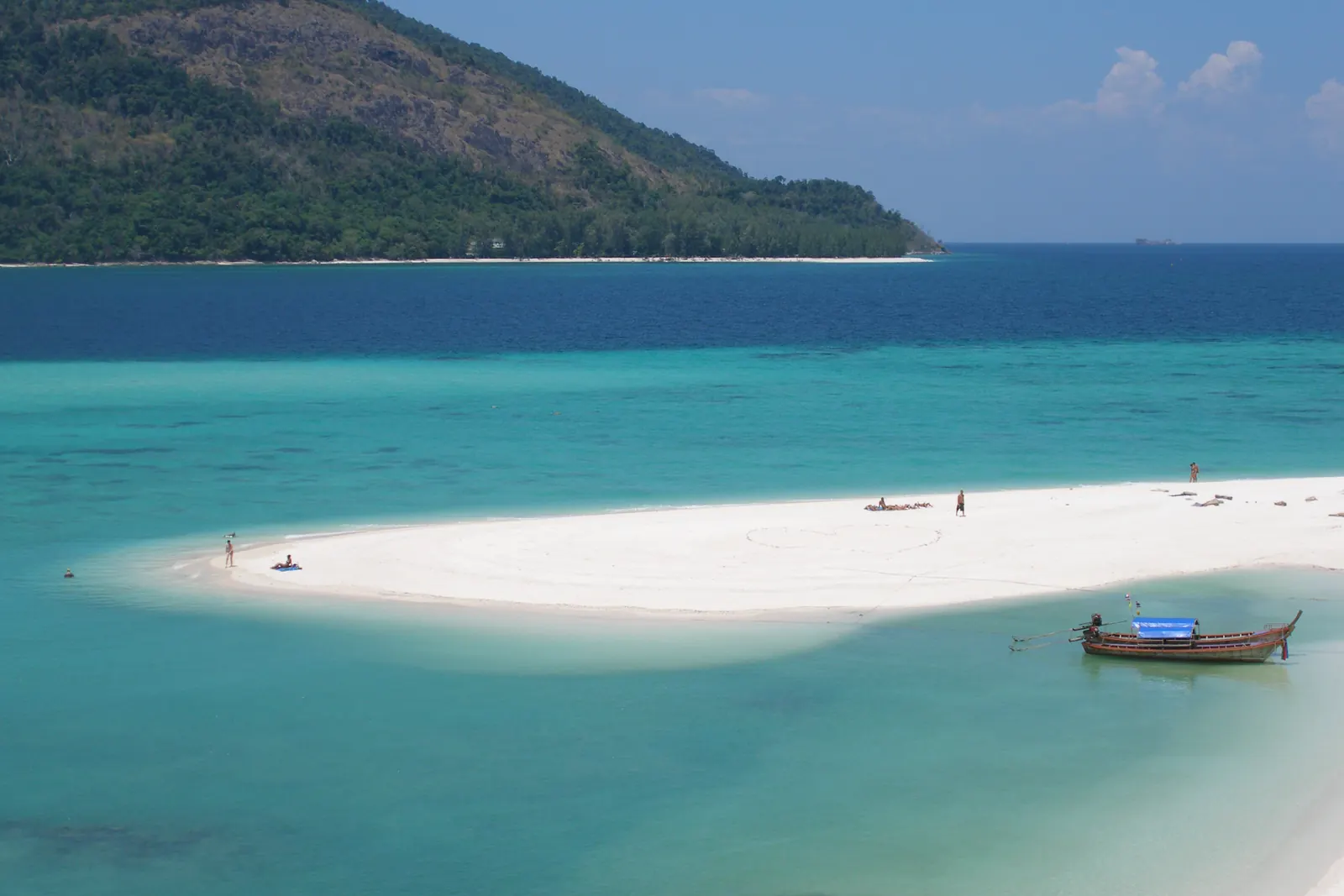
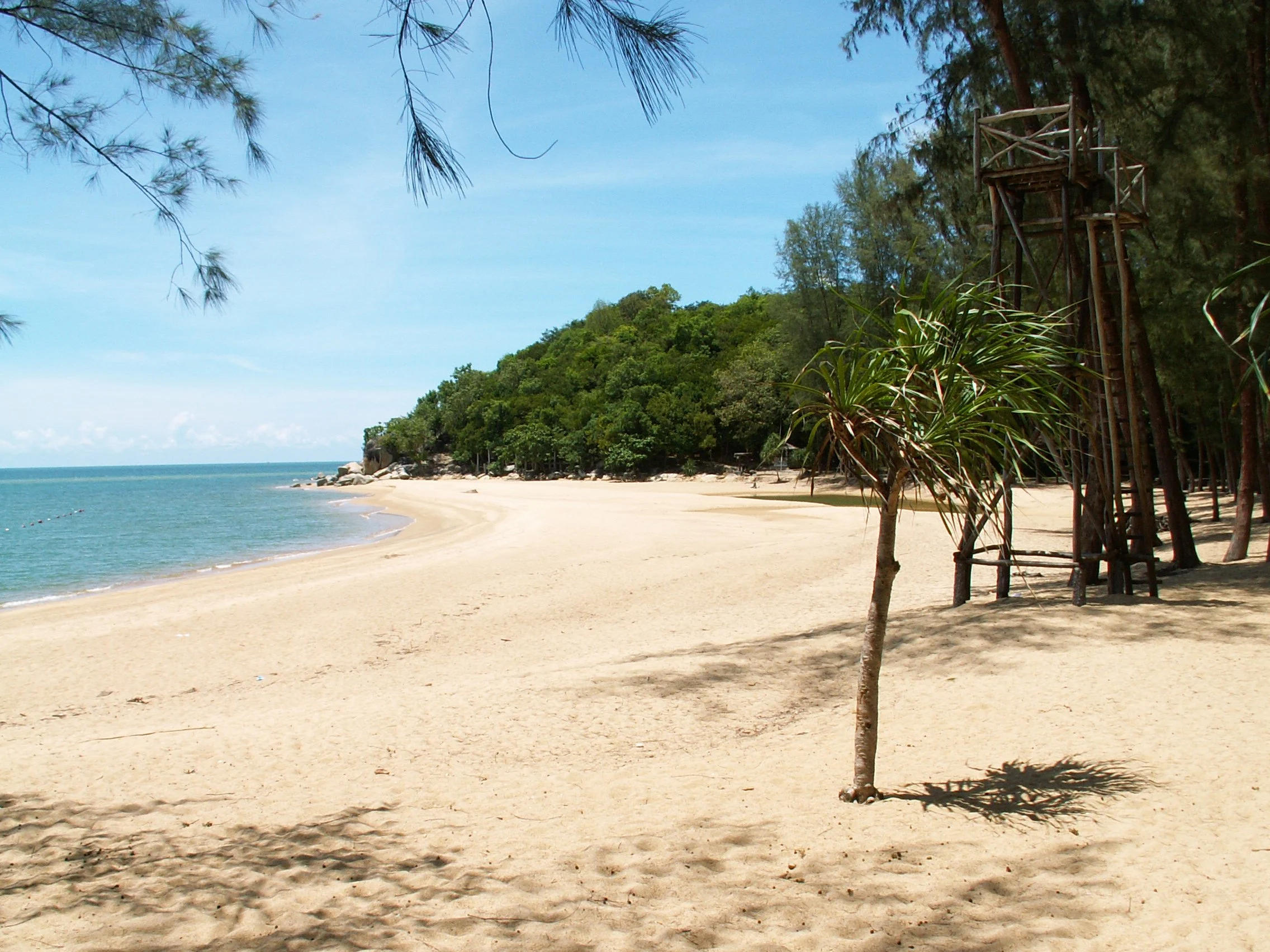
Not the famous Ao Manao in Prachuap Khiri Khan. This one is a long, quiet curve of sand backed by casuarina pines inside Ao Manao-Khao Tanyong National Park, about six kilometres south of town. On a weekday you will share kilometres of it with a few picnicking families. Swim with respect late in the year, when the monsoon makes the Gulf muscular. Bring food from the market; facilities are minimal.
4. Kolae boats and the Bang Nara river
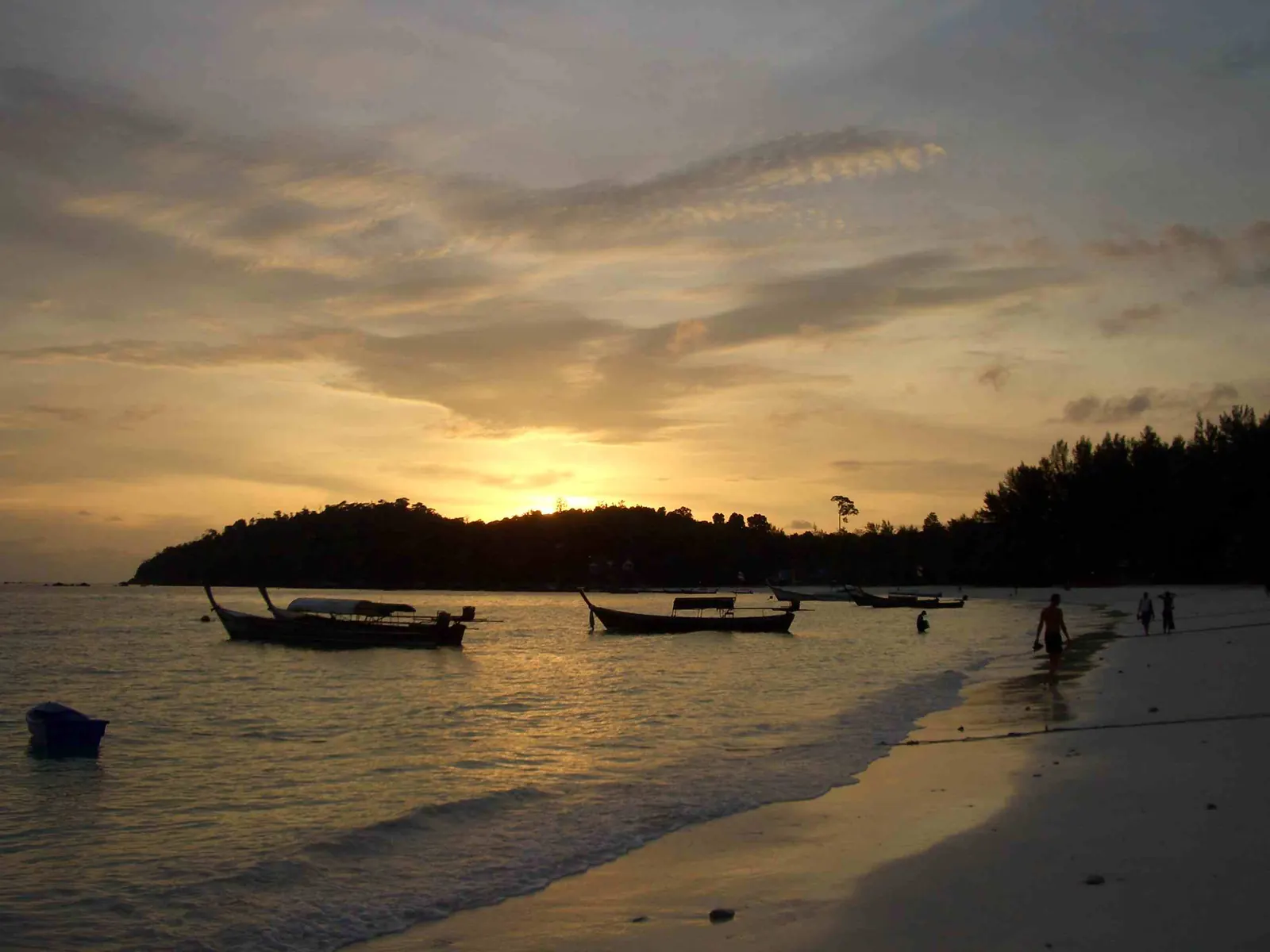
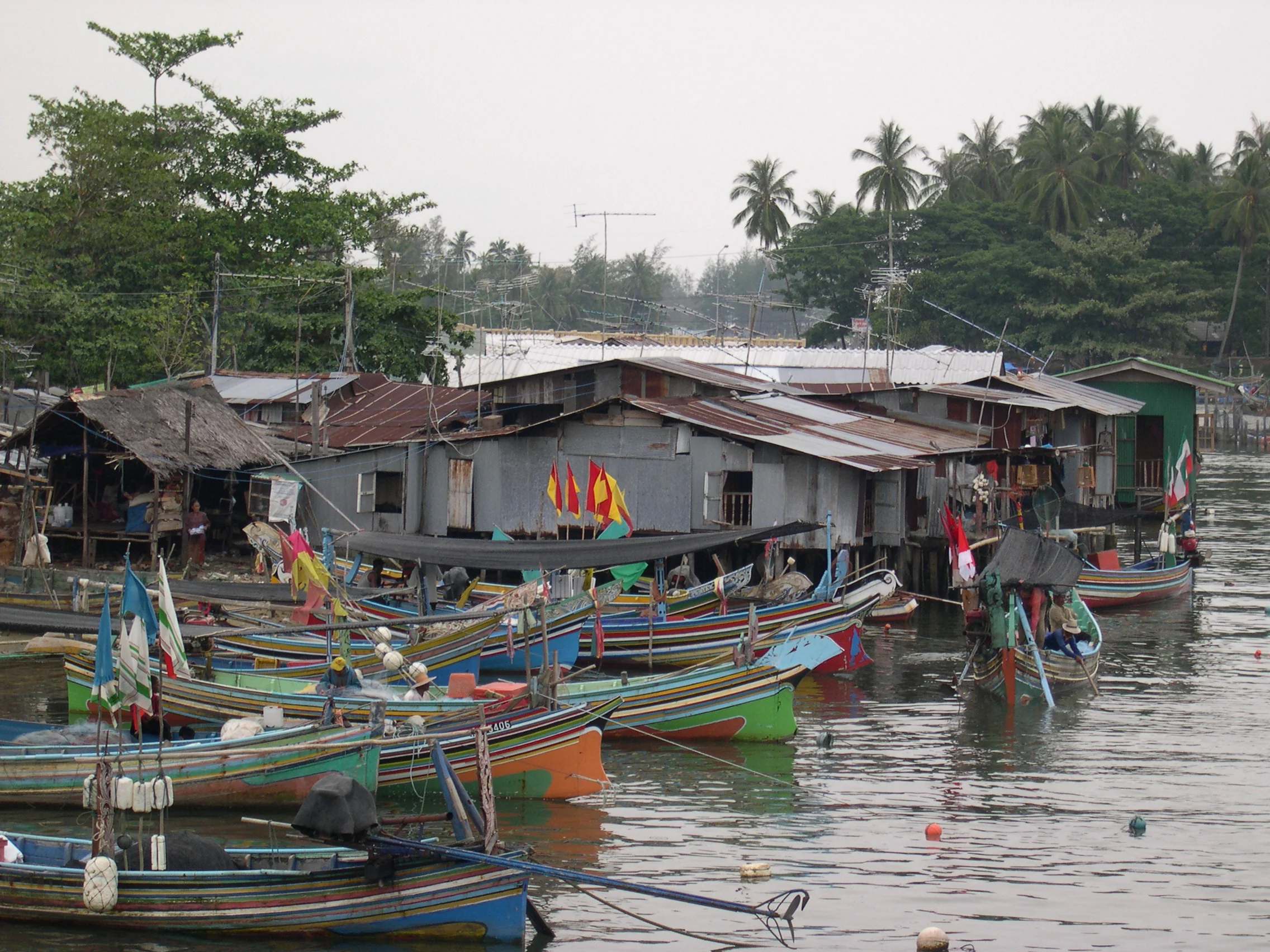
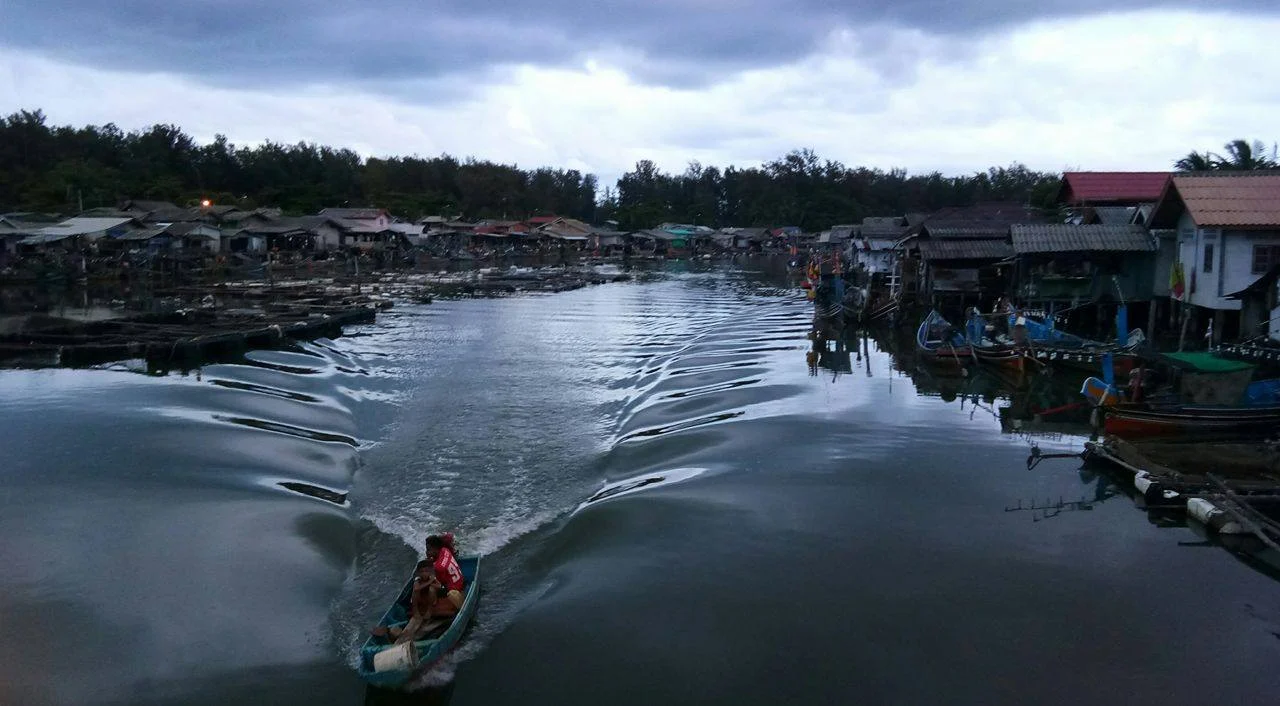
The kolae is the painted fishing boat of the Malay coast — bow swept up like a ceremonial dagger, hull covered in birds, flowers and geometry in colours a carnival float would call excessive. The fishing villages at the mouth of the Bang Nara keep the tradition alive and working, so walk the riverfront at dawn as the fleet comes in. Time your visit for late September and the annual provincial fair brings kolae races on the river, along with dove-cooing contests, exactly as odd and as serious as they sound.
5. Taksin Ratchaniwet Palace gardens
The late King Bhumibol built this summer palace on Khao Tanyong hill above Ao Manao in the 1970s. When no royals are in residence, the landscaped gardens open to visitors: frangipani, sea views, and a very Thai sort of manicured calm. Combine it with the beach below for the easiest half-day in the province. Dress modestly and have your passport ready for the checkpoint at the entrance.
What to skip in Narathiwat
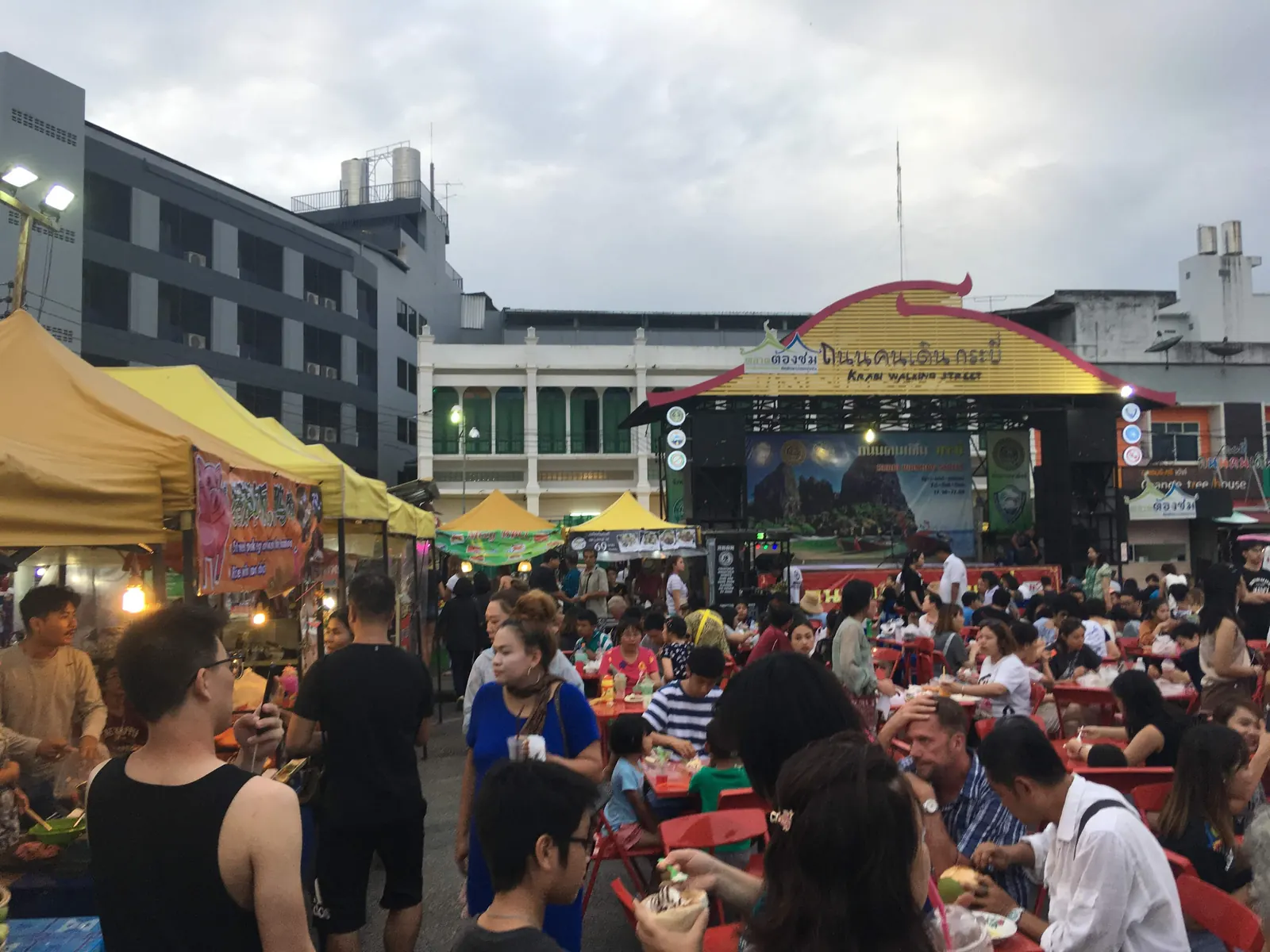
Sungai Kolok. The border town gets written up as the province’s second hub, and it is — for Malaysian weekenders crossing over for cheap shopping, cheaper hotels and a nightlife strip that exists for reasons that have nothing to do with you. As a destination it has all the charm of a duty-free warehouse with karaoke. Pass through it if Malaysia is next on your route; do not build an evening around it. Spend that evening at the night market in the provincial capital instead, eating kai kolae with change from a ฿100 note.
Narathiwat travel: practical info
Best season: roughly February to September, when the east coast is dry and the sea behaves. The monsoon dumps serious rain from October to December, and flooding is common. Two to three days covers the town, the Buddha, the beach and the palace at an unhurried pace; add two more if your Hala-Bala permission comes through. Onward, the logical moves are west to Pattani and Yala, north to Hat Yai for flights everywhere, or across the border to Kota Bharu and Malaysia’s east coast, about an hour beyond Sungai Kolok. Carry your passport at all times, expect checkpoints, dress modestly, and note that much of the town pauses for Friday prayers.
Wikipedia’s Narathiwat entry covers the sultanate-to-province history.
TAT’s official Narathiwat page keeps travel practicalities current.
FAQ
Is Narathiwat safe to visit?
It carries real risk, and pretending otherwise would be dishonest. Most Western governments advise against all but essential travel because of the long-running insurgency, though attacks target security forces and infrastructure rather than tourists. Daily life functions normally, and the few travellers who come overwhelmingly report friendly, uneventful trips. Read the current advisories and make an adult decision.
Does travel insurance cover Narathiwat?
Standard policies almost certainly do not, because travelling against your government’s advice voids cover — medical evacuation included. A few specialist high-risk insurers will cover Thailand’s deep south for an extra premium; sort it before you travel.
How do you get to Narathiwat from Bangkok?
Fly from Don Mueang with AirAsia: about 1 hour 45 minutes and ฿1,300-2,500 one way. The overnight special express train to Sungai Kolok takes roughly 20 hours; alight at Tanyong Mat for the provincial town. Minivans from Hat Yai take 3.5-4 hours if you are already in the south.
What is Narathiwat famous for?
Phra Buddha Taksin Mingmongkol, the biggest seated Buddha in the south; Hala-Bala rainforest and its hornbills; painted kolae fishing boats; and a Malay-Thai kitchen built on budu sauce, khao yam and kai kolae. It is also, less happily, known for the deep-south conflict, which is why so few outsiders have seen any of the above.
When is the best time to visit Narathiwat?
February to September, when the east-coast monsoon is off duty. October to December brings heavy rain and regular flooding. Late September has the provincial fair, with kolae boat races on the Bang Nara, if you want the place at its most animated.