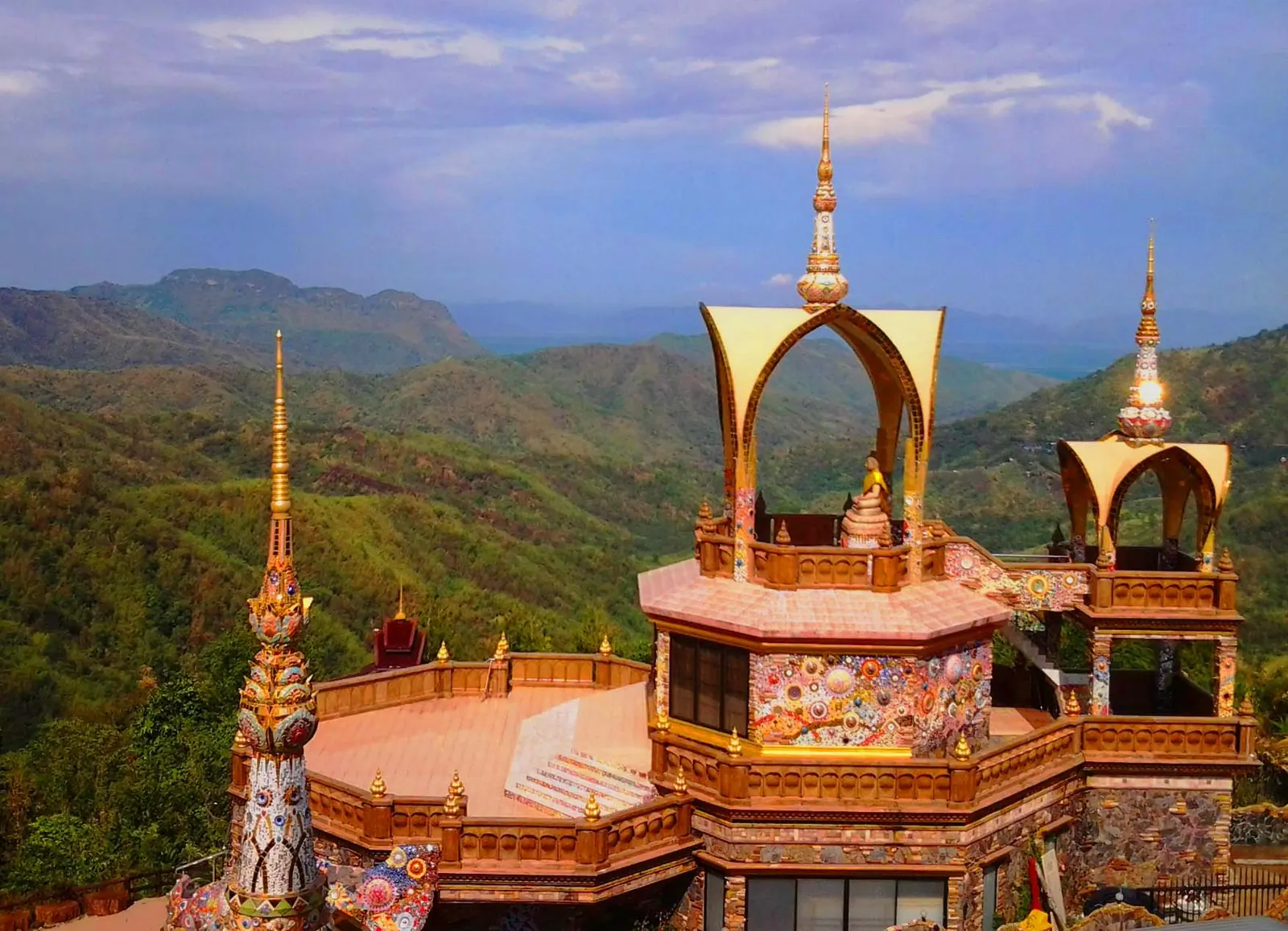
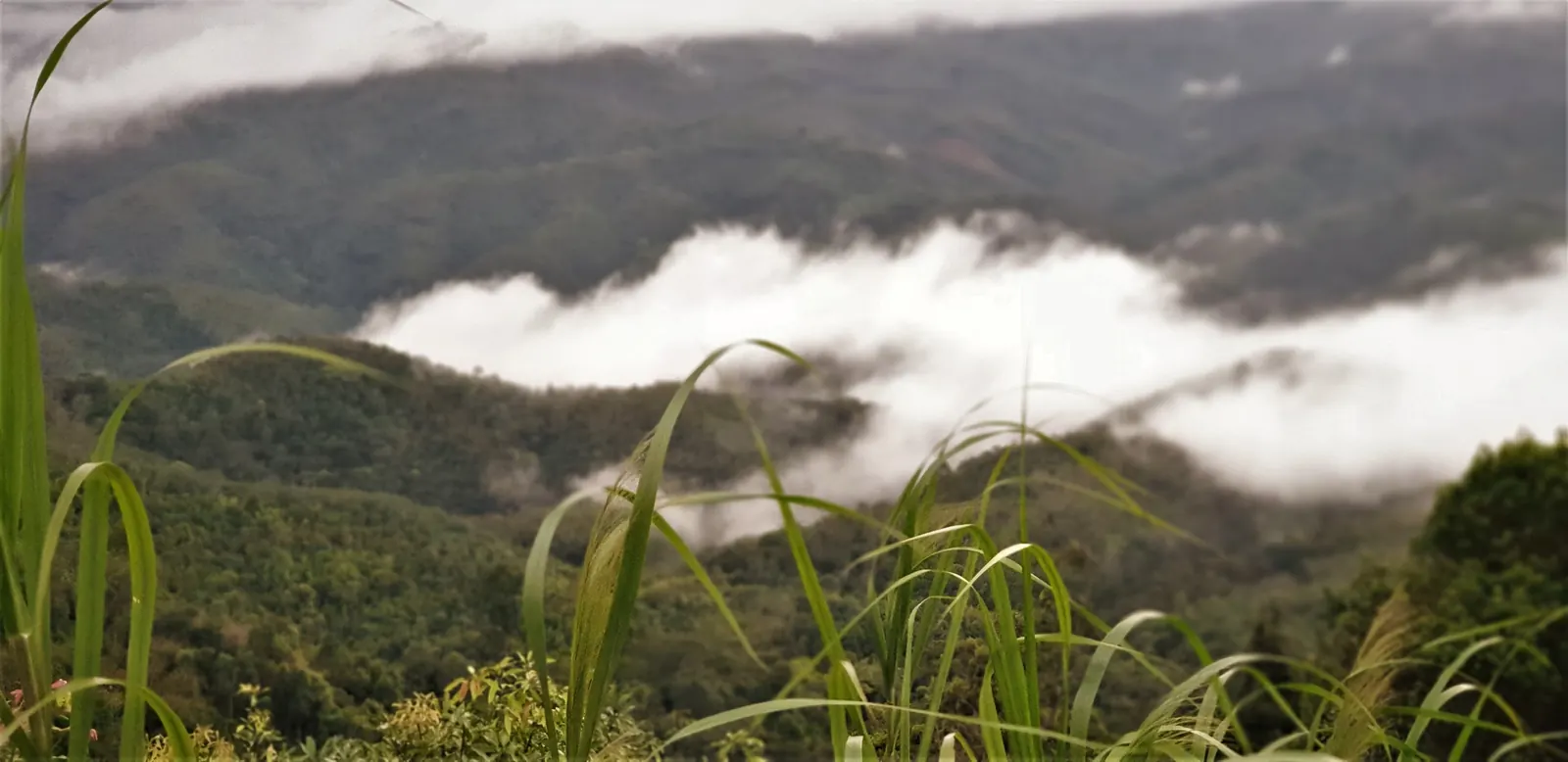
Chiang Mai with kids is the best family city in Thailand for about eight months of the year and a place to keep small lungs away from for the other four. That is the whole guide in a sentence; the rest is detail. A city you can cross in twenty minutes, a mountain with a waterfall you walk up, the most honest elephant sanctuaries in the country an hour north, a water park in a flooded quarry, two hospitals your insurer has heard of, and a bowl of mild curry noodles a six-year-old will finish. I have done it with my sister’s two more than once, in November and, regrettably, once in March, and this is what I would tell any family before they book.
The short version: come between November and January, never in March. Spend one morning with elephants at a place that lets them walk away from you, one on the mountain before the coaches, one afternoon getting wet at Mae Sa or the Grand Canyon, and one evening at the Night Safari, because children do not care that it is kitsch. Skip the tigers, the long-neck villages, the aquarium and every scooter. Base yourself in Nimman or on the Night Bazaar strip, not inside the moat. Our things to do in Chiang Mai guide has the grown-up verdicts, the Chiang Mai province page has the map, and Old City, Nimman or the Riverside settles the base for people without a pushchair.
When to take children to Chiang Mai, and why February to April is the wrong answer
Every other Thai destination asks you to choose between rain and crowds. Chiang Mai asks you to choose between pleasant and poisonous. From roughly mid-February to late April the farmers of the north burn their fields, the valley fills with smoke, and PM2.5 sits at levels that make Bangkok look like a health spa; March is reliably the worst. Adults get a sore throat. Children, with smaller lungs and faster breathing, get asthma flare-ups, croup and a cough that outlasts the holiday. Our Chiang Mai burning season guide has the numbers; the family version is simpler. Do not bring children in March, and treat February and April as a gamble you take with an air purifier in the room and a plan to leave for the coast. Songkran in April is the best three days of a child’s year, and the air is still, in most years, bad.
November to January is the answer: 28°C days, evenings that drop to 15°C and surprise everyone who packed for a beach, clear skies, the flowers out at Royal Park Rajapruek, and in November the Yi Peng lantern festival, which small children remember for life if you keep them out of the paid-ticket fields; our Yi Peng guide explains how. May to October is the green season: hot, a thunderstorm most afternoons, waterfalls at full volume and rooms a third cheaper, a fair trade with children as long as you plan around a wet three o’clock. Check the month against our best time to visit Thailand calendar; if Chiang Mai is wrong for your dates, Koh Samui with kids and Phuket with kids are the island alternatives.
The elephant question: which Chiang Mai sanctuaries are honest, and what a family pays
Your child will ask, probably before you have left the airport, and Chiang Mai is where the answer is best and the lies thickest. The province has more elephant venues than anywhere in Thailand, and most repainted the sign from “ride” to “sanctuary” and from “show” to “bathing” without changing the animal’s day. Our rule, set out in the ethical elephant sanctuaries guide, is two words: no riding. The honest places add no bathing and no shows; a menu that says “feed, bathe, mud spa” is a camp with a new sign. The test for parents is who decides the contact: at a real sanctuary the elephant walks off and nobody follows it, and your child watches from a path and learns something true.
Elephant Nature Park at Mae Taeng, an hour north, is the benchmark and has been observation-only for years. As of November 2026 its half-day visits are ฿2,500 an adult, children of three to eleven half price and under-threes a quarter, with lunch and the transfer from a city hotel; the full-day SkyWalk, an elevated walkway above the herd, is ฿3,500 and suits children over eight who can take the heat. Two adults and two children for a half day is ฿7,500, and it books out weeks ahead in high season, so book direct and early. ChangChill at Mae Wang, a former riding camp converted to the observation model, is the other right answer at a similar price. Whatever you shortlist, open the newest reviews and search them for “ride”, “bath” and “mud”; if a delighted guest describes doing any of them, keep looking. Compare observation-only elephant visits if the two above are full, and apply the same test. Expensive, and what doing it right costs; it is the one non-negotiable in this guide.

Chiang Mai’s paid days out for children, priced and graded
Chiang Mai does not have Phuket’s waterpark budget and does not need it: the best things here cost ฿100 at a national-park gate. Prices are foreigner rates as of November 2026 from the operators and the parks, checked against our Thailand Price Index; anything marked “around” comes from resellers and the gate, and moves. Height decides most child tickets, so measure the children before you go.
| Day out | Price, November 2026 | Best age | Verdict |
|---|---|---|---|
| Ethical elephant half day (Elephant Nature Park, ChangChill) | ฿2,500 adult, children 3–11 half price, with lunch and transfer | 5 and up | Do it; the one non-negotiable |
| Mae Sa Waterfall, Mae Rim (Doi Suthep-Pui National Park) | ฿100 adult, ฿50 child | Any age that can paddle | Do it; the best ฿300 morning in the province |
| Grand Canyon Water Park, Hang Dong | Around ฿550 for the inflatable park, around ฿950 all-in with wakeboarding; cheaper online | Confident swimmers, 7 and up | Worth it, on the hot afternoon |
| Chiang Mai Night Safari, Hang Dong | Around ฿800 adult, ฿400–600 child (100–140 cm), under 100 cm free; trams 5.30pm to 9pm | 4 to 10 | Fine; better than it sounds |
| Chiang Mai Zoo, Huay Kaew Road | ฿350 adult, ฿120 child (3–12); tram ฿60–70 | Under 6 | Tired; a steep hillside of enclosures |
| Chiang Mai Zoo Aquarium | ฿450 adult, ฿350 child, on top of the zoo ticket | None | Skip it; the price is the joke |
| Royal Park Rajapruek, Mae Hia | ฿200 adult, ฿150 child (100–140 cm), under 100 cm free | Any age, December to February | Worth it in cool season; skip in the heat |
| Queen Sirikit Botanic Garden, Mae Rim | ฿100 adult, ฿50 child; canopy walkway included | 4 and up | Do it, on the Mae Rim day |
| Elephant PooPoo Paper Park, Mae Rim | Around ฿150, under-fives free | 5 to 10 | Do it; forty-five minutes of giggling |
| 3D illusion museum, Chang Klan Road | Around ฿400 adult, children 100–140 cm less, under 100 cm free | 5 to 12 | Fine for an hour, on the smoky or wet one |
| Bua Tong Sticky Waterfall, Mae Taeng | Free | 6 and up, with grip | Do it |
| Doi Inthanon day trip | ฿300 adult, ฿150 child park entry; small-group tour ฿1,200–1,800 a head | 8 and up | Do it in cool season, with older children |
Mae Sa Waterfall is the day to build the rest around. Ten tiers climb a forested valley thirty minutes north in Mae Rim, with steps between them, shallow pools at the lower levels where a four-year-old can sit in the current, and Thai families on mats at the weekends. The park has charged foreigners ฿100 and children ฿50 since October 2025, still the best-value morning in the province; go early, leave by eleven when the heat arrives, and dry off at the Elephant PooPoo Paper Park down the road, where the children make a sheet of paper from what the name suggests and are delighted for the rest of the week. The Queen Sirikit Botanic Garden, ten minutes further up the valley, has glasshouses and a canopy walkway that children treat as an assault course. That trio, with a driver for the day at ฿2,000–2,500, is Chiang Mai’s best family day and costs less than one Phuket waterpark ticket.
The Grand Canyon Water Park at Hang Dong, half an hour south-west, is a flooded quarry with red cliffs, a floating inflatable obstacle course, a zip line into the lake and a cable for teenagers to fall off a wakeboard. Life jackets are compulsory and the water is deep everywhere, so this is for children who can swim and climb back onto an inflatable unaided; a seven-year-old loves it, a toddler has nothing to do. Weekday mornings are quiet and the gate price rises on holidays. Compare Grand Canyon Water Park tickets before you pay at the gate, and do not confuse it with the older swimming hole next door, a cheaper cliff-jumping spot with no business with children.
The Night Safari, also at Hang Dong, is the one grown-ups sneer at and children adore: an open tram through two zones after dark, giraffes and zebras leaning in over the rails, tigers and hyenas behind moats, trams every half hour from half past five. It is kitsch, and a five-year-old with a giraffe’s tongue a metre from her face does not care. The Chiang Mai Zoo, on the mountain road out of town, is the opposite case: a steep, tired hillside that needs the tram to get round, the pandas gone since Lin Hui died in 2023, and a separate aquarium charging foreigners more than the zoo itself. Under-sixes who have never seen a hippo will have a nice morning; everyone else has a better one at Mae Sa. The 3D illusion museum beside the Night Bazaar is for the one wet or smoky hour and not a minute longer.

A plan by age: toddlers, six-to-tens and teenagers in Chiang Mai
Toddlers and under-fives. Keep it close and cool. A hotel with a shallow pool does half the work; mornings are for Mae Sa’s lower pools, the lawns at Royal Park Rajapruek in cool season, the ducks at Wat Umong’s lake behind the university, or the paddling tier at Huay Kaew waterfall by the zoo gate. The Night Safari works because nobody has to walk. Avoid the Old City pavements, a kerb-and-cable obstacle course for a pushchair, and the Sunday Walking Street after five. Temples in short doses are fine: Wat Chedi Luang’s courtyard is wide and the monks are kind to small children, and our Chiang Mai temples guide picks the five worth a morning.
Six to ten. Chiang Mai’s sweet spot. Elephants, done honestly, land hardest at this age; so do Bua Tong’s Sticky Waterfall, where limestone so grippy you walk up its face in bare feet turns a child into a gecko, the PooPoo Paper Park, the canopy walkway, the Grand Canyon’s inflatables for swimmers and the Night Safari tram. A half-day cooking class with a market visit is the surprise hit: most schools take children from about seven alongside a parent, often at a reduced rate, and a nine-year-old who has pounded her own curry paste eats it. Doi Suthep’s 306-step naga staircase is a dare they will win, ฿30 a head for adults, before the coaches arrive at ten; our Chiang Mai breakfast guide has the market circuit for the mornings they wake at six anyway.
Teenagers. Doi Inthanon, Thailand’s highest mountain, with real cold at the summit and the Kew Mae Pan ridge trail in cool season; the full-day SkyWalk at Elephant Nature Park; a wakeboard hour at the Grand Canyon; the ziplines in the Mae Kampong forest east of town, from around ฿2,500–4,000 a head with age and weight limits that vary by operator. What they do not get is a scooter. For a two-centre trip, Chiang Mai to Pai is three hours and 762 bends of minivan, the end of a teenager’s dignity; Chiang Mai to Chiang Rai on the Green Bus is three flat hours with the White Temple at the end, a better bet.
Three days in Chiang Mai with children, costed for a family of four
Two adults and two children of roughly six and ten, based in Nimman or on the Night Bazaar strip in cool season, excluding the room and the flights. Mornings early, the pool from eleven to three, out again at four: that rhythm is the whole secret of Thailand with children, and Chiang Mai rewards it more than most.
| Day | Morning | Afternoon | Evening | Day’s cost, family of four |
|---|---|---|---|---|
| Day 1: Mae Rim | Driver for the day (฿2,000–2,500); Mae Sa Waterfall at 8.30 (฿300); PooPoo Paper Park (around ฿450) | Queen Sirikit Botanic Garden and canopy walk (฿300); pool from two | Chang Phueak gate food stalls on the north moat (฿400–600 for four) | Around ฿4,000–4,500 |
| Day 2: Elephants | Elephant Nature Park or ChangChill half day, hotel pick-up, lunch included (฿7,500) | Pool and a nap; the 3D museum if it rains (around ฿1,200) | Sunday Walking Street at 4pm sharp, or Wualai Road on a Saturday (฿500–800 for dinner from the stalls) | Around ฿8,500–10,000 |
| Day 3: Mountain and the south | Red truck to Doi Suthep at 7 (฿300–500 charter return; ฿60 entry for two adults), the staircase, the view | Grand Canyon Water Park from one (around ฿2,200 for four) or Royal Park Rajapruek (฿700) | Night Safari tram at 6.30 (around ฿2,400 for four); Grab there and back (฿500–700) | Around ฿5,500–6,500 |
Call it ฿20,000 for three full days out, plus food in between and the room. For older children, a Doi Inthanon day replaces Day 3 at ฿1,200–1,800 a head for a small-group tour including the park fee, or around ฿3,000–3,500 for a private car; compare Doi Inthanon day trips for one that includes the Kew Mae Pan trail and leaves before eight. For the cooking class, compare Chiang Mai cooking classes and read the newest reviews for the word “children”.
Family hotels in Chiang Mai with real pools, from around ฿2,500 to ฿25,000 a night
The Old City is the wrong base with children, charming as it is: lanes a minibus cannot enter, guesthouse pools the size of a bath, and the Sunday market closing the roads around you. Nimman has the cafés, the Maya mall and the serviced apartments; the Night Bazaar strip has the big hotels with lifts, driveways and pools a child can swim a length in; Mae Rim and Hang Dong have the resorts, at the price of a thirty-minute drive to anything. Rates are cool-season “from around” figures for a family-sized room; the rest of the year is a third lower. Every Agoda id was round-tripped by the desk, and nothing here was comped. Our Where to Stay in Chiang Mai guide has the areas in full.
| Hotel | Area | From around (cool season) | Family verdict | Book |
|---|---|---|---|---|
| Kantary Hills | Nimman | ฿2,500 | Serviced suites with kitchenettes and a second room for the children, a decent pool, Nimman’s cafés on foot; the sensible default for a week | Check rates |
| Melia Chiang Mai | Charoen Prathet, Night Bazaar strip | ฿3,500 | A newer high-rise with a big pool, connecting rooms on request and the river a street away; the mid-range pick for three nights | Check rates |
| Shangri-La Chiang Mai | Night Bazaar strip | ฿4,000 | A huge lawn-side pool, a staffed kids’ club, interconnecting rooms and a breakfast the length of a runway, at what this city charges for four stars; families, start here | Check rates |
| Veranda High Resort, MGallery | Hang Dong hills | ฿4,500 | Terraced pools with a mountain view, ten minutes from the Grand Canyon and the Night Safari; the resort week without Four Seasons money | Check rates |
| Anantara Chiang Mai Resort | Riverside | ฿9,000 | A serene lawn down to the Ping, a long pool, a kids’ activity programme in high season; for families who want quiet rather than slides | Check rates |
| Four Seasons Resort Chiang Mai | Mae Rim | ฿25,000 | Rice terraces, water buffalo at the morning planting, the Kids For All Seasons club and a pool among the paddies; the resort is the holiday, the city an excursion | Check rates |
Two footnotes and a warning. U Nimman, from around ฿3,500 on the One Nimman corner, has a rooftop pool and suits a couple with one teenager, not a toddler; Tamarind Village, from around ฿4,500, is the one Old City address that works with children over six, because its walled Lanna courtyards sit a lane off the Sunday market route. The warning is the one we give for every Thai hotel: pools are almost never fenced, and “kids’ club” can mean a shelf of crayons. Ask about the fence, the shallow end and the club’s minimum age before you pay.
Getting around Chiang Mai with children: songthaews, Grab, the heat windows and the hospitals
The car-seat reality. There are none. Thailand’s child-seat law, on the books since 2022, is not enforced on taxis; Grab and Bolt cars have rear seat belts and nothing else, the red shared songthaews have two benches and an open back, and a tuk-tuk has a bench and a prayer. The workable answer is the one we give for Koh Samui with kids: pack a folding booster, or hire a car with a child seat, around ฿1,000–1,500 a day for a small automatic plus ฿100–200 for the seat if you ask when booking. Chiang Mai’s traffic is slow rather than fast, which helps, and distances are short. The rot daeng red trucks are ฿30–50 a hop inside town and children find them thrilling; state the destination before you climb in. Grab and Bolt are ฿60–120 across town as of November 2026, ฿70–120 from the Old City to Nimman, and ฿200–350 out to Hang Dong or Mae Rim. A private car with a driver is ฿2,000–2,500 a day and the right call for the Mae Rim and Doi Inthanon days.
Scooters. No. Not with a child on the front, not with a teenager behind, not because the hotel has a family-sized one. Chiang Mai’s casualty wards fill with foreigners on two wheels every week, your insurer almost certainly excludes you without a licence it recognises, and every trip in this guide is reachable by red truck, Grab or hired car; our is Thailand safe guide has the numbers. The heat windows. Even in cool season the sun is serious from eleven to three: out by eight, pool over lunch, out again at four. Getting there. Fly, eighty minutes from Bangkok; the airport is ten minutes from the Old City, a Grab of around ฿150–250 or a flat-rate taxi from the counter, and our Chiang Mai airport arrival guide has the queue and the SIM counters. A Thai eSIM sorted before you land means Grab works from the kerb. The sleeper train is thirteen hours that children over six enjoy and under-sixes do not sleep through; the night bus is a false economy. Compare Bangkok to Chiang Mai flights, trains and buses on 12Go, or read Bangkok to Chiang Mai for every route costed; for the onward leg, Chiang Mai to Chiang Rai on the Green Bus is the family-friendly one.
Hospitals and pharmacies. Chiang Mai has two private hospitals with international accreditation that treat foreign families daily: Chiang Mai Ram, on Boonruangrit Road just west of the moat, the one most expats default to, and Bangkok Hospital Chiang Mai, out on the superhighway towards Central Festival, newer and a little dearer. A consultation at either is around ฿1,500–3,000 before tests and an emergency visit with imaging ฿10,000 and up, so keep the policy number on your phone; the emergency number is 1669. Every soi has a green-cross pharmacy with children’s paracetamol syrup at ฿40–80 and rehydration sachets at ฿10; Rimping supermarkets and the Big C sell nappies at ฿300–450 a pack, so do not fly them in. In burning season the pharmacies also sell N95 masks in children’s sizes for ฿30–50, which is your signal to leave. Our what to pack for Thailand list has the rest.

What children will eat in Chiang Mai, and which markets to take them to
Northern food is the mildest in Thailand, which is the quiet reason this city works with children. Khao soi, the coconut-curry noodle soup with a hat of crispy noodles, is ฿50–70 a bowl at the old shops along the Faham road by the river and the stalls near Wat Phra Singh; the chilli oil comes on the side, so order it “mai phet” and a six-year-old will finish it. Sai ua, the herby Lanna sausage, is ฿50–100 grilled and sliced at any market. Khao kha moo, braised pork leg on rice from the cowboy-hat lady at the Chang Phueak gate on the north moat, is ฿50–60 and the most reliable dinner in town for a fussy eater. Mango sticky rice is ฿60–100 and in season from roughly March to June; out of season the market fruit does the job. Roti with banana and condensed milk is ฿40–60 at every market and the standard bribe; fruit shakes are ฿40–60. Nothing on that list contains a chilli unless you ask for one.
The markets. The Sunday Walking Street on Ratchadamnoen Road is the best free evening in the north and a disaster after five with anyone under four: by seven it is shoulder to shoulder the full width of the Old City and a pram becomes a battering ram. Go at four, when the stalls are setting up and the temple courtyards serve khao soi on plastic stools, eat early, leave by six. The Saturday Walking Street on Wualai Road is smaller, calmer and better with children. The Night Bazaar on Chang Klan Road sells the same elephant trousers as every market in Thailand at a higher price, but its food courts have tables, fans and room for a pushchair, which on a tired evening beats authenticity; our Chiang Mai night markets guide grades all of them. Nimman’s cafés are the daytime retreat: coffee at ฿70–130 a cup, and several garden cafés in the Nimman and Santitham sois have lawns and small playgrounds; Baan Ton Payom, a wooden-house café with a garden play area, was the one local parents kept naming as of late 2025, though places like it open and close, so check the map.
What to skip in Chiang Mai with kids
- Tiger Kingdom, and anything with a tiger in it. Conditioned or sedated big cats and a selfie; the lesson your child learns is the wrong one. The money is better at a sanctuary where the elephants ignore you.
- “Long-neck village” tours. A staged village in which Kayan refugee women are the exhibit and the gate fee mostly does not reach them. If the hill peoples interest an older child, read our guide to Thailand’s ethnic groups and visit a real market town instead.
- Elephant riding, shows, painting and “bathing” camps. Riding needs a broken animal; the bathing selfie is the same thing with a bucket; the painting elephant was taught with a hook. The sanctuary section above has the right answer.
- The zoo’s aquarium and snow dome. ฿450 for a foreign adult to see fish in a tired tank, on top of the zoo ticket; the snow dome is a refrigerated room. Spend it on Mae Sa.
- Monkey shows, snake shows and the crocodile farm on the Mae Rim road. The tour desks sell them alongside the orchid farms; say no at the desk.
- March. See above. If you are already committed, the burning season guide has the hospital-grade advice and the escape routes to the coast.
- The scooter. See above, and our Thailand scams guide for the damage-claim hustle that comes with the rental.
Chiang Mai with kids: your questions, answered
Is Chiang Mai a good place to take children?
From November to January it is the best family city in Thailand: small, cheap, mild food, honest elephant sanctuaries an hour away, waterfalls at ฿100 a gate, two accredited hospitals and a water park for the hot afternoon. From mid-February to April the burning season fills the valley with smoke that is hard on children’s lungs, and we would not bring a child then.
Which elephant sanctuary in Chiang Mai is ethical for families?
Elephant Nature Park at Mae Taeng, observation-only, ฿2,500 an adult for a half day with children of three to eleven at half price, and ChangChill at Mae Wang, a converted riding camp on the same model. The test for any other place is no riding, no bathing and no shows; search the newest reviews for “ride”, “bath” and “mud” before you pay.
Is the Chiang Mai Night Safari worth it with kids?
Yes, for children of about four to ten, and no for anyone else. The open tram runs every half hour from 5.30pm to 9pm through a savanna zone where giraffes lean in over the rail and a predator zone behind moats; foreigners pay around ฿800 an adult and ฿400–600 a child, with under 100 cm free. It is kitsch, and a five-year-old does not care.
When is the burning season in Chiang Mai, and is it dangerous for children?
Roughly mid-February to late April, with March the worst month, when crop fires across the north push PM2.5 to levels that trigger asthma, croup and lingering coughs in children. Book November to January instead. If you must come, choose a hotel with sealed air-conditioned rooms, buy children’s N95 masks at any pharmacy for ฿30–50, and have a plan to leave for the coast.
Where should a family stay in Chiang Mai?
Not the Old City: narrow lanes, tiny pools and the Sunday market closing the roads. Kantary Hills in Nimman, from around ฿2,500, for serviced suites and cafés on foot; the Shangri-La on the Night Bazaar strip, from around ฿4,000, for the big pool and a staffed kids’ club; the Four Seasons at Mae Rim if the resort is the holiday. Ask about pool fencing before you book.
Related guides
- Things to Do in Chiang Mai Beyond the Checklist: Worth It vs Skip It
- Ethical Elephant Sanctuaries in Thailand: How to Tell the Real From the Rebranded (2026)
- Phuket with Kids 2026: Safe Beaches, Waterparks and What to Skip
Book the trip
Some links in this guide are affiliate links. If you book through them we may earn a small commission at no extra cost to you — it helps keep Destination Thailand independent.
Hotels: pick the area first, then compare Chiang Mai family hotels on Agoda, filtering for “family room” and “swimming pool”. Tours/Boats: the elephant half-day, the Doi Inthanon day and the cooking class all book out in cool season — browse family activities in Chiang Mai on GetYourGuide and read the newest reviews for “riding” and “bathing”. Getting there: flights, sleeper trains and buses from Bangkok are on 12Go, and our Bangkok to Chiang Mai guide ranks them. Not sure Chiang Mai is the right city for your family and your month? Our Where to Go in Thailand matcher scores all 77 provinces against your dates, your budget and how old the children are.