“How much does Thailand cost per day?” gets answered on most sites with a number somebody remembered from 2016. We’d rather build it: every figure below comes from the Thailand Price Index — 58 prices we check and date, fair rate against tourist quote — assembled into three honest days of actual spending. Not “฿1,000 a day if you’re careful”; a specific bed, a specific breakfast, a specific way across town, added up. Change the rows and you have your own budget — or let the Thailand trip cost calculator do the adding for your own choices.
The short answer, August 2026: about ฿1,400 a day backpacking (US$40 or so), ฿3,800 travelling comfortably (around US$105), and ฿9,000 and up when the hotel is part of the holiday — all before flights in and out, and all skewing higher on the islands in high season and lower in the provinces. Everything that follows is how those numbers are made.
Three days, itemised
Per person, per day. Rows are Price Index “fair” rates — what a local or a switched-on visitor pays. Ranges shown where they matter; the day totals use the middle of each range.
| What | Backpacker day | Comfortable day | The hotel is the holiday |
|---|---|---|---|
| Bed | Hostel dorm ฿250–500 | Decent air-con hotel ฿1,000–2,000 (shared by two: ฿750) | Mid-range resort ฿2,000–4,000+ up to luxury ฿6,000–25,000 (shared: ฿4,000+) |
| Breakfast | 7-Eleven toastie + coffee ฿50–80 | Café latte + street breakfast ฿120–180 | Hotel breakfast, often included |
| Lunch | Khao gaeng or pad krapao ฿50–80 | Air-con Thai restaurant main ฿120–250 | Restaurant ฿250–450 |
| Dinner | Street stall, two dishes ฿100–150 | Restaurant + a beer ฿250–400 | Good restaurant, wine ฿800–1,500 |
| Drinks and snacks | Water, fruit shake, 7-Eleven beer ฿100–150 | Two bar beers or a cocktail ฿250–400 | Rooftop cocktail + spa-level extras ฿700–1,200 |
| Getting around | BTS/MRT/boats/songthaews ฿80–150 | Trains plus a Grab or two ฿200–350 | Grab and taxis all day ฿500–800 |
| Doing things | One sight or temple ฿100–300 | A sight + a street massage ฿500–800 | A tour or spa + a sight ฿1,500–3,000 |
| Day total, roughly | ฿1,100–1,600 | ฿3,000–4,500 | ฿8,000–12,000+ |
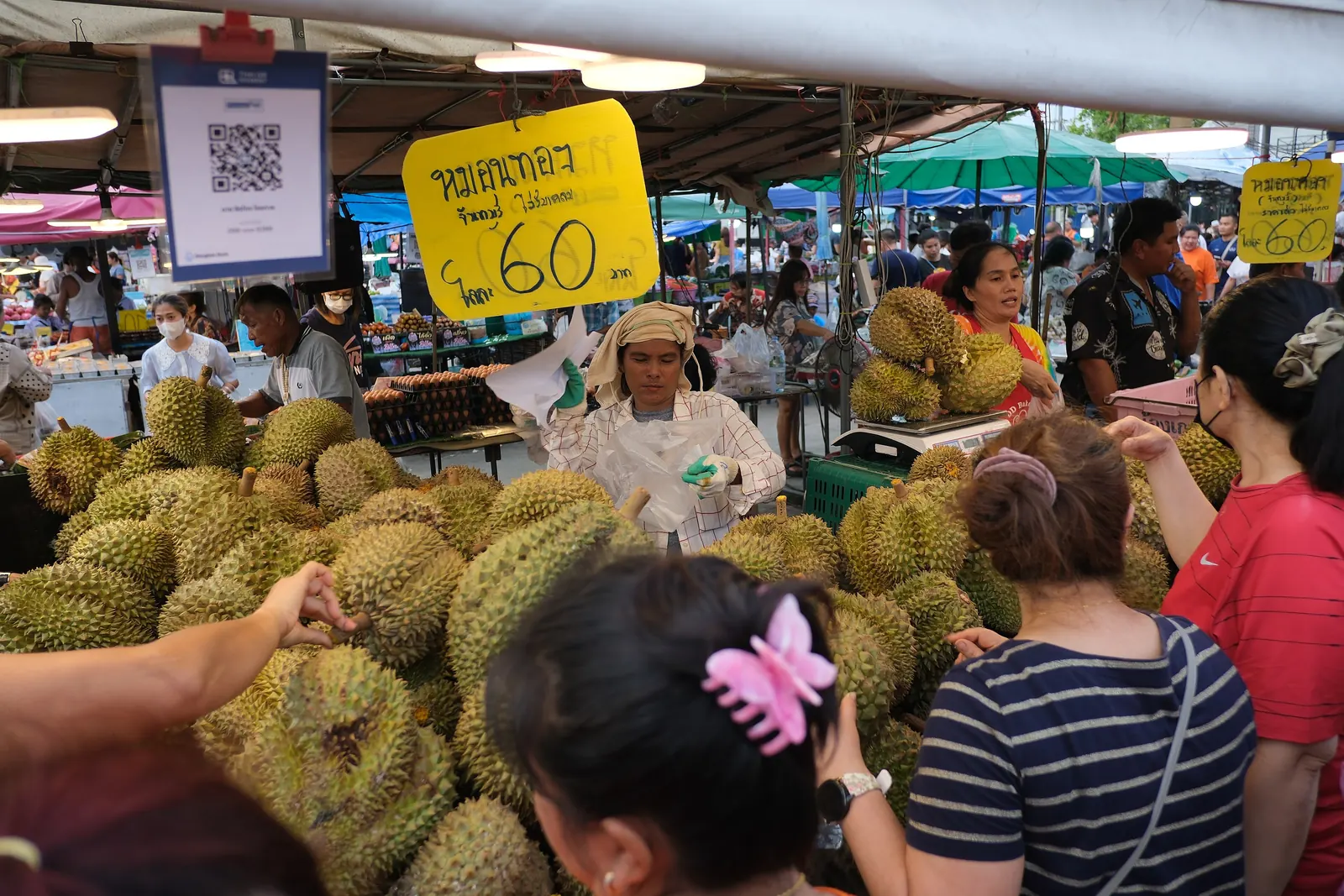
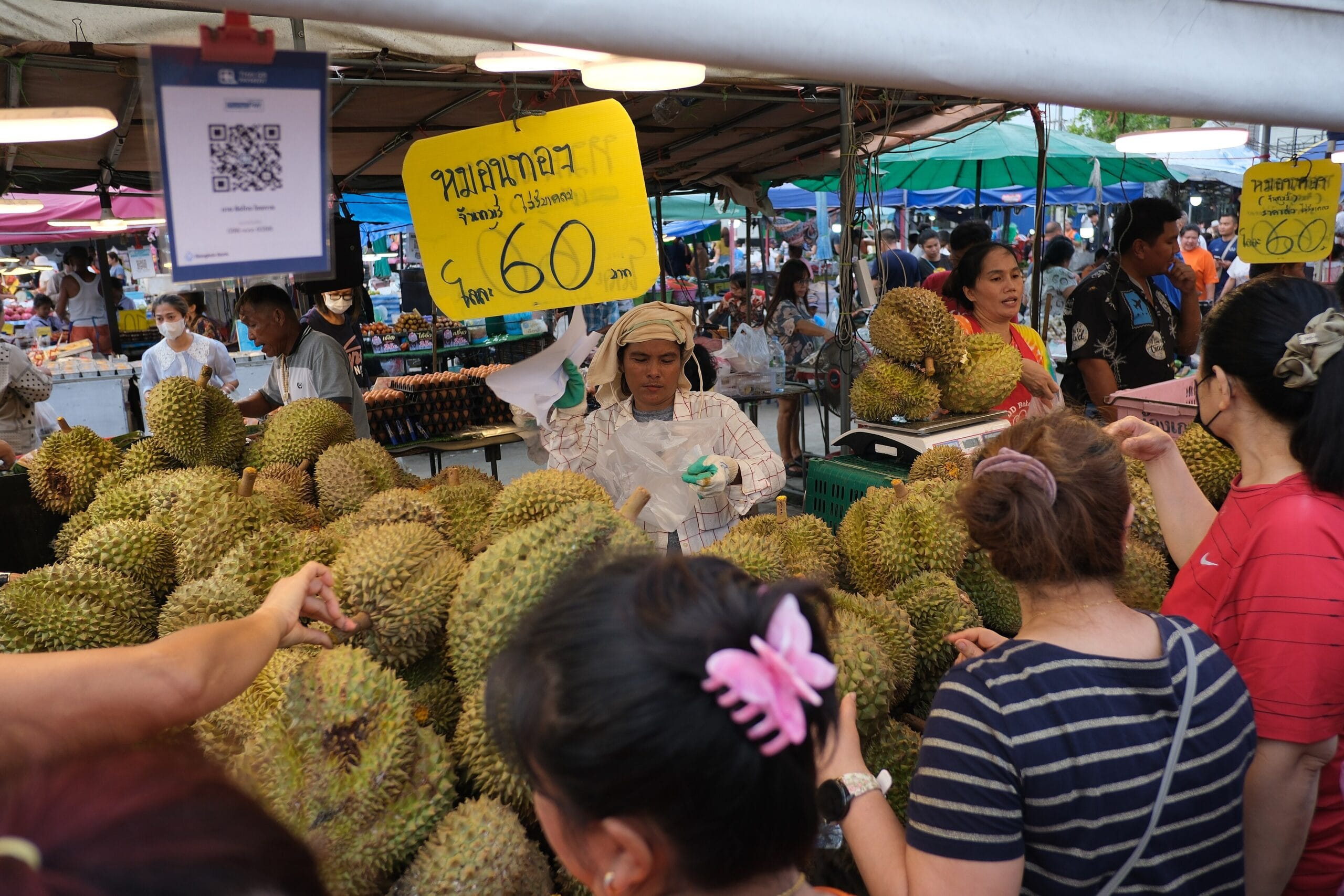
Two things the table hides. The bed is the budget: food and transport barely change between the first two columns — a ฿60 khao gaeng is the best lunch in the country at any income — so the difference between a ฿1,400 day and a ฿3,800 day is almost entirely where you sleep and whether you take taxis. And a couple sharing halves the bed, which is why two people travelling comfortably often spend less per head than one backpacker in private rooms. When you’ve picked your tier, compare Thailand hotels on Agoda by the area you’ll actually be in — our where-to-stay guides for Bangkok, Chiang Mai and Phuket say which.
The one-off costs that aren’t in a daily number
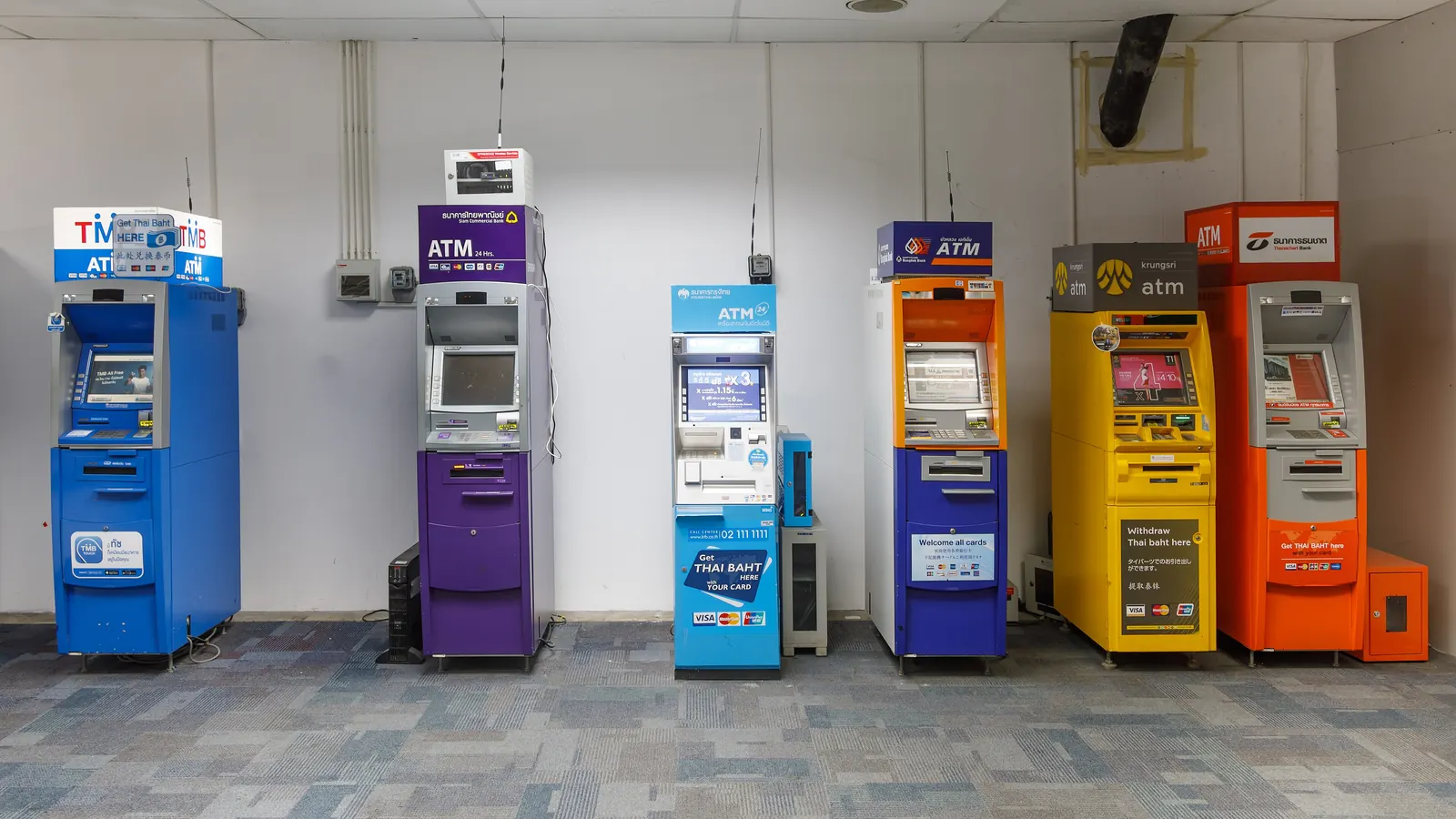
Spread these across the trip: a tourist SIM or eSIM ฿300–600 for 15–30 days (our SIM guide); the ฿220 ATM fee per withdrawal — ฿440 for a two-week trip if you withdraw big, ฿2,000+ if you don’t (our money guide); moving between places — the overnight Bangkok–Chiang Mai sleeper ฿600–900, a Surat Thani ferry ฿300–600, a domestic flight ฿900–2,500 (route guides: Chiang Mai, Koh Samui, Phuket; all bookable on 12Go); the big-ticket experiences — a cooking class ฿1,000–1,600, a snorkelling day ฿800–1,500, a Similan day ฿3,200–4,500, Open Water certification ฿9,500–12,000 (compare tours on GetYourGuide); and, if you stay past your exemption, the ฿1,900 visa extension (how that works). A two-week trip typically adds ฿4,000–8,000 of these on top of the daily total.
Where the number moves: islands, cities, provinces, season
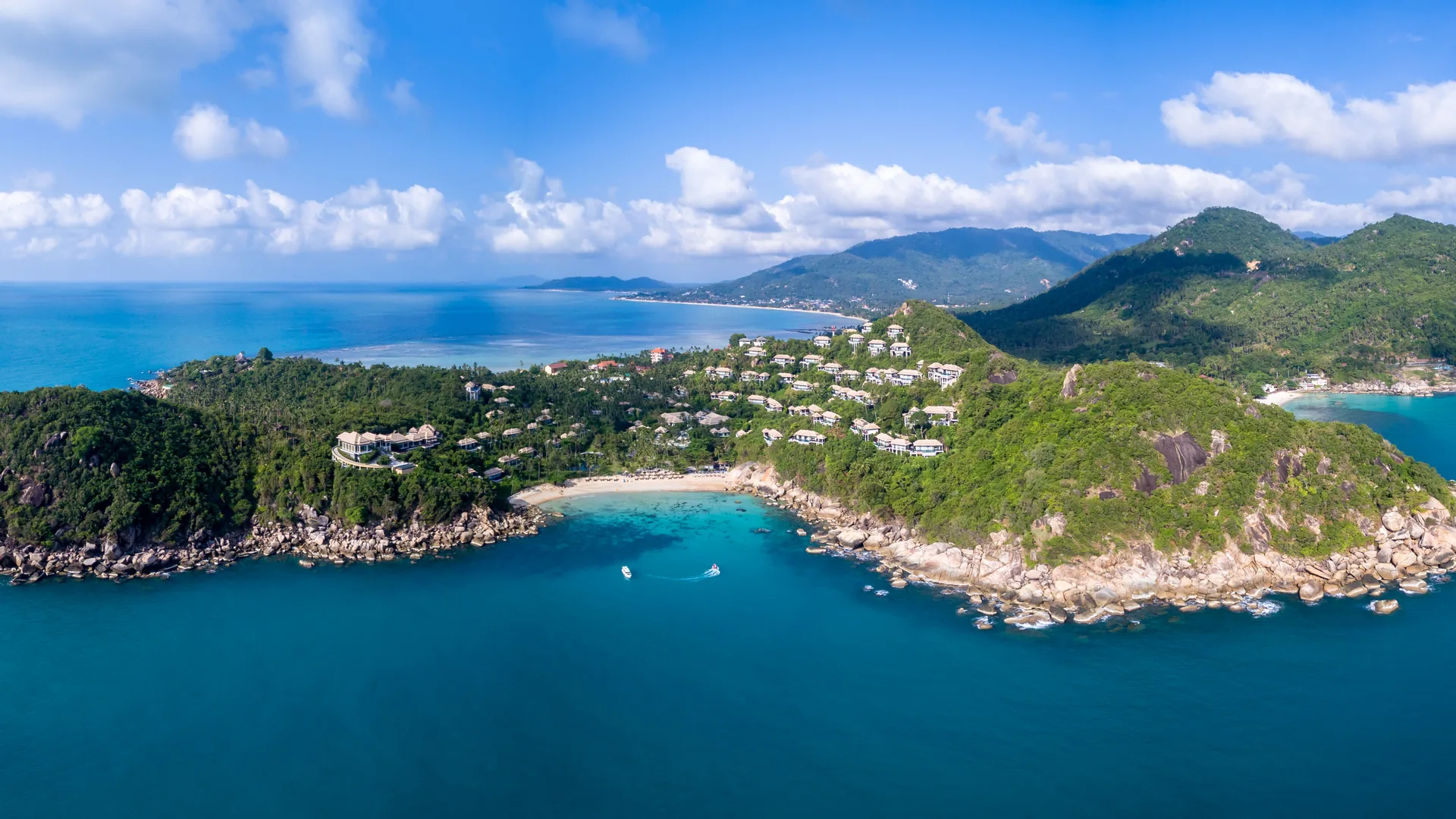
Islands in high season (November–April, and July–August on the Gulf) run 30–50% above the table: a bar beer is ฿100–180 where a 7-Eleven one is ฿55–75, a street massage ฿250–400 becomes a quoted ฿400–600 on a beach, and the ฿2,000–4,000 resort is ฿3,000–6,000 in December. Bangkok sits on the table — cheap to move around, with a rooftop cocktail (฿400–700) waiting to wreck any budget that gets cocky. Chiang Mai and the north come in 10–20% under, mostly on beds and khao soi. Isaan and the provinces are the real bargain: ฿500–900 private rooms, ฿10–30 songthaews, and the best food in the country at street prices — the backpacker column there is closer to ฿1,000. And the green season (May–October) knocks 25–40% off every bed on every coast, which is the single biggest lever you control. The month-by-month is in our best time to visit Thailand guide.
What’s genuinely not cheap in Thailand
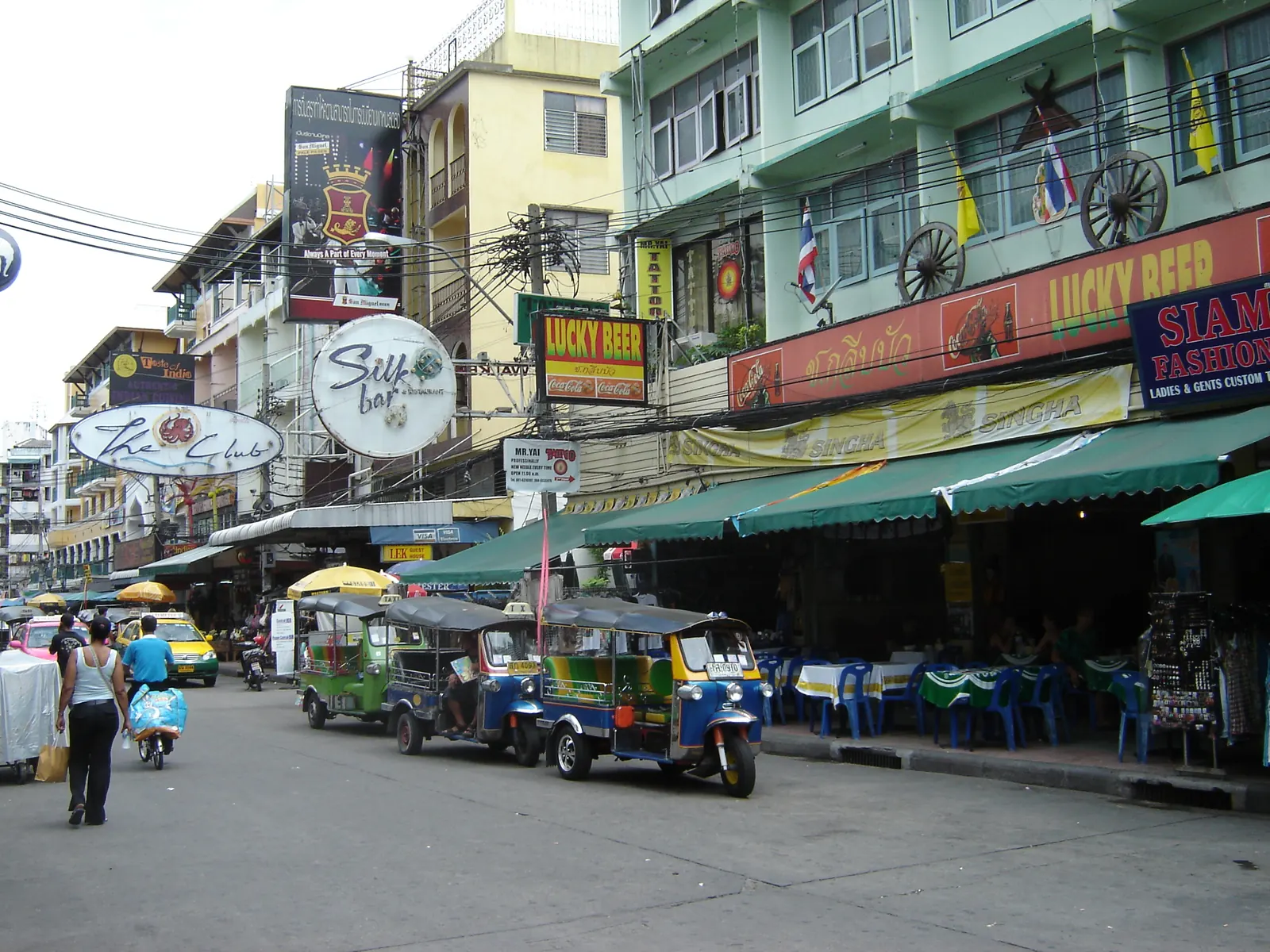
Alcohol outside 7-Eleven (a cocktail in a proper bar is ฿250–420 — European money); Western food (฿250–450 a main, for a worse version of something you can eat at home); anything imported, from cheese to sunscreen; domestic flights in Songkran and New Year week; the famous islands’ famous resorts; and dual-priced tickets — ฿500 for the Grand Palace, ฿200–300 per national park, per person, per visit. None of these are scams (the actual scams are here); they’re just where the cheap country stops being cheap.
How to spend less without enjoying it less
Eat where the office workers eat at lunch and the families eat at dinner — the ฿50–80 plate is the national standard, not a compromise. Take the BTS, the boats and the songthaews; save Grab for after dark. Travel Sunday to Thursday and in the shoulder weeks either side of high season. Drink 7-Eleven beer on the balcony before the bar. Withdraw cash in big lumps and always in baht. Share a room — the second person’s marginal cost is breakfast. And book the big-ticket things — sleeper trains, ferries, dive courses — with named operators at published prices rather than from the first agency you pass.
Thailand costs: your questions, answered
How much money do I need per day in Thailand?
About ฿1,100–1,600 a day backpacking, ฿3,000–4,500 travelling comfortably, ฿8,000+ when good hotels are the point — per person, per day, before flights and the one-off costs above. Islands in high season add a third; the provinces take a fifth off.
How much does two weeks in Thailand cost?
Roughly ฿25,000 backpacking (about US$700), ฿60,000–70,000 comfortably (US$1,700–1,950) and ฿130,000+ at the top, per person, including a couple of transfers between places and a few big experiences — before international flights. Our two-week itinerary shows the route those numbers assume.
Is Thailand still cheap in 2026?
Yes for food, transport and provincial beds, which cost roughly what they did a decade ago. Less so for island resorts in high season, alcohol, imports and anything sold inside an airport. The spread between the cheapest and the dearest way to spend a day is wider than almost anywhere — which means the dial is yours.
Is Thailand cheaper than Vietnam or Bali?
Vietnam is a little cheaper day to day, Bali similar to Thailand’s islands and dearer for good hotels; Thailand’s advantage is infrastructure — the ฿16 boat, the ฿17–62 Skytrain, the ฿600 sleeper train — which lets a careful traveller spend less here than the headline prices suggest.
How much cash should I carry in Thailand?
฿2,000–3,000 in your wallet at a time, in ฿100s and ฿20s where possible, with the rest in the hotel safe; roughly half of a normal day’s spending is cash-only (street food, markets, songthaews, boats). The mechanics — ATMs, the ฿220 fee, where to exchange — are in our money guide.
Related guides
- The Thailand Price Index: 58 Real Prices, Checked and Dated
- Money in Thailand: ATMs, Cards and the ฿220 Fee
- Money in Thailand: Daily Budgets, Tipping and What Things Cost
Book the trip
Some links in this guide are affiliate links. If you book through them we may earn a small commission at no extra cost to you — it helps keep Destination Thailand independent.
Beds: the biggest line in every budget — compare Thailand hotels on Agoda, filter by area and skip the weekend. Moving around: trains, buses and ferries on 12Go at published prices. Choosing where the money goes: our Where to Go in Thailand matcher scores all 77 provinces against your budget, your month and what you actually want from the trip.