Chiang Mai’s checklist is so well-worn it has grooves: Doi Suthep, a cooking class, the Sunday market, an elephant, a temple, a khao soi. Most of that list is good — this is a small city with a high hit rate — but it also carries some genuine duds that survive on momentum, and the best things in it are the ones nobody’s tour bus goes to: a monk’s path up the mountain at dawn, a waterfall you can walk up, a wet market at six in the morning. Here’s the list as we’d give it to a friend, with a verdict on each, what it costs a foreigner in 2026, and how to get there.
The short version: the mountain is worth it if you go early, the temples inside the moat are worth a slow morning, the cooking class is the best in Thailand, and the elephant question has a right answer and several wrong ones. Where you sleep decides how much of this is on foot — our Chiang Mai area guide handles that.
How this list works
Each entry gets a verdict — Do it, Do it, with a caveat, or Skip it — the foreigner price where there is one (Thailand dual-prices most sights), and the way to get there. Getting around: the red shared songthaews (rot daeng) are ฿30–40 a hop inside town, Grab is ฿60–120, a scooter is ฿200–300 a day and legally needs a motorcycle licence or IDP endorsement your travel insurer will ask about; a bicycle covers the Old City. Prices are the ones in our Thailand Price Index. Nothing here was comped.
Worth the hype
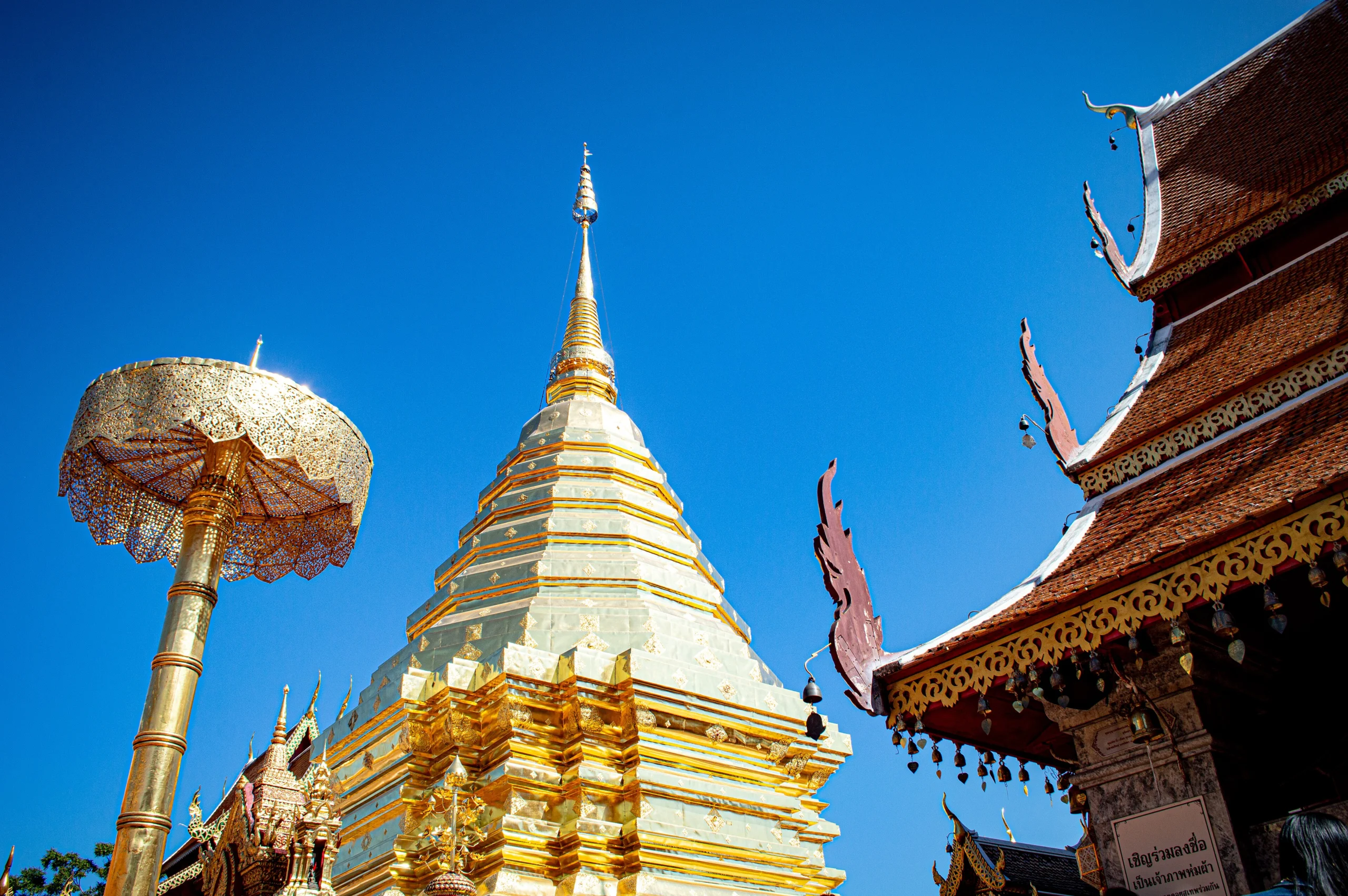
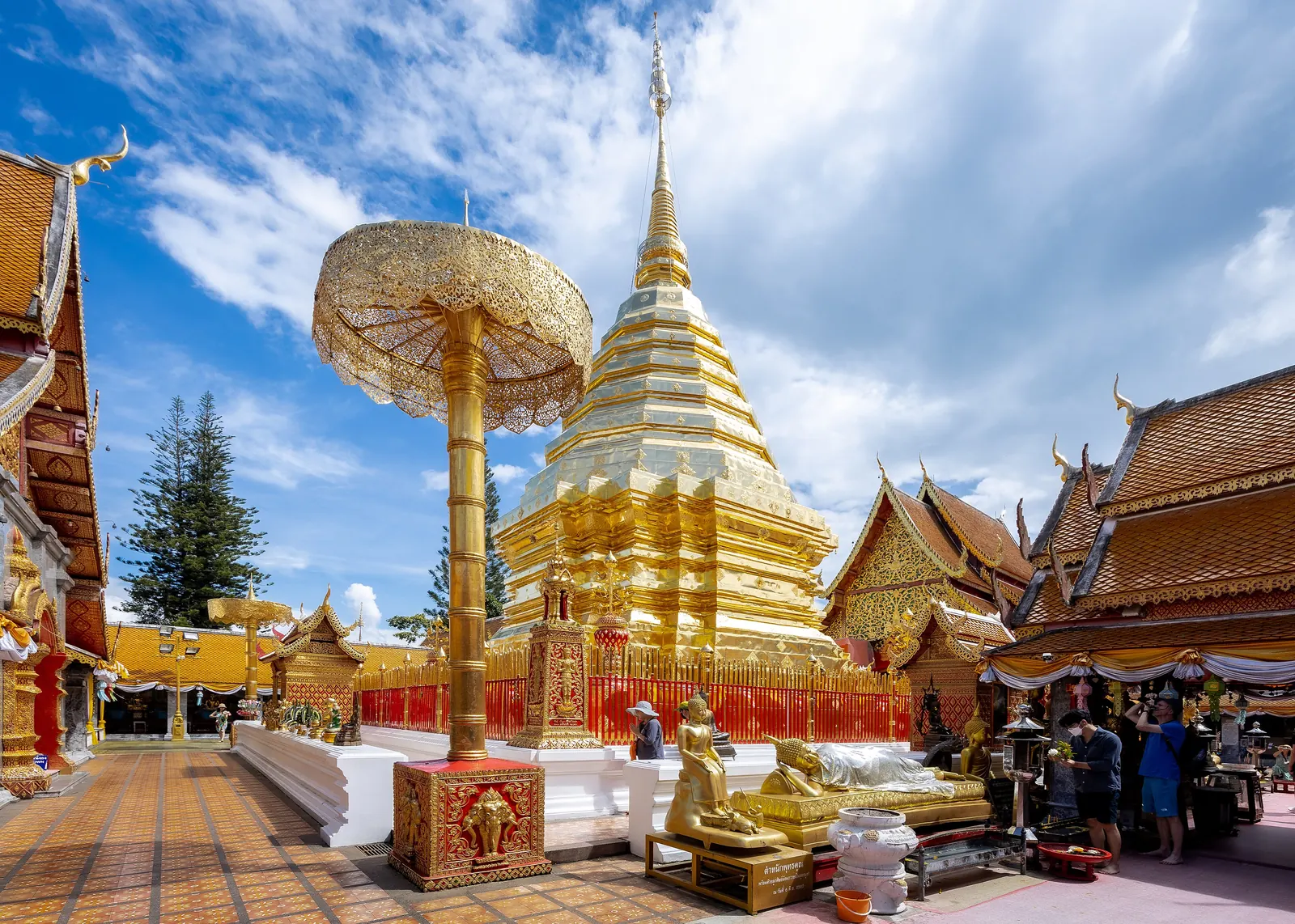
Wat Phra That Doi Suthep — Do it, before 8am. The gold chedi on the mountain is the city’s compass point and the view down over Chiang Mai at dawn is the reason it was built there. ฿30 entry, a 306-step naga staircase (or the ฿20 funicular), and the trick is timing: shared red trucks leave the zoo end of Huay Kaew Road from about 6am for ฿40–60 each way, or charter one for ฿300–500 return. By ten it’s coaches and selfie sticks; by seven it’s monks and mist. The 15-minute detour to Bhubing Palace gardens (฿50) is worth it in cool season when the roses are out.
The monk’s trail to Wat Pha Lat — Do it; it’s the best free thing in the city. A forty-minute forest path marked by orange-robe strips starting behind Chiang Mai University, ending at a moss-and-waterfall temple on the mountainside where the only sound is the stream. Go at 7am, then continue up to Doi Suthep on foot (another hour, steep) or flag a red truck on the road above. Free.
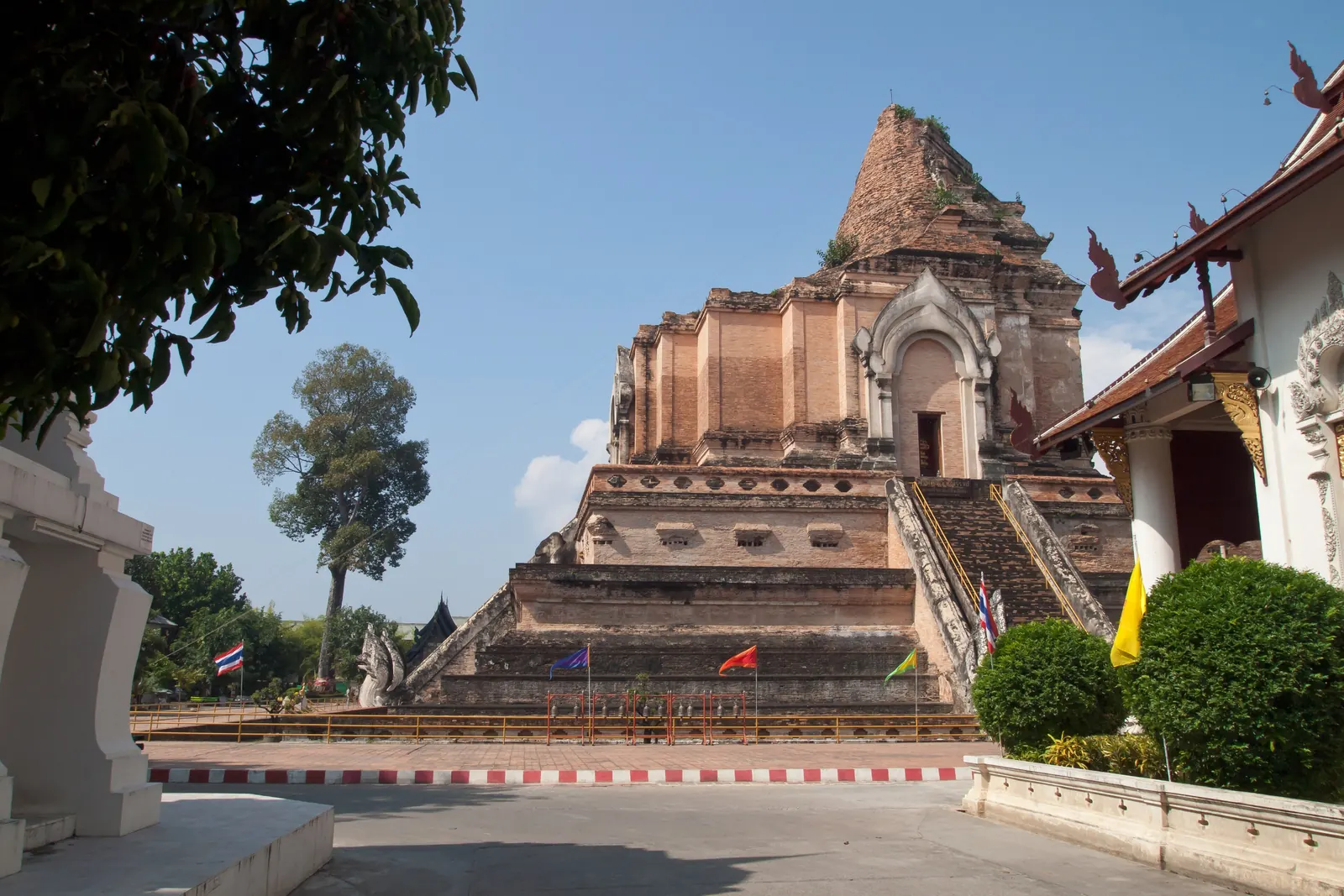
The Old City temples — Do it, slowly. Wat Chedi Luang (฿50) for the vast ruined chedi and the monk-chat corner where novices practise their English on you; Wat Phra Singh (฿40) for the Lanna viharn and the gold; Wat Chiang Man (free) for the oldest and quietest. Three in a morning on foot is the right number — temple fatigue is real by the fourth. Shoulders and knees covered; our temple etiquette guide covers the rest.
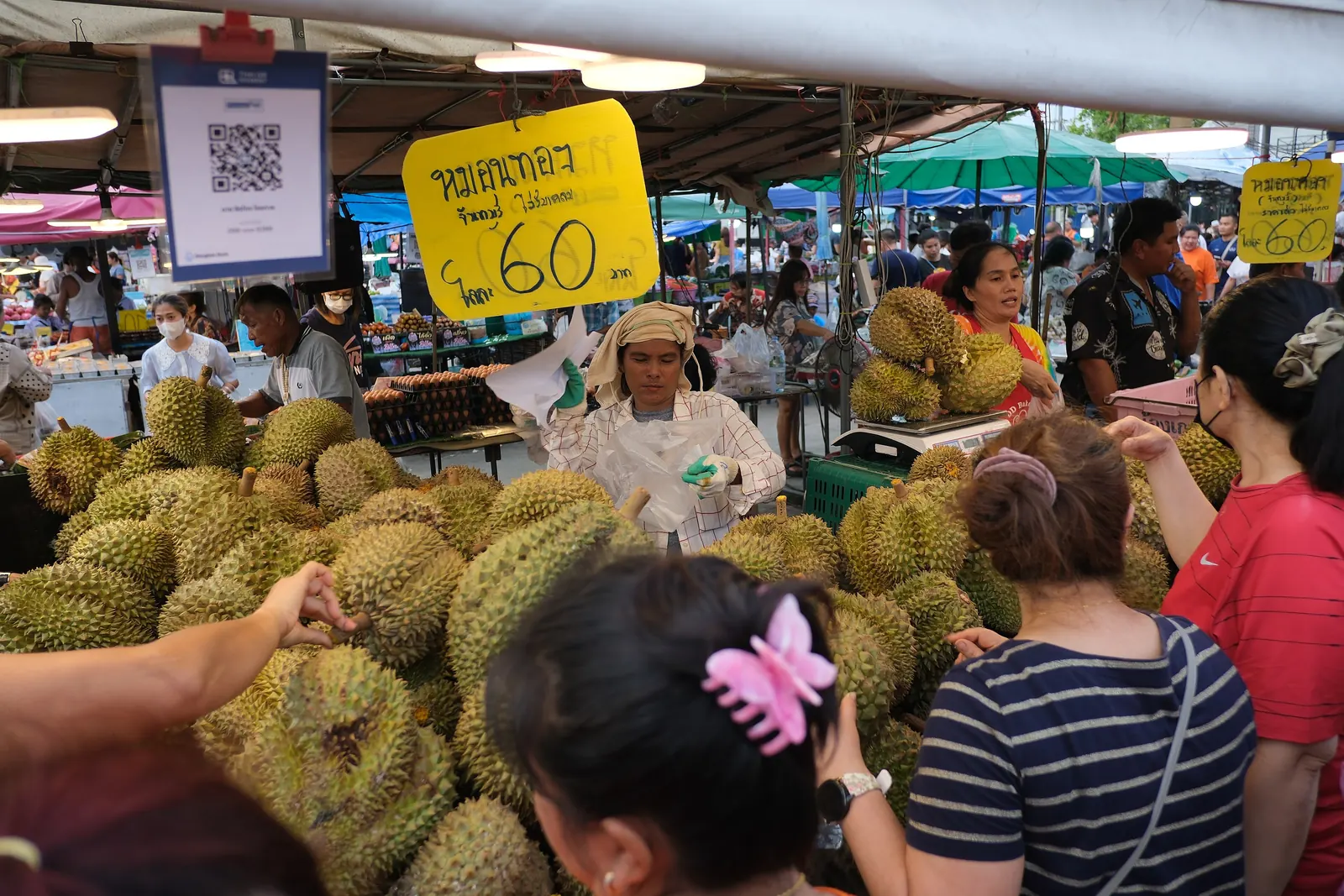
Warorot Market at 6am — Do it. Kad Luang, the city’s real market by the river: the flower market spilling onto the street, Lanna sausage, pork crackling, the khao soi and noodle stalls upstairs where the vendors eat. Free, and the most Chiang Mai hour you’ll spend. Our Chiang Mai breakfast guide tells you what to order.
A cooking class — Do it; Chiang Mai’s are the best in Thailand. Half a day, ฿1,000–1,500, usually starting with a market tour and ending with you eating five dishes you made, including a curry paste pounded from scratch. The farm-based classes outside town are the nicest version. Compare Chiang Mai cooking classes by whether they include the market visit and how many dishes — those two things separate the good ones.
An ethical elephant sanctuary — Do it, with a large caveat. Chiang Mai is where Thailand’s elephant tourism is changing, and it’s also where the word “sanctuary” gets used by places that still put tourists on elephants’ backs. The right answer is a no-riding, no-bathing, observation-and-feeding visit — ฿1,800–2,500 for a half day, ฿2,500–3,500 full — where the elephants set the distance. Filter for observation-only sanctuaries and read the most recent reviews for the words “riding” or “bathing” — if either appears, keep looking. Our ethical elephant sanctuaries guide explains how to tell a real one from a rebranded camp.
Sunday Walking Street — Do it, with a caveat. Ratchadamnoen Road closes to traffic from about 4pm and fills with a kilometre of craft stalls, street food and massage chairs in temple courtyards. The caveat is that by seven it’s shoulder-to-shoulder; go at five, eat early, leave by eight. Free. The Saturday Walking Street on Wualai Road is the smaller, calmer, more local version and arguably better.
Doi Inthanon — Do it, in cool season. Thailand’s highest mountain, ninety minutes away: the twin royal chedis in the cloud, the Kew Mae Pan nature trail (Nov–May, with a Karen guide), waterfalls, and actual cold at the summit. ฿300 park entry; a small-group day trip runs ฿1,200–1,800 and beats driving it yourself on the switchbacks. Skip it in March when the haze eats the views.
Bua Tong, the Sticky Waterfall — Do it. An hour north, free, a waterfall of limestone so grippy you walk up the face of it in bare feet like a gecko. Bring a towel, go on a weekday, combine it with the Mae Ngat dam or Chiang Dao’s cave and mountain if you have the day.
Khao soi, properly — Do it, every day. The city’s curry-noodle soup with the crispy-noodle hat, ฿50–70 a bowl at the right places — the old shops along the Faham road by the river and the stalls near Wat Phra Singh — and never more than ฿150 even somewhere smart. Our breakfast guide names names.
Wat Umong and the forest temples — Do it. The tunnel temple in the woods behind the university, the stupa on the hill, the lake with the ducks and the “talking trees” nailed with Buddhist proverbs — donation entry, ten minutes by songthaew, and an hour of calm that the Old City can’t give you by afternoon.
Nimman’s cafés — Do it, if that’s your thing. Chiang Mai’s coffee scene is genuinely among Asia’s best — northern beans, serious roasters, ฿70–130 a latte — and Nimman and Santitham are its centre. One afternoon of it is a pleasure; don’t mistake it for the city.
Overrated — and what to do instead
Tiger Kingdom — Skip it, no caveat. Drugged or conditioned big cats and a selfie. The money is better at a sanctuary where the animals ignore you.
“Long-neck village” tours — Skip it. A staged village where Kayan refugee women are the exhibit; the entrance fee mostly doesn’t reach them. If the hill peoples interest you, read our guide to Thailand’s ethnic groups and go to a real market town like Mae Sot or Chiang Dao instead.
Elephant rides, shows and “bathing with elephants” — Skip it. Riding needs a broken animal; the bathing selfie is the same thing with a bucket. See the sanctuary entry above for what to book instead.
The Night Bazaar — Skip it as a destination. Chang Klan Road’s nightly market sells the same elephant trousers as every other market in Thailand at a higher price; the food court is fine. Go to the Sunday Walking Street, the Saturday Wualai market, or Warorot by day — or, for night food, the Chang Phueak gate stalls (the cowboy-hat khao kha moo lady) on the north moat.
Muay Thai at the tourist stadiums — Do it only with adjusted expectations. Thapae and Loi Kroh stadiums run tourist cards — ฿400–600, some real fights, some pantomime, a ladyboy bout. Fun as a night out, not the sport. For the real thing, watch it in Bangkok; our muay thai guide explains the difference.
The White Temple as a day trip — Do it, with a caveat; better as an overnight. Wat Rong Khun is three hours each way, and the day tours cram it with the Blue Temple and the Golden Triangle into ten hours of minivan. Stay a night in Chiang Rai instead — our Chiang Rai guide — and see it at 8am without the crowds.
Grand Canyon water park, the zoo, the Night Safari — Skip it, unless you have children. With kids: the Night Safari (฿800) is a decent evening and the Grand Canyon’s inflatables kill a hot afternoon. Without: there’s a mountain ten minutes away.
Worth it if you have an extra day or two
The Samoeng loop — 100 km of mountain road through Mae Rim’s orchid farms and strawberry stalls, a classic half-day ride if you’re licensed and comfortable on a scooter, a lovely drive if you’re not. Chiang Dao — an hour and a half north: the cave, the third-highest mountain, and the quietest good guesthouses in the north. Pai — three hours and 762 bends away; our Pai guide and essay cover whether it’s your place. Lamphun — the overlooked Lanna town thirty minutes south, temples without queues; see our Lamphun guide. And if you’re here in November, Yi Peng — our honest Yi Peng guide explains why the free city ceremony beats the ticketed one.
Things to do in Chiang Mai: your questions, answered
How many days do you need in Chiang Mai?
Three covers the mountain, the Old City, a market evening and a cooking class. Four or five adds a sanctuary, Doi Inthanon and the forest temples without rushing. Longer stays are the point for a lot of people — it’s the most liveable city in the country.
Is Doi Suthep worth it?
Yes — at dawn. Before 8am it’s the city’s holiest place with the valley below you; after ten it’s a car park with a chedi. Go up early, walk the monk’s trail to Wat Pha Lat on the way down, and you’ve had the best morning in the north for under ฿200.
Which elephant sanctuary in Chiang Mai is ethical?
The ones with no riding, no shows and no bathing — observation, feeding and walking alongside at the elephants’ pace. Expect ฿1,800–3,500 depending on length. Read the newest reviews for the words “ride” or “bathe”; their presence is your answer. We’re building a full guide to the honest ones.
When is burning season, and should you avoid Chiang Mai then?
Late February to mid-April, with March usually the worst — agricultural burning fills the valley with haze that hides the mountain and hurts the lungs. If the views are the point, come November to January. Our best time to visit Thailand guide has the monthly picture.
Do you need to rent a scooter in Chiang Mai?
No. Red songthaews, Grab and a bicycle cover the city and the mountain; a scooter helps for the Samoeng loop and Bua Tong. If you do rent, you need a motorcycle licence or an IDP with the motorcycle category — without one your travel insurance won’t pay, and the police checkpoints know it.
Related guides
- Where to Stay in Chiang Mai: Best Areas by Traveller Type
- Chiang Mai Breakfast: What Locals Actually Eat
- Bangkok to Chiang Mai: Every Way to Make the Journey
Book the trip
Some links in this guide are affiliate links. If you book through them we may earn a small commission at no extra cost to you — it helps keep Destination Thailand independent.
Tours worth booking ahead: the cooking class, an observation-only sanctuary, Doi Inthanon with a small group — browse Chiang Mai tours on GetYourGuide and read the recent reviews before you commit. Hotels: pick your area, then compare Chiang Mai hotels on Agoda by Old City, Nimman or Riverside. Getting there and on: the sleeper from Bangkok, the minivan to Pai, the bus to Chiang Rai — book trains, buses and flights on 12Go. Not sure the north is your Thailand? Our Where to Go in Thailand matcher scores all 77 provinces against your month and what you actually want from the trip.