Nuttawut
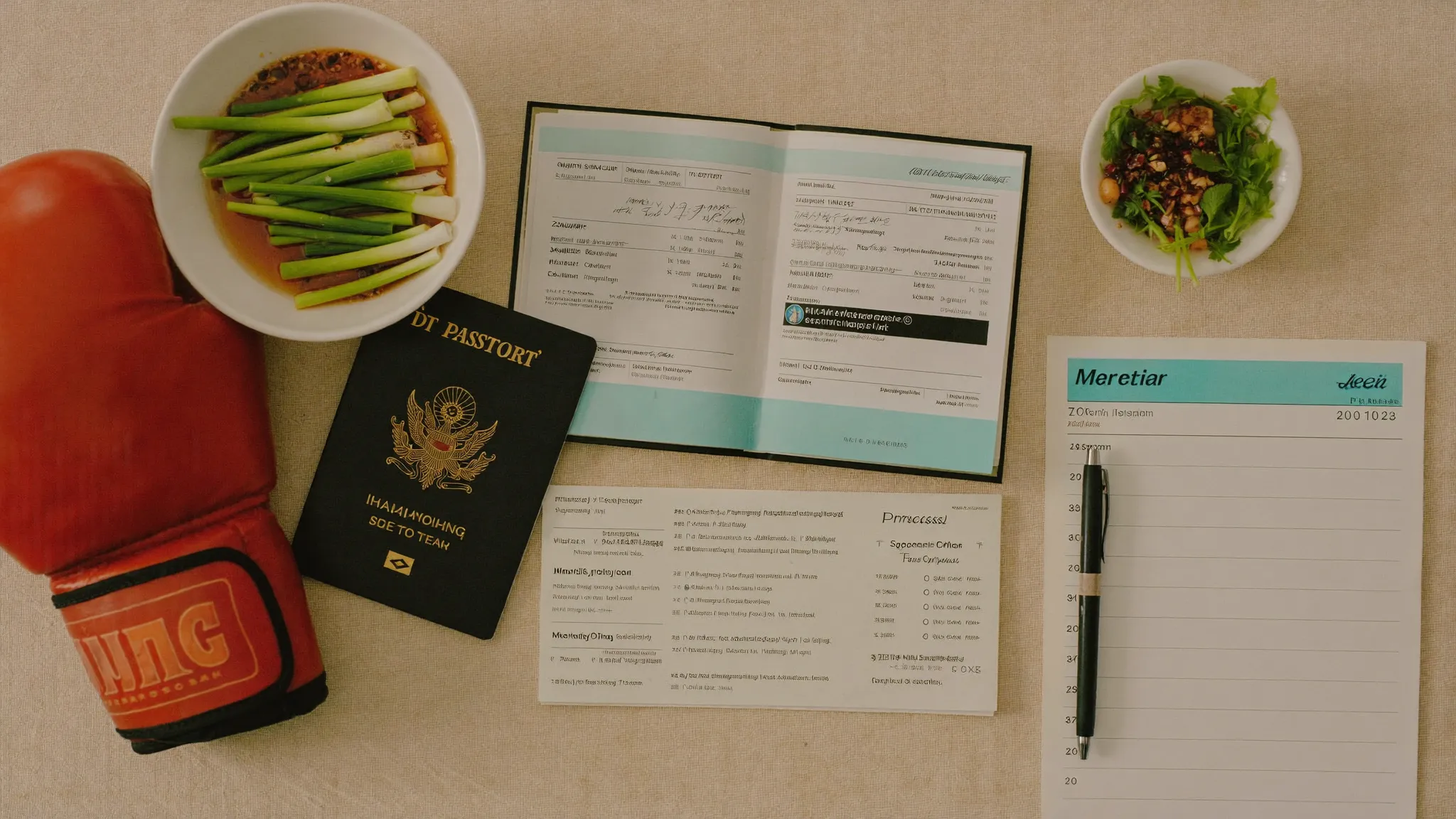
DTV Visa Requirements 2026: Documents, Bank Proof and What Gets Rejected
Every document the DTV actually requires, from official embassy checklists: the ฿500k bank rules (and the seasoning myth), category evidence per track, translations, and the rejection traps that cost applicants US$400 at a time.
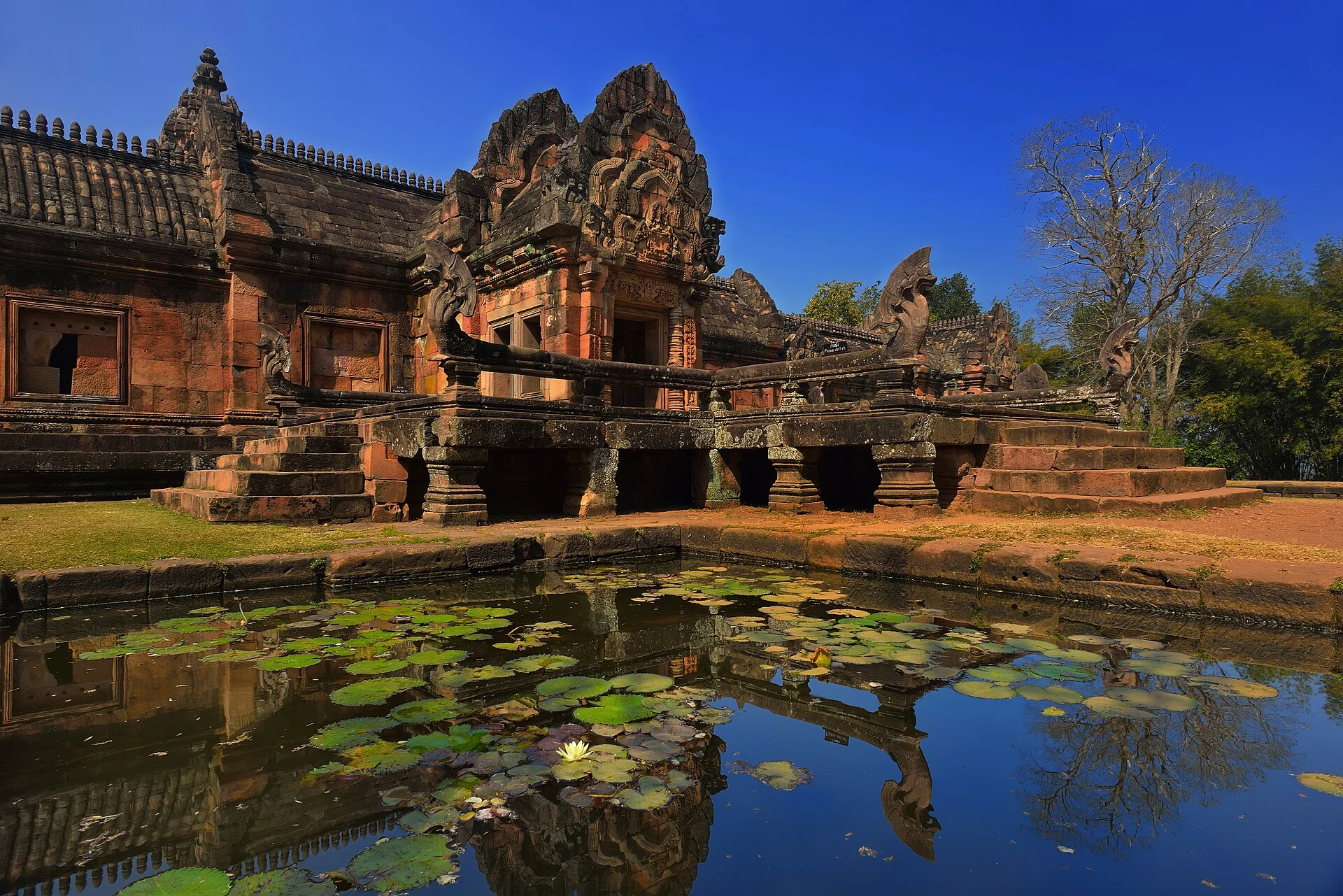
Buriram, Thailand: Football, MotoGP and a Thousand-Year-Old Temple
A thousand-year-old Khmer temple on a volcano, a football empire in a rice field and a million bats at dusk. Buriram is the Isaan province that refused to be boring.
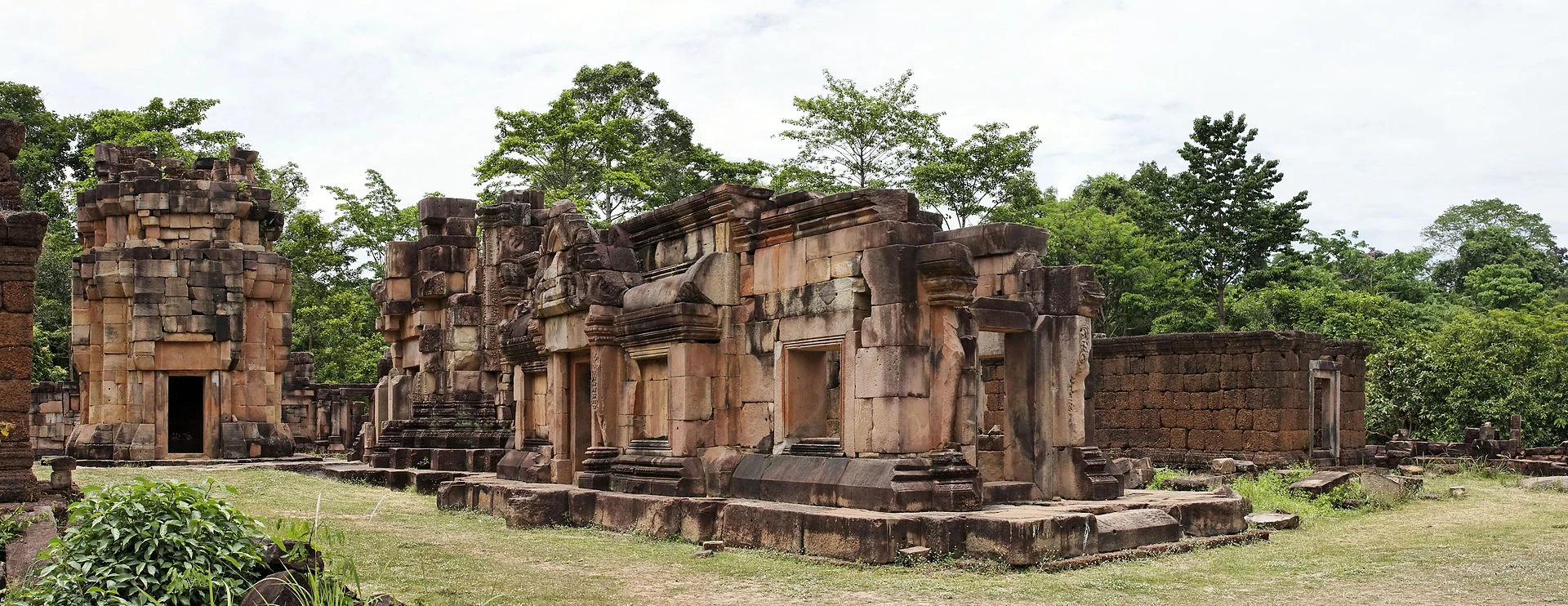
Surin Thailand: Beyond the Elephant Round-Up
Elephants in the back garden, five Khmer towers nobody visits, and silk woven for the palace at five centimetres a day. Surin is far better than its one famous weekend.
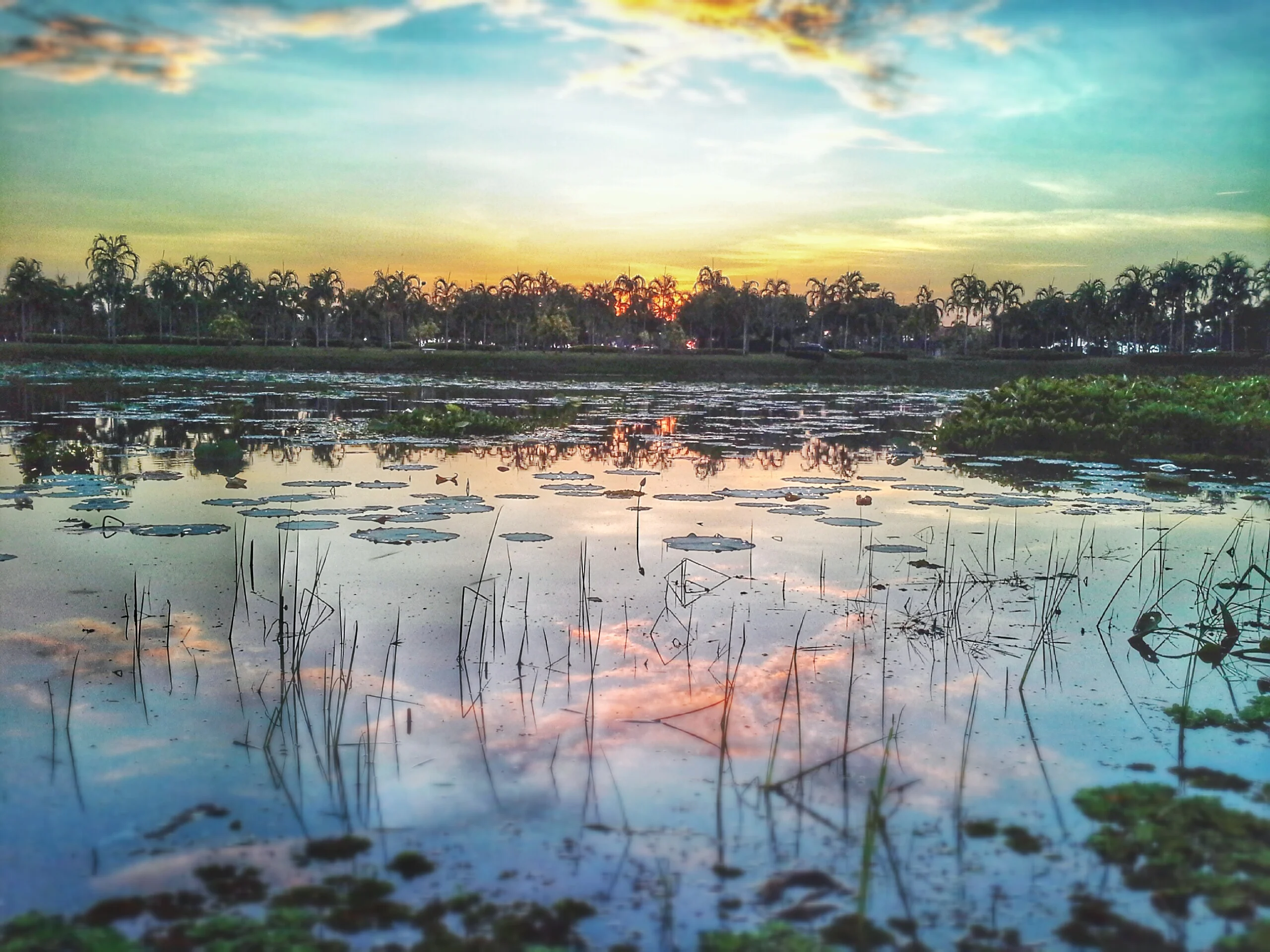
Sakon Nakhon: Indigo, Temples and Zero Tourists
Isaan’s biggest lake, Thailand’s best indigo and a wax castle festival nobody abroad has heard of. Sakon Nakhon is the province tourism forgot, and it is all the better for it.
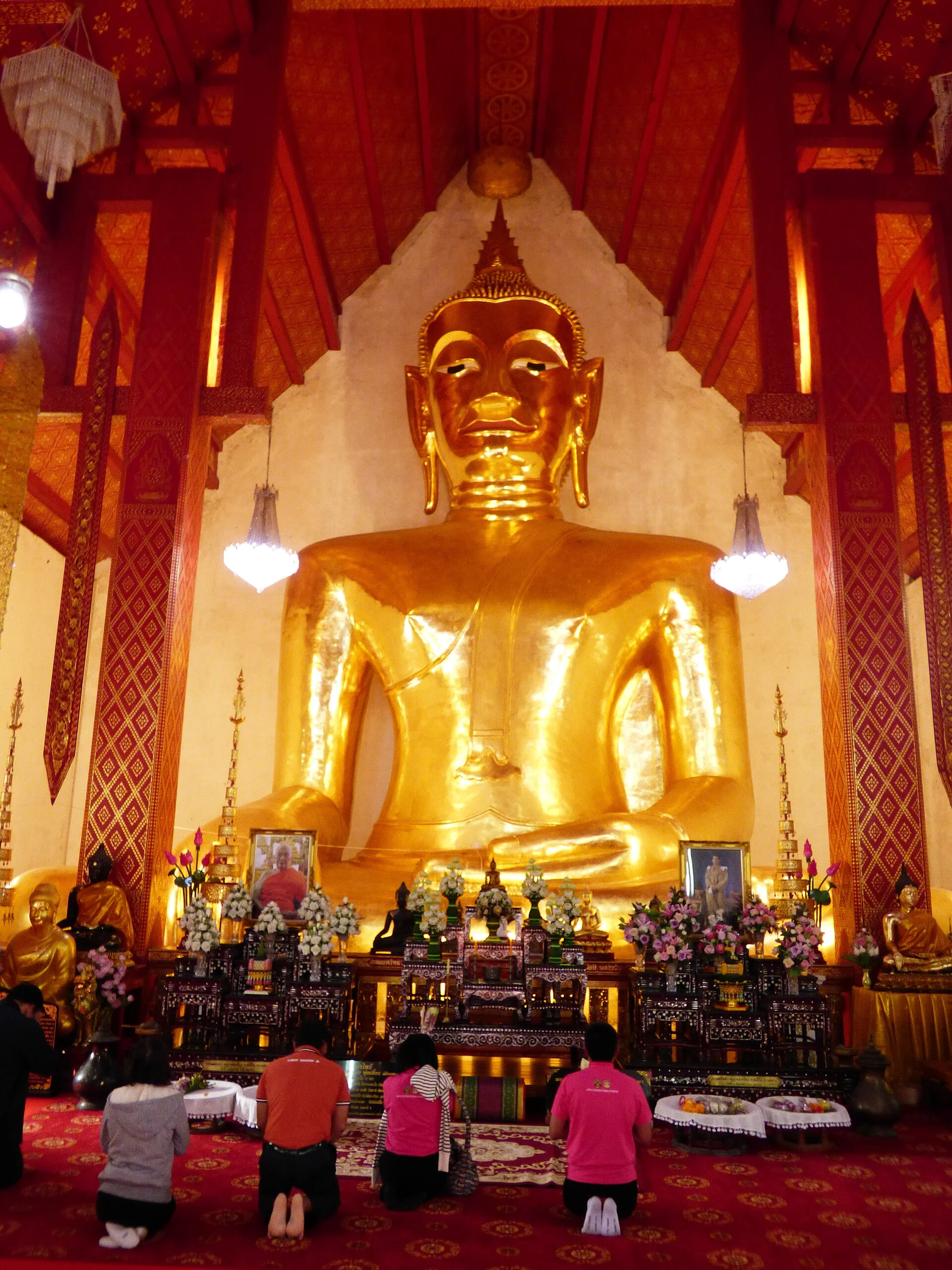
Phayao: A Lake, a Temple and Absolutely No Hurry
The north’s biggest lake, a temple under the water and som tam at ฿60 facing the sunset. Phayao is what northern Thailand was before the tour buses found it — because they still have not.
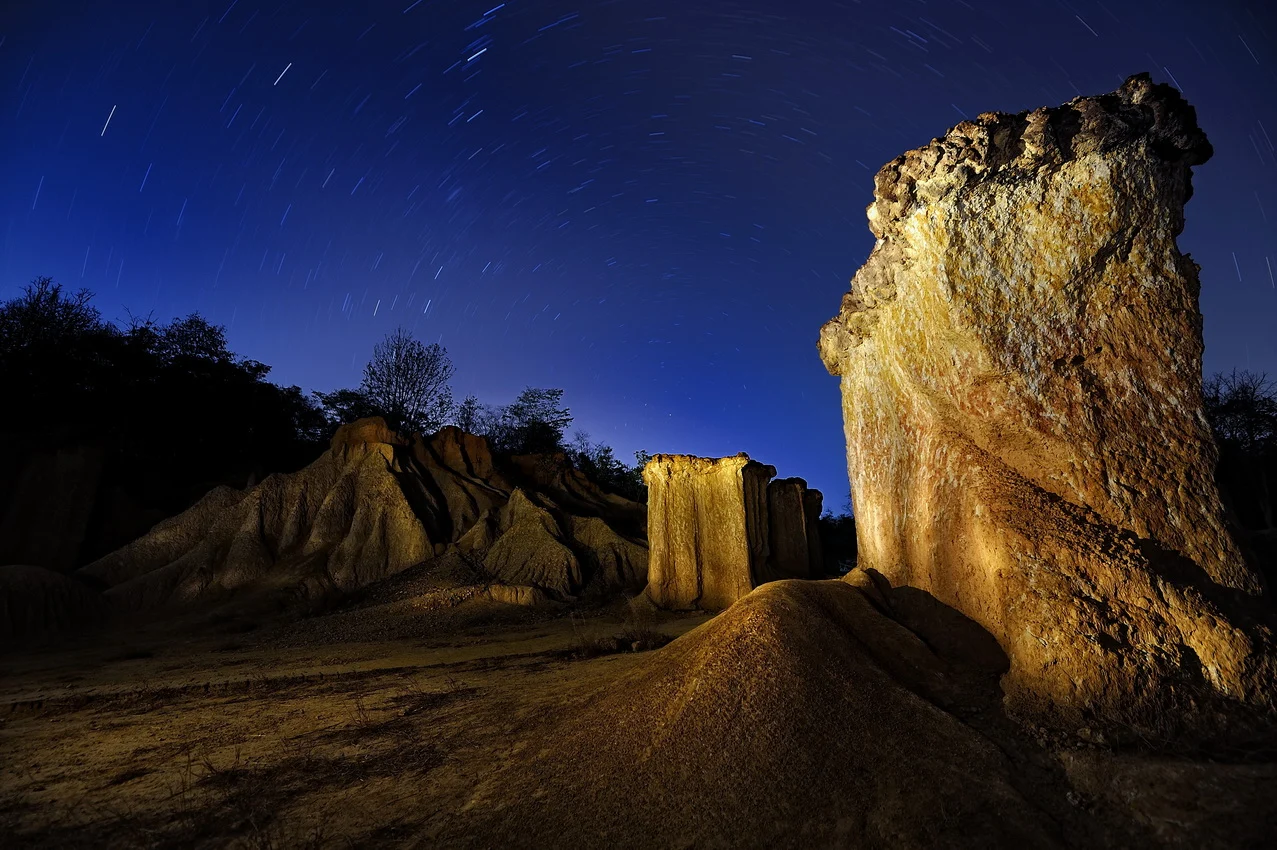
Phrae Thailand: Teak Mansions and Indigo Shirts
The richest teak town in the North a century ago, politely ignored ever since. Mansions, mo hom indigo and a ghost canyon, with barely another visitor in sight.
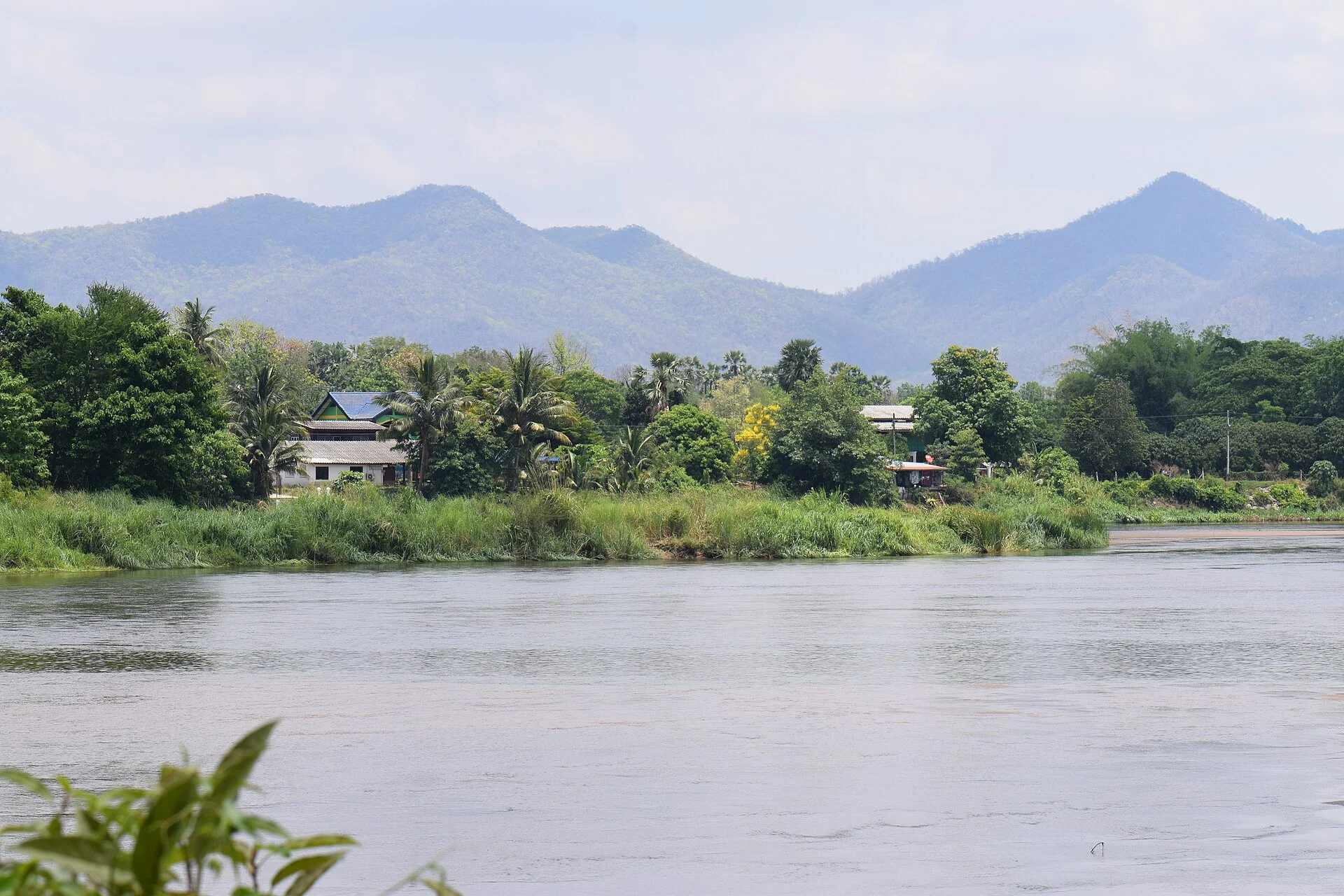
Mae Sot: Border Town, Burmese Soul
Thailand’s most Burmese town: mohinga at dawn, a border you watch but do not cross, and the Death Highway south to the country’s biggest waterfall. Mae Sot rewards the curious.
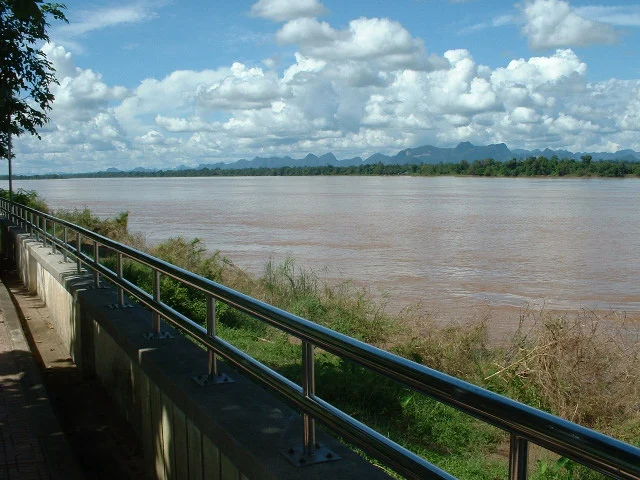
Nakhon Phanom: The Prettiest Stretch of the Mekong
The best river-and-mountains view in Thailand, Isaan’s holiest stupa and the country’s finest Vietnamese food town — and almost nobody goes. Their loss.
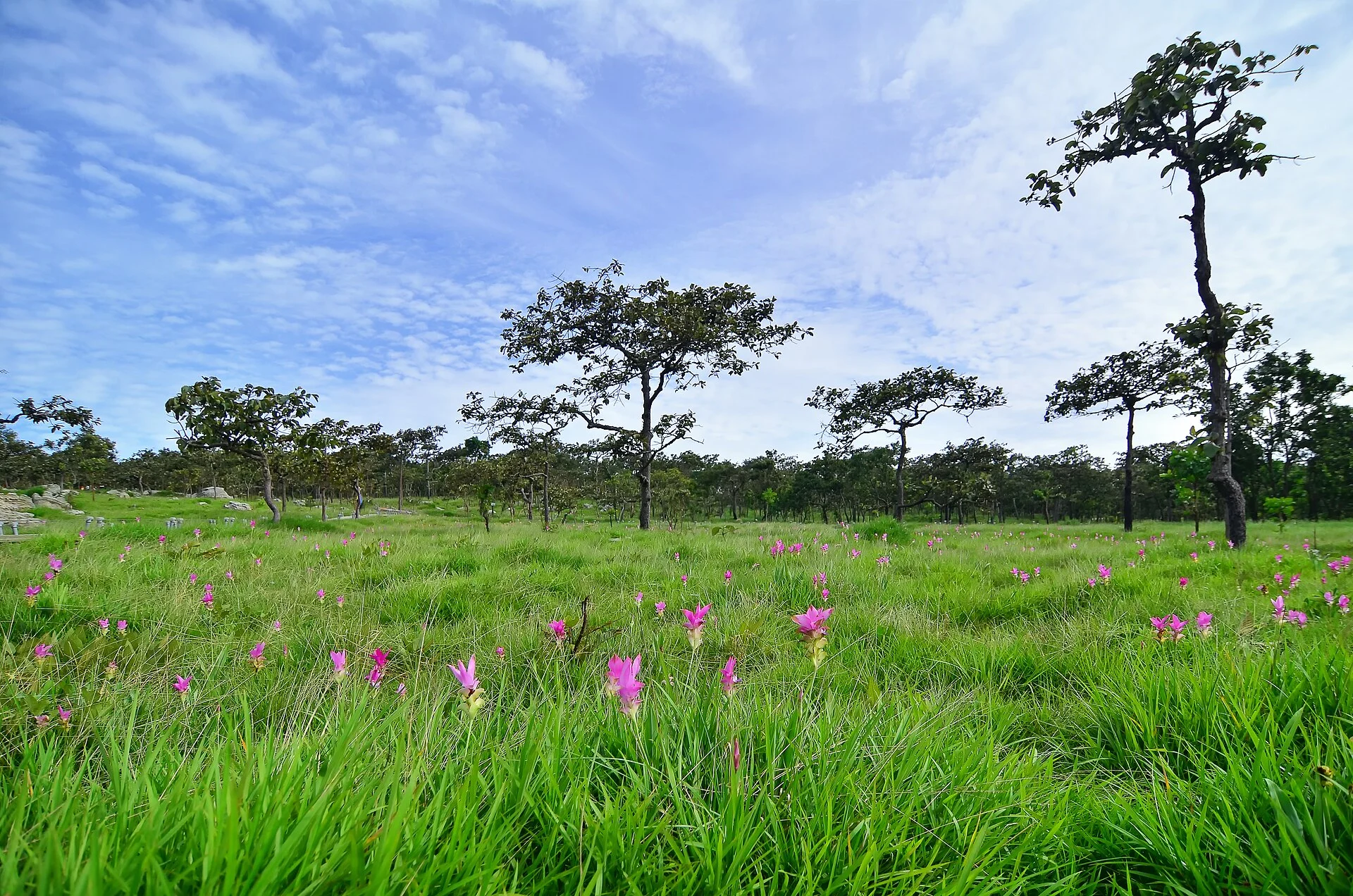
Chaiyaphum: Siam Tulips and Thailand’s Stonehenge
Isaan’s emptiest province hides pink Siam tulip meadows, a free-camping Stonehenge and cliff edges where the plateau simply stops. Here is how to do Chaiyaphum properly.
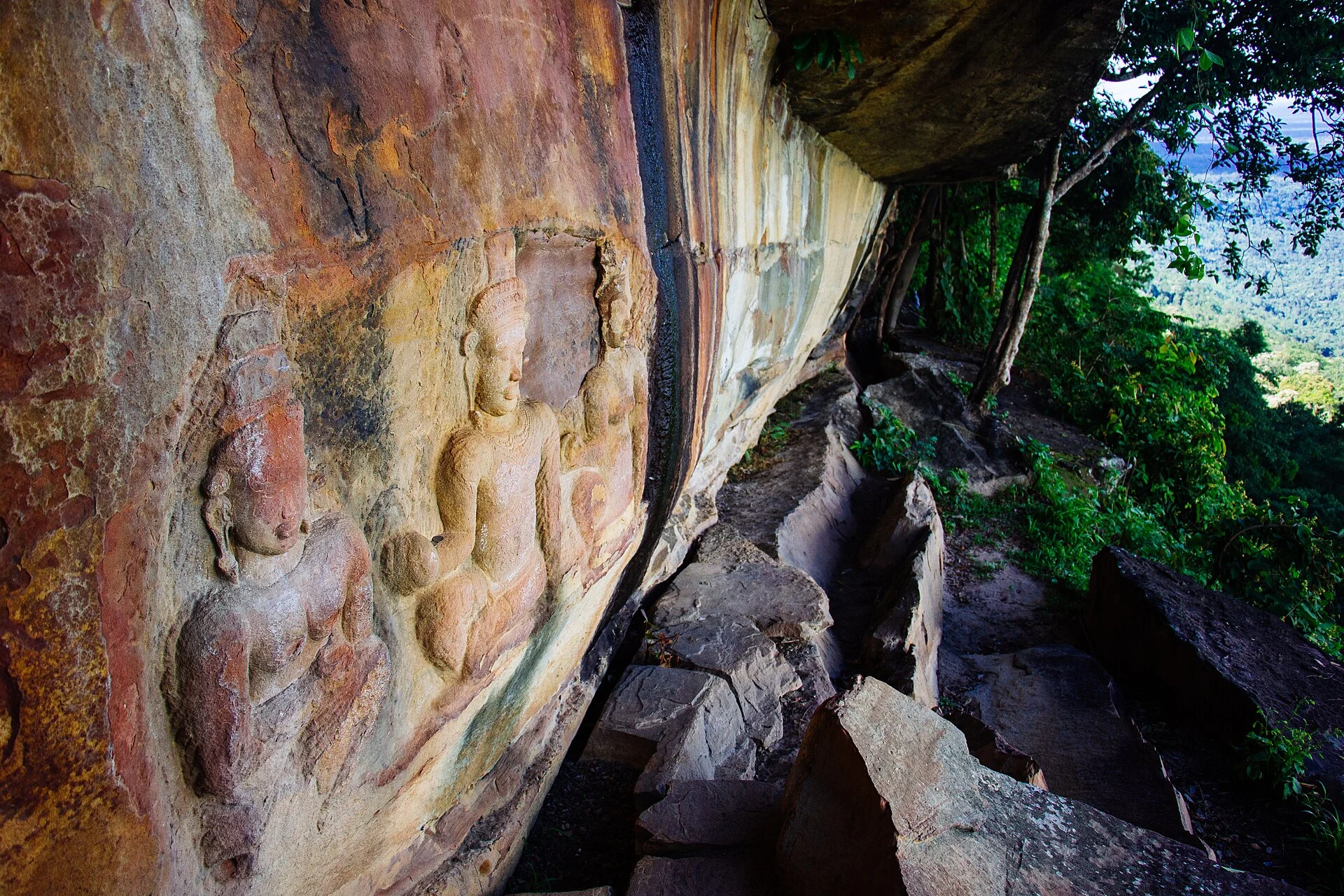
Sisaket: The Million-Bottle Temple and a Cliff Hanging Over Cambodia
A temple built from a million and a half empty beer bottles, a cliff hanging over Cambodia, and a province nobody can pronounce. Sisaket is Isaan at its strangest and its best.