Nuttawut
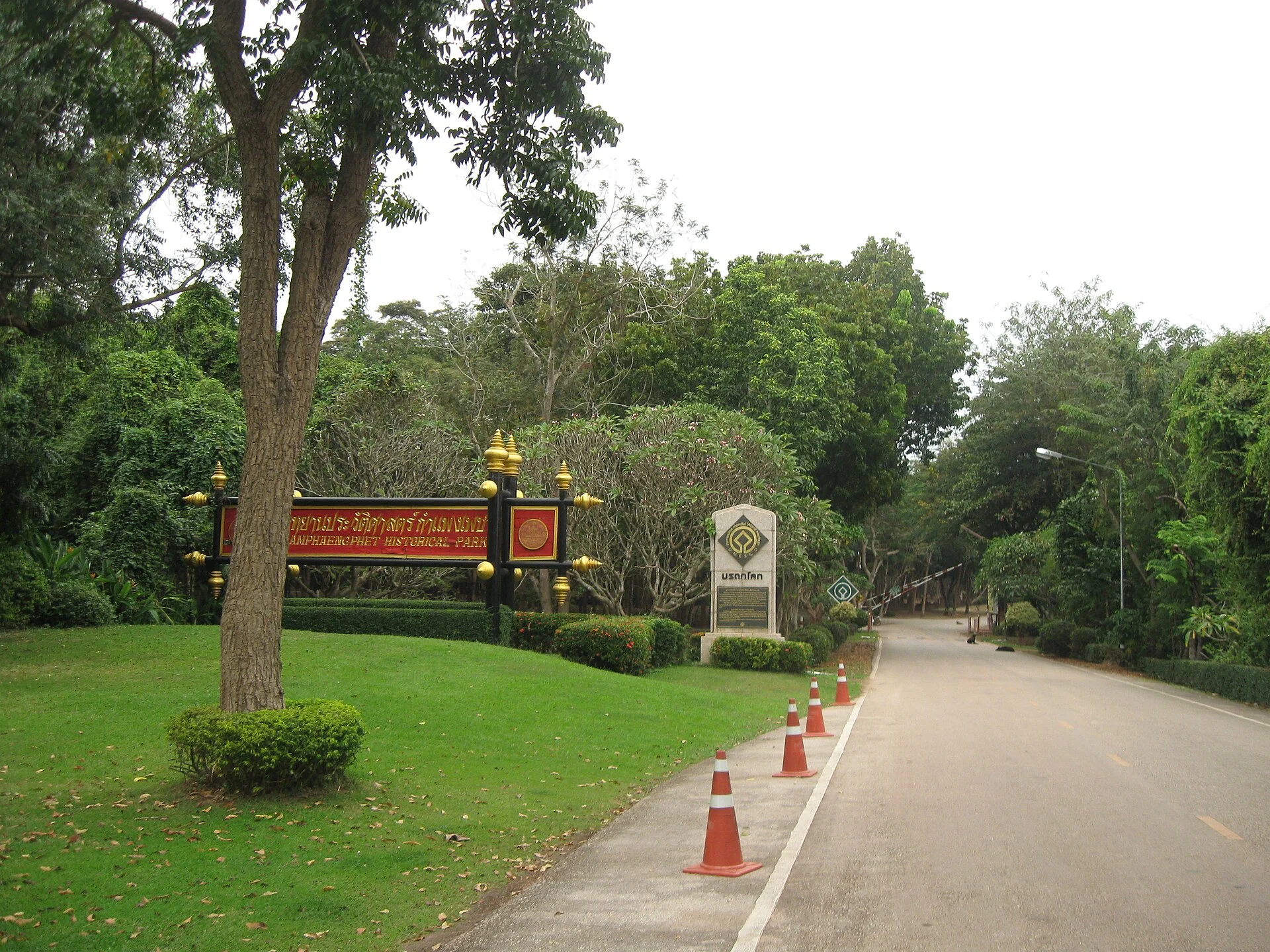
Kamphaeng Phet: The UNESCO Ruins Sukhothai Tourists Never Reach
Same UNESCO listing as Sukhothai, a tenth of the visitors and Thailand’s best bananas. Kamphaeng Phet is what happens when history gets left alone — go before the tour buses work it out.
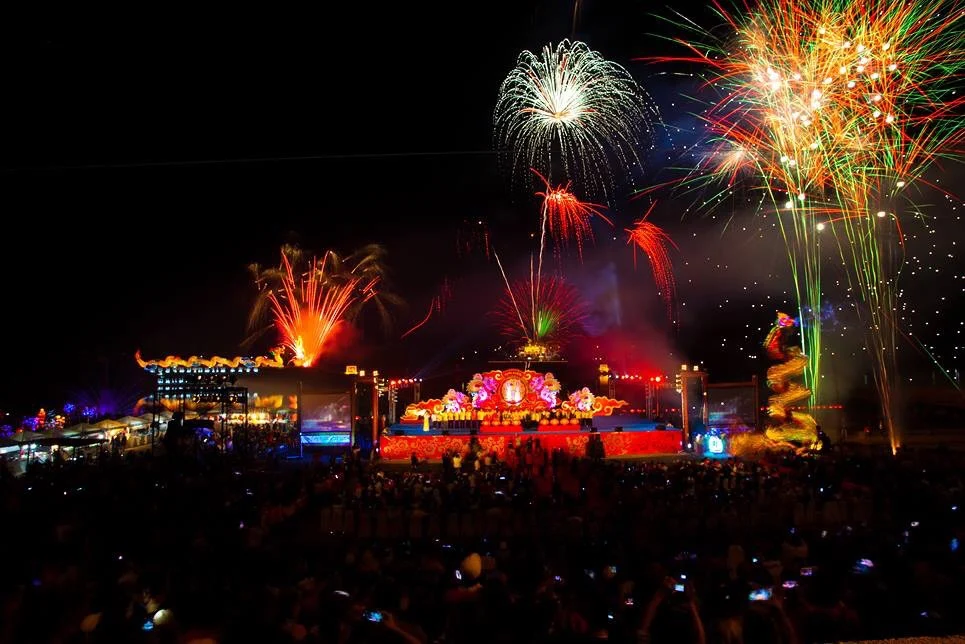
Nakhon Sawan: Where Thailand’s Great River Is Born
Every drop of the Chao Phraya starts in Nakhon Sawan, and almost nobody gets off the train to look. Dragon parades, dawn bird boats and the best Chinese-Thai food in the central plains.

Nakhon Nayok: Waterfalls, a Giant Dam and Bangkok’s Nearest Adventure Fix
Ninety minutes from Don Mueang: nine-tier waterfalls, a 2.5km dam you can cycle across, and rafting guaranteed by dam releases. Nakhon Nayok is Bangkok’s fire escape, as long as you time it right.

Chachoengsao: Wat Sothon, a Riverside Market and Bangkok’s Favourite Blessing Run
Fifty minutes and ฿28 from Bangkok, Chachoengsao is where Thais go to pray, eat mangoes at the source and have breakfast in a century-old wooden market. Most tourists haven’t noticed. Good.

Nong Bua Lamphu: Erawan Cave and the Province Everyone Drives Through
The province everyone drives through between Udon Thani and Loei, and the 600-step cave Buddha that says you should stop. No crowds, no English menus, no regrets.

Sa Kaeo: Border Bazaars and a Khmer Temple Without a Single Tour Bus
The province everyone rides through on the way to Cambodia turns out to hold Southeast Asia’s biggest second-hand bazaar, an empty temple that dated the Khmer empire, and a forest that flickers with butterflies. Sa Kaeo deserves better than a border stamp.

Uttaradit: The World’s Biggest Teak Tree and a Hero With a Broken Sword
A province almost nobody visits, guarded by a general who refused to stop fighting when his sword snapped. Uttaradit has the biggest teak tree on earth, iron mines that armed kings, and durian worth a detour. Go before anyone else works this out.

Maha Sarakham: Isaan’s Student City and the Buddha of the Rice Plain
The Thai tourism machine forgot Maha Sarakham entirely, which is exactly why you should go: genuine Buddha relics under a rice-plain stupa, a Khmer hospital ruin, and Isaan’s youngest, cheapest night out.
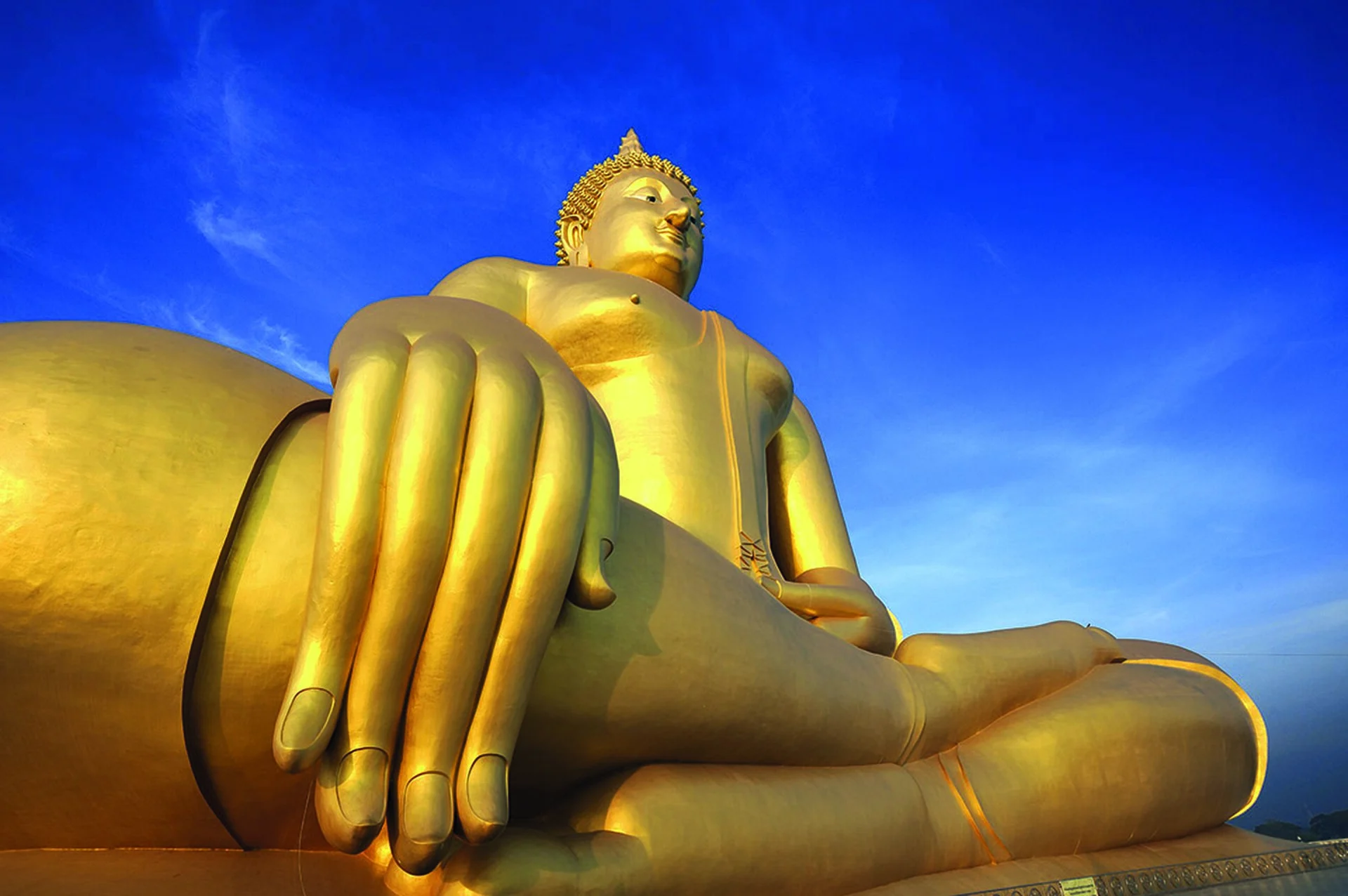
Ang Thong: Thailand’s Biggest Buddha and Not a Tour Bus in Sight
The province everyone confuses with a marine park 700 kilometres away. Its reward for the few who turn up: Thailand’s biggest Buddha, a 50-metre reclining giant lying under open sky since 1767, and not a single tour bus.
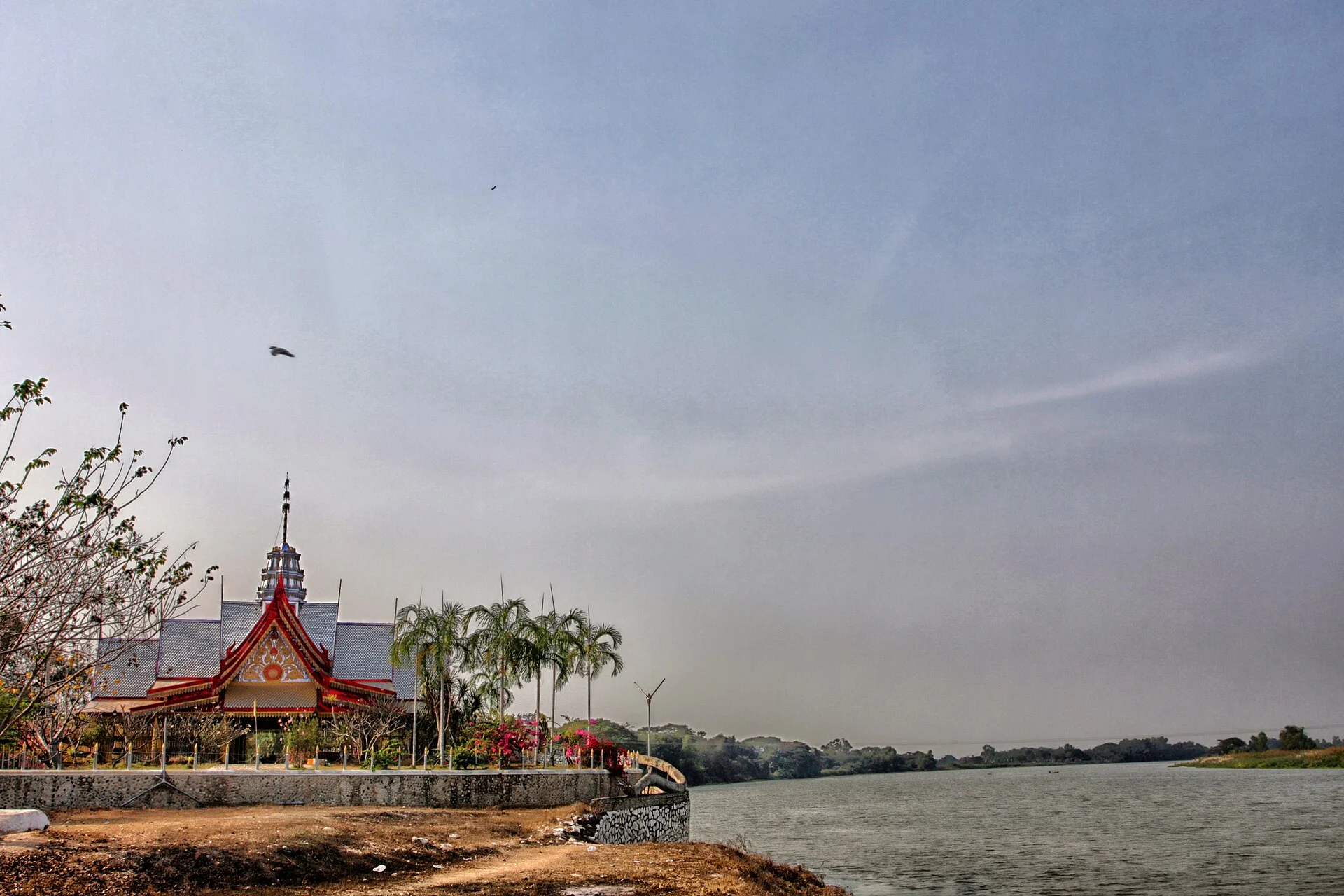
Chai Nat: A Dam, a Bird Park and Thailand at Its Most Unhurried
The province everyone drives through and nobody stops in: a dam that built modern Thailand, one of Asia’s biggest walk-in aviaries, and not a tourist in sight.