Most travellers to Bangkok rotate between the same five neighbourhoods. Sukhumvit for hotels, Silom for nightlife, Old Town for temples, Chinatown for food, Khao San for backpackers. They miss the neighbourhood where Bangkokers themselves spend their Saturday mornings. Ari — pronounced ah-ree, not Ari like the name — is a leafy, residential, café-dense district six BTS stops north of Siam, bounded by Phahonyothin Road on the east and the Government Complex on the west. It’s where Bangkok’s middle-class creative class lives, eats, and refuses to leave on weekends. Below, the Ari Bangkok guide that gets you off the same five neighbourhoods and into the version of the city that locals actually use.
What Ari is and why it exists
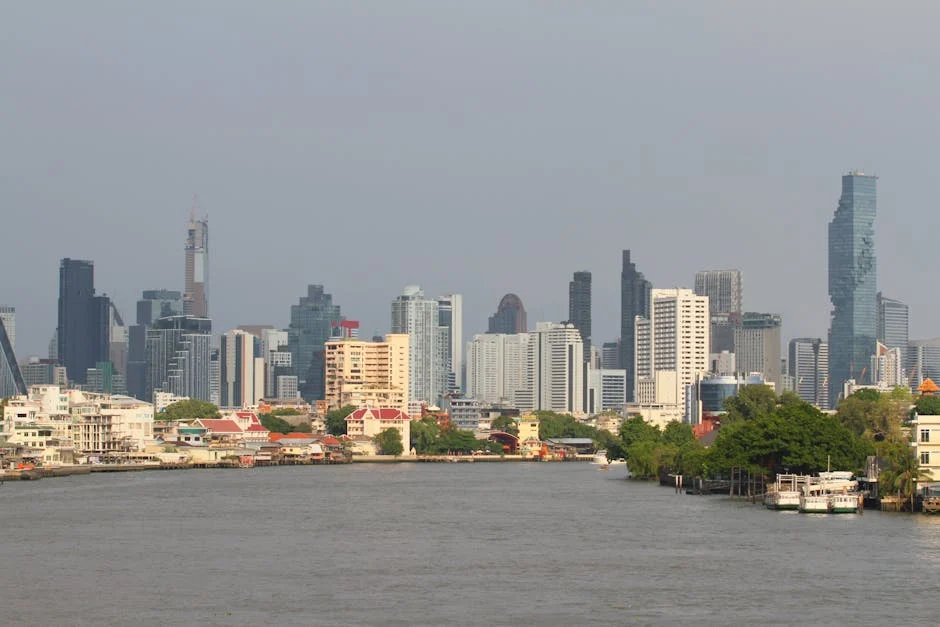
Ari sits in the Phaya Thai district, about 4 km north of Siam Square along the Phahonyothin spine. It was developed in the 1960s as a residential suburb for civil servants working at the nearby government ministries. Detached houses on small leafy plots. Two-storey shophouses along the sois (lanes) running off the main road. A grid of quiet streets shaded by old rain trees.
Then the BTS Skytrain reached the area in 1999. Within a decade Ari had become the unofficial headquarters of a particular kind of Bangkok local: thirty-something professionals, designers, food writers, café owners, photographers, mid-tier government employees. They moved into the old houses, converted shophouses into cafés and restaurants, and quietly built one of the most pleasant urban neighbourhoods in Southeast Asia.
Today Ari has the highest density of independent cafés in Bangkok. Three out of every five Thai food bloggers seem to live there. The wider expat community has noticed; rents have crept up. But the neighbourhood still feels lived-in rather than performed.
Getting to Ari
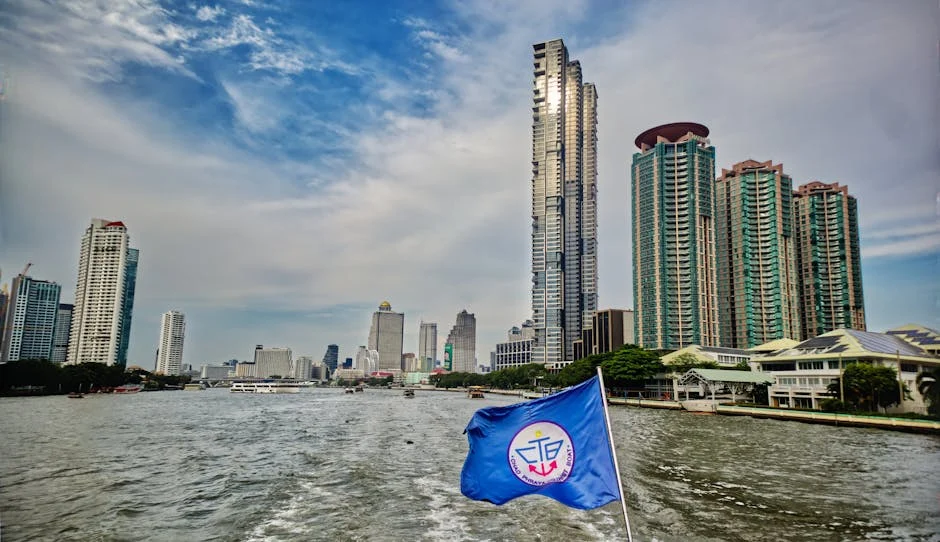
The easiest path is the BTS Skytrain. Ari station sits in the middle of the neighbourhood; Saphan Khwai to the south and Sanam Pao to the north both touch the edges. From Siam, the ride is 12 minutes and 31 THB. From Sukhumvit (Asoke), about 20 minutes with a transfer at Siam.
A Grab from Sukhumvit is 150–250 THB depending on traffic — useless in rush hour, fast on weekends. From the airport, take the Airport Rail Link to Phaya Thai then change to the BTS for one stop.
Walking distance from the BTS exits to anywhere in the main Ari Bangkok area is about 5–15 minutes. The neighbourhood is laid out so you can wander between cafés without ever needing transport.
The cafés — the actual reason to come
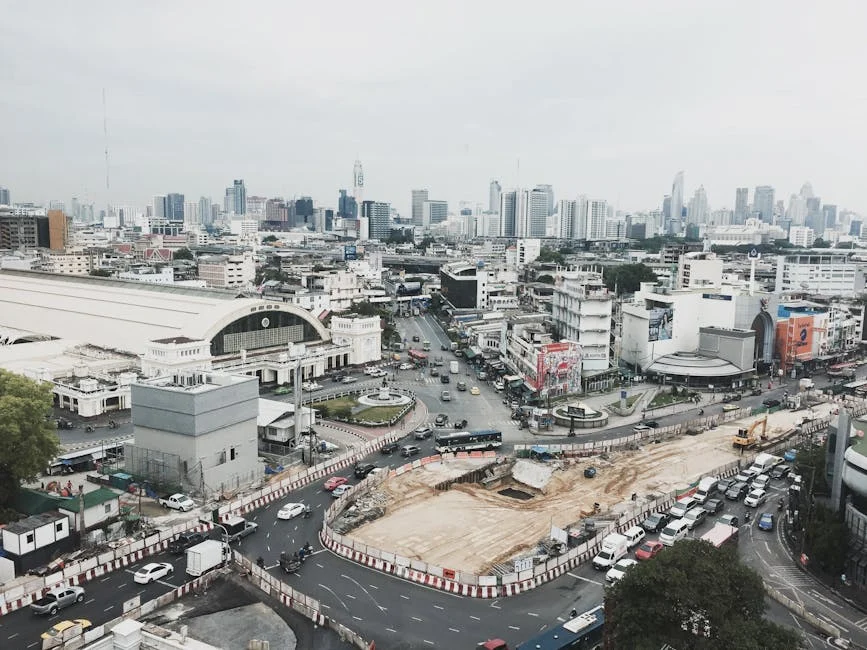
Ari has more good independent cafés per square kilometre than any other neighbourhood in Bangkok. A non-exhaustive list of the ones worth the walk:
- Roots Coffee (Soi Ari 1) — the original Bangkok specialty-coffee roaster. Single-origin filters, ~100–150 THB. The bar staff actually know about the beans. Closes at 18:00.
- Featherstone Bistro Café (Soi Ekkamai 12 — branch in Ari at Soi Ari 4) — Victorian-apothecary aesthetic, sparkling iced tea drinks served in chemistry beakers, mid-range Western food. 150–350 THB. Brilliant for an Instagram afternoon, average for the coffee.
- Casa Lapin (multiple branches; Soi Ari 4) — long-standing Bangkok chain that started indie. Reliable flat white at 120 THB; quiet workspace upstairs.
- The Salt Times (Soi Ari 5) — pretty courtyard, third-wave coffee, soft-served matcha desserts. 120–180 THB.
- Pacamara (Soi Ari 4) — Bangkok’s specialty-coffee training school, attached to a café open to the public. The most technical cup of coffee you’ll have outside Chiang Mai. 130–180 THB.
Ten more I haven’t listed exist within a 10-minute walk of any of these. Walk a soi at random; you’ll find one.
The food
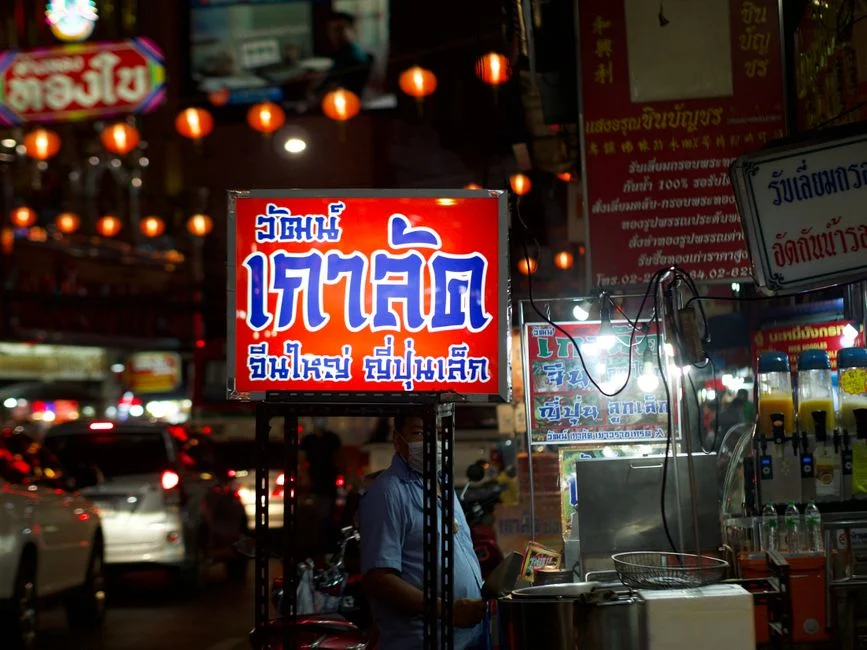
Coffee is only half the reason to be here. Ari’s food scene mixes generations-old shophouses, mid-tier Thai bistros, and the kind of niche concept restaurants that survive because the neighbourhood actually supports them.
The Thai food worth the trip:
- Rod Dee Ded (Soi Ari 1) — proper Bangkok-style Thai food at unrenovated-shophouse prices. The signature kor moo yang (grilled pork neck) is 150 THB and feeds two. The moo krob (crispy pork) and basil stir-fries are reliable. Always full at lunch.
- Salt (Soi Ari 5) — modern Thai bistro from the chef who later opened the Michelin-starred Sorn. Casual lunches around 350–600 THB; dinner higher.
- Pa Cheang Kuay Tiao Reua (Phahonyothin Soi 7) — boat noodle stall that’s been there 30 years. Five bowls for 150 THB; nothing else on the menu. The benchmark Bangkok boat-noodle experience.
- Café 91 (Soi Ari 4) — Khao Soi (northern Thai curry noodles) at Bangkok-acceptable quality. 95 THB a bowl.
Non-Thai food worth coming for:
- Lay Lao (Soi Ari 4) — Vietnamese, properly executed. Pho 180 THB, banh mi 120 THB.
- Bushi by Jin (Soi Ari 4) — small-format Japanese izakaya, around 800–1,500 THB per person with drinks.
- Mother Roaster (Soi Ari 1) — Italian-influenced bakery, sourdough focaccia, decent cappuccino.
Ari’s markets
Ari isn’t a market neighbourhood the way Chatuchak is, but two small markets are worth knowing:
- Or Tor Kor Market (10 minutes north of Ari at Kamphaeng Phet MRT) — Bangkok’s premium fresh-produce market. Open daily 06:00–20:00. Where Bangkok’s professional cooks shop. Fresh fruit (mangosteen, lychee, longan in season), Thai sweets, seafood. Eat lunch here — the food court at the back does dishes you’d struggle to find elsewhere for 80–150 THB.
- The night market on Soi Ari 4 — small, mostly food, runs Wednesday and Friday evenings. Real Bangkok working-class flavour rather than tourist-facing. Snacks 30–80 THB.
Things to do in Ari Bangkok beyond food
Yes — the neighbourhood is mostly about eating. But a few non-food anchors:
- Bambini Villa (Soi Ari Samphan 1) — kids’ indoor playground in a converted villa; good if you’re travelling with children.
- Atelier Pichita (Soi Ari 4) — independent art space and ceramics studio, occasional exhibitions and short pottery workshops (1,500 THB for a 2-hour class).
- Phahon Yothin Park — small public park at the corner of Phahonyothin and Saphan Khwai. Not large but a real local space, particularly busy in early evenings with joggers and old men playing chess.
- The Government Complex — a sprawl of ministries west of Phahonyothin. Not a tourist attraction per se, but walking through gives you an honest view of Bangkok’s civil-service infrastructure.
Where to stay in Ari
Ari isn’t a hotel district — most of the accommodation is residential rentals (Airbnb, monthly studios) targeted at expats. But a few hotels exist if you want to base here for a few nights:
- The Quarter Ari by UHG — mid-range, walking distance to the BTS. 1,800–2,800 THB.
- Ad Lib Hotel — boutique with rooftop pool. 2,500–3,800 THB.
- Phra Sumen Hotel — budget shophouse conversion. 800–1,400 THB.
If you’d rather stay on Sukhumvit (where the international hotel chains are) and come up to Ari for the day, that works too — it’s 30 minutes door-to-door via BTS.
Best time to visit Ari
Ari is at its best on weekend mornings, when the cafés open at 09:00 and locals fill them by 10:00, and the streets are quiet enough to walk between sois without traffic noise. Saturday and Sunday from 09:00 to 14:00 is the sweet spot.
Avoid Monday (many independent cafés are closed) and avoid rush-hour weekdays (the area is residential, not commercial, so weekday lunches are quieter but the BTS is jammed).
The Ari Bangkok day
A reliable single-day Ari plan:
- 09:00 — BTS to Ari. Coffee at Roots or Pacamara.
- 10:30 — Walk to Soi Ari 1, browse the shophouses, second coffee at Mother Roaster.
- 12:00 — Lunch at Rod Dee Ded or Pa Cheang boat noodles.
- 13:30 — Walk north to Or Tor Kor Market for an hour browsing produce; second lunch of khao kluk gapi from the food court.
- 15:00 — Coffee or matcha at The Salt Times.
- 16:30 — Late afternoon walk back through Ari Samphan; if the night market is running (Wed/Fri), end there.
- 18:00 — BTS back to wherever you’re staying.
A full Thailand itinerary 7 days easily includes a Bangkok food day built around Ari. The Bangkok pillar is at /province/bangkok/ for the broader city context.
Final thoughts on the Ari Bangkok experience
The Ari Bangkok neighbourhood doesn’t try to sell itself. It doesn’t have major monuments, doesn’t feature in package tours, and doesn’t appear on most foreign-travel itineraries. Which is exactly why it’s worth the trip: it’s where the actual creative middle class of Bangkok eats, drinks, works, and spends weekends. Visit on a Saturday morning, walk the sois at coffee-stop pace, and you’ll come away with a much more accurate picture of what life in Bangkok actually looks like for the people who live here.
FAQ
Where is Ari in Bangkok?
Ari is in the Phaya Thai district, roughly 4 km north of Siam Square. The BTS Ari station sits in the middle of the neighbourhood, with Saphan Khwai and Sanam Pao touching the edges.
How do I get to Ari from Sukhumvit?
Take the BTS from Asoke or Phrom Phong, change at Siam, then continue north to Ari. About 20–25 minutes total, 31–47 THB.
What’s the best café in Ari?
Roots Coffee on Soi Ari 1 is the technical benchmark for specialty coffee. Pacamara is the close second. For atmosphere over coffee quality, Featherstone or The Salt Times.
Is Ari worth visiting for tourists?
Yes — particularly if you’ve already done the obvious Bangkok sights and want a quieter, more local day. Best as a half-day or full-day off-piste experience.
When are Ari’s cafés open?
Most open between 08:00 and 10:00 and close by 18:00–20:00. Many are closed Mondays. Weekend mornings are peak local crowd.
What time does Or Tor Kor Market open?
06:00 to 20:00 daily. Best in the morning (07:00–10:00) for freshest produce and quietest aisles.
Is there a night scene in Ari?
Modest. A handful of wine bars (Ekkamai-style) and a few craft-beer spots, but Ari is fundamentally a daytime and early-evening neighbourhood. If you want nightlife, go to Sukhumvit.