Thai cuisine is famous for its balance of sweet, sour, salty, spicy, and bitter flavours, but some of its most fascinating dishes come from a deeper culinary tradition known as ahan boran. In Thai, boran means old, ancient, or traditional, and the phrase is often used for recipes that preserve older cooking methods, ingredients, and flavour profiles. These dishes are not just nostalgic meals; they are living records of Thai culture, history, and identity.
Ahan boran covers a wide range of foods, from royal palace dishes to regional specialties and family recipes passed down through generations. Some are lavish and refined, while others are simple, rustic, and tied closely to local ingredients. Together, they show how Thai food developed over centuries and how it continues to evolve today.
What does Ahan Boran mean?
Ahan boran literally refers to ancient or traditional Thai food. The term boran is commonly used in Thai to describe something old-fashioned or historical, but in food culture it often carries a sense of respect and authenticity. It signals a connection to older ways of cooking, especially recipes that predate modern restaurant menus and mass-produced versions of Thai cuisine.
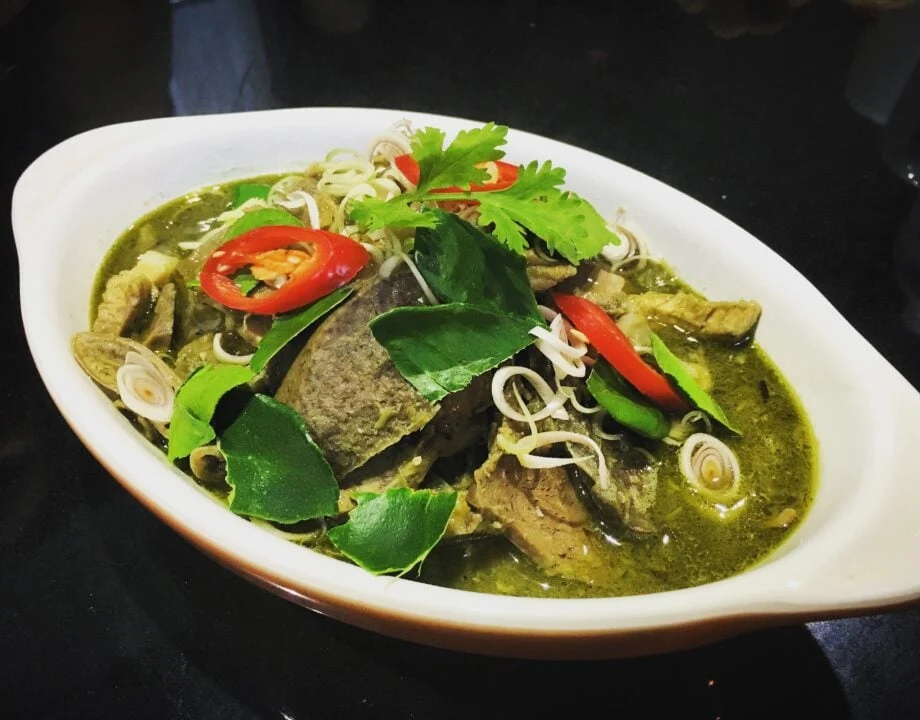
The idea of ahan boran is broader than just one style of cooking. It can include palace cuisine, old household dishes, regional foods, and revived recipes that modern chefs have reconstructed from historical records or family knowledge. In many cases, the dish may not be ancient in a strict historical sense, but it reflects an older style or traditional presentation.
The origins of ancient Thai recipes
The origins of ancient Thai recipes are tied to the long development of Siamese food culture. Early Thai cooking relied heavily on local herbs, freshwater fish, rice, fermented ingredients, and simple cooking techniques such as grilling, steaming, boiling, and stewing. Over time, trade and migration introduced new ingredients and methods that changed the way Thai food was prepared.
Royal Thai cuisine became one of the most refined expressions of this tradition. It developed in the courts of ancient Siam, especially during the Ayutthaya era, where food was prepared with great attention to detail, balance, and presentation. At the same time, everyday people continued to cook in practical ways using what was available in their local environment, creating a rich blend of courtly and folk traditions.
Classic examples of Ahan Boran
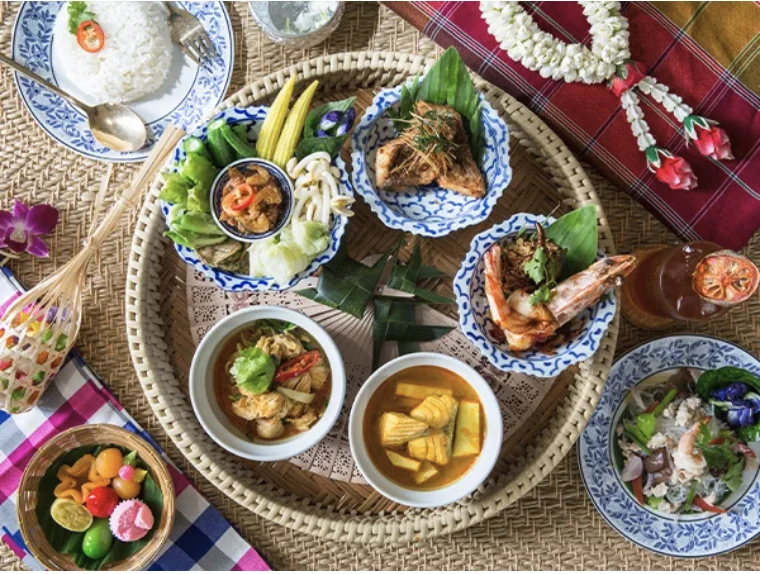
One well-known example of an ancient Thai dish is gaaeng buaan, a traditional curry that reflects very old Siamese culinary roots. It is valued for its complex flavour and historical significance, offering a glimpse into pre-modern Thai cooking.
Another example is pad thai boran, which refers to an older-style version of pad thai. While pad thai itself is a more modern national dish, the boran version is often presented with traditional garnishes and preparation styles. This shows how the term boran is sometimes used to describe a heritage-inspired interpretation rather than a fixed historical recipe.
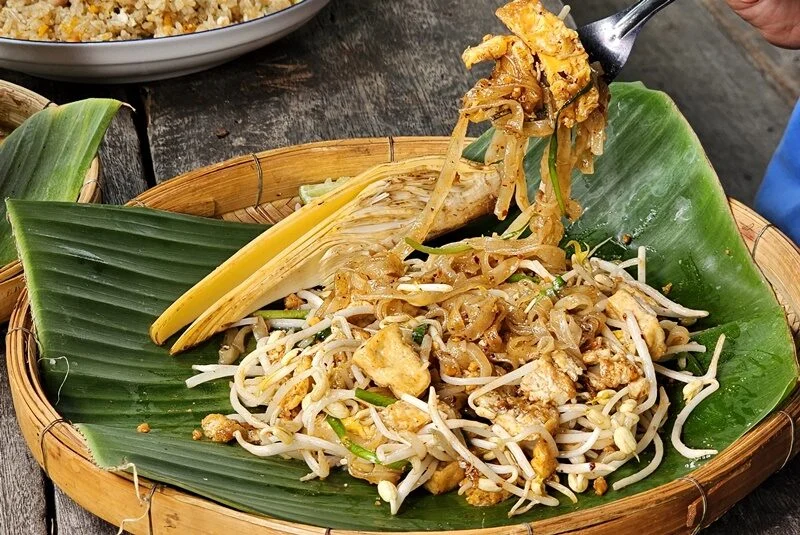
Other dishes described as boran may include traditional fish dishes, herbal soups, and old-style curries that are prepared in ways similar to those used by previous generations. These recipes help preserve a sense of continuity between Thailand’s culinary past and present.
Why Ahan Boran matters
Ancient Thai recipes matter because they preserve cultural memory. Each dish tells a story about the ingredients available in a certain region, the social class of the people who cooked it, and the techniques they used. In this way, food becomes a form of history that can be tasted rather than only read about.
Ahan boran also matters because it helps protect Thai culinary identity in a world of fast food, standardised menus, and global food trends. When old recipes are remembered and taught, they keep traditional knowledge alive. They also give younger generations a deeper appreciation of where Thai cuisine comes from and why it is so diverse.
How ancient recipes are preserved today
Today, ancient Thai recipes are being preserved through cooking schools, family traditions, food documentation, and heritage restaurants. Chefs and historians are increasingly interested in reviving forgotten dishes and adapting them for modern diners without losing their original spirit. This has helped bring old recipes back into public awareness.
Food tourism has also played a role. Many travellers are now looking for authentic culinary experiences, and heritage Thai dishes are becoming part of that appeal. Restaurants and hotels that showcase traditional recipes help make ahan boran relevant to a new audience while supporting the preservation of local food culture.
The future of Ahan Boran
The future of ahan boran depends on whether it can remain both authentic and adaptable. Some recipes will continue to survive in homes and communities where family knowledge is still strong. Others may live on through chefs who reinterpret them in fine-dining settings or through digital archives that document them for future generations.
One of the biggest challenges is that traditional cooking knowledge can easily disappear if it is not written down or taught. Many older recipes exist only in memory, which makes preservation difficult. At the same time, this creates an opportunity: if Thai cooks, writers, and food institutions continue to document and share these dishes, ancient recipes can remain part of modern Thai life.
Conclusion
Ahan boran is more than a category of old food. It is a window into Thailand’s past, a reflection of local and royal traditions, and a reminder that cuisine is always evolving. From historic curries to revived heritage dishes, ancient Thai recipes continue to shape how people understand Thai identity and flavour.
As Thailand’s food culture gains more international attention, the future of ahan boran looks promising. The challenge now is not whether these recipes matter, but how to keep them alive in ways that respect both history and modern taste.