Central · Thailand
Phra Nakhon Si Ayutthaya · พระนครศรีอยุธยา
UNESCO-listed ruins of Thailand's 14th-century capital — the day trip from Bangkok.
- Region
- Central
- Population
- 820,000
- Area
- 2,557 km²
- Stories filed
- 2
About Phra Nakhon Si Ayutthaya
History
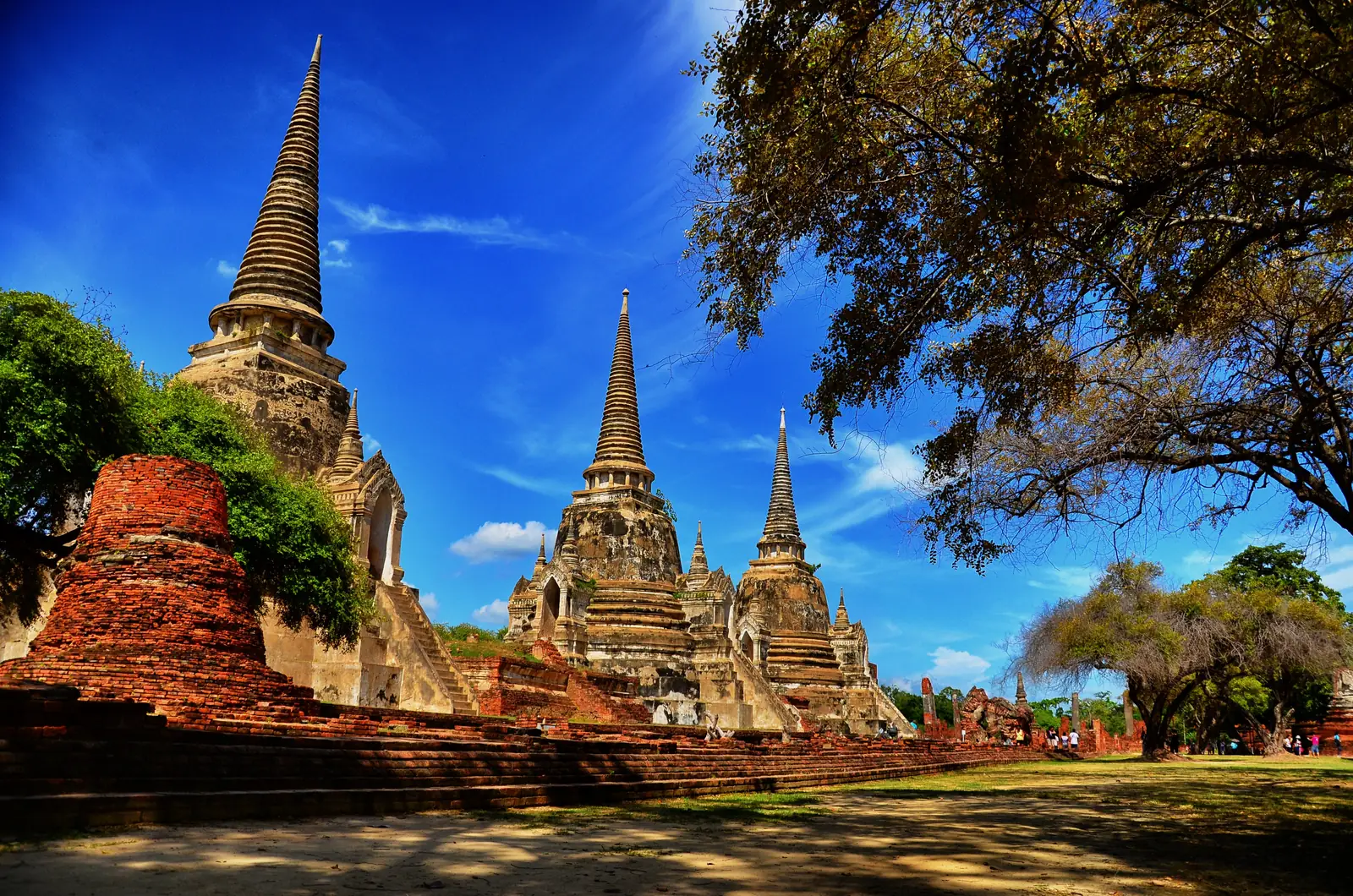
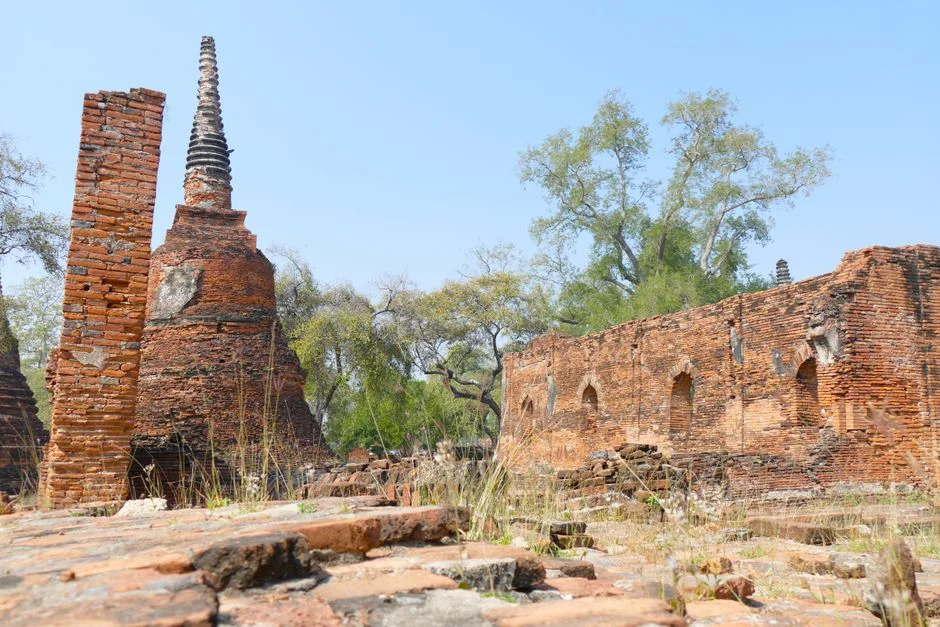
Ayutthaya was founded in 1351 by King U Thong on a river island at the confluence of the Chao Phraya, Pa Sak, and Lop Buri rivers. Over four centuries and thirty-three kings it grew into one of Asia's most cosmopolitan trading cities, described by seventeenth-century European ambassadors as rivalling Paris in scale and London in wealth. The Burmese army sacked and burned the capital in 1767, melting down its golden Buddhas and driving the court south to Thonburi; the skeletal brick prangs and headless statues that remained are now a UNESCO World Heritage Site.
Landscape & geography
The historical city occupies a low, flood-prone island where three rivers converge, ringed by wide moats and canals still navigable by long-tail boat. The broader province spreads across the flat central rice plain — banana orchards and jasmine fields filling the hinterland between ruins and village temples. Bang Pa-In Summer Palace lies a few kilometres downstream, set on its own island in the Pa Sak River.
Why visit
Rent a bicycle before sunrise and the ruins are yours alone: Wat Mahathat's Buddha head clasped in bodhi roots, the triple-prang silhouette of Wat Phra Si Sanphet, and the riverside silhouette of Wat Chai Watthanaram at dusk. Stay the night to see dawn on the ruins before day-trippers arrive. Bang Pa-In's eclectic pavilions — Thai, Chinese, and Victorian — make a graceful half-day extension. The riverboat from Bangkok following the Chao Phraya south is one of the finest journeys in Central Thailand.
Stories from Phra Nakhon Si Ayutthaya
Articles, reviews, and itineraries tagged to this province.