Central · Thailand
Ang Thong · อ่างทอง
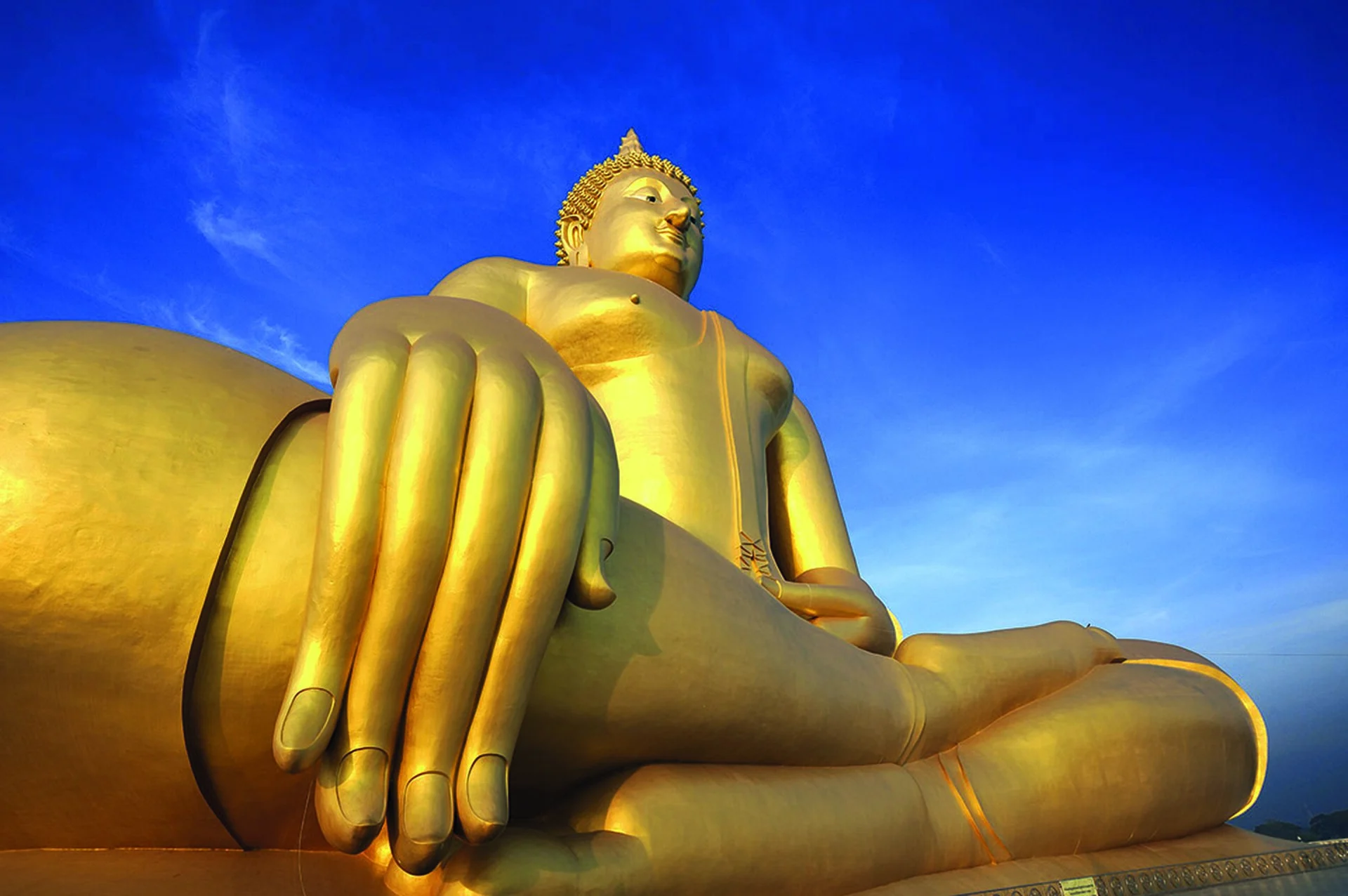
Wat Muang's giant golden Buddha — the tallest in the country.
- Region
- Central
- Population
- 277,000
- Area
- 968 km²
- Stories filed
- 1
About Ang Thong
History
Ang Thong — "golden basin" — earned its name from the extraordinary fertility of its alluvial flood plains, which supplied Ayutthayan rice surpluses for centuries. Reorganised into its current administrative province in the Chakri reforms of 1896, it has remained quietly agricultural ever since, bypassed by industrialisation and tourism despite sitting less than a hundred kilometres from Bangkok. The province is best known outside its borders for two things: a tradition of Ban Bang Sadet royal ceremonial dolls and lacquerware crafted for palace use since the Ayutthaya era, and a cluster of monumental Buddhist sculptures that far exceed the province's modest size.
Landscape & geography
Ang Thong is almost entirely flat Chao Phraya flood plain divided into rice paddies, sugar-palm groves, and irrigation canals stretching to every horizon. The river forms its spine; there are no hills anywhere in the province. Annual monsoon floods are not a nuisance but a benefit — they renew the soil that has made this one of Thailand's highest-yielding rice areas for a thousand years.
Why visit
Wat Muang's seated Luang Pho To Morokat image — 92 metres high and still being added to — is one of Thailand's most physically imposing sculptures, audaciously grand and visible from the highway. The reclining Phra Phuttha Saiyat at Wat Khun Inthapramun, reachable only by a short boat crossing to a river island, is the quieter counterpoint: a vast gold-and-cream figure in an open wooden pavilion, almost entirely tourist-free. Craft workshops in Ban Bang Sadet and a fresh-fish lunch at a Chao Phraya wharf round out the loop.
Stories from Ang Thong
Articles, reviews, and itineraries tagged to this province.