Central · Thailand
Kamphaeng Phet · กำแพงเพชร
UNESCO-listed historical park, Sukhothai-era laterite ruins without the crowds.
- Region
- Central
- Population
- 711,000
- Area
- 8,608 km²
- Stories filed
- 1
About Kamphaeng Phet
History
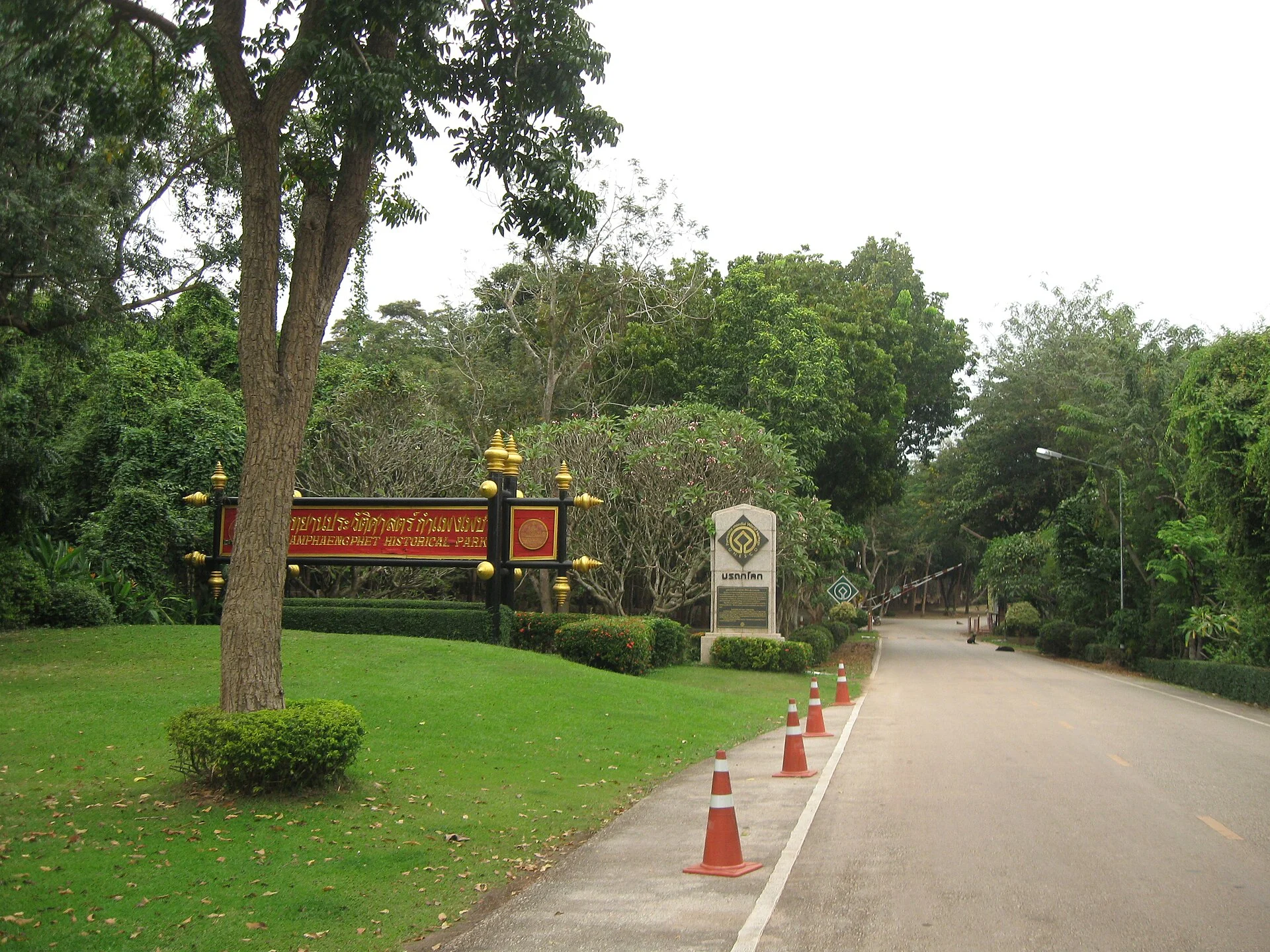
Kamphaeng Phet — \"Diamond Wall\" — was the southern fortress of the Sukhothai kingdom, its massive laterite ramparts and double moat still largely intact after seven centuries. A second Ayutthaya-period city grew up on the opposite bank of the Ping river, creating a paired-site UNESCO World Heritage listing alongside the main historical park. Together the two zones contain over forty temple ruins — laterite chedis, viharn bases, and standing Buddhas — set within a forested enclosure that attracts far fewer visitors than Sukhothai forty kilometres north.
Landscape & geography
The province sits on the upper edge of the central plain, where the Ping river emerges from the northern mountain system and begins to slow and widen. Low forested hills rise to the north-west toward the Tenasserim range; the rest is rice and banana country, with teak plantations along the Ping marking the flood boundary. The historical park occupies a raised terrace above the river's east bank; the Ayutthaya-period ruins on the west bank are surrounded by active paddy fields and market gardens.
Why visit
The Kamphaeng Phet Historical Park rewards a bicycle morning — stone viharn bases, laterite stupas, and standing Buddhas in a forested park that achieves an almost haunted quiet at dusk, with minimal crowds compared to Sukhothai. The National Museum inside the park has an excellent collection of Lanna and Sukhothai-era bronzes rarely reproduced in guidebooks. Combine with a stop at Mae Sot on the Burmese border for a deep-off-the-trail central-north itinerary, or with Sukhothai for a focused historical loop.
Stories from Kamphaeng Phet
Articles, reviews, and itineraries tagged to this province.