Status: LIVE — the arrival auto gates at Suvarnabhumi now accept all 33 nationalities. As of 28 September 2026 the expanded list is switched on at Suvarnabhumi arrivals (first reports from around 20 September; the rollout is phased). Four conditions apply: your passport must be on the list below; you must have entered Thailand before on the same passport, so your biometrics are on file (first-timers still use a staffed counter); you must be entering visa-exempt (visa holders, including DTV, still see an officer); and your TDAC must be filed before you land. Every credible report so far covers Suvarnabhumi only; we have not seen official confirmation for Don Mueang, Phuket or Chiang Mai arrivals, so plan for the staffed counters there.
Update log — 31 Aug 2026: page created after the Immigration Bureau released the full nationality list to Thai media (25 Aug), following the 17 Aug announcement at Suvarnabhumi. · 28 Sep 2026: gates confirmed accepting the 33 nationalities at Suvarnabhumi arrivals (reports 20–22 Sep: LoyaltyLobby, VisasNews, Time Out Bangkok) — visa-exempt entries only, prior visit on the same passport, TDAC first. This URL will be updated if other airports follow or the conditions change.
Thailand has opened its automated immigration gates to 31 more nationalities — and almost every headline about it has the details wrong. This is about entering Thailand, not leaving it: any traveller with a biometric passport has been able to use the auto gates on departure since December 2023. What changed in August 2026 is arrivals. Until now, only Thai, Singaporean and Hong Kong passport holders could skip the arrival queue at the gates. The Immigration Bureau has now approved — and named — 31 further nationalities, bringing the arrivals list to 33, with the rollout targeted before the November-to-April high season.
The full list is below, searchable, together with the conditions that the headlines also skip — because being on the list does not mean every holder of that passport can walk up to a gate.
What actually changed
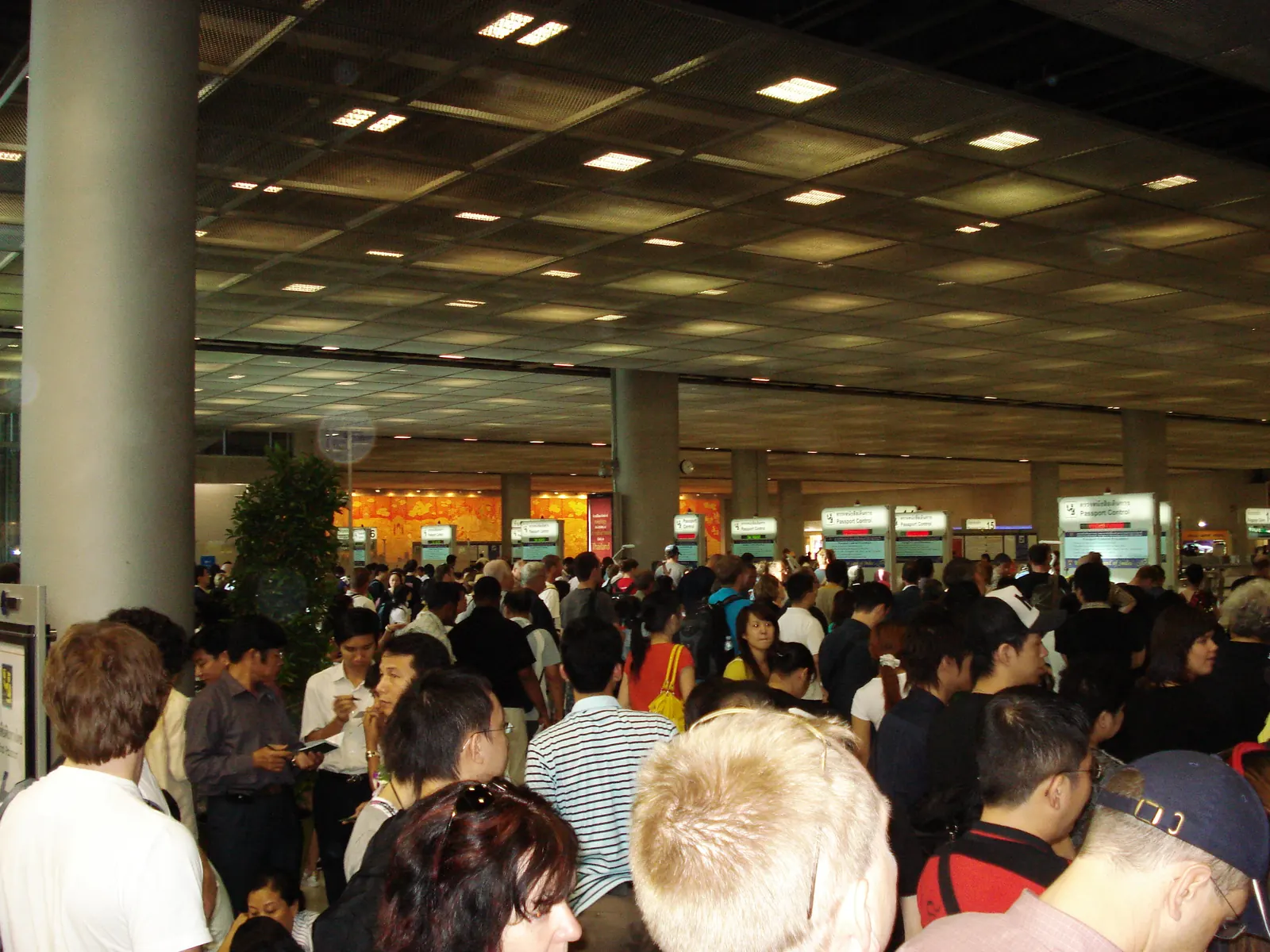
On 17 August 2026, Deputy Prime Minister and Commerce Minister Suphajee Suthumpun and Tourism and Sports Minister Surasak Panjaroenvorakul led an inspection at Suvarnabhumi, prompted by weeks of reports of hours-long arrival queues at Bangkok’s main airport. The fix announced on the spot: extend automated entry gates — until then a Thai/Singapore/Hong Kong privilege — to a much longer list of nationalities, selected using entry-refusal statistics, the Henley Passport Index and security screening criteria.
About a week later the Immigration Bureau released the approved list of 31 additions to Thai media. Officials estimate the change makes roughly 6.5 million travellers a year eligible for the automated lanes, plus about 900,000 holders of long-term visas.
Who can use Thailand’s auto gates: the full list
What it means for you
If your nationality is on the list: do nothing. There is no registration, no application and no fee. Eligibility is automatic — the gate reads your chip, matches your face against the biometrics Thailand already holds, and opens. Anyone selling “auto gate registration”, “fast-track e-gate access” or similar is selling you air. The only arrival paperwork that exists is the TDAC digital arrival card, which is free and stays mandatory whether you use a gate or a counter.
The catch the headlines bury: the Immigration Bureau says the gates will only accept travellers whose biometrics are already in the system from previous visits. The machines check documents and faces; they cannot read body language the way an officer can, so first-time visitors — even from listed countries — will still be sent to the staffed counters, where their fingerprints and photo get captured for next time. In practice this is a repeat-visitor perk first, which is exactly who reads a Thailand site in September planning a high-season trip.
One more wrinkle: a new passport means new biometrics. Renewed your passport since your last Thailand trip? Expect one more visit through the staffed counters before the gates know you again.
What has to happen before it is real
Unlike a visa rule or a tourist fee, this does not need the Royal Gazette — auto-gate eligibility is an administrative decision inside the Immigration Bureau, which is why it can move in weeks rather than years. The chain is short:
- Ministerial announcement — done, 17 August 2026 at Suvarnabhumi.
- Immigration Bureau approval of the nationality list — done, in principle, with the 31 names released around 25 August.
- Gates reconfigured and switched on — in progress; the government’s stated aim is to have the expanded list live before high season (November to April). This step completed in late September 2026: the Suvarnabhumi arrival gates began accepting the expanded list from around 20 September, ahead of the November target, and the status box above is now green.
The gates now accept the new nationalities; this page tracks any change to the conditions or the airports covered — same URL, updated status box.

How we got here
Thailand’s auto gates opened to all biometric passports for departure at Suvarnabhumi on 15 December 2023 — which is why the exit side of passport control usually flows. Arrivals stayed human-only for foreigners until Singapore and Hong Kong passport holders were let through the entry gates as a pilot. Then came the summer of 2026: viral clips of two-hour arrival queues at Suvarnabhumi, sharp questions about readiness for high season, and a government push — the same 17 August inspection also covered staffing, lounges and taxi queues — to fix the airport’s first impression before November. Extending the entry gates to the nationalities that account for millions of low-risk arrivals a year is the biggest single lever they have.
The list itself tells you how it was built: 27 of the 31 additions are covered by Thailand’s visa-exemption scheme, most of Western Europe is on it, and the notable absences — the United States, China, India, Russia — track the entry-refusal statistics and security screens the Bureau says it used. Lists built on statistics get revised; expect a second wave once the first one proves itself.
Thailand’s auto gates: your questions, answered
Can Americans use Thailand’s auto gates?
Not on arrival. The United States is not among the 33 approved nationalities — US passport holders continue through the staffed immigration counters when entering Thailand. On departure, yes: any biometric passport, including a US one, can use the exit gates.
Do I need to register or pay to use the auto gates?
No. There is no registration, application or fee — eligibility is by nationality and by biometrics Thailand already holds from your previous entries. Any site charging for auto-gate access is a scam. Our Thailand Price Index keeps the list of what officialdom actually charges.
Can I use the entry gates on my first trip to Thailand?
No. The Immigration Bureau requires your biometrics to be on file from previous visits, so first-timers from listed countries still queue for a staffed counter — see our first-timer’s guide for the entry process as it stands. The same applies after a passport renewal, until your new passport’s biometrics are captured once.
Do the auto gates replace the TDAC arrival card?
No. The TDAC digital arrival card remains required for every foreign arrival, gate or counter — it is free, and our Thailand visa guide walks through it. The THIM app does not replace it either.
Which airports have auto gates?
The August 2026 entry-gate expansion is a Suvarnabhumi programme first — it is where the queue crisis is. Automated lanes also operate at Don Mueang, Phuket, Chiang Mai and Hat Yai, and departure gates take all biometric passports across the system. Expect the expanded entry list to reach the other airports after Suvarnabhumi proves it.
When exactly do the 31 new nationalities start?
They are already open: Suvarnabhumi’s arrival gates began accepting the 33 nationalities from around 20 September 2026, ahead of the November target, and the rollout is being phased across the gate banks. This page is updated when the status changes — the box at the top always reflects the current position.
This is a DT News Desk page: one URL per question, updated when the answer changes. We read the Immigration Bureau’s announcements and the Thai-language reporting so you don’t have to — the status box above always reflects the current position.