Northeastern · Thailand
Bueng Kan · บึงกาฬ
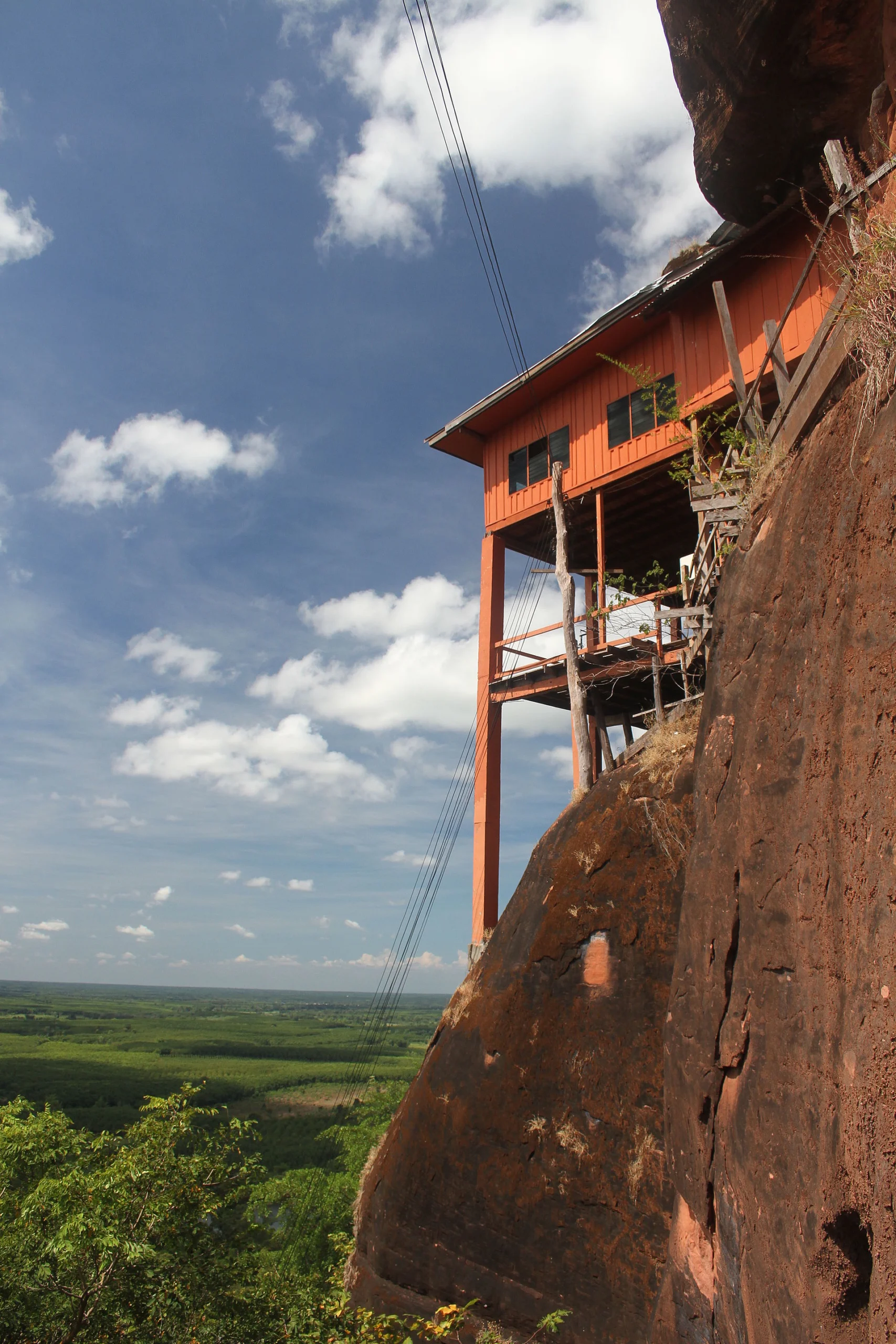
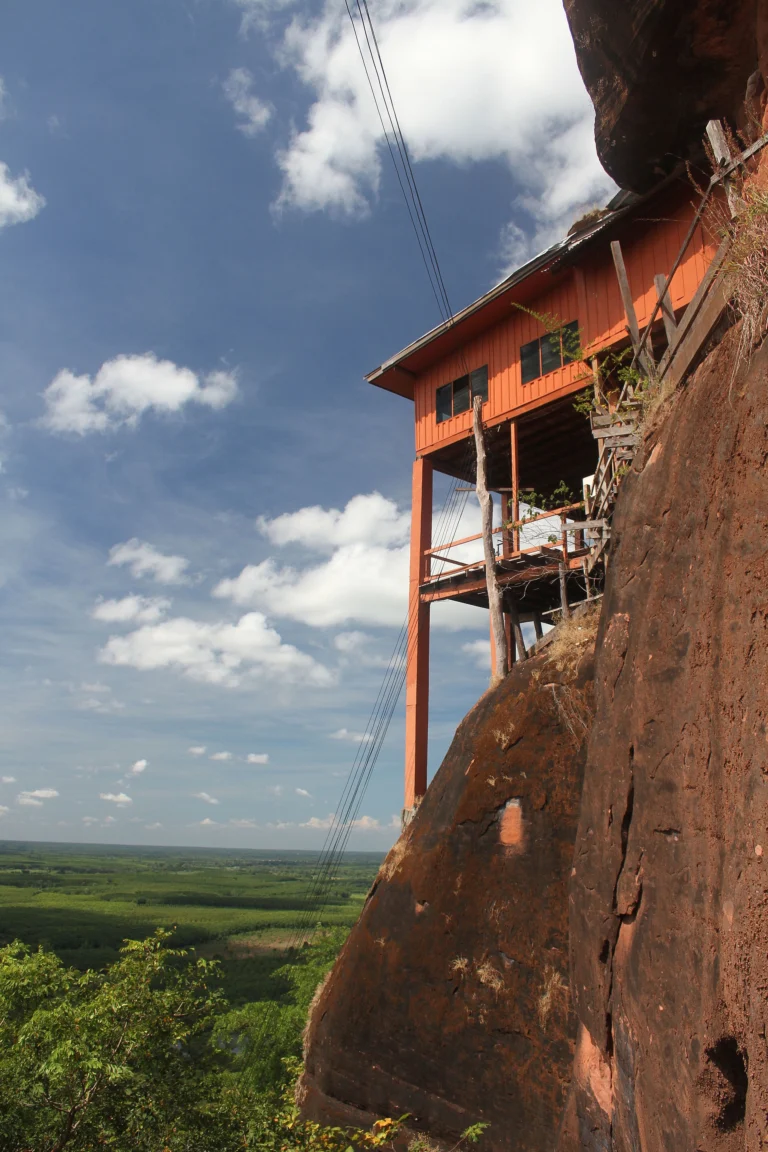
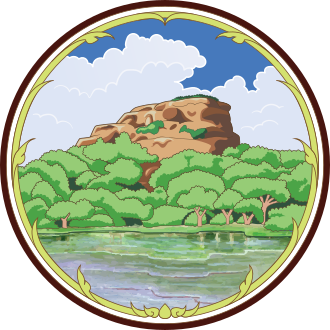
Thailand's newest province — Phu Sing stone forest, Three-Whale Rock cliff.
- Region
- Northeastern
- Population
- 422,000
- Area
- 4,305 km²
- Stories filed
- 1
About Bueng Kan
History
Bueng Kan became Thailand's seventy-sixth and newest province in 2011, separated from Nong Khai to give administrative shape to a remote stretch of upper Mekong borderland. The split was driven partly by the rising fame of Phu Tok — the sandstone monolith whose seven-level wooden staircase winds around the outside of a cliff-face monastery — which had been drawing pilgrims from across the Buddhist world without any matching local infrastructure. The province remains frontier territory: sparse, forested, and oriented toward the Lao bank of a wide, slow Mekong.
Landscape & geography
The Mekong forms the entire northern boundary, with the rugged Phu Wua sandstone range rising inland to the south. The landscape is strikingly varied: cliff-face monoliths at Phu Tok, the bizarre whale-shaped Hin Sam Wan rock formations, waterfall gorges in Phu Wua Wildlife Sanctuary, and a broad river frontage that widens as the Mekong bends south. Forests cover more of the province than any neighbouring territory, giving the air a cool, green quality even in the dry season.
Why visit
Phu Tok is the unmissable centrepiece — the seven-level wooden walkway pinned to the cliff-face, rising past monks' kuti and meditation caves to a summit viewpoint, is one of the most extraordinary pilgrimage experiences in Southeast Asia. The Three Whale Rocks (Hin Sam Wan) are a surreal sandstone plateau formation best seen at sunrise. Phu Wua Sanctuary's waterfalls fill out a second day. Bueng Kan town is frontier quiet, with Lao market produce crossing the river and almost no other foreign visitors.
Stories from Bueng Kan
Articles, reviews, and itineraries tagged to this province.