Western · Thailand
Tak · ตาก
Mae Sot border town, Umphang remote waterfalls, Bhumibol dam.
- Region
- Western
- Population
- 675,000
- Area
- 16,406 km²
- Stories filed
- 1
About Tak
History
Tak was a trading frontier with the kingdoms of Pegu and Ava for centuries, its Ping valley position making it the commercial gateway between the central plain and the Burmese highlands. The province is famous as the birthplace of King Taksin, who reassembled the armies of Ayutthaya after the city's destruction in 1767 and reunified the kingdom within fifteen years — a national-hero origin giving the quiet provincial capital a significance outsized for its modest size. The border town of Mae Sot developed independently from the 1980s as a commercial and humanitarian hub after Karen and Karenni refugees began crossing the Moei river.
Landscape & geography
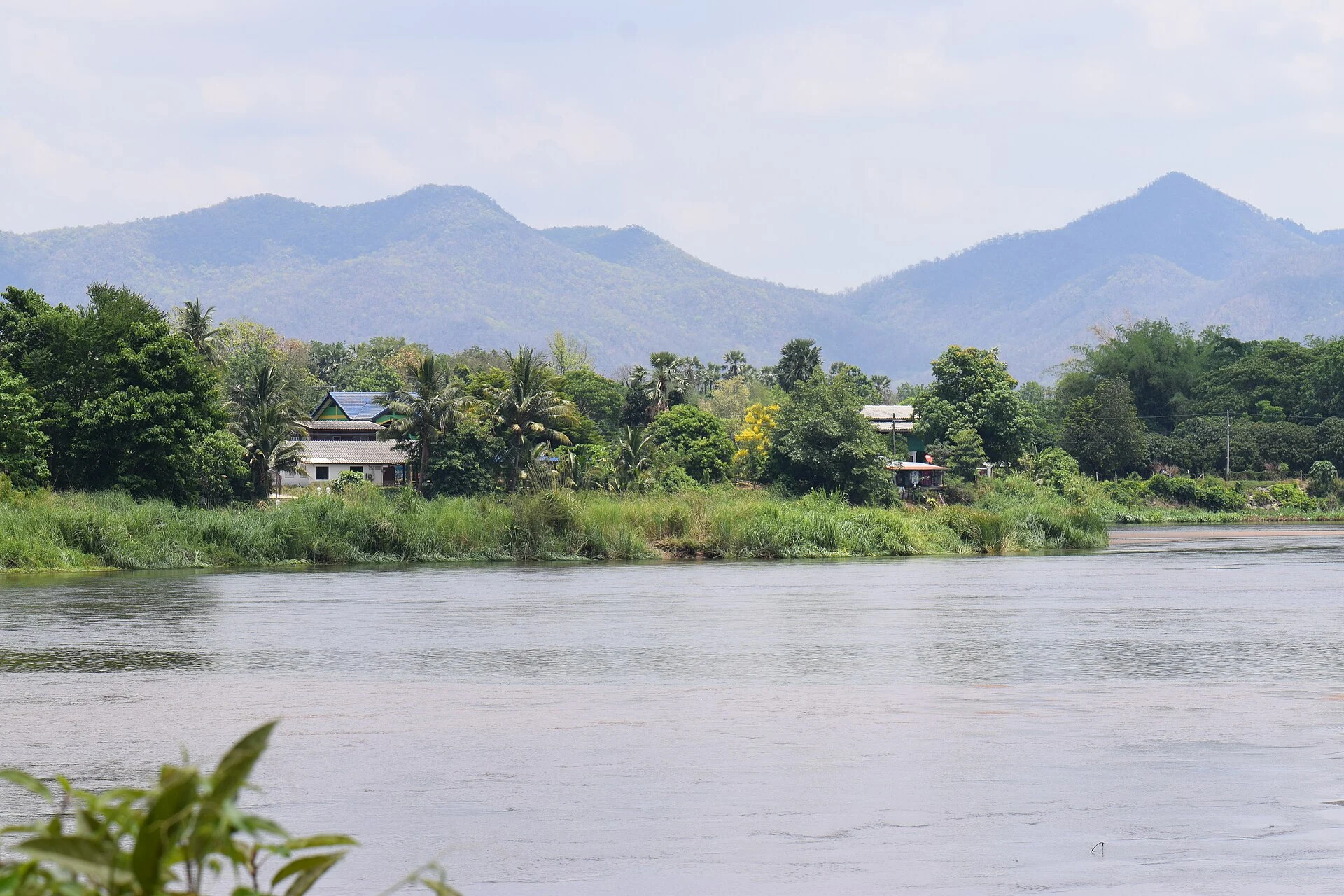
The western half of the province is high mountain forest along the Burmese frontier, rising through Doi Luang at 2,102 metres to the border ridge. The eastern half occupies the flat Ping river valley between Kamphaeng Phet to the south and Chiang Mai to the north. Altitudes span from 80 metres at the Bhumibol Dam to over 2,000 metres on the border ridge. The Umphang district in the far south is among the most remote and biodiverse landscapes in mainland Southeast Asia, accessible only by a mountain road famous for its hairpin bends.
Why visit
The Bhumibol Dam's reservoir — Thailand's largest — rewards a raft-house overnight and a sunset boat cruise around its forested arms. Mae Sot's Burmese and Karen market culture and the string of Shan-style temples in town make an unexpectedly cosmopolitan afternoon. Umphang's Thi Lo Su waterfall — one of the largest in Southeast Asia at 200 metres wide — and the multi-day Umphang river rafting are for committed adventure travellers. Lan Sang and Taksin Maharat national parks offer easier waterfalls and forest trails near the highway for day-trippers.
Stories from Tak
Articles, reviews, and itineraries tagged to this province.