Eastern · Thailand
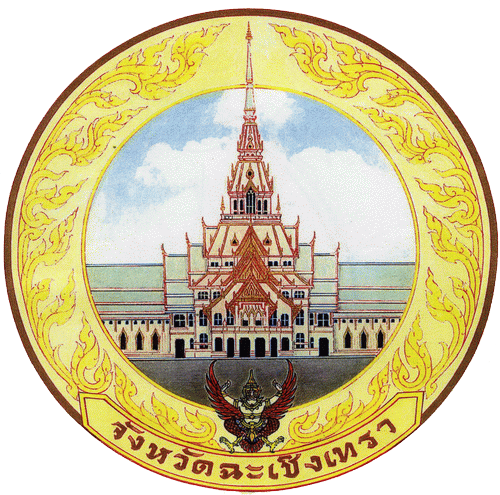
Chachoengsao · ฉะเชิงเทรา
Wat Saman Rattanaram's pink Ganesh, Bang Khla firefly riverside.
- Region
- Eastern
- Population
- 726,000
- Area
- 5,351 km²
- Stories filed
- 1
About Chachoengsao
History
Chachoengsao — nicknamed Paet Riu — grew up on the Bang Pakong river as an agricultural satellite of Bangkok, its riverside Chinese-Thai merchant community building the teak shophouses and riverside temples that make it a surviving example of central-province market-town culture largely swept away elsewhere. Wat Sothon Wararam Worawihan, whose Buddha image is believed to grant wishes to those who offer fish, is Thailand's fourth-most-visited temple and the province's principal claim to national attention. Its designation as part of the Eastern Economic Corridor has begun to alter its long agrarian character.
Landscape & geography
Flat rice and dragon-fruit orchard country on the lower Bang Pakong flood plain, punctuated by shrimp farms and aquaculture ponds near the Gulf coast. The Bang Pakong river is the defining waterway — wide, tidal, and brown — past whose banks riverside towns grew up on Chinese merchant capital in the nineteenth century. The canal network between the river's tributaries was the original transport grid; many klongs remain active as fishing and market-boat routes today.
Why visit
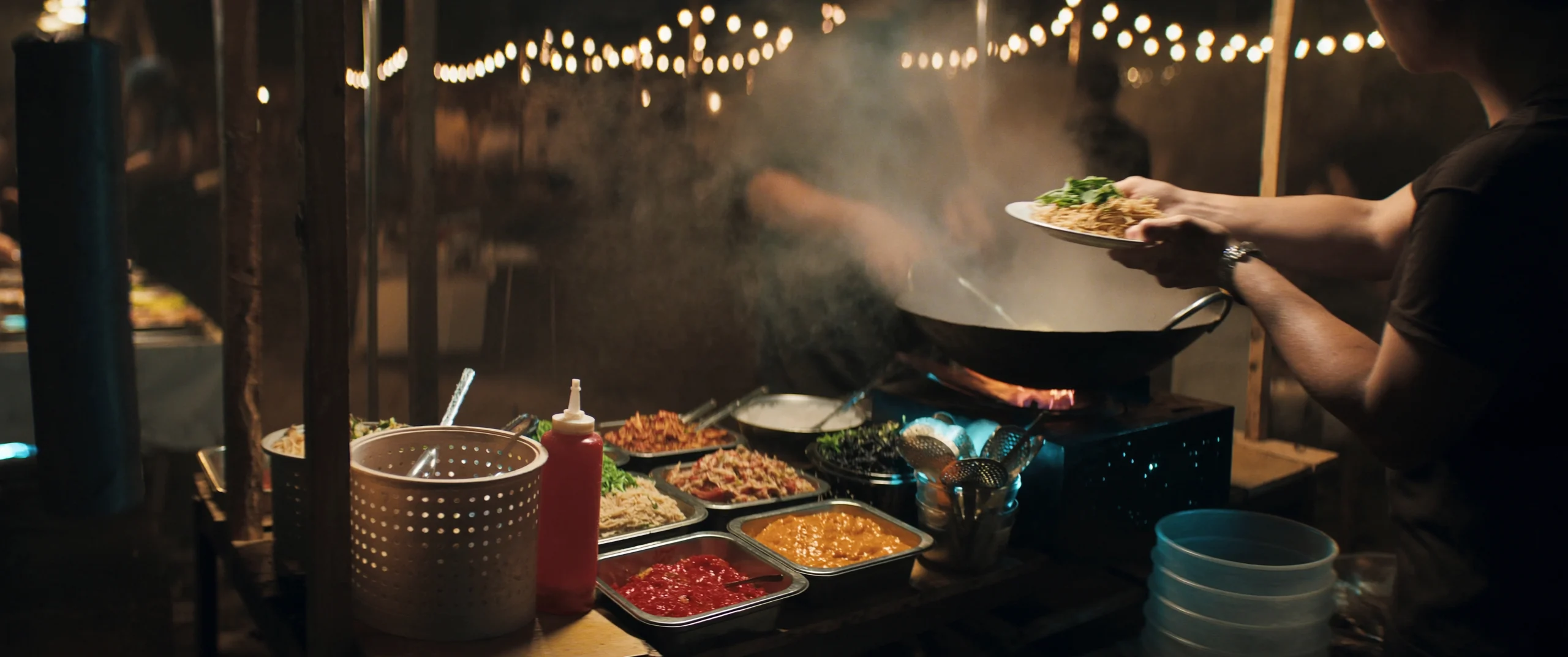
Wat Sothon is a major pilgrimage temple with a distinctly local ritual: worshippers release live fish purchased from riverside vendors into the sacred carp pond behind the main hall, and the atmosphere on Buddhist holidays is extraordinary. The wooden shophouse market at Talat Khlong Suan — a century-old canal market with a Sunday walking street — is one of the most atmospheric old market towns in central Thailand. Dragon-fruit orchards in the rural east make for a pleasant bicycle ride. Chachoengsao is an easy ninety-minute train journey from Bangkok's Hua Lamphong.
Stories from Chachoengsao
Articles, reviews, and itineraries tagged to this province.